Miami

Everything about Miami
What city in the world packs turquoise water, Cuban coffee, and museum-grade street murals into a single afternoon? Visiting Miami means stepping into a place where every neighborhood feels like a different country.
The light here is something else entirely. At golden hour, the pastel facades of South Beach glow like a film set, and the Atlantic stretches flat and impossibly blue to the horizon.
Miami rewards curious travelers who look beyond the beach clubs. From the sawgrass prairies of the Everglades to the croqueta-scented streets of Little Havana, the city has far more layers than its reputation suggests.
Why visit Miami?
What makes Miami unique
Miami sits at a genuine cultural crossroads. Latin American, Caribbean, and North American influences collide here in ways that shape the food, the music, the architecture, and the daily rhythm of the streets.
The Art Deco Historic District on Ocean Drive is the largest collection of Art Deco buildings in the world, with over 800 registered structures. That single fact reframes a beach walk into something genuinely significant.
Add to that a thriving arts scene, a year-round festival calendar, and water on three sides. Miami is not just a resort destination. It is a city with serious cultural weight.
Miami at a glance
Miami-Dade County is home to roughly 2.7 million people, making it one of the most populous metropolitan areas in the United States. The city is bilingual in practice: Spanish is heard as often as English in most neighborhoods.
The best months to visit run from November through April, when humidity drops and temperatures sit pleasantly between 20°C and 28°C. Summer brings heat, storms, and hurricane risk.
Budget-wise, Miami sits in the moderate range for the United States. Costs are real but manageable with some planning, especially outside the peak December and January weeks.
What to see and do in Miami?
South Beach (Art Deco)
South Beach is where most first-time visitors start, and for good reason. The famous strip along Ocean Drive delivers one of the most visually striking streetscapes in North America.
The pastel-colored hotels, neon signs, and curved facades date mostly from the 1930s and 1940s. The Art Deco Welcome Center on Ocean Drive runs excellent walking tours that explain the preservation story behind these buildings.
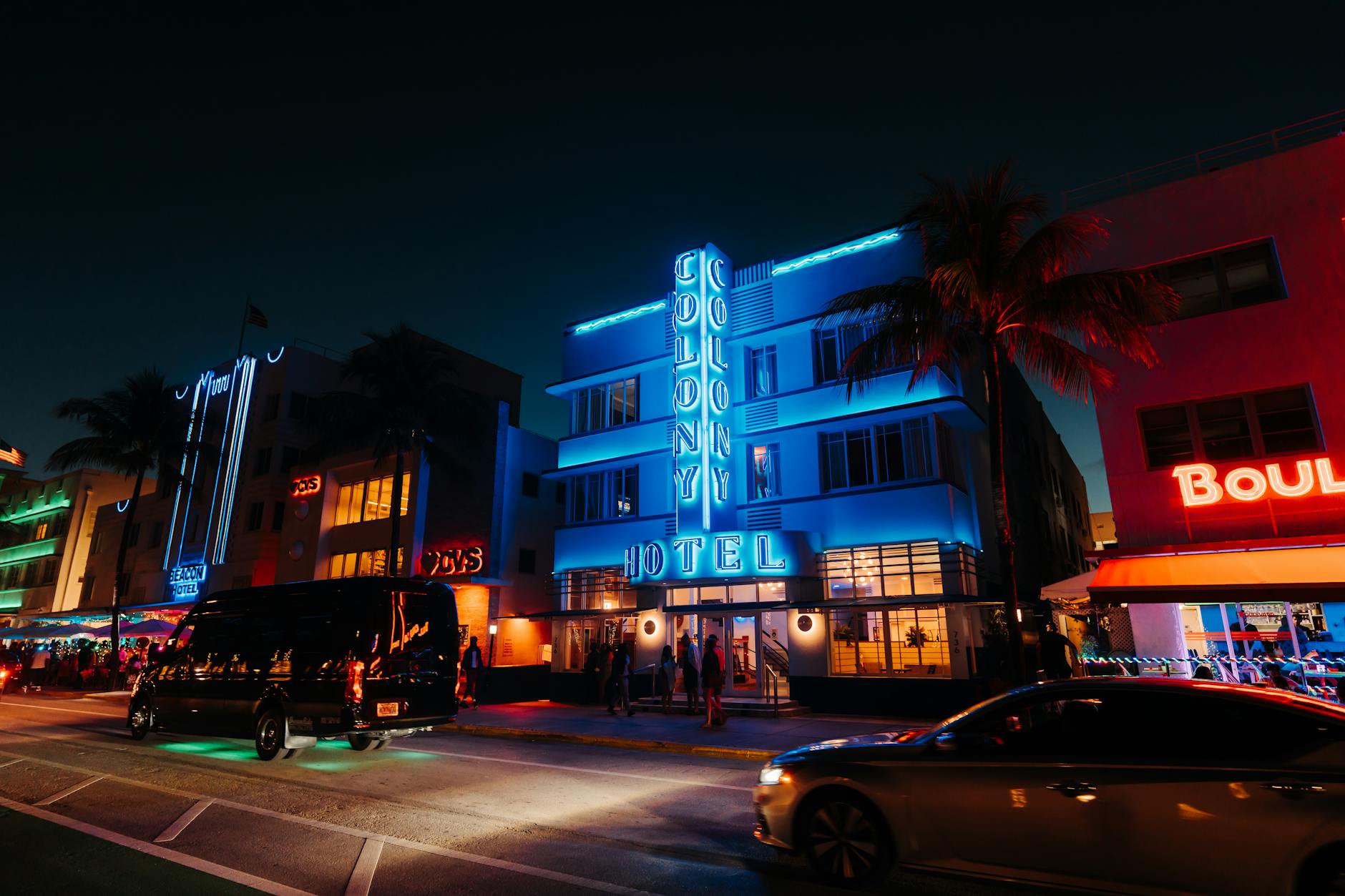
Beyond the architecture, the beach itself is wide, well-maintained, and public. Lummus Park lines the western edge with palm trees and shade. Early mornings before 9am are the best time to experience it without crowds.
Local guides recommend walking north along Collins Avenue to spot lesser-photographed gems. The Versace Mansion, now a boutique hotel, sits just steps from the main drag and draws steady attention from architecture enthusiasts.
Little Havana
Calle Ocho, the main artery of Little Havana, is one of the most atmospheric streets in the United States. Domino players gather daily at Maximo Gomez Park, and the smell of freshly rolled cigars drifts from open doorways.
This neighborhood is the cultural heartbeat of Miami's Cuban exile community, which began arriving in significant numbers after 1959. The history here is living, not archived.
Stop at Versailles Restaurant for Cuban coffee and a pastelito. It is not a tourist trap: it has been a community institution since 1971 and remains genuinely beloved by locals.
The last Friday of every month brings the Viernes Culturales (Cultural Fridays) street festival to Calle Ocho. Live music, art vendors, and open galleries make it the most accessible entry point into the neighborhood's creative life.
Wynwood Walls (street art)
Wynwood was a forgotten warehouse district until around 2009, when developer Tony Goldman commissioned international street artists to transform its blank concrete walls. The result became the Wynwood Walls, a globally recognized outdoor museum.
Today, dozens of murals fill the streets around NW 2nd Avenue. Artists like Shepard Fairey, Os Gemeos, and Swoon have left work here. The quality and scale are genuinely impressive.
The neighborhood has evolved alongside its murals. Galleries, independent restaurants, and concept stores now fill the surrounding blocks. The Wynwood Walls Museum charges a modest entry fee and rotates featured artists regularly.
Visitor reviews confirm that weekend evenings bring the area to life, with restaurants and rooftop bars filling quickly. Arriving by late afternoon lets you photograph the murals before the foot traffic builds.
Everglades (excursion)
Everglades National Park begins less than an hour's drive southwest of downtown Miami. It is the largest subtropical wilderness in the United States and a UNESCO World Heritage Site.
The classic entry point is the Ernest F. Coe Visitor Center near Homestead. From there, the Anhinga Trail delivers reliable wildlife sightings, including American alligators basking within meters of the boardwalk.
Airboat tours are the most popular way to see the sawgrass prairies. Several operators run half-day excursions from Miami. Travelers note that independent visits to the national park itself give a quieter and more rewarding experience than commercial airboat operations near the highway.
The best wildlife activity happens during the dry season, between December and April. Water levels drop, concentrating birds and reptiles around remaining pools. Dawn and dusk are the most productive hours for wildlife.
Food and local cuisine in Miami
Miami's food scene reflects its demographics directly. Cuban, Haitian, Colombian, Peruvian, and Caribbean cooking all have genuine roots here, not just tourist interpretations.
Cuban food is the most deeply embedded tradition. The media noche sandwich, slow-roasted pork, black beans and rice, and strong espresso shots called cafecitos appear everywhere from convenience windows to sit-down restaurants.
Seafood is a serious business here. Stone crab claws, in season from October to May, are a Miami specialty worth splurging on. Joe's Stone Crab in South Beach has served them since 1913.
The Design District and Brickell neighborhoods have attracted a wave of upscale restaurants over the past decade. Japanese-Peruvian fusion, modern Caribbean, and high-end steakhouses now populate menus alongside the traditional spots.
For fast, cheap, and authentic eating, look for ventanitas: small walk-up windows attached to Cuban bakeries and cafes. A cafecito and a croqueta costs under two dollars and tastes better than most things in far fancier settings.
Farmers markets and food halls are expanding across the city. Time Out Market Miami in South Beach brings together a curated selection of the city's best chefs under one roof, a useful option for groups with mixed tastes.
Getting to Miami and getting around
Getting there
Miami International Airport (MIA) is one of the busiest airports in the United States, with direct transatlantic flights from London, Paris, Madrid, Frankfurt, and several other European hubs. Flight times from Western Europe average around nine to ten hours.
From the airport, the Miami Beach Airport Express bus (Route 150) runs directly to South Beach for a few dollars, making it a practical arrival option. Rideshare services and taxis are widely available but cost significantly more.
Fort Lauderdale-Hollywood International Airport, about 45 minutes north, handles additional international and budget carrier routes. It is worth checking fares to both airports before booking.
Getting around
South Beach is walkable and bikeable. Citi Bike Miami has hundreds of docking stations across Miami Beach and parts of the mainland, and day passes are affordable. For most beach-based exploration, a bike covers the ground faster than a car.
The Miami Metromover is a free automated rail loop connecting downtown, Brickell, and Omni. It does not reach the beach but is genuinely useful for mainland exploration.
For reaching Wynwood, Little Havana, and the Everglades, rideshare apps work reliably and prices are reasonable by American standards. Renting a car makes the Everglades trip much more flexible.
Budget and practical tips
How much to budget for Miami
Miami sits in the moderate-to-expensive range by U.S. standards. A mid-range hotel in Miami Beach runs between €150 and €250 per night depending on the season. Budget travelers can find options in the €80 to €120 range by looking at neighborhoods like Midtown or Brickell rather than Ocean Drive.
Meals vary widely. A full lunch at a Cuban restaurant in Little Havana costs around €10 to €15. Dinner at a Design District restaurant can reach €60 to €80 per person without wine.
Attractions are mostly low-cost or free. The beach, Wynwood murals, and Metromover cost nothing. Everglades National Park charges a vehicle entry fee of around €30, valid for seven days.
Planning to visit during Art Basel Miami Beach in early December means higher hotel prices and sold-out accommodations. Booking three to four months in advance is strongly advisable for that period.
Best time to visit: November to April
November through April is the dry season and by far the most comfortable window for visiting. Temperatures are warm but not exhausting, rain is infrequent, and humidity stays low enough to make outdoor walking genuinely pleasant.
December and January are peak months, with the highest hotel rates and the busiest beaches. February and March give a better balance between good weather and reasonable prices.
April marks the tail end of the ideal window. Temperatures begin climbing and occasional storms return. Travelers note that late March and early April can be the sweet spot: warm weather, thinner crowds, and shoulder-season pricing all arriving at the same time.
Frequently Asked Questions about Miami
See all destinations in United States
New York
New York, United States, hits hard from the first glance: the Statue of Liberty rising over the harbor…
DiscoverLos Angeles
Los Angeles, California's sprawling metropolis, pulls travelers from Hollywood Boulevard's Walk of Fame to…
DiscoverChicago
Chicago, Illinois, hits hard from the first glance: the Cloud Gate in Millennium Park, the Art Institute's…
Discover