London

Everything about London
What if one city could contain Roman ruins, a reigning monarch, and the world's most visited art museum, all within a few kilometers of each other? Visiting London means stepping into a place where history and relentless modernity share the same postcode.
Few capitals feel this alive. London pulls in over 20 million international tourists every year, yet it never quite feels finished, always reshaping itself around the edges.
From the Thames riverbanks to the sprawling green of Hyde Park, this city rewards the curious traveler. The guide below breaks down exactly what to see, eat, and expect.
Why Visit London?
What Makes London Unique
London holds a rare quality: it is ancient and restless at the same time. The layers of the city run from Roman Londinium underneath the Guildhall to glass towers rising in Canary Wharf above the old docklands.
No single culture dominates the streets. Over 300 languages are spoken across its boroughs, and that diversity shows up in its markets, its restaurants, and its neighborhoods.
Notting Hill feels nothing like Shoreditch. Greenwich feels nothing like Mayfair. This internal variety is what keeps even repeat visitors discovering something new.
London at a Glance
London is the capital of the United Kingdom and the largest city in Europe by population, home to roughly 9 million residents. The greater metropolitan area stretches across 1,572 square kilometers.
The city sits in southeastern England, straddling the River Thames. The currency is the British pound sterling, not the euro, a detail that catches some European visitors off guard.
English is the primary language, though visitor reviews confirm that navigating London requires almost no language preparation. The city's public transport network is one of the oldest and most extensive on the planet.
What to See and Do in London?
Big Ben
The Elizabeth Tower, known worldwide as Big Ben, stands at the north end of the Palace of Westminster. Technically, Big Ben refers to the great bell inside, not the tower itself, but the distinction rarely matters once you see it in person.
The tower rises 96 meters above the Thames. The four clock faces each measure 7 meters in diameter, making them visible from remarkable distances across the city.
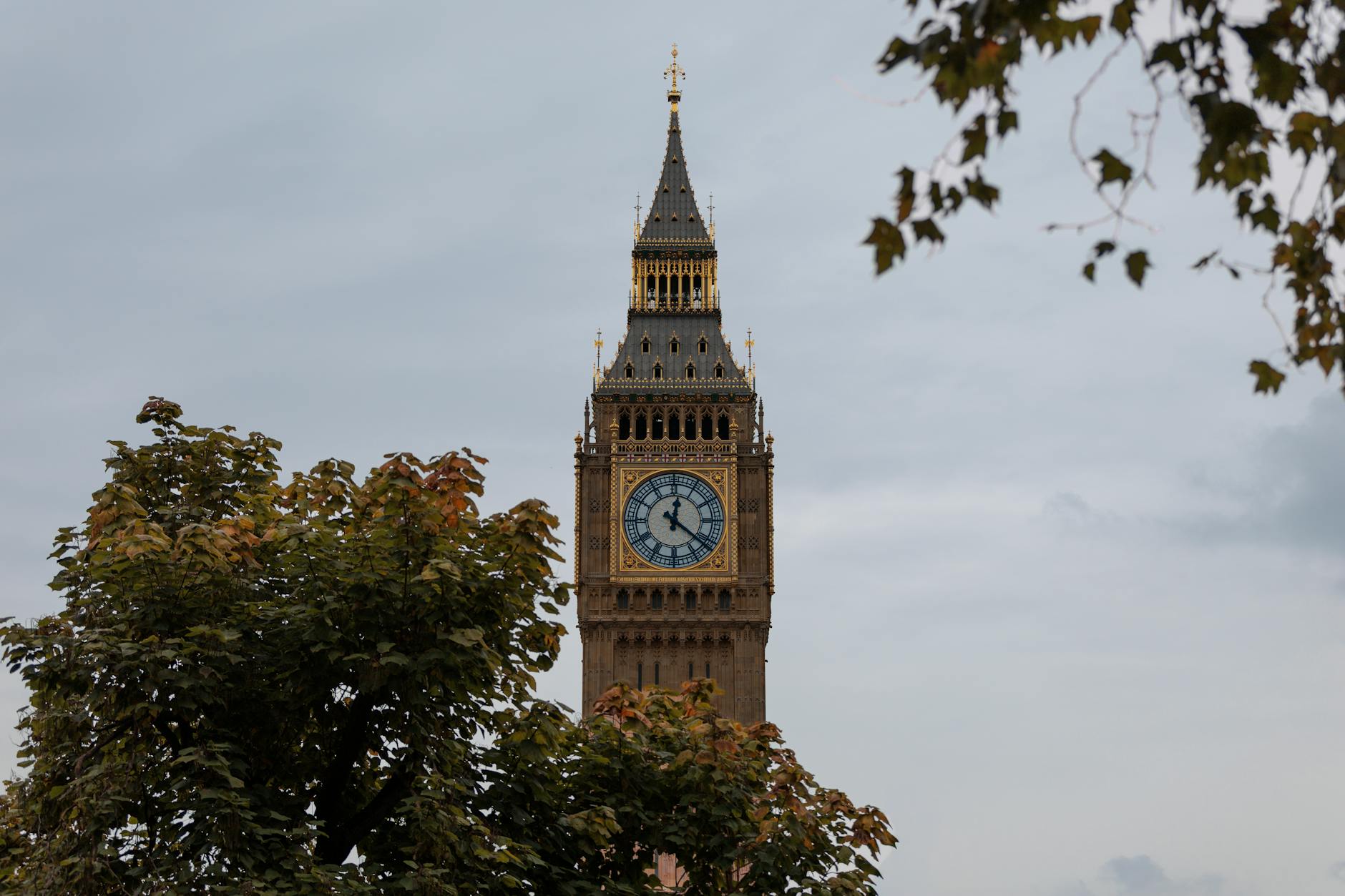
After a years-long restoration completed in 2022, the tower's stonework and gilded details look sharper than they have in decades. Local guides recommend arriving at the top of the hour to catch the chimes.
The surrounding Parliament Square is free to visit. Crossing Westminster Bridge puts the tower directly behind you, framing one of London's most photographed river views.
London Eye
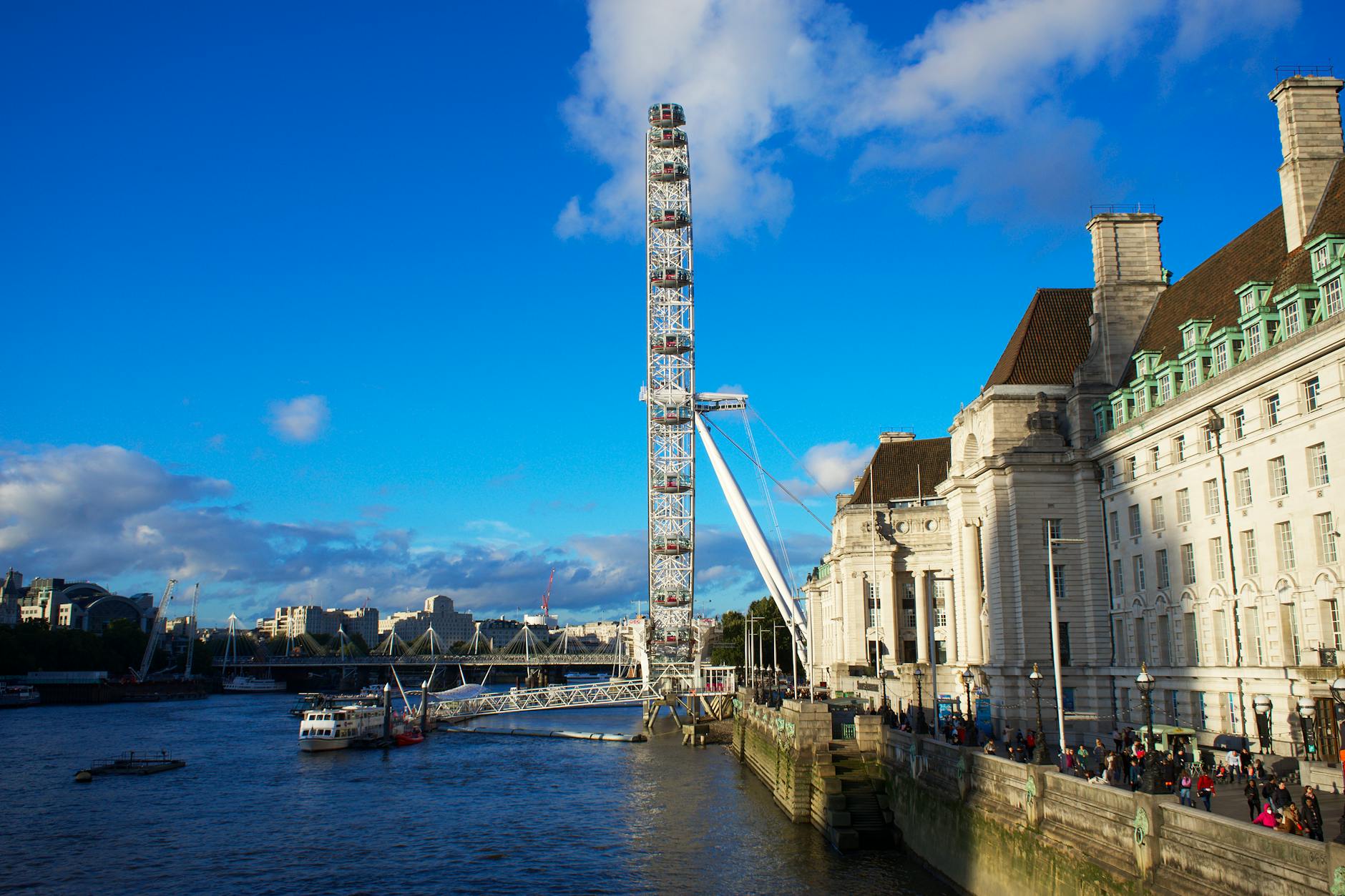
The London Eye opened in 2000 and quickly became one of the most recognized structures on the South Bank. The observation wheel stands 135 meters tall, making it the tallest cantilevered observation wheel in Europe.
Each rotation takes approximately 30 minutes. The glass capsules hold up to 25 passengers and rotate slowly enough that boarding requires no stopping.
On a clear day, the views extend up to 40 kilometers in every direction. Visitor reviews confirm that sunrise or late-evening slots deliver the most dramatic light over the Thames and the city skyline.
Booking tickets online in advance saves both money and significant queue time. The fast-track option is worth considering during peak summer months when lines can stretch well past 90 minutes.
British Museum
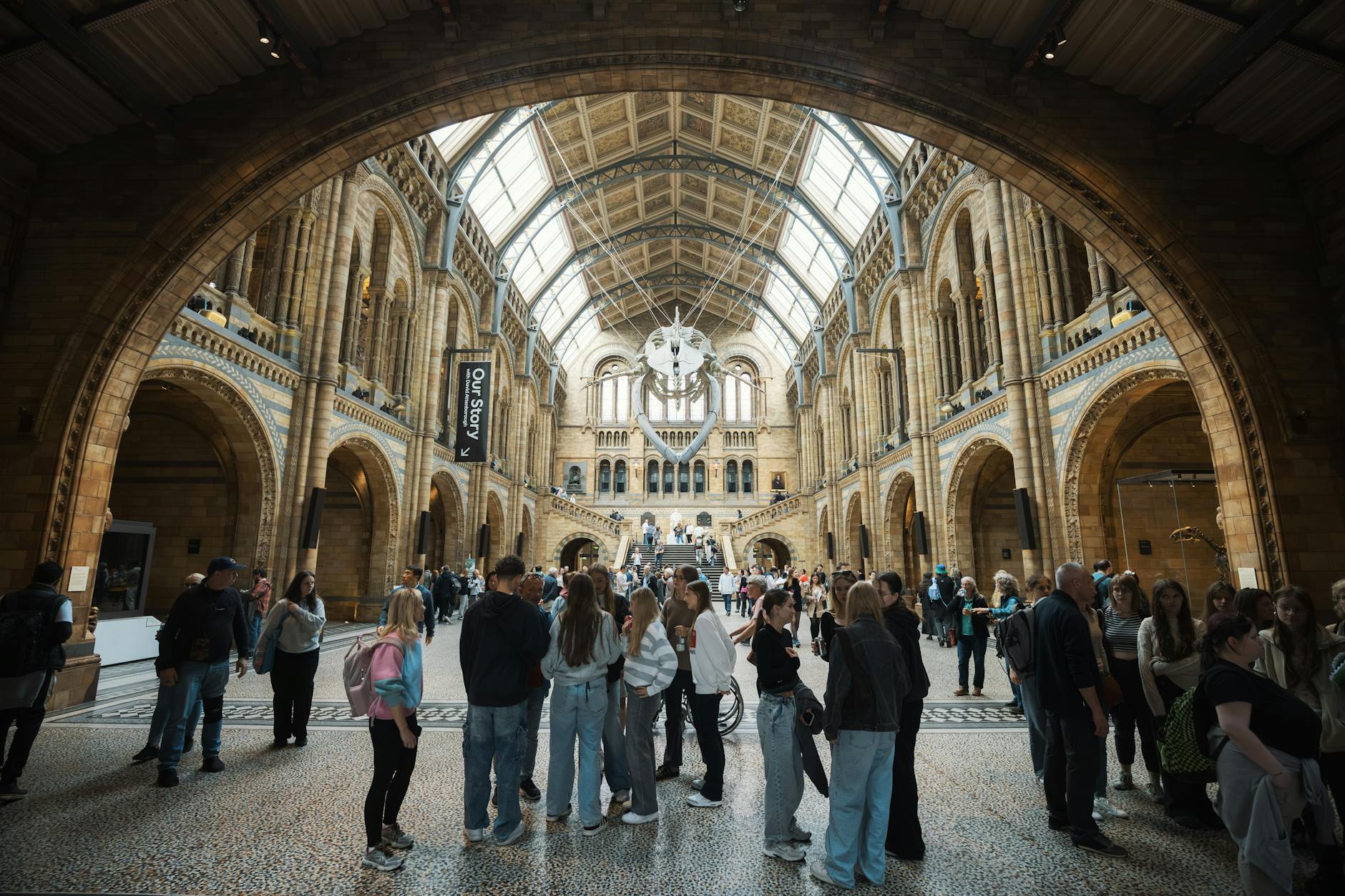
The British Museum in Bloomsbury houses a collection spanning two million years of human history. Founded in 1753, it was the first public national museum in the world and admission remains free.
The Rosetta Stone, the Elgin Marbles, and the Sutton Hoo helmet sit inside the same building. The Great Court, designed by Norman Foster and opened in 2000, is the largest covered public square in Europe.
A single visit cannot cover everything. Local guides recommend targeting two or three collections per visit rather than attempting a full sweep of the 80 galleries.
The Egyptian mummies collection draws consistent crowds, so arriving when the museum opens at 10am gives visitors the best chance of a quieter experience in that wing.
Buckingham Palace
Buckingham Palace has served as the official London residence of the British monarch since 1837. The building has 775 rooms and fronts onto a 40-acre garden, the largest private garden in London.
The Changing of the Guard ceremony takes place at 11am on selected days. The precise schedule varies seasonally and is worth checking on the official Royal Family website before visiting.
During August and September, the State Rooms open to the public while the Royal Family is in residence elsewhere. This is the only period when paying visitors can walk inside the palace itself.
St. James's Park directly adjoins the palace grounds and provides an excellent vantage point for photographs without the dense crowds that gather at the main gates.
Food and Local Cuisine in London
London's food scene has shifted dramatically over the past two decades. The old reputation for bland cooking has been replaced by a city that hosts some of the most exciting restaurant cultures in the world.
Borough Market near London Bridge stands as the flagship food destination. The market's traders cover everything from Neal's Yard cheese to Ethiopian spiced lamb wraps, operating Thursday through Saturday.
A proper Sunday roast remains one of the most authentic local experiences. Pubs across Islington, Hackney, and Southwark serve roasts with Yorkshire pudding, roasted potatoes, and thick gravy that travelers consistently rank among their best London meals.
Indian and Bangladeshi cuisine runs deep in the city's identity. Brick Lane in East London concentrates dozens of curry houses in a single street, though local guides recommend exploring Tooting Broadway for less touristy South Asian cooking.
For quick eating, the meal deal culture in supermarkets like Sainsbury's or Marks and Spencer gives travelers a sandwich, snack, and drink for around £4. It is a practical and genuinely good option for budget-conscious days.
Afternoon tea remains a worthwhile splurge. Fortnum and Mason on Piccadilly or Claridge's in Mayfair are two institutions where the experience lives up to the price tag.
Getting to London and Getting Around
Getting There
London is served by six airports, with Heathrow Airport handling the majority of long-haul and European flights. It ranks among the busiest airports in the world, processing over 60 million passengers annually in peak years.
Gatwick and Stansted handle most low-cost carrier routes. Eurostar trains from Paris, Brussels, and Amsterdam arrive directly into St. Pancras International, making a rail approach from continental Europe straightforward and scenic.
The Elizabeth line, opened in 2022, now connects Heathrow to central London in under 30 minutes, significantly improving airport access from the west.
Getting Around
The London Underground, called the Tube, covers 11 lines and 272 stations. Using a contactless bank card or an Oyster card is cheaper than buying individual paper tickets and works across the Tube, buses, and most rail services.
Black cabs are licensed and metered, but rideshare apps like Uber typically run cheaper for longer journeys. Cycling via Santander Cycles, London's bike-share scheme, works well for short hops across Zone 1.
Walking between central landmarks is often faster than taking the Tube, especially between Westminster, the South Bank, and Covent Garden, which are all within comfortable walking distance of each other.
Budget and Practical Tips
How Much to Budget for London
London carries a premium price tag, and planning around it helps considerably. A mid-range hotel in Zone 1 or Zone 2 typically runs between £150 and £300 per night depending on season.
Dining at a sit-down restaurant for dinner averages £25 to £50 per person without drinks. The city's free museum policy is genuinely significant: the British Museum, the National Gallery, the Tate Modern, and the Natural History Museum all charge no entry fee.
A daily budget of £120 to £180 per person covers transport, meals, and one paid attraction. Travelers who use free museums, cook occasionally, and travel off-peak can stretch their pound considerably further.
The Oyster card daily cap prevents transport costs from spiraling. A Zone 1 to 2 daily cap sits around £8.10 for unlimited Tube and bus travel, which is a strong value for busy sightseeing days.
Best Time to Visit: May to September
The period from May to September brings London's longest days, warmest temperatures, and the most outdoor programming. Average temperatures sit between 18 and 23 degrees Celsius, making walking the city genuinely pleasant.
July and August attract the heaviest tourist volumes. Visitor reviews confirm that late May and early September strike the best balance between decent weather and manageable crowd levels at major sites.
Trooping the Colour in June, the Chelsea Flower Show in May, and the Notting Hill Carnival in late August each add cultural events that make specific weeks especially rewarding for timing a trip around.
Frequently Asked Questions about London
Similar Destinations
Oslo
Oslo, Norway's dynamic capital, pairs raw Scandinavian landscapes with world-class culture: the Edvard Munch…
DiscoverStockholm
Stockholm, Sweden's capital spread across 14 islands, rewards visitors with medieval cobblestones in Gamla…
DiscoverCopenhagen
Copenhagen, Denmark's vibrant capital, pairs the candy-colored facades of Nyhavn with the magic of Tivoli…
Discover