Dublin

Everything about Dublin
What if a single city could hold eight centuries of history, a world-famous dark beer, and some of the most welcoming pubs on the planet? Visiting Dublin means stepping into a place where the medieval and the modern sit side by side on cobblestone streets.
Dublin punches well above its size. With just over 1.2 million people in the greater metropolitan area, it feels intimate yet endlessly layered, a capital that rewards slow exploration.
The River Liffey splits the city in two, and each bank tells a different story. This guide covers everything a traveler needs to plan a smart, satisfying trip.
Why visit Dublin?
What makes Dublin unique
Dublin carries a literary DNA that no other European capital quite matches. Four Nobel Prize winners in literature called Ireland home, and the streets here are essentially a walking bibliography.
The city also has a rare warmth. Locals genuinely engage with strangers, not as a tourism performance but as a cultural habit. That ease is immediately noticeable, even on a first visit.
Add to that a compact, walkable core packed with Georgian architecture, Viking-era foundations, and a music scene that spills out of pub doors every evening. Dublin earns its reputation honestly.
Dublin at a glance
The city sits on the east coast of Ireland, at the mouth of the River Liffey. Dublin Airport connects it to most major European hubs and transatlantic routes with ease.
The historic center is small enough to cross on foot in under 30 minutes. The main tourist landmarks cluster tightly around Trinity College, Dame Street, and the Liffey quays.
Currency is the euro. English is the primary language, though Irish (Gaelic) appears on street signs throughout. Tipping customs follow a similar pattern to other Western European capitals.
What to see and do in Dublin?
Trinity College and the Book of Kells
Trinity College Dublin was founded in 1592, making it one of the oldest universities in the English-speaking world. Its cobblestone front square alone justifies the walk through the main gates.
The real draw lies inside the Old Library. The Book of Kells is an illuminated manuscript created by Celtic monks around 800 AD, and it remains one of the most visually stunning artifacts in existence.
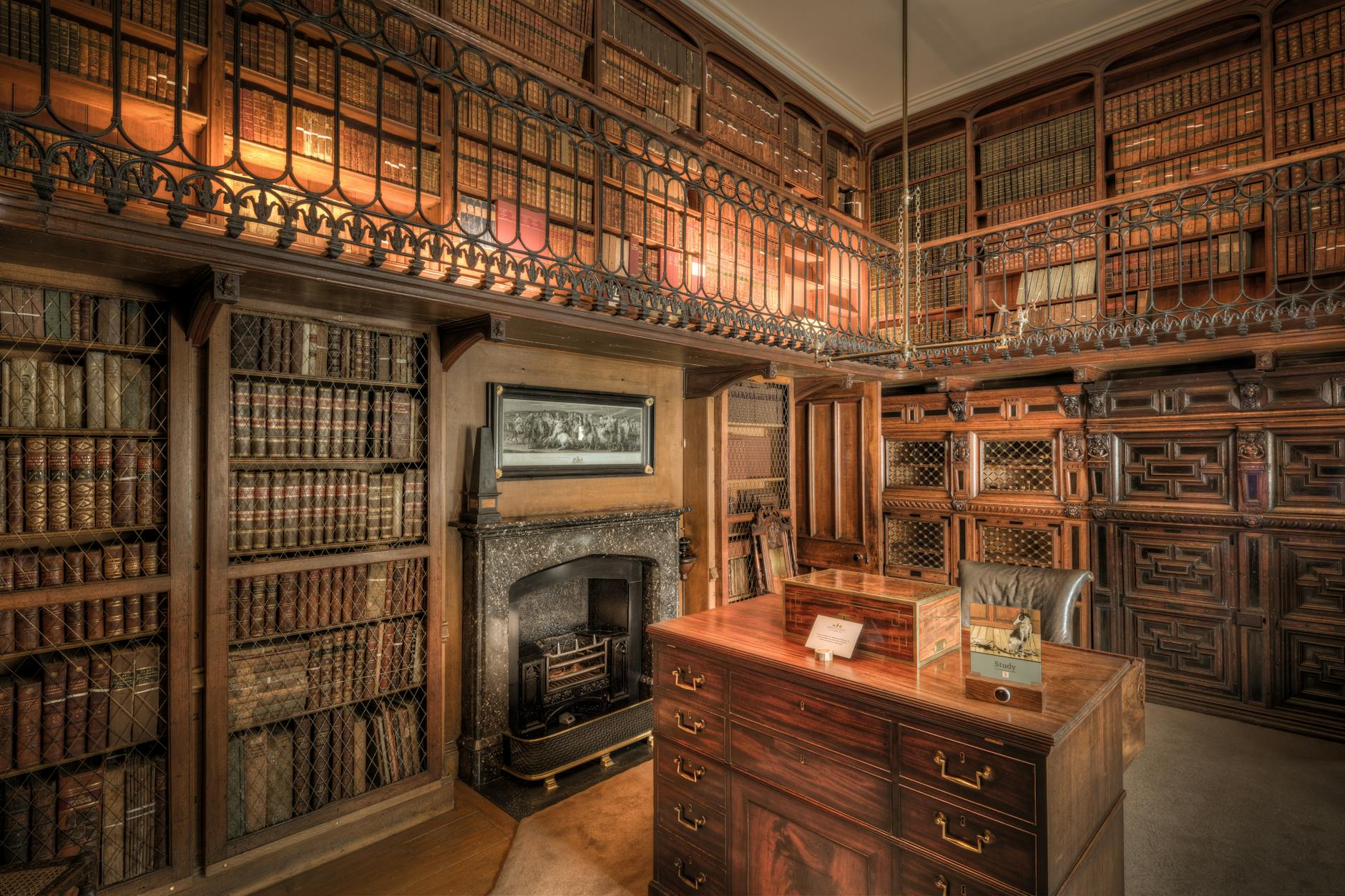
The Long Room above the exhibition holds 200,000 of the library's oldest books, arranged in towering dark-oak shelves. Visitor reviews consistently describe the space as genuinely breathtaking rather than merely impressive.
Book tickets online well in advance, especially between June and August. Queue times without pre-booking can reach two hours during peak season.
Temple Bar
Temple Bar is Dublin's cultural quarter, a grid of narrow cobbled lanes packed with pubs, galleries, street food markets, and live music venues. It sits just south of the Liffey, between Dame Street and the river.
The Saturday food market on Meeting House Square draws both locals and visitors, with stalls selling everything from artisan cheese to freshly shucked oysters. It runs from 10am to 4:30pm.
Evenings here are electric. Traditional Irish music sessions start early in many bars, and unlike some tourist-facing performances, the music in Temple Bar is often genuinely skilled and spontaneous.
Prices in this district run higher than elsewhere in the city. Savvy travelers use it for atmosphere and a drink, then move to nearby neighborhoods like Portobello or Stoneybatter for cheaper pints.
Dublin Castle
Dublin Castle served as the seat of British rule in Ireland for over 700 years, from the Norman conquest until Irish independence in 1922. That political weight hangs in every corridor.
The State Apartments are lavishly decorated and open to guided tours daily. The medieval Record Tower, dating to around 1226, is one of the few surviving original structures on the site.
Beneath the castle, archaeological excavations revealed Viking and Norman foundations that are now visible through glass panels in the undercroft. It is a quietly extraordinary detail that most visitors miss.
Entry to the castle grounds is free. Tours of the State Apartments and the Chapel Royal carry a separate fee, currently around €12 for adults.
Guinness Storehouse
The Guinness Storehouse at St. James's Gate is the most visited paid attraction in all of Ireland, drawing over 1.7 million visitors per year according to Fáilte Ireland figures.
The building itself is a converted Victorian fermentation plant. Seven floors trace the history of the stout, from Arthur Guinness signing his famous 9,000-year lease in 1759 to the modern brewing process.
The top floor, called the Gravity Bar, provides a 360-degree panoramic view over Dublin. Every admission ticket includes one complimentary pint, poured and served at that altitude.
Local guides recommend arriving at opening time to avoid peak crowds. The experience takes roughly 90 minutes at a comfortable pace, longer if the brewing exhibits genuinely interest you.
Food and local cuisine in Dublin
Irish food has undergone a quiet but serious transformation over the past two decades. The Dublin dining scene now spans everything from Michelin-starred tasting menus to exceptional casual spots built around local producers.
Seafood is a strong suit. Dublin Bay prawns, Atlantic oysters from Carlingford, and fresh crab claws appear on menus across all price ranges. The proximity to the coast keeps quality high.
A full Irish breakfast remains a cultural institution. Bacon rashers, sausages, black and white pudding, eggs, grilled tomatoes, and soda bread, all arriving on one plate, is a proper meal that requires no apology.
For something lighter, the city's bakery culture has flourished. Brown bread, made with wholemeal flour and buttermilk, is found everywhere and pairs perfectly with smoked salmon.
The Liberties and Rathmines neighborhoods both host independent restaurants with strong menus and lower prices than the tourist-heavy center. Travelers on a premium budget should reserve at least one dinner at a serious restaurant near Merrion Square.
Getting to Dublin and getting around
Getting there
Dublin Airport (DUB) is the main entry point, located about 10 kilometers north of the city center. It handles over 32 million passengers annually and connects to more than 180 destinations worldwide.
Ryanair, Aer Lingus, and dozens of other carriers run frequent routes from European cities. Transatlantic flights arrive from New York, Boston, Chicago, and other major North American hubs year-round.
The Aircoach bus service runs directly between the airport and the city center every 15 minutes during peak hours. A taxi takes roughly 25 to 40 minutes depending on traffic, costing between €25 and €45.
Getting around
Walking handles most tourist needs efficiently. The historic core of Dublin is compact, and most major sights sit within a 20-minute walk of each other.
The Luas tram network covers routes to the south and southwest suburbs, including Guinness Storehouse access via the Red Line. The Dublin Bus network fills in the gaps comprehensively.
A Leap Visitor Card gives unlimited travel on buses, Luas, and DART (the coastal rail line) for 1, 3, or 7 days. It represents significantly better value than paying per journey, especially for day trips to Howth or Dún Laoghaire.
Budget and practical tips
How much to budget for Dublin
Dublin sits firmly in the premium tier for European city travel. Daily costs for a mid-range traveler run between €150 and €220 per person, covering accommodation, meals, transport, and one or two paid attractions.
Accommodation costs are the biggest variable. A centrally located three-star hotel averages €170 to €250 per night. Budget hostels in the center start around €35 to €50 per dorm bed.
A sit-down dinner for two at a decent restaurant without wine typically costs €60 to €90. A pint of Guinness in a pub away from Temple Bar runs about €5.50 to €6.50.
Many of Dublin's best experiences carry no price tag. The National Museum of Ireland and the National Gallery are both free, as are most of the Georgian squares and the walking routes along the Grand Canal.
Best time to visit: June to August
Summer is undeniably the best window for visiting Dublin. Daylight stretches past 10pm in June, temperatures hover between 16°C and 20°C, and outdoor markets, festivals, and terrace bars all come alive.
The Dublin Horse Show in August and Bloomsday on June 16th (celebrating James Joyce's Ulysses) are two events worth planning around if the dates align with your trip.
Crowds do peak in July and August, so booking accommodation and key attractions like the Book of Kells three to four weeks in advance is strongly recommended. Shoulder season travelers arriving in May or September find lighter crowds and only slightly cooler weather.
Frequently Asked Questions about Dublin
Similar Destinations
Copenhagen
Copenhagen, Denmark's vibrant capital, pairs the candy-colored facades of Nyhavn with the magic of Tivoli…
DiscoverLondon
London, United Kingdom, pulls visitors in with landmarks like Big Ben, the London Eye, and the British…
DiscoverStockholm
Stockholm, Sweden's capital spread across 14 islands, rewards visitors with medieval cobblestones in Gamla…
Discover