Stockholm

Everything about Stockholm
Can a capital spread across islands still feel intimate? Visiting Stockholm answers that quickly, with ferries sliding past copper rooftops, pine-fringed shores, and café windows glowing beside the water.
This is a city where royal history, bold design, and Nordic calm sit close together. One hour brings cobbled lanes; the next brings museums, forest paths, and a cold swim from a city quay.
Stockholm rewards travelers who move slowly and look sideways. Behind the famous sights are bakery counters scented with cardamom, quiet courtyards, polished wooden boats, and sunsets that stretch late into summer evenings.
Why visit Stockholm?
Stockholm is one of Europe du Nord’s most graceful capitals, built across 14 islands connected by more than 50 bridges. Water is not scenery here; it shapes the rhythm of daily life.
The city feels polished but not distant. Trams roll toward leafy Djurgården, ferries cross the harbor, and locals linger over coffee with a seriousness that makes fika feel like a civic ritual.
For travelers, the appeal lies in contrast. the medieval heart of Gamla Stan sits near modern galleries, clean waterfront promenades, royal chambers, and museums that turn Swedish history into something vivid.
What makes Stockholm unique
Stockholm’s geography gives it a rare sense of space. Even in the center, the horizon opens toward channels, islands, and boats moving between Lake Mälaren and the Baltic Sea.
The city also balances ceremony with ease. the Royal Palace in central Stockholm anchors state tradition, while nearby streets lead to vintage shops, cellar restaurants, and small squares where buskers play under painted façades.
Visitor reviews often praise how manageable the city feels. Distances are walkable in key areas, public transport is reliable, and many major sights cluster around Gamla Stan, Norrmalm, Skeppsholmen, and Djurgården.
Stockholm at a glance
- the destination: Stockholm, Suède, in Europe du Nord.
- the budget level: $$, moderate by Scandinavian standards with careful planning.
- the best period: June to August, when daylight is long and terraces fill.
- the main highlights: Gamla Stan, Vasa Museum, Royal Palace, and Djurgården.
- the local mood: elegant, outdoorsy, design-minded, and calm near the water.
A short stay can cover the historic center and the great museums. A longer visit gives time for island walks, archipelago ferries, food halls, and neighborhoods beyond the postcard views.
What to see and do in Stockholm?
Stockholm’s best sights work well in a compact itinerary, especially if travelers group visits by island. Gamla Stan, the Royal Palace, and several waterfront viewpoints sit close together.
Djurgården deserves its own half-day or full day. The island gathers major museums, gardens, walking paths, and quiet waterside corners where the city suddenly feels almost rural.
Local guides recommend mixing indoor and outdoor stops. The weather can shift quickly, so a museum visit pairs well with a ferry ride, a bakery pause, or a slow walk along Strandvägen.
Gamla Stan (Old Town)
Gamla Stan is Stockholm’s old core, a compact island of ochre, rust, and gold façades. Its lanes narrow suddenly, then open into squares where restaurant terraces and historic buildings compete for attention.
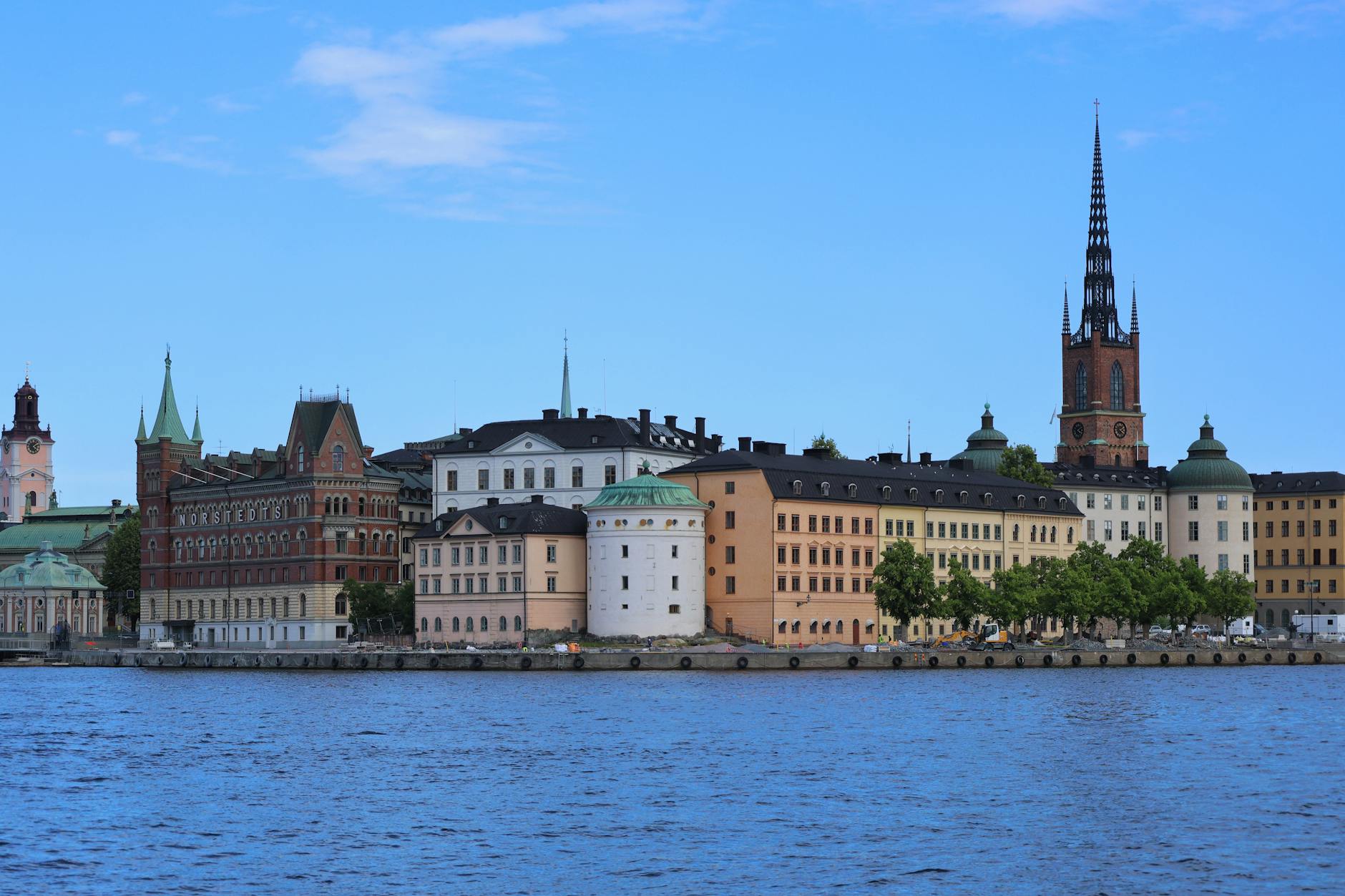
Start around Stortorget, the city’s oldest square, framed by tall merchants’ houses. the colorful façades of Stortorget are among Stockholm’s most photographed views, but early morning keeps the atmosphere far quieter.
The area rewards wandering without a fixed route. Look for iron signs above shop doors, hidden courtyards, the German Church spire, and cellar cafés tucked below street level.
Gamla Stan can feel busy by midday in summer. Step away from Västerlånggatan into side lanes such as Prästgatan or Österlånggatan for a more intimate look at the old town.
Vasa Museum
The Vasa Museum is Stockholm’s standout history museum, built around a 17th-century warship that sank on its maiden voyage in 1628. It was raised from the harbor in 1961 after 333 years underwater.
The scale is startling. the preserved wooden hull of the Vasa rises through the dim museum hall, carved with lions, warriors, and royal symbols that once projected Swedish power.
Exhibits explain why the ship capsized so quickly, how it was recovered, and what the objects on board reveal about life in the 1600s. The museum states that the ship is over 98 percent original.
Allow at least two hours. Travelers note that the upper viewing levels are worth the time, since each floor reveals new details in the rigging, stern carvings, and vast curved sides.
Royal Palace
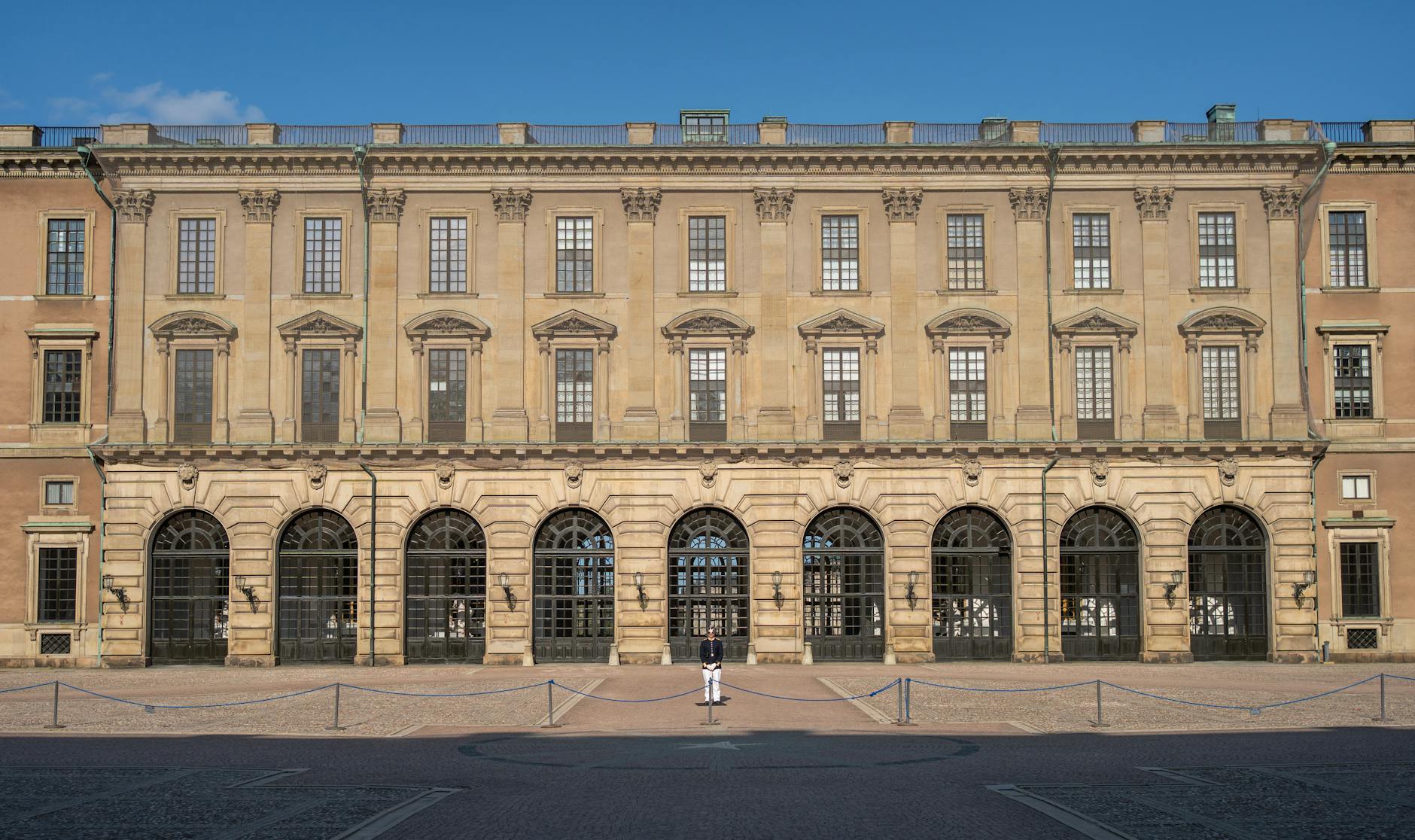
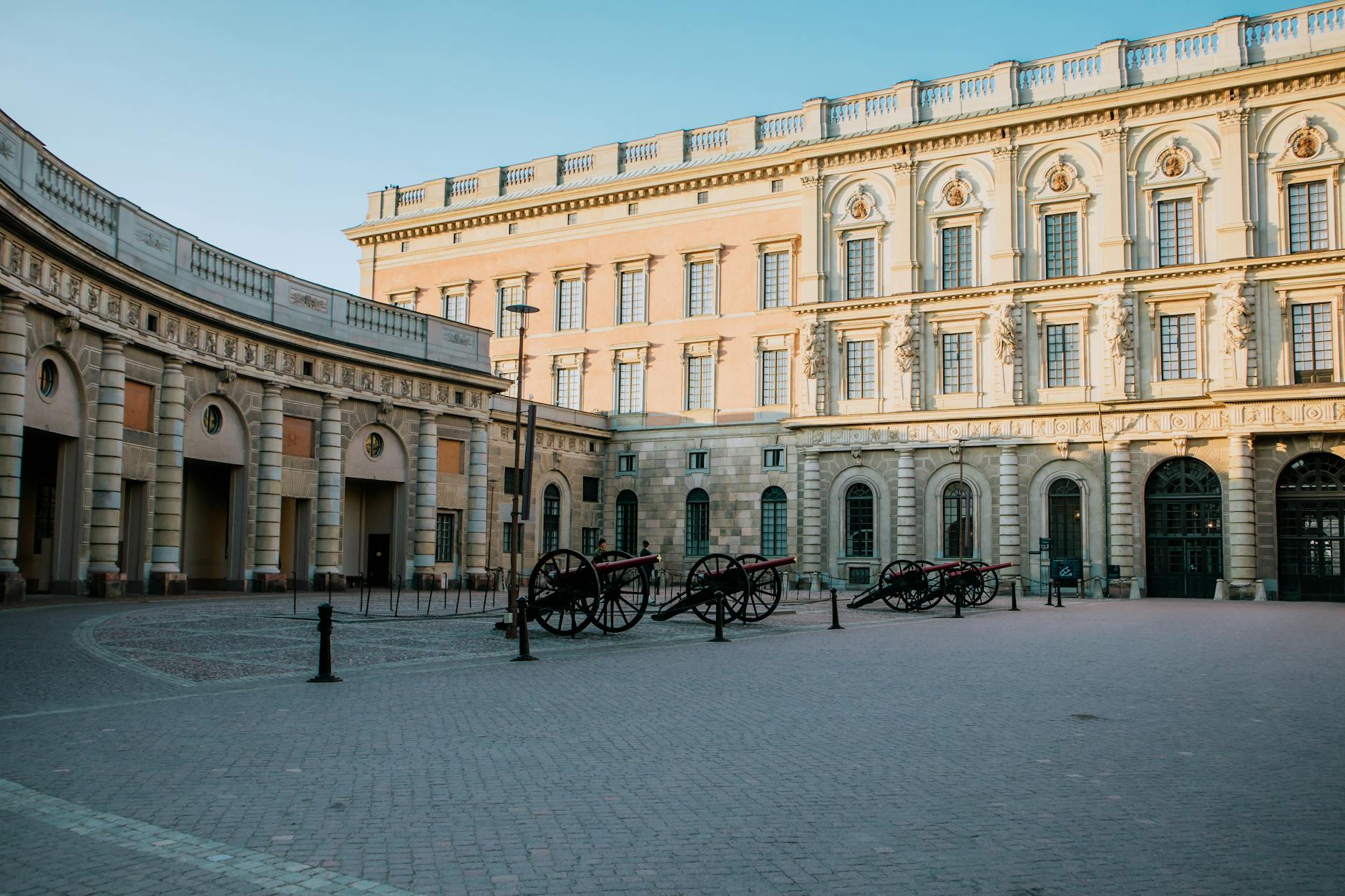
The Royal Palace stands at the edge of Gamla Stan, facing the water with measured Baroque authority. It remains one of Europe’s largest royal palaces, with more than 600 rooms.
Visitors can explore royal apartments, ceremonial halls, the Treasury, and the Tre Kronor Museum, which traces the earlier castle destroyed by fire in 1697. the palace complex in Stockholm gives real depth to Swedish monarchy.
The Changing of the Guard draws crowds, especially in summer. Times vary by season, so checking the daily schedule before arriving saves standing around in the wrong courtyard.
The palace is also practical for route planning. From here, travelers can continue into Gamla Stan, cross toward Norrmalm, or walk along the waterfront to ferries bound for Djurgården.
Djurgården
Djurgården is Stockholm’s green museum island, reached by tram, bus, ferry, or a scenic walk from Östermalm. It feels close to the center yet softer, with trees, lawns, and long waterfront paths.
The island hosts the Vasa Museum, ABBA The Museum, the open-air museum Skansen, and the Nordic Museum. the cultural heart of Djurgården suits families, design fans, history lovers, and travelers who like variety.
Skansen is especially good for understanding Swedish traditions, rural buildings, crafts, and Nordic animals. In summer, open-air concerts and seasonal events bring a festive feeling without overwhelming the island’s quieter edges.
Leave time to walk beyond the museum entrances. Paths curve past marinas, embassies, picnic lawns, and small cafés where cinnamon buns taste even better after fresh air.
Local guides often suggest taking the ferry to Djurgården at least once, not because it is faster, but because Stockholm makes the most sense from the water.
Food & local cuisine in Stockholm
Stockholm food is clean, seasonal, and more varied than many first-time visitors expect. Traditional Swedish plates sit beside New Nordic kitchens, global street food, seafood bars, and bakeries perfumed with butter and cardamom.
Try classic meatballs with lingonberries, pickled cucumber, and creamy potatoes, but do not stop there. the seafood traditions of Stockholm bring herring, gravlax, shrimp sandwiches, and fish soups shaped by the surrounding waters.
Fika is part snack, part social pause. A strong coffee with a kanelbulle, the Swedish cinnamon bun, feels simple, but the best bakeries treat dough, spice, and texture with serious care.
Food halls are useful for tasting widely without committing to a long meal. Östermalms Saluhall is the polished classic, while neighborhood markets and casual counters give access to daily Stockholm eating habits.
Vegetarian and vegan travelers are well served. Many cafés and lunch restaurants include plant-based dishes, often using mushrooms, root vegetables, grains, berries, and herbs in bright, restrained combinations.
Alcohol is expensive, and wine with dinner can raise the bill quickly. Lunch specials, known as dagens lunch, are better value and often include salad, bread, coffee, and water.
Getting to Stockholm and getting around
Stockholm is well connected to the rest of Europe, especially by air, rail, and ferry. Once in the city, public transport makes moving between islands straightforward.
The SL network covers metro, buses, trams, commuter trains, and some ferries. Contactless payment and travel cards make short stays easy, while walking remains the best way to understand the central districts.
Getting there
Stockholm Arlanda Airport is the main international gateway, about 40 kilometers north of the city center. The Arlanda Express train reaches Stockholm Central in around 18 minutes, making it the fastest airport transfer.
Airport coaches cost less and take longer, usually around 40 to 50 minutes depending on traffic. Taxis use fixed airport fares with many companies, so confirming the price before departure is wise.
Rail travelers arrive at Stockholm Central, a convenient base near Norrmalm and within walking distance of Gamla Stan. Ferries also link Stockholm with Baltic destinations, including Finland and Estonia.
Getting around
The metro, called Tunnelbana, is efficient and famous for station art. Around 90 of Stockholm’s 100 metro stations feature murals, sculptures, mosaics, or installations, turning routine journeys into short gallery visits.
Trams are useful for Djurgården, while ferries make scenic connections across the harbor. the public transport system in Stockholm is clean, frequent, and easy to navigate with station signs in clear Swedish and English-friendly layouts.
Walking works beautifully in the center, especially between Norrmalm, Gamla Stan, Skeppsholmen, and Östermalm. Bike lanes are common, but visitors should watch for fast local cyclists and tram tracks.
Budget & practical tips
Stockholm has a moderate-to-high cost profile, but a $$ budget is realistic with smart choices. The main expenses are accommodation, restaurant dinners, museum entries, and alcohol.
Book rooms early for summer, especially near Gamla Stan, Norrmalm, Södermalm, or Östermalm. Staying slightly outside the center can save money if the property sits near a metro station.
Cards are accepted almost everywhere, and many places are nearly cash-free. Still, travelers should keep a backup payment method, since small technical issues can become annoying during transit or meal times.
Pack layers even in summer. Stockholm can be warm in the sun, cool by the water, and breezy on ferries, especially during evening crossings.
How much to budget for Stockholm
For a moderate trip, plan around 1,400 to 2,200 SEK per person per day, excluding major shopping. This can cover a simple hotel or apartment share, public transport, meals, and one paid attraction.
A hostel or budget hotel lowers costs, while boutique hotels in central areas raise them sharply. Lunch deals help, and tap water is excellent, so buying bottled water is rarely needed.
Museum prices vary, but many major sights are paid. A transport pass can be good value for travelers using metro, tram, bus, and ferry several times per day.
Best time to visit: June to August
June to August is the best period for visiting Stockholm, with long daylight, outdoor dining, boat trips, and lively parks. Around midsummer, the city glows late, and evenings can feel wonderfully stretched.
July is warm and popular, though some local restaurants close briefly for holidays. August brings slightly calmer streets, comfortable temperatures, and good conditions for museum days mixed with archipelago excursions.
Book ahead during summer weekends and major events. For the best balance, plan popular museums early in the day, then save waterfront walks and ferries for the golden evening light.
Prague’s atmosphere changes dramatically when the day-trippers are gone.Frequently Asked Questions about Stockholm
Similar Destinations
Copenhagen
Copenhagen, Denmark's vibrant capital, pairs the candy-colored facades of Nyhavn with the magic of Tivoli…
DiscoverOslo
Oslo, Norway's dynamic capital, pairs raw Scandinavian landscapes with world-class culture: the Edvard Munch…
DiscoverLondon
London, United Kingdom, pulls visitors in with landmarks like Big Ben, the London Eye, and the British…
Discover