Copenhagen

Everything about Copenhagen
What if a single city combined Michelin-starred restaurants, centuries-old castles, and one of the world's most livable urban environments, all within cycling distance? Visiting Copenhagen means stepping into a place where design thinking shapes everything from bike lanes to pastry counters.
Denmark's capital sits across two main islands, Sjælland and Amager, connected by bridges and a metro system that actually runs on time. The city holds roughly 800,000 residents, yet it rarely feels overwhelming.
Locals cycle to work in the rain without complaint. Tourists quickly understand why Copenhagen consistently ranks among Europe's top destinations for quality of life and travel satisfaction.
Why Visit Copenhagen?
What Makes Copenhagen Unique
Few European capitals balance old and new as confidently as Copenhagen. The Danish concept of hygge, that untranslatable blend of coziness and conviviality, is not a marketing slogan here. It shapes how cafés are lit, how restaurants are designed, and how strangers interact.
Copenhagen also leads the world in sustainable urban planning. Over 62% of residents commute by bicycle daily, a statistic that surprises visitors who expect traffic jams and parking chaos.
The city's food scene punches far above its weight, with more Michelin stars per capita than almost any comparable European city.
Copenhagen at a Glance
The Danish capital covers around 88 square kilometers and packs an extraordinary density of cultural landmarks, green spaces, and waterfront neighborhoods into that area.
The historic center is compact and very walkable. Most major attractions sit within a 30-minute walk or a short metro ride from the central station.
English is spoken fluently by virtually everyone under 60. Navigation, dining, and logistics are genuinely straightforward, even for first-time visitors.
What to See and Do in Copenhagen?
Nyhavn
The brightly colored townhouses of Nyhavn line a 17th-century canal that cuts through the heart of the city. Photography here is almost too easy: vivid reds, yellows, and blues reflect off the water on sunny afternoons.
Originally a working harbor district, Nyhavn once had a rougher reputation. Today, its waterfront terrace fills with locals drinking cold Carlsberg and visitors eating smørrebrød in the afternoon sun.
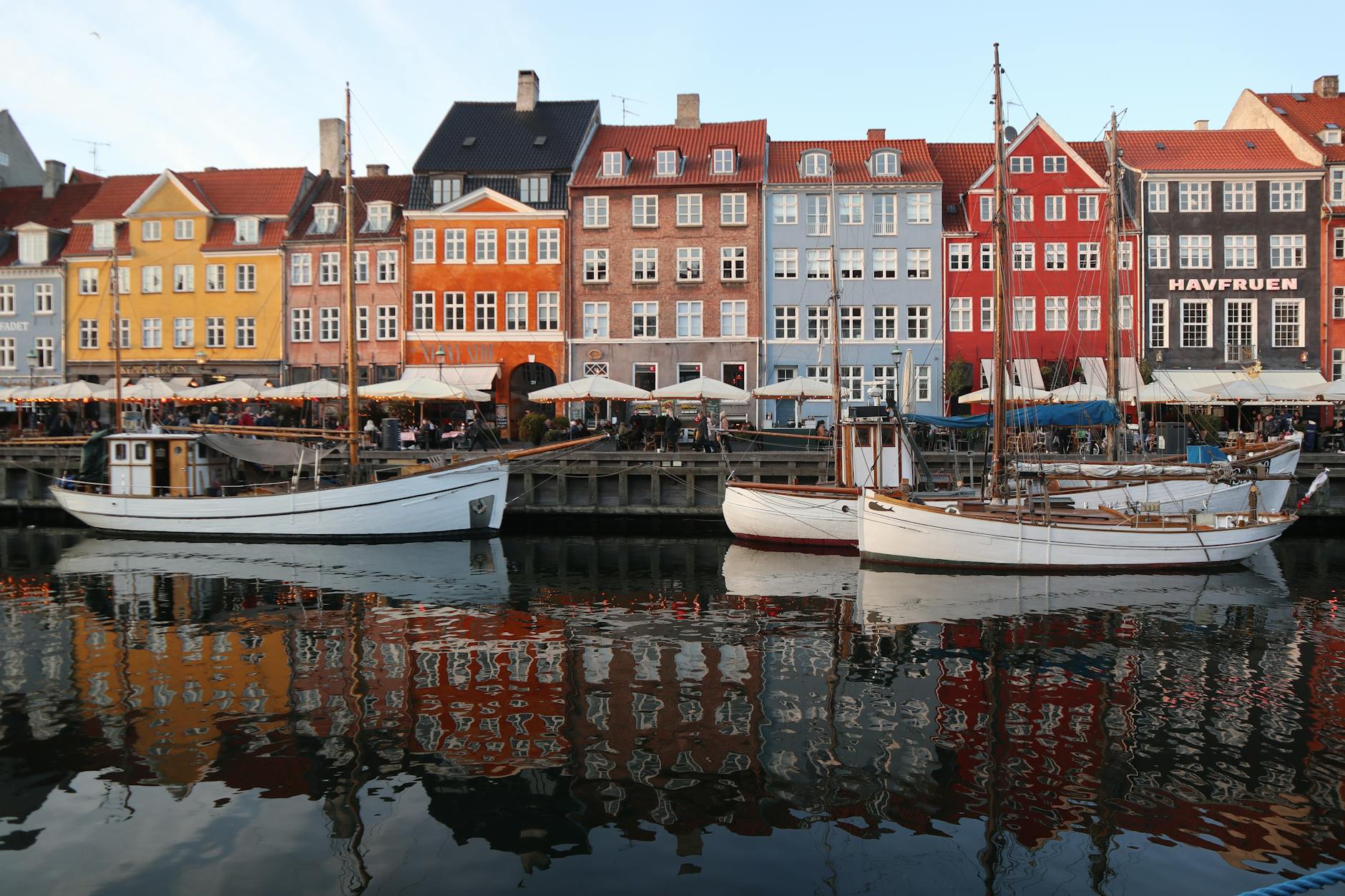
Hans Christian Andersen lived at number 20, 67, and later 18 at different points in his life. The canal-side at number 20 marks the address where he wrote some of his earliest fairy tales.
Arrive before 10am to appreciate the architecture without the crowds. Canal boat tours depart from here regularly and give a completely different perspective on the city's waterways.
Tivoli Gardens
Tivoli Gardens opened in 1843, making it one of the oldest amusement parks still operating anywhere in the world. Walt Disney reportedly visited before designing Disneyland, and the influence is visible in the whimsical layout.
The park sits directly across from Central Station, almost absurdly central for a destination of this scale. Inside, roller coasters share space with concert stages, Japanese-style pagodas, and genuinely good restaurants.
During summer evenings, the illuminated gardens of Tivoli transform into something magical. Lanterns, fountains, and open-air performances create an atmosphere that feels nothing like a typical theme park.
Visitor reviews consistently highlight the pantomime theater as a hidden gem. It runs free performances inside the park and dates back to Tivoli's founding era.
The Little Mermaid
The Little Mermaid statue sits on a small rock at the edge of the Langelinie promenade, and yes, it is smaller than most visitors expect. At just 1.25 meters tall, she has been called the world's most over-hyped tourist attraction, and also one of its most beloved.
Sculptor Edvard Eriksen created her in 1913, commissioned by brewer Carl Jacobsen after he saw a ballet based on Hans Christian Andersen's fairy tale. The bronze figure has since been vandalized, decapitated, and even blown off her rock, yet she keeps returning.
The surrounding Langelinie area is worth the walk regardless. The Kastellet fortress nearby is one of the best-preserved star-shaped citadels in Northern Europe and almost always quieter than the mermaid herself.
Rosenborg Castle
Rosenborg Castle rises from the middle of the King's Garden like a Renaissance fever dream, all dark spires and red brick, surrounded by manicured lawns where Copenhageners come to sunbathe and eat lunch.
Built by Christian IV in the early 17th century, it served as the royal summer residence for generations of Danish kings. Today it houses the Danish Crown Jewels, displayed in a basement vault that visitors can actually walk through.
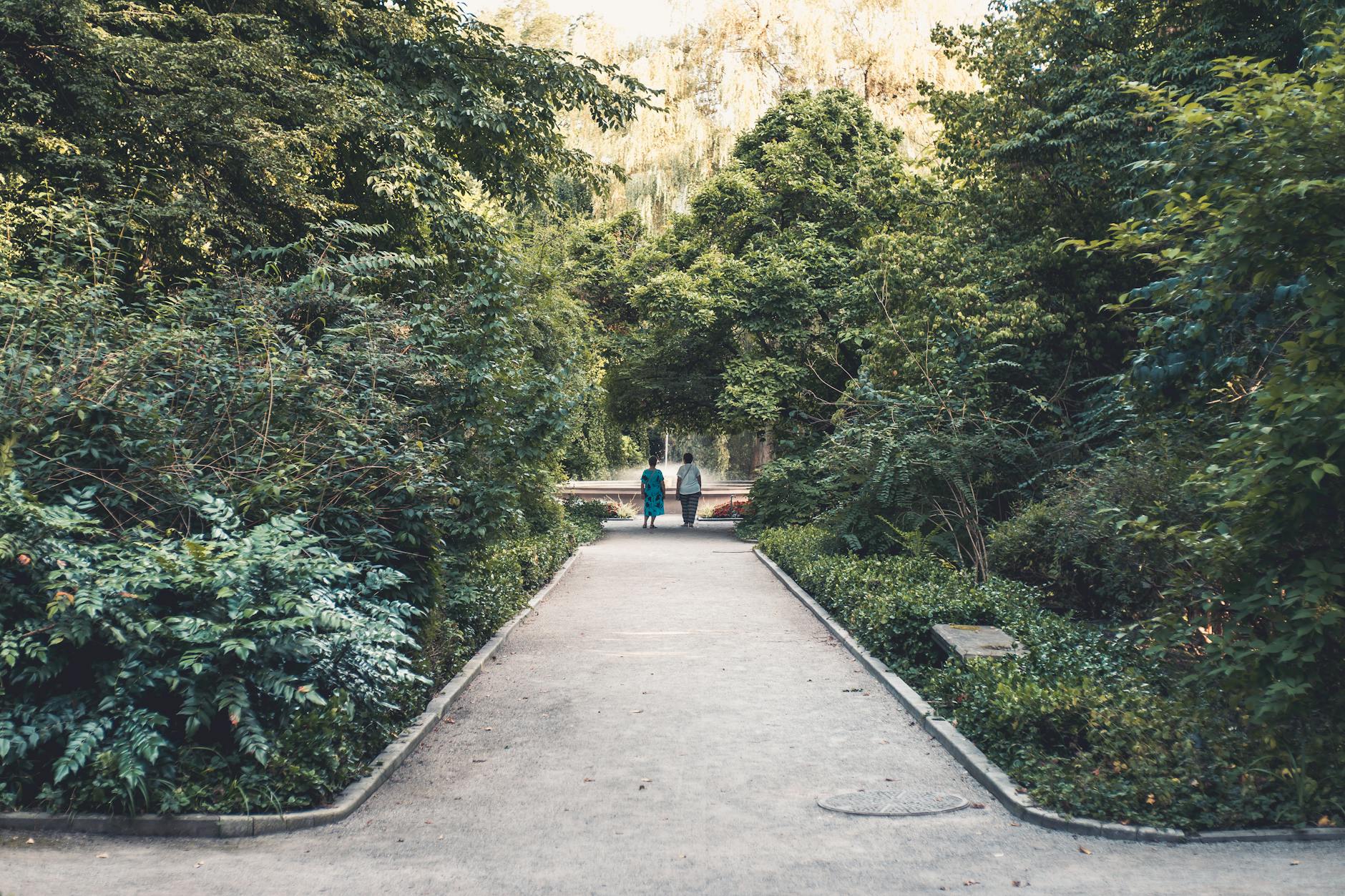
The castle's interior is dense with original furnishings, tapestries, and royal portraits spanning four centuries. Local guides recommend spending at least 90 minutes inside to do it justice.
The King's Garden surrounding the castle is free to enter and one of the most pleasant green spaces in the city. Puppet shows run here on summer weekends, attracting families from across Copenhagen.
Food and Local Cuisine in Copenhagen
Copenhagen has fundamentally changed how the world thinks about Nordic food. The New Nordic movement, pioneered here in the early 2000s, brought foraged ingredients, fermentation, and hyper-seasonal menus into global conversation.
Noma, frequently ranked the world's best restaurant, put Copenhagen on the culinary map. But the city's food culture runs far deeper than any single address.
Smørrebrød, the open-faced rye bread sandwich, is the everyday staple that visitors should try first. Topped with pickled herring, roast beef, or egg and shrimp, it is deceptively simple and genuinely satisfying.
Torvehallerne, the covered food market near Nørreport station, brings together artisan cheese, fresh pastries, and street food vendors under one glass roof. It gets busy at lunch but rewards patience.
Danish pastries, known locally as wienerbrød, are a serious matter here. The version sold at airport cafés worldwide bears little resemblance to what a good Copenhagen bakery produces before 9am.
Budget-conscious visitors can eat extremely well at lunch. Many high-end restaurants serve abbreviated versions of their dinner menus at midday, at roughly half the evening price.
Getting to Copenhagen and Getting Around
Getting There
Copenhagen Airport (Kastrup) is one of Northern Europe's busiest hubs, with direct flights connecting to over 170 destinations worldwide. It sits just 8 kilometers from the city center, an almost unfairly convenient location.
The Metro line 2 runs directly from the airport to the city center in approximately 15 minutes, with trains departing every 4 to 6 minutes during peak hours. No bus transfers or confusing interchanges required.
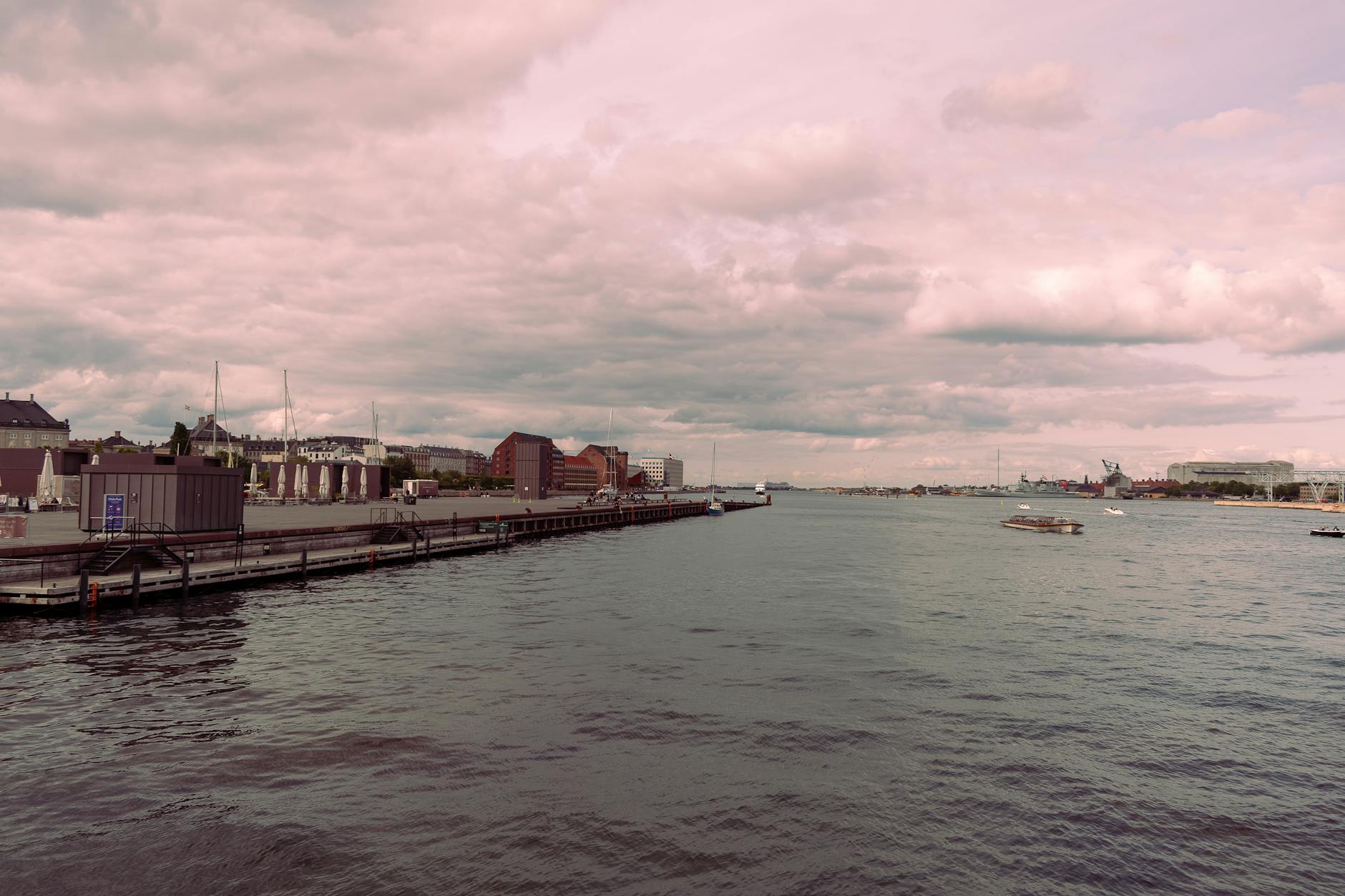
Travelers arriving by train from Germany or Sweden use the Øresund Bridge connection, a dramatic crossing that links Copenhagen with Malmö and feels cinematic on clear days.
Getting Around
Cycling is the single best way to experience Copenhagen at street level. City bikes through the Donkey Republic app are available across hundreds of docking points, and the city's flat terrain makes even long distances manageable.
The Metro runs 24 hours a day, every day, which is genuinely rare among European capitals. Four lines now cover most neighborhoods visitors want to reach.
Taxis exist but are expensive by any measure. Walking between Nyhavn, Rosenborg, and Tivoli takes under 25 minutes and passes through neighborhoods worth exploring at a slower pace.
Budget and Practical Tips
How Much to Budget for Copenhagen
Copenhagen belongs firmly in the premium tier of European travel. A mid-range hotel near the city center typically costs between €180 and €280 per night during summer, with design boutique properties pushing considerably higher.
Meals follow the same pattern. A sit-down lunch at a good restaurant runs €25 to €40 per person. Dinner at a quality spot, with wine, rarely comes in under €70.
The Copenhagen Card covers unlimited public transport and free entry to over 80 museums and attractions. For visitors planning multiple days of sightseeing, it pays for itself quickly.
Supermarkets like Netto and Irma sell excellent Danish products at reasonable prices. Picnicking in the King's Garden or along the lakes costs nothing and is entirely in keeping with how locals actually live.
Best Time to Visit: May to August
The months between May and August bring long daylight hours, warm temperatures averaging 18 to 22 degrees Celsius, and a city that fully opens itself to outdoor life.
June and July see the longest days, with sunset approaching 10pm. Outdoor concerts, harbor swimming, and rooftop bars become the default social infrastructure of the city.
May is particularly appealing: the crowds of peak July have not yet arrived, prices sit slightly lower, and the city's parks and gardens bloom with a freshness that summer heat eventually dulls.
Shoulder season visits in April or September reward travelers with fewer tourists and a more local atmosphere, though some outdoor venues close or reduce hours outside the main summer window.
Frequently Asked Questions about Copenhagen
Similar Destinations
London
London, United Kingdom, pulls visitors in with landmarks like Big Ben, the London Eye, and the British…
DiscoverDublin
Dublin, Ireland pulls travelers in with centuries of history layered across cobblestone streets, from the…
DiscoverStockholm
Stockholm, Sweden's capital spread across 14 islands, rewards visitors with medieval cobblestones in Gamla…
Discover