Explore United Kingdom
1 destination to discover
Everything about United Kingdom
Traveling to United Kingdom means stepping into one of the world's most layered destinations — ancient castles standing beside modern skylines, highland moors fading into seaside cliffs.
Few countries pack so much variety into such a compact geography: four distinct nations, centuries of history, and a cultural energy that shifts dramatically from one postcode to the next.
From the Georgian terraces of Bath to the buzzing markets of Birmingham, visiting United Kingdom rewards curiosity at every turn.
Why Travel to United Kingdom?
What Sets United Kingdom Apart from Other Destinations
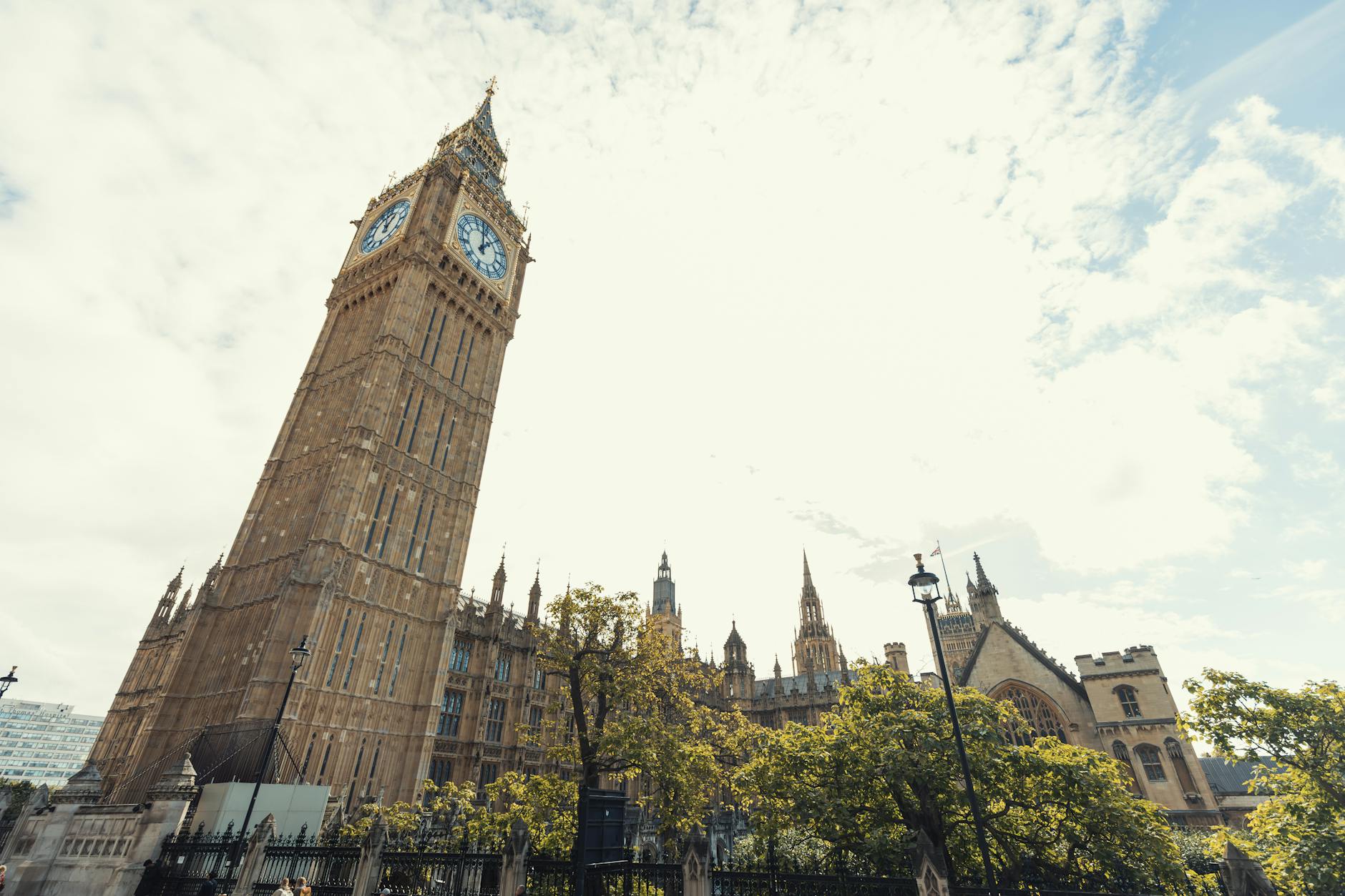
The United Kingdom carries a rare duality — the weight of empire and the lightness of reinvention. Nowhere else do you find Tudor manor houses minutes from cutting-edge street art districts.
The country spans roughly 242,000 square kilometers and holds over 67 million people, yet it feels intimate. Local character changes county by county, almost block by block.
That density of contrast — cultural, architectural, natural — is what keeps travelers returning year after year.
United Kingdom at a Glance
The UK comprises four nations: England, Scotland, Wales, and Northern Ireland, each with its own identity, landscapes, and even language.
The currency is the British pound sterling (GBP). English is the dominant language, though Welsh, Scottish Gaelic, and Irish are spoken in their respective regions.
The country runs on Greenwich Mean Time (GMT), shifting to BST in summer. Electrical sockets use the distinctive three-pin plug, type G.
Regions and Cities to Explore
The Main Regions of United Kingdom
England's southwest is defined by wild coastlines, moorland, and the medieval charm of cities like Bath and Bristol. The region moves at a slower pace — cider orchards, stone villages, dramatic sea cliffs.
The Midlands pulses with industrial heritage transformed into creative energy. Birmingham, the UK's second-largest city, anchors a region that shaped the Industrial Revolution and now leads in food and contemporary arts.
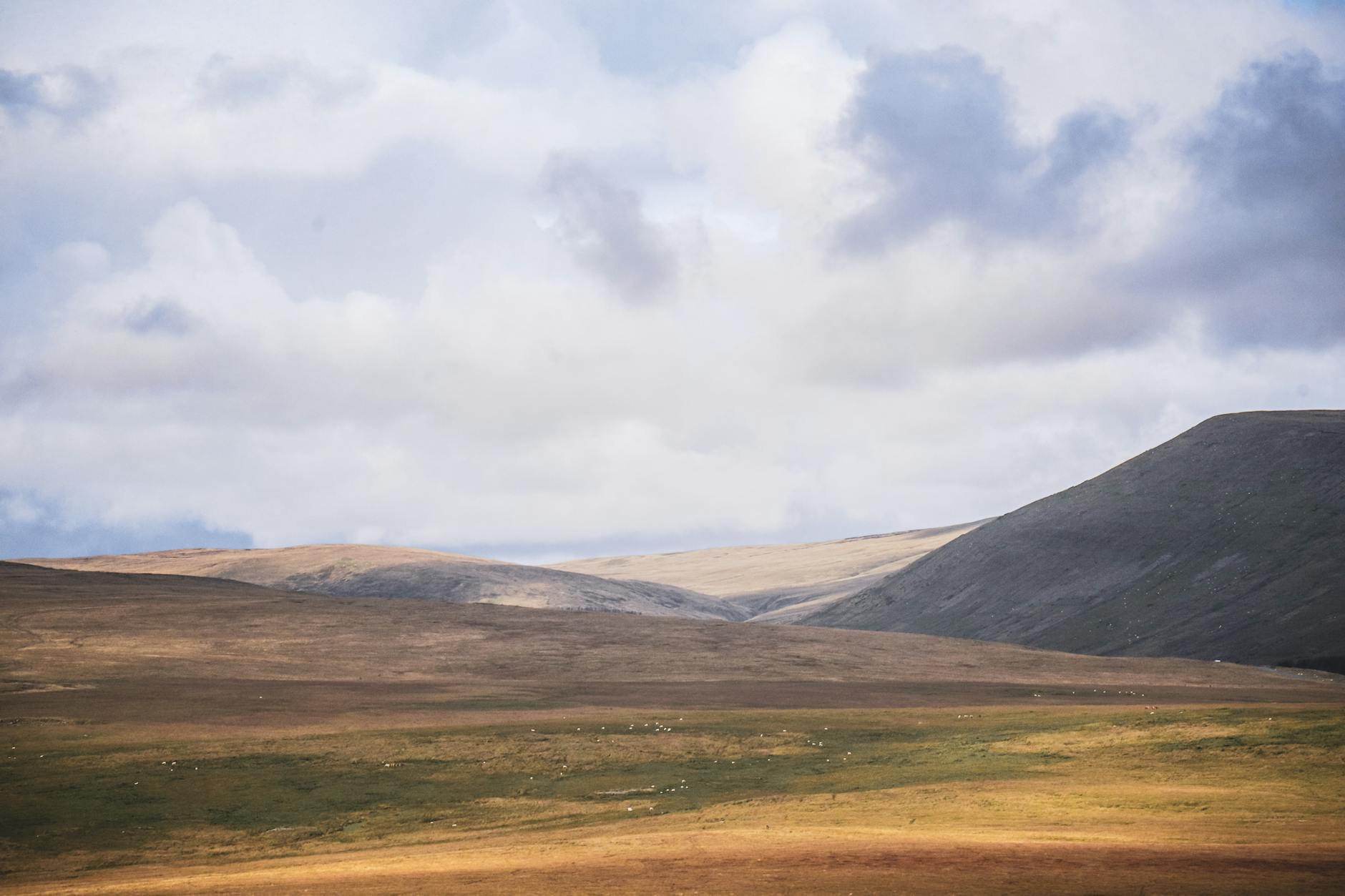
Scotland stretches north into some of Europe's most dramatic wilderness — the Cairngorms, Loch Ness, the Isle of Skye. The Scottish Highlands remain one of the continent's last genuinely remote landscapes.
Wales punches well above its size with Snowdonia, the Brecon Beacons, and a living Celtic language heard in everyday conversation. Northern Ireland's Causeway Coast combines geological wonder with a fascinating recent history.
Which Cities Should You Visit?
Bath is a UNESCO World Heritage Site built almost entirely in honey-colored limestone. The Roman Baths and the Royal Crescent are genuinely spectacular — not just tourist clichés.
Brighton brings coastal energy to the south coast — the Brighton Lanes, independent boutiques, and a pier that has stood since 1899. It has a laid-back, progressive spirit unlike anywhere else in England.
Cambridge revolves around its university, one of the world's oldest, but the city extends well beyond academia. Punting along the Backs on a summer afternoon remains one of England's most memorable experiences.
Canterbury anchors the heritage of English Christianity — its cathedral has drawn pilgrims since the 12th century. Bristol blends maritime history with one of the UK's most vibrant music and arts scenes. Birmingham's Balti Triangle and Jewellery Quarter add further depth.
Culture, Traditions and Way of Life
British culture resists easy summary. The famous reserve and dry wit coexist with genuine warmth once you move past the first interaction — local guides consistently note that the pub is the real social institution, not the living room.
Queuing is not a joke — it is a deeply held social contract. Patience and politeness open more doors here than anywhere in Europe.
Traditions run deep but wear them lightly. Bonfire Night on November 5th, Morris dancing on village greens, and the elaborate pageantry of royal events all coexist with one of the world's most dynamic contemporary art scenes.
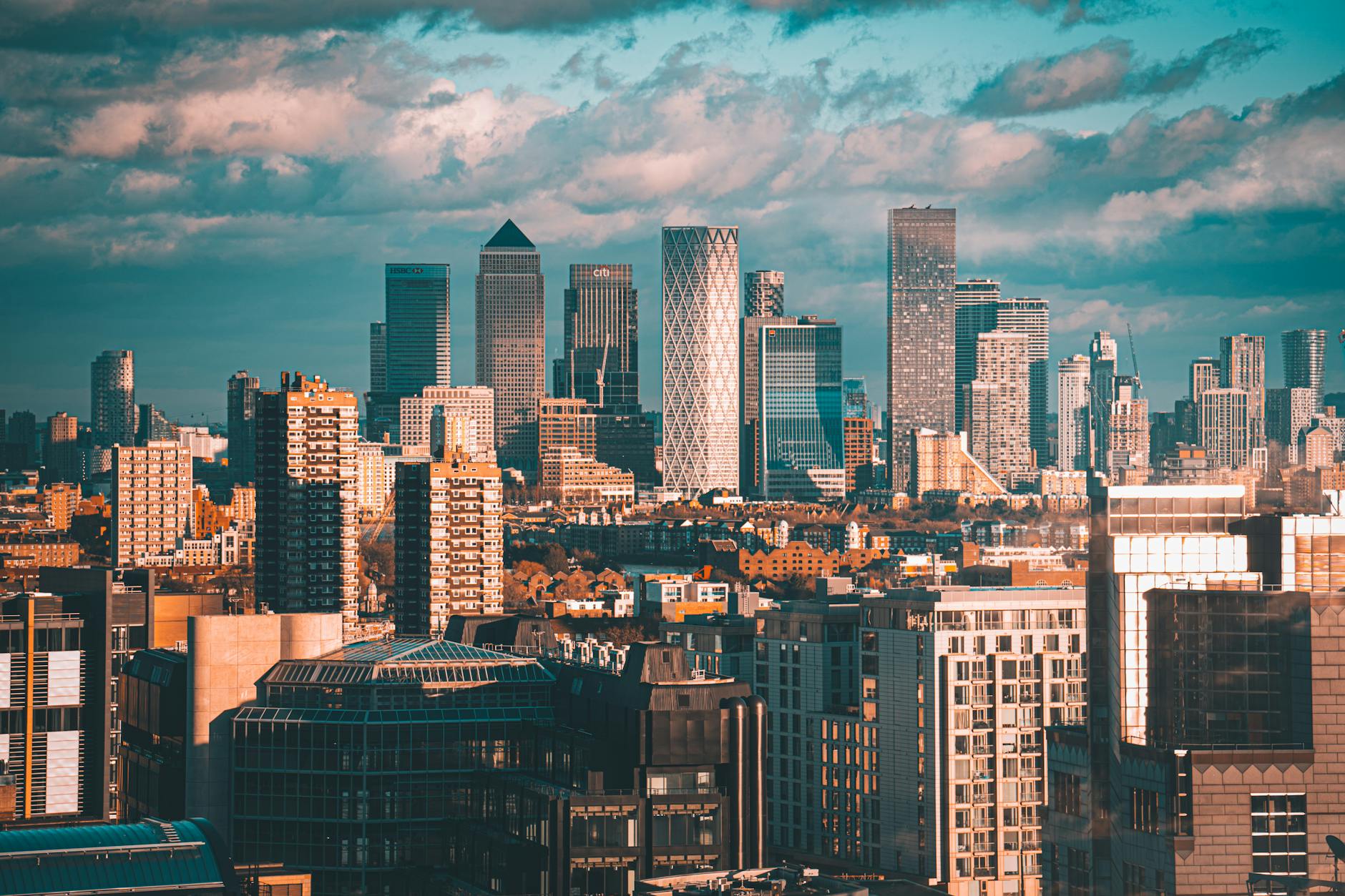
The Tate Modern, the Barbican, the Brighton Festival — the UK's cultural infrastructure is extraordinary by any global standard. Admission to major national museums is free, which changes how you move through a city entirely.
Football (never "soccer") shapes the social calendar more than any church or government. Match days in cities like Birmingham or Bristol transform neighborhoods completely — worth experiencing even for those indifferent to the sport.
Food: The Flavors of United Kingdom
British food has shed its unfair reputation. The modern UK food scene ranks among Europe's most exciting, driven by immigration, regional pride, and serious culinary talent.
A full English breakfast — eggs, back bacon, sausages, baked beans, black pudding, grilled tomato — remains a cultural institution, best eaten in a no-frills café rather than a hotel dining room.
Birmingham's Balti Triangle produces some of the world's finest South Asian cooking. The balti dish itself was developed here in the 1970s and cannot be replicated elsewhere — visitor reviews confirm this consistently.
Cornwall and Devon wage a friendly war over the correct order for cream and jam on a scone. Either way, a proper cream tea with clotted cream is non-negotiable.
Fish and chips near Brighton's seafront, Bath's independent restaurants, Bristol's vegan scene — regional food identity is alive and worth chasing deliberately. Expect to spend £12–£20 for a solid sit-down meal outside London.
Practical Information
Visa and Entry Requirements
Since Brexit, EU and EEA citizens no longer have automatic right of residence but can visit visa-free for up to six months. US, Canadian, and Australian passport holders also enter without a visa for short stays.
From 2025, the UK ETA (Electronic Travel Authorisation) applies to most visa-exempt nationalities. It costs £10 and must be secured before travel — apply through the official UK government website well in advance.
Always check the latest requirements directly with the UK Visas and Immigration service, as post-Brexit rules continue to evolve.
Budget and Cost of Living
The UK sits in the mid-to-high range for European travel costs. London skews all averages upward significantly — cities like Bristol, Bath, or Birmingham are noticeably more affordable.
Budget travelers can manage on £60–£80 per day outside London, covering a hostel bed, meals, and transport. Mid-range travel runs £120–£180 per day with a hotel and restaurant dining.
Free national museum admission in cities like London and Birmingham meaningfully reduces daily costs for culture-focused travelers.
Getting Around
The National Rail network connects major cities efficiently, though tickets booked last-minute are expensive. Advance booking can reduce prices by 50% or more.
National Express and Megabus cover intercity routes at lower prices — slower, but budget-friendly. In cities, local buses and trams are reliable. Driving opens up the countryside but requires adjusting to left-hand traffic.
When to Visit United Kingdom?
Late spring and early autumn hit the sweet spot — specifically May to June and September to October. Crowds are thinner, prices drop slightly, and the light has a quality that photographers obsess over.
Summer (July–August) brings the best weather statistics, but also peak tourist numbers and elevated hotel rates. Canterbury and Bath become genuinely crowded — book accommodation months ahead.
Winter in the UK is underrated. Christmas markets in Birmingham and Bath rank among Europe's finest, and the dramatic landscapes of Scotland and Wales take on a stark, cinematic atmosphere from November onwards.
Rainfall is a year-round reality — a compact waterproof jacket belongs in every bag regardless of season. The west coast receives far more rain than the east; plan accordingly if hiking in Wales or Scotland.
Local guides recommend mid-September in the Cotswolds as close to perfect: golden light, quiet lanes, and accommodation that's still fully open without midsummer pricing.
Frequently Asked Questions about United Kingdom
Similar Destinations
Explore more destinations in the same region of the world.
Copenhagen
Copenhagen, Denmark's vibrant capital, pairs the candy-colored facades of Nyhavn with the magic of Tivoli…
DiscoverStockholm
Stockholm, Sweden's capital spread across 14 islands, rewards visitors with medieval cobblestones in Gamla…
DiscoverDublin
Dublin, Ireland pulls travelers in with centuries of history layered across cobblestone streets, from the…
Discover