Explore United Arab Emirates
1 destination to discover
Everything about United Arab Emirates
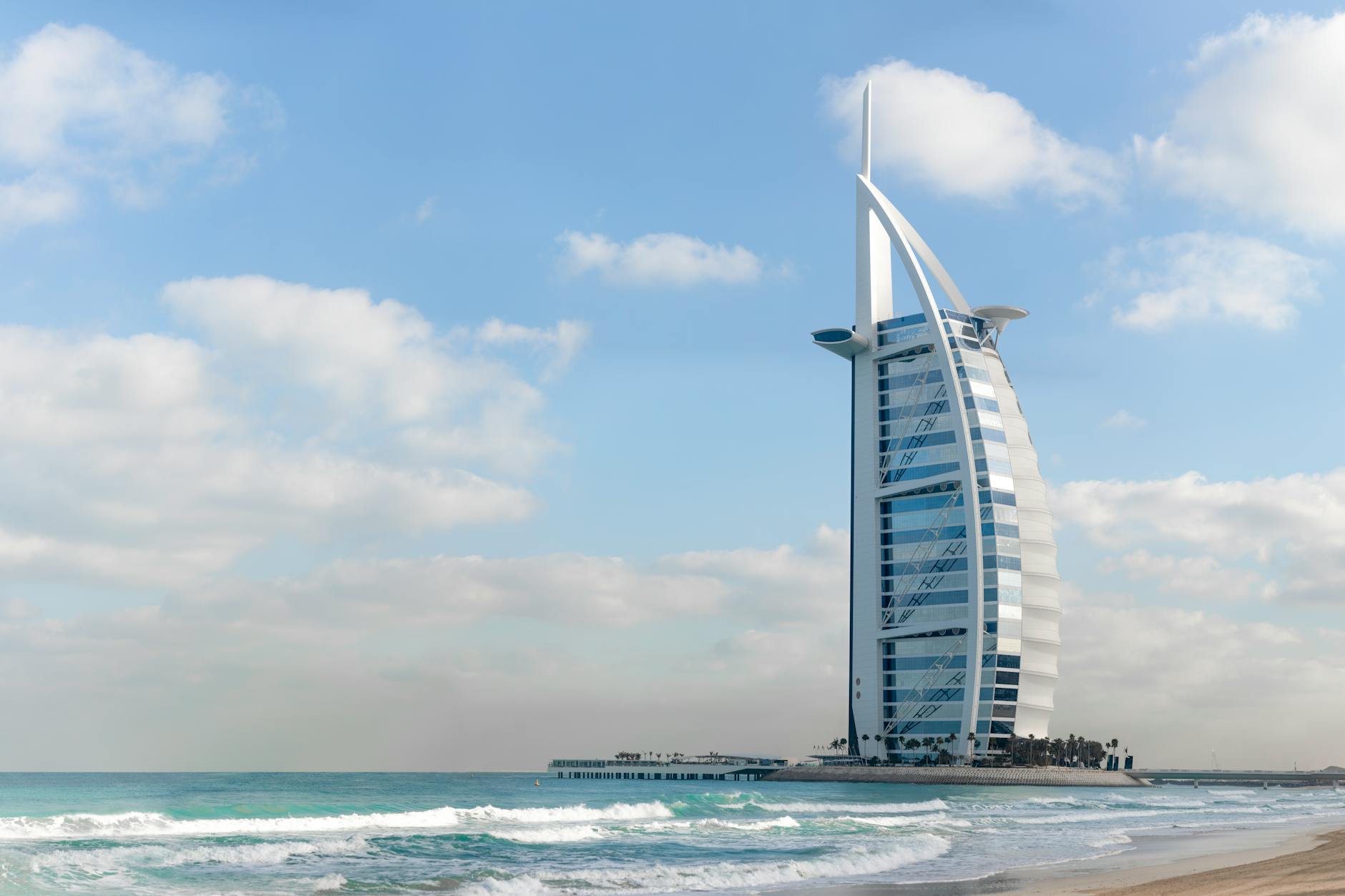
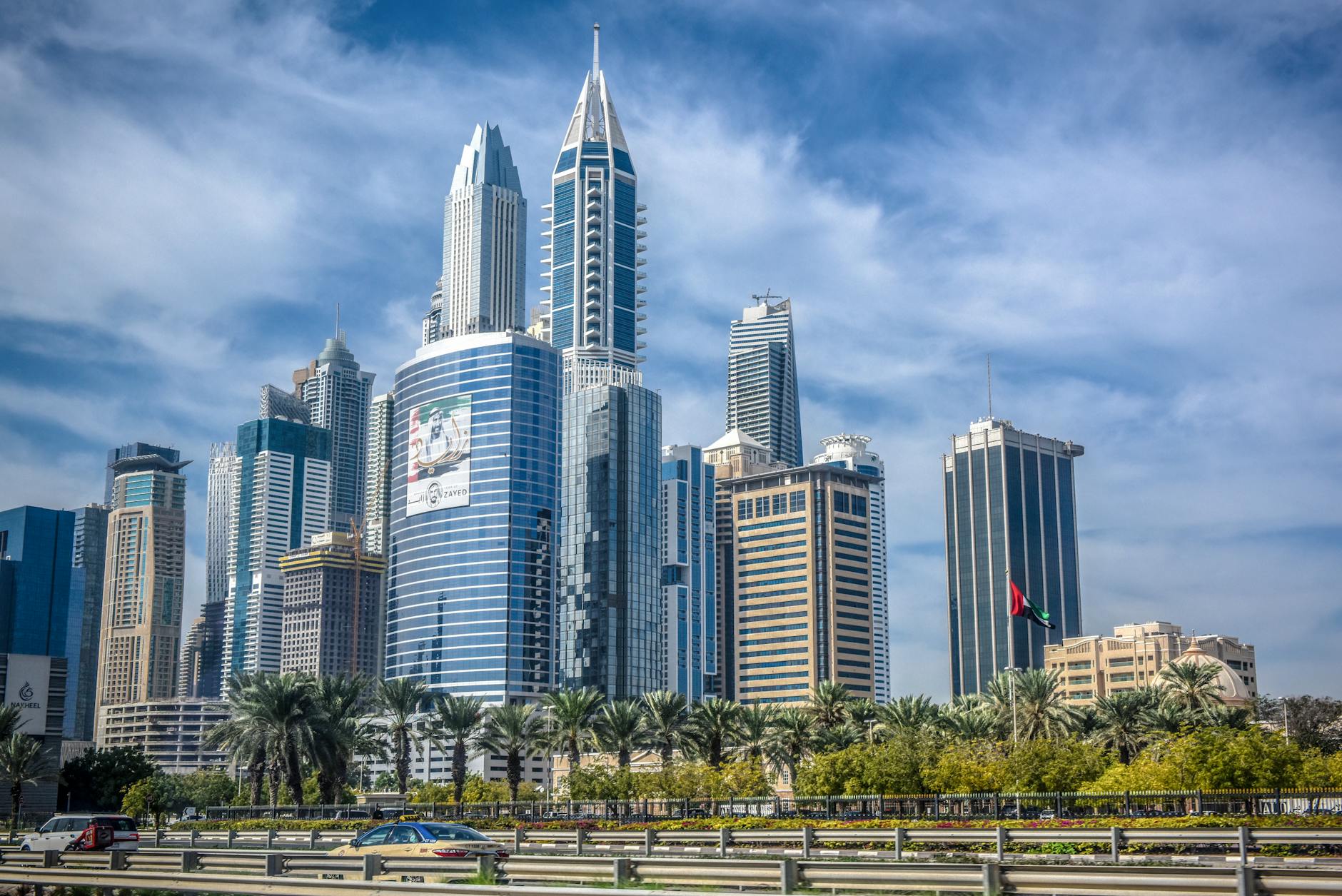
Traveling to United Arab Emirates means stepping into one of the world's most dramatic contrasts — ancient desert landscapes pressed against glass towers that pierce the sky.
Seven emirates, each with its own personality, make up a country that has transformed itself from pearl-diving settlements into a global crossroads in barely two generations.
Few destinations pack this much variety into roughly 83,600 square kilometers: dunes, souks, futuristic skylines, and coral reefs, all within a few hours' drive of each other.
Why travel to United Arab Emirates?
What sets United Arab Emirates apart from other destinations
The UAE sits at the intersection of ambition and tradition in a way no other Gulf country quite manages.
Visitors move between a 14th-century fort and a record-breaking skyscraper in the same afternoon. The contrast between Emirati heritage and hyper-modern infrastructure feels genuinely thrilling rather than artificial.
With a population of around 9.9 million — over 85% expatriates — the country is one of the world's most multicultural societies. That diversity shapes everything from the food scene to the street-level energy.
United Arab Emirates at a glance
The UAE covers about 83,600 km² across seven emirates: Abu Dhabi, Dubai, Sharjah, Ajman, Umm Al-Quwain, Ras Al Khaimah, and Fujairah.
The official language is Arabic, but English is widely spoken in cities. The currency is the Emirati Dirham (AED), pegged to the US dollar at roughly 3.67 AED per dollar.
The country runs on a Friday–Saturday weekend, though international businesses increasingly follow a Monday–Friday schedule. Islam is the state religion, and its rhythms visibly shape daily life.
Regions and cities to explore
The main regions of United Arab Emirates
The emirate of Abu Dhabi covers nearly 87% of the UAE's total land area, stretching south into the vast Rub' al Khali desert.
Its western region, Al Gharbia, holds the extraordinary Liwa Oasis — where dunes reach 300 meters high — and the untouched coastline of Sir Bani Yas Island.
The northern emirates — Sharjah, Ras Al Khaimah, Fujairah, Ajman, and Umm Al-Quwain — feel far quieter than their famous neighbors. Sharjah is a UNESCO World Book Capital; Fujairah faces the Indian Ocean with dramatic Hajar Mountain scenery.
Ras Al Khaimah draws hikers to Jebel Jais, the UAE's highest peak at 1,934 meters. These regions reward travelers who venture beyond the headline cities.
Which cities should you visit?
Dubai needs little introduction — 3.5 million residents, the world's tallest building, and one of the planet's busiest airports. Yet beyond the Burj Khalifa, the city's Al Fahidi Historical Neighbourhood and its working creek reveal something older and quieter.
Abu Dhabi, the capital, carries more political weight and arguably more cultural depth. The Sheikh Zayed Grand Mosque — with its 82 domes and space for 40,000 worshippers — ranks among the most stunning religious buildings anywhere.
Sharjah sits just 15 kilometers from Dubai but feels like a different world. Its Heritage Area clusters museums, restored coral-stone buildings, and traditional wind towers around a central plaza.
Travelers short on time should prioritize Dubai and Abu Dhabi, then add one northern emirate — preferably Fujairah or Ras Al Khaimah — for scenery that genuinely surprises.
Culture, traditions and way of life
Emirati culture runs deep beneath the polished surfaces. The concept of hospitality, known as diyafa, is not a courtesy — it is a point of pride that shapes every interaction with locals.
Expect to be offered dates and Arabic coffee (gahwa) in traditional settings. Refusing multiple times is considered impolite.
The UAE is a Muslim country, and that shapes public behavior. During Ramadan, eating, drinking, and smoking in public during daylight hours is prohibited for everyone, not just Muslims.
Dress codes matter outside resort areas and malls. Shoulders and knees should be covered when visiting mosques, souks, and government buildings.
Falconry holds near-sacred status in Emirati culture — recognized by UNESCO as an Intangible Cultural Heritage. The Al Dhafra Camel Festival, held annually near Madinat Zayed, draws tens of thousands of visitors and represents a living slice of desert tradition.
Despite rapid modernization, Emiratis maintain a strong sense of national identity. Local guides consistently recommend engaging respectfully with that identity rather than treating it as a backdrop to luxury tourism.
Food: the flavors of United Arab Emirates
Emirati cuisine is spiced with cardamom, saffron, and dried limes — flavors that tell a story of trade routes stretching to Persia, India, and East Africa.
Harees — slow-cooked wheat and meat pounded to a porridge — is comfort food at its most elemental. Machboos, a spiced rice dish with lamb or chicken, appears at every family table.
Grilled fresh fish, particularly hammour, remains a staple along the coast. The fish markets in Deira and Abu Dhabi's Mina district are worth visiting at dawn to see the catch come in.
Street food reflects the country's multicultural makeup. Shawarma wraps, South Asian biryani, and Iranian flatbreads all sit within a short walk of each other in most neighborhoods.
Visitor reviews consistently highlight the gap between tourist-area restaurants and the authentic spots found in older districts. A meal at a Pakistani or Emirati family restaurant in Deira costs under 30 AED — roughly 8 USD.
Non-alcoholic drinks dominate daily life. Fresh mango juice, laban (a salty yogurt drink), and karak chai — a sweet, spiced tea — are the real beverages of the UAE.
Practical information
Visa and entry requirements
Citizens of around 50 countries — including the US, UK, EU members, Australia, and Japan — receive a free visa on arrival valid for 30 days, extendable once.
Most other nationalities must apply for an e-visa through the UAE's official ICA portal before travel. Processing typically takes 48–72 hours and costs around 100–300 AED depending on duration.
Passport validity of at least six months from entry is required. Travelers should check the most recent requirements with their country's UAE embassy, as policies update frequently.
Budget and cost of living
The UAE has a reputation for luxury, but budget travel is entirely possible. Hostel dorms in Dubai start around 60–80 AED per night; mid-range hotels run 400–900 AED.
Local restaurants and food courts keep meal costs low — under 40 AED for a filling lunch. Taxis are metered and affordable; a cross-city ride rarely exceeds 50 AED.
Alcohol is expensive by design — a beer in a licensed venue typically costs 40–60 AED. Budgeting around 350–500 AED per day covers accommodation, meals, and transport comfortably for a mid-range traveler.
Getting around
Dubai's metro system is clean, efficient, and air-conditioned — a genuine relief in summer heat. The Red and Green lines cover most major attractions and cost between 2 and 10 AED per trip.
Between emirates, intercity buses run from Dubai's Union Square and Abu Dhabi's main bus station. Renting a car unlocks the northern emirates and desert routes that public transport simply doesn't reach.
When to visit United Arab Emirates?
November through March is the sweet spot — temperatures range from 18°C to 28°C, the sun is reliable without being brutal, and outdoor activities become genuinely enjoyable.
December and January see the highest hotel prices and the largest crowds. Booking accommodations at least two months in advance during this window is strongly advised.
April and October sit in the shoulder season — warm but manageable, with better hotel rates and thinner crowds at major attractions.
Summer (June–August) brings temperatures that regularly exceed 45°C with humidity near the coast. Outdoor time becomes impractical between 10 a.m. and 6 p.m.
That said, summer has its own appeal: hotels discount rates by 40–60%, indoor attractions are quieter, and malls host enormous shopping festivals. The Dubai Summer Surprises festival runs through July and August with events and promotions across the city.
Visiting during Ramadan — which shifts annually with the lunar calendar — changes the rhythm significantly. Nights become festive and social; iftar tables at sunset are among the most generous meals in the country.
Frequently Asked Questions about United Arab Emirates
Similar Destinations
Explore more destinations in the same region of the world.
Istanbul
Istanbul, Turkey's legendary crossroads of Europe and Asia, draws travelers to iconic landmarks like Hagia…
DiscoverJeddah
Jeddah, Saudi Arabia's gateway to the Red Sea, pairs UNESCO-listed coral houses in Al-Balad with the world's…
DiscoverMedina
In Medina, Saudi Arabia, lantern-lit courtyards lead to the Prophet's Mosque (Al-Masjid an-Nabawi) and the…
Discover