Jeddah

Everything about Jeddah
What if one city contained both the ancient Islamic world and one of the most modern skylines on the Arabian Peninsula? Visiting Jeddah means standing at exactly that crossroads, where coral-stone houses crumble beautifully beside gleaming glass towers.
This port city on the Red Sea is Saudi Arabia's commercial capital and its most cosmopolitan gateway. Travelers from across the world pass through here, yet many underestimate how much Jeddah rewards those who slow down and explore.
The food alone justifies the trip. The architecture seals the deal. Here is everything you need to know before you go.
Why visit Jeddah?
What makes Jeddah unique
Jeddah has never been a city that fits neatly into one category. It sits at the edge of the Red Sea with centuries of trade history written into its streets, yet it moves fast and looks forward.
The old district of Al-Balad is a UNESCO World Heritage Site unlike any other in the Arab world. Coral-block houses with carved wooden balconies have stood here since the 7th century, absorbing the sea air and the stories of merchants, pilgrims, and fishermen.
Jeddah at a glance
Jeddah is home to roughly 4.7 million people, making it the second-largest city in Saudi Arabia. It serves as the main entry point for pilgrims traveling to Mecca, just 80 kilometers to the east.
The climate is hot and humid for most of the year, but the cooler winter months transform the city into a genuinely pleasant destination. The Red Sea coastline stretches along the entire western edge, giving the city a breezy, open feel that sets it apart from inland Saudi cities.
What to see and do in Jeddah?
Al-Balad (UNESCO old town, coral houses)
Al-Balad, the historic heart of Jeddah, earned its UNESCO inscription in 2014 for its extraordinary concentration of traditional architecture. The neighborhood dates back over 1,300 years and once served as a stopping point for pilgrims heading to the holy cities.
Walking its narrow lanes, visitors encounter the famous Roshan balconies, ornate wooden latticework structures that allowed air to circulate and women to observe the street without being seen. No two facades are identical.
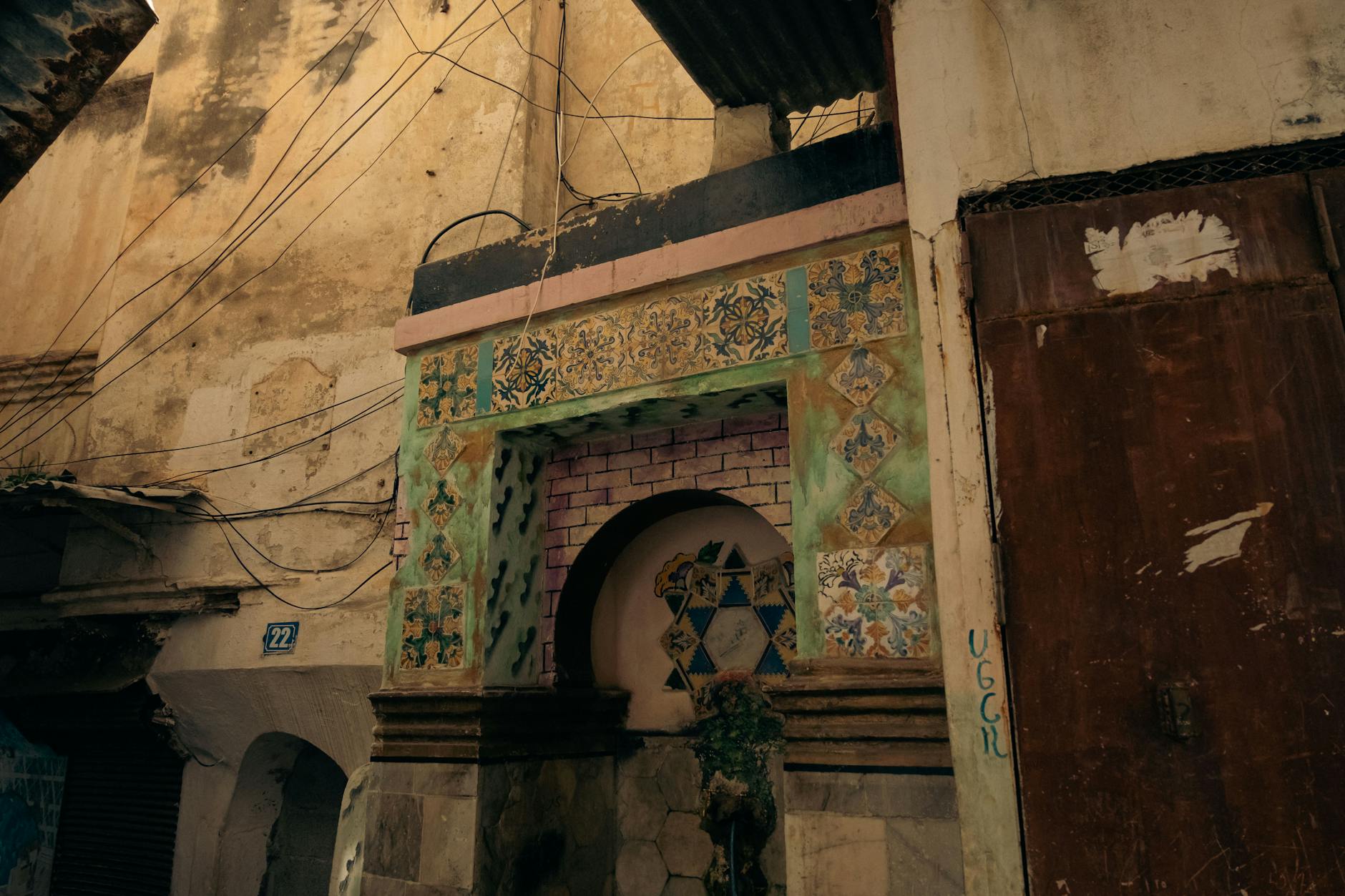
Local guides recommend visiting in the late afternoon, when the light turns golden and the temperature becomes manageable. Several restored houses now function as small galleries and boutique shops, making the area lively without feeling commercialized.
King Fahd Fountain (world's tallest)
The King Fahd Fountain holds the verified record as the world's tallest fountain, shooting water up to 312 meters into the sky. At night, more than 500 spotlights illuminate the spray, creating a spectacle visible from across the city.
The fountain sits in the Red Sea, roughly 350 meters from the corniche. On clear evenings, the mist drifts across the waterfront promenade and catches the colored lights in ways that photographs rarely capture accurately.
Visitor reviews consistently describe the nighttime view as one of the most memorable moments of any trip to Saudi Arabia. Arriving around sunset allows you to watch the fountain transition from daylight drama to full illuminated glory.
Red Sea Corniche
The Jeddah Corniche stretches approximately 30 kilometers along the Red Sea coast, forming the city's social backbone. Locals walk, cycle, and gather here every evening, particularly on weekends when the promenade fills with families and food vendors.
Along the route, sculptures by international and Saudi artists appear at regular intervals. The Corniche Sculpture Museum is an open-air permanent collection that most visitors stumble upon rather than seek out, which makes it a rewarding surprise.
The water itself deserves attention. The Red Sea here is exceptionally clear, and several spots along the corniche give access to snorkeling sites where coral reefs begin just meters from the shore.
Saudi Gastronomy
Jeddah's food scene reflects its history as a port city. Flavors from East Africa, India, Yemen, and the Levant have been layered into local cooking over centuries, producing a cuisine that feels distinct from any single culinary tradition.
Kabsa, a spiced rice dish with slow-cooked meat, is considered the national dish and Jeddah cooks it with particular confidence. The coastal location also means fresh fish and seafood play a central role on most menus, something that surprises many first-time visitors.
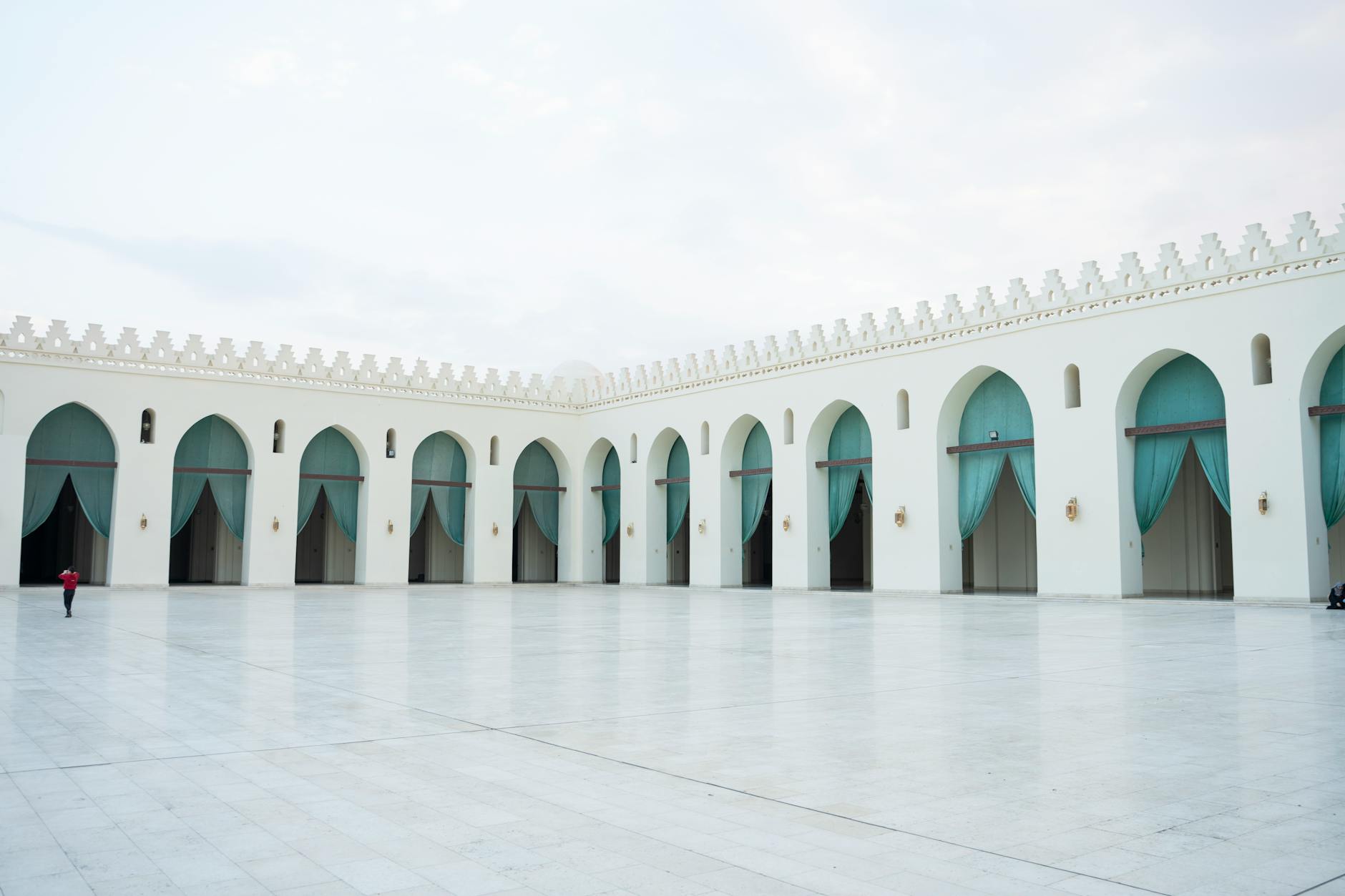
The Al-Balad neighborhood and the Al-Shatea district both host concentrations of restaurants ranging from street-level grills to elegant dining rooms with Red Sea views. Eating late is normal here; dinner rarely begins before 9 p.m.
Food and local cuisine in Jeddah
Jeddah's restaurants stay open past midnight, and the best meals are often found at small, family-run spots with no English signage. Travelers note that pointing at what a neighboring table is eating tends to produce excellent results.
Mandi is a slow-cooked lamb or chicken dish prepared in a traditional clay oven called a tandoor. It differs from kabsa in its cooking method and its subtler spicing, and many locals argue Jeddah does mandi better than anywhere else in the country.
Seafood is a particular strength. The fish souks near Al-Balad sell the morning catch directly, and surrounding restaurants will cook your selection to order. Hammour, a local grouper, is the fish most frequently recommended by regular visitors.
For something lighter, fuul (slow-cooked fava beans with olive oil and spices) and tamees (a soft flatbread baked in a wood-fired oven) form the classic Jeddawi breakfast. Several bakeries near the old town have been serving this combination for generations.
Desserts lean heavily on dates, honey, and cardamom. Luqaimat, small deep-fried dough balls drizzled with date syrup, appear at street stalls across the city and cost almost nothing, making them one of the most accessible pleasures Jeddah has to give.
Getting to Jeddah and getting around
Getting there
King Abdulaziz International Airport is one of the largest airports in the world by total area, covering 105 square kilometers. It connects Jeddah to major hubs in Europe, Asia, and Africa, with direct flights from London, Paris, Frankfurt, and several other cities.
Saudia, flynas, and flydubai are among the carriers serving this route regularly. Flight times from Western Europe average between 6 and 7 hours. Most nationalities can now obtain a tourist e-visa in advance through the Saudi tourism portal, which has significantly simplified entry.
Getting around
Taxis and ride-hailing apps, particularly Uber and the local platform Careem, are the most practical ways to move around the city. Fares are reasonable by regional standards, and the apps eliminate the need to negotiate prices.
Renting a car makes sense for day trips along the coast or visits to nearby sites. The Jeddah Metro is currently under development, so public transport within the city remains limited for now. Walking is pleasant along the corniche and through Al-Balad, but the distances between districts are too large for foot travel alone.
Budget and practical tips
How much to budget for Jeddah
Jeddah sits firmly in the premium travel category. Mid-range hotels near the corniche start at around 150 euros per night, while luxury properties along the waterfront can reach 400 euros or more.
Dining costs vary sharply. A full meal at a local restaurant in Al-Balad can cost under 15 euros per person, while a dinner at one of the upscale Red Sea-view restaurants will run closer to 80 to 120 euros. Budget roughly 80 to 150 euros per day for accommodation, food, and transport combined, excluding shopping.
Alcohol is not available in Saudi Arabia, which significantly reduces beverage costs compared to other regional destinations. Entry to most attractions, including Al-Balad and the corniche, is free.
Best time to visit: November to March
The months from November to March are when Jeddah is at its most welcoming. Daytime temperatures sit between 20 and 28 degrees Celsius, and the humidity drops to genuinely comfortable levels.
Summer months, from June through September, bring intense heat above 40 degrees Celsius with high humidity. Visitor numbers drop considerably during this period. The holy month of Ramadan shifts each year according to the lunar calendar; visiting during Ramadan means reduced restaurant hours during the day, though the city takes on a distinctive atmosphere after sunset that some travelers find extraordinary.
"Jeddah surprised me more than any other city on this trip. The old town feels genuinely ancient, and the corniche at night is unlike anything else in the Middle East." A visitor review from a European travel forum, 2023.
Frequently Asked Questions about Jeddah
Similar Destinations
Medina
In Medina, Saudi Arabia, lantern-lit courtyards lead to the Prophet's Mosque (Al-Masjid an-Nabawi) and the…
DiscoverDubai
Dubai, in the United Arab Emirates, rises from the desert with record-breaking landmarks: the Burj Khalifa at…
DiscoverIstanbul
Istanbul, Turkey's legendary crossroads of Europe and Asia, draws travelers to iconic landmarks like Hagia…
Discover