Istanbul

Everything about Istanbul
What if a single city could straddle two continents and carry the weight of three empires? Visiting Istanbul means stepping into a place where Byzantine mosaics sit meters away from Ottoman minarets.
The city holds over 15 million residents, making it one of the largest urban centers in Europe and Asia combined. Yet its historic core feels surprisingly human in scale, walkable and layered with stories at every corner.
Few destinations reward curiosity the way Istanbul does. The smells, sounds, and textures here belong to no other city on earth.
Why visit Istanbul?
What makes Istanbul unique
Istanbul is the only city in the world built across two continents. The Bosphorus strait divides Europe from Asia, and ferries cross it every few minutes, carrying commuters and travelers alike through one of the most dramatic urban waterways on the planet.
This geographic split shaped centuries of culture, architecture, and cuisine. The layered history of Istanbul runs from ancient Byzantium through the Roman Empire, then the Byzantine Empire, then the Ottoman sultanate, and finally the Turkish Republic.
Nowhere else does this kind of civilizational overlap feel so tangible, so alive, and so present in daily life.
Istanbul at a glance
The city sits in northwestern Turkey, connecting the Black Sea to the Sea of Marmara. The historic peninsula of Sultanahmet concentrates the most famous monuments within walking distance of each other.
The currency is the Turkish lira, and Istanbul ranks among the most affordable major cities for Western European travelers. English is widely understood in tourist areas, and the public transport network is extensive and reliable.
The call to prayer echoes five times daily across the skyline, a reminder that this city lives its traditions without performing them for tourists.
What to see and do in Istanbul?
Hagia Sophia
The Hagia Sophia was built by the Byzantine Emperor Justinian I in 537 AD, and for nearly a thousand years it remained the largest cathedral in the world. That fact alone is worth pausing over.
Today it functions as a mosque, restored to that role in 2020. Visitors are welcome outside prayer times, and the entry is free of charge.
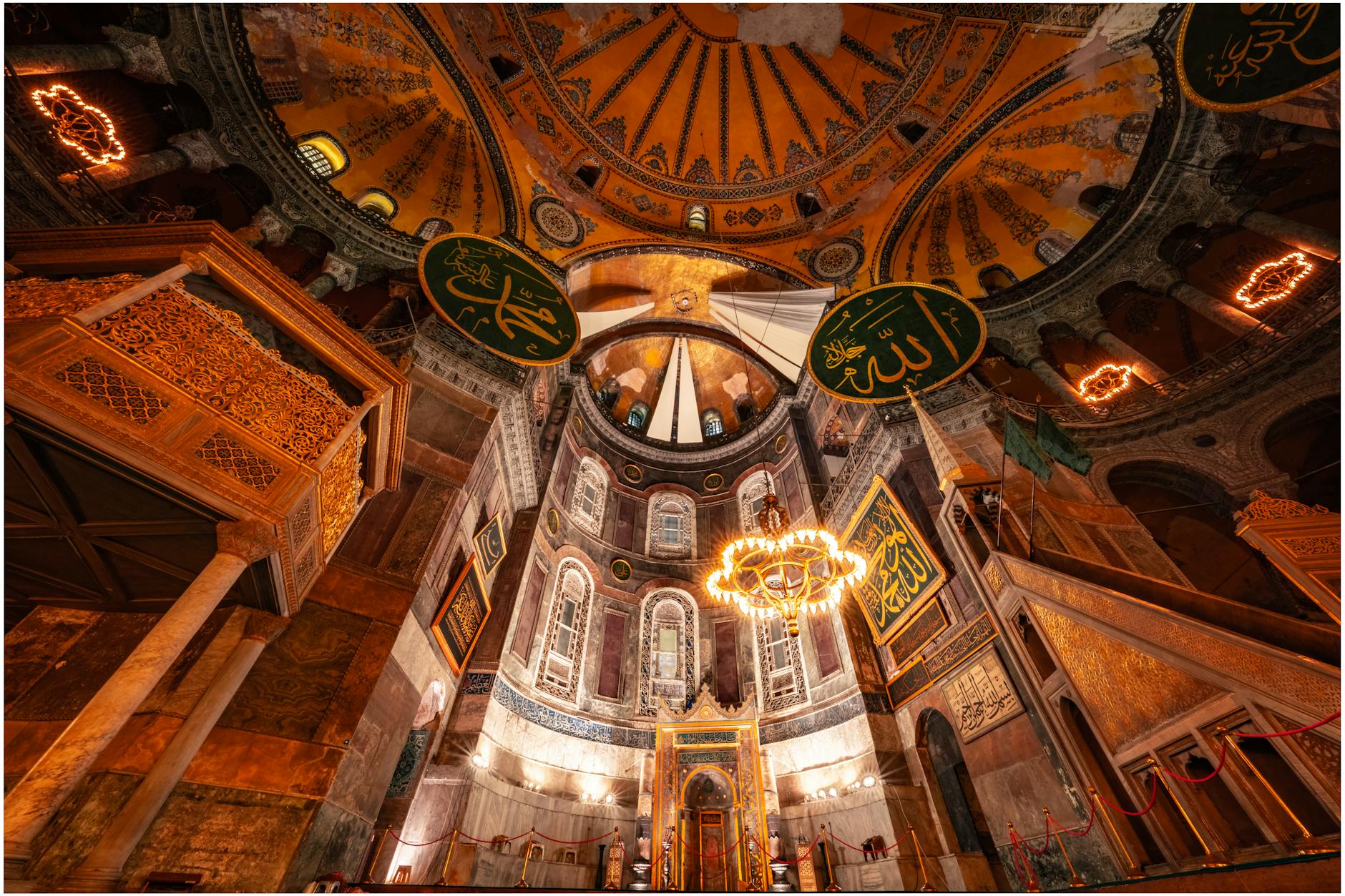
Inside, the scale overwhelms immediately. The massive central dome floats forty-five meters above the floor, seeming to hover without visible support, an architectural illusion that still baffles engineers.
Byzantine gold mosaics survive in the upper galleries, partially covered and partially restored. The collision of Christian iconography and Islamic calligraphy inside a single structure is unlike anything else in the world.
Blue Mosque
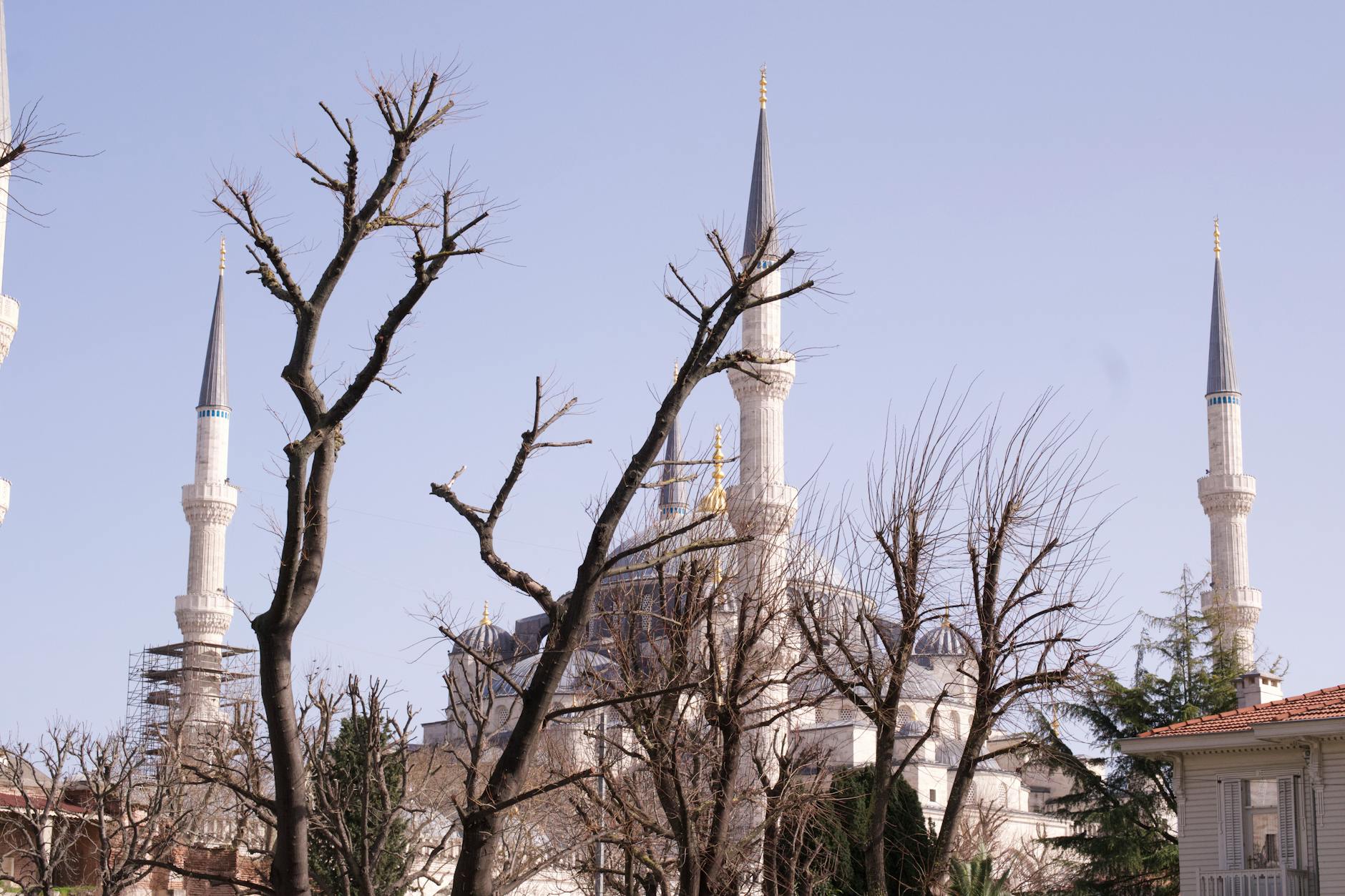
The Sultan Ahmed Mosque, known universally as the Blue Mosque, was completed in 1616 and still serves as an active place of worship. It faces Hagia Sophia directly across Sultanahmet Square, a deliberate architectural conversation across centuries.
The name comes from the approximately twenty thousand Iznik tiles lining the interior walls. Their deep cobalt color shifts with the light throughout the day.
The six minarets of the Blue Mosque caused diplomatic controversy at the time of construction. The Sultan of Mecca initially objected, since only the mosque in Mecca had six. A seventh was quickly added to Mecca as a solution.
Entry remains free for visitors. Modest dress is required, and the mosque closes briefly during the five daily prayers. Local guides recommend arriving in the early morning to avoid the largest crowds.
Grand Bazaar
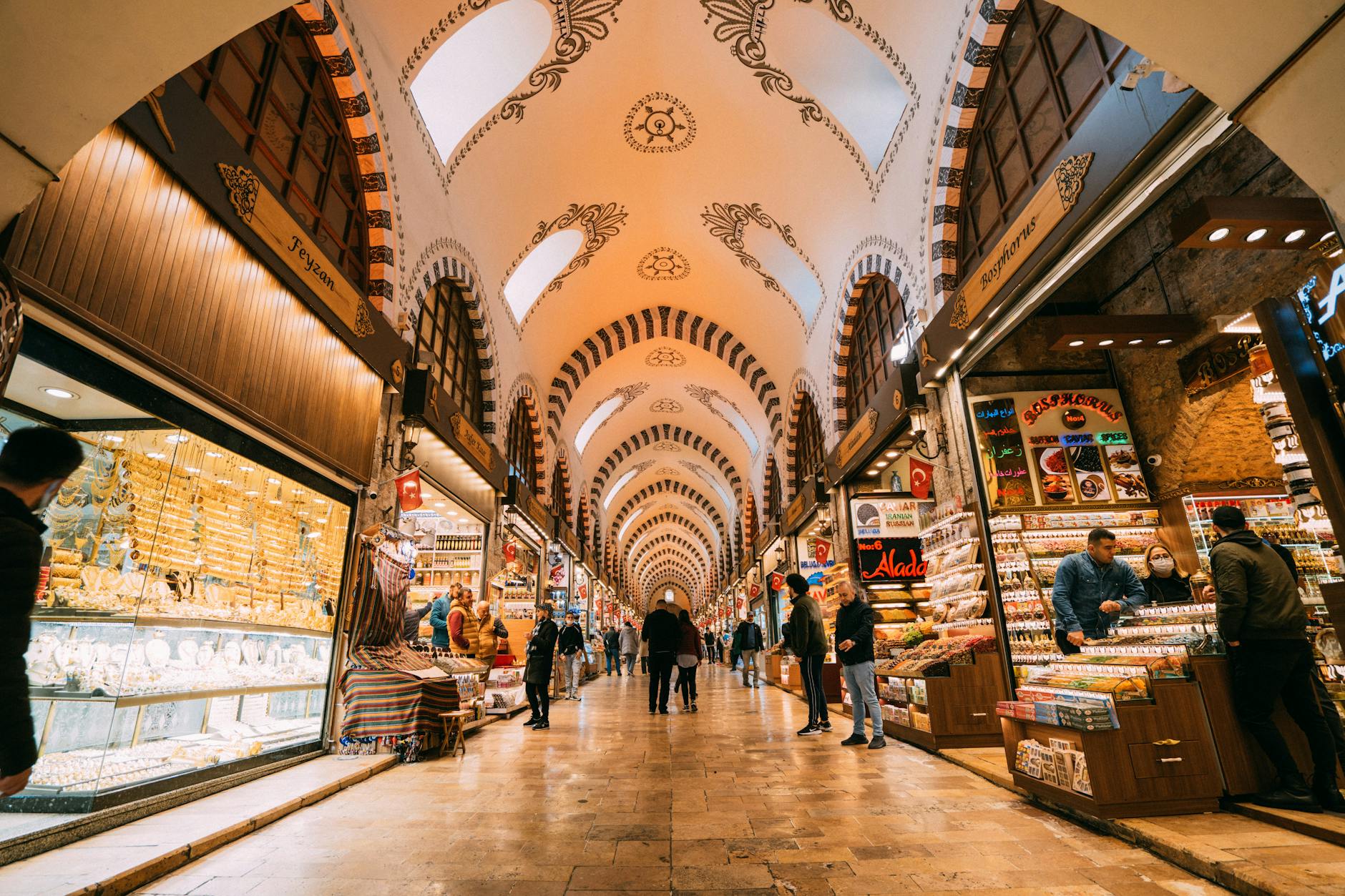
The Grand Bazaar of Istanbul is one of the oldest and largest covered markets in the world, with records dating its origins to 1455. It contains over four thousand shops spread across sixty-one covered streets.
The experience is genuinely disorienting at first. Tea glass vendors weave between carpet sellers and jewelers, while the smell of leather and spice fills narrow corridors lit by hanging lanterns.
Prices are negotiable throughout the market. Travelers note that shopkeepers often invite visitors for tea before any transaction, a tradition that feels genuine rather than transactional once you settle into the rhythm.
The best purchases in the Grand Bazaar include hand-painted ceramics, silk scarves, and antique silverwork. Avoid mass-produced souvenirs near the main entrances and walk deeper into the market to find better quality and more authentic pieces.
Topkapi Palace (UNESCO)
Topkapi Palace served as the administrative and residential heart of the Ottoman Empire for nearly four centuries, from 1465 until 1856. It now holds UNESCO World Heritage status as part of the Historic Areas of Istanbul designation.
The complex spreads across seventy hectares on the tip of the historic peninsula, with views across the Bosphorus and the Sea of Marmara that explain immediately why this location was chosen.
Inside, the Imperial Treasury displays items of staggering craftsmanship, including the 86-carat Spoonmaker's Diamond, one of the largest diamonds in the world. The Harem section requires a separate ticket and reveals the complex domestic architecture of the Ottoman court.
Visitor reviews consistently flag the kitchens and the relics section as the most overlooked highlights. Book tickets in advance during high season, as queues at the gate can stretch past two hours.
Food and local cuisine in Istanbul
Istanbul's food culture is built on centuries of trade routes and imperial kitchens. The Ottoman culinary tradition absorbed flavors from across three continents and refined them into dishes that remain central to Turkish cooking today.
Street food is the fastest entry point. A simit, the sesame-crusted bread ring sold from carts across the city, costs almost nothing and tastes remarkable with a glass of strong tea.
The fish sandwiches served under Galata Bridge in the Eminönü district have become genuinely iconic. Freshly grilled mackerel, squeezed with lemon and tucked into bread, eaten standing beside the water.
Mezes deserve serious attention. These small shared plates of eggplant purees, yogurt dips, stuffed grape leaves, and fried mussels arrive before the main course in traditional restaurants and often become the meal themselves.
For something heavier, döner kebab needs no introduction, but the Istanbul version, served as a plate rather than a wrap, with rice and grilled tomato, is a different and more satisfying experience.
The neighborhood of Karaköy hosts some of the most respected pastry shops in the city, where baklava is made with pistachios from Gaziantep and cut fresh throughout the day. Visitor reviews confirm the quality difference is immediately obvious compared to tourist-area versions.
Getting to Istanbul and getting around
Getting there
Istanbul Airport, opened in 2018, is now one of the busiest airports in Europe by passenger volume. It sits on the European side of the city, approximately forty-five kilometers from the historic center.
Direct flights connect Istanbul to most major European cities, and Turkish Airlines operates routes to more destinations worldwide than almost any other carrier. Budget airlines including Pegasus also serve the airport with competitive fares on regional routes.
Sabiha Gökçen Airport serves the Asian side and handles significant low-cost traffic. Transfer times to Sultanahmet are longer from that airport but still manageable by bus or taxi.
Getting around
The Istanbul public transport network covers the city through a combination of metro lines, trams, ferries, buses, and the historic funicular railways. A single rechargeable Istanbulkart card works across all of them at a reduced fare per journey.
The T1 tram line runs directly through Sultanahmet and connects to Karaköy and Kabataş, covering most tourist landmarks on a single route. Ferries across the Bosphorus are both practical and scenic.
Taxis are available but local guides recommend agreeing on the meter before departure. Ride-hailing apps including BiTaksi provide more transparency on pricing throughout the city.
Budget and practical tips
How much to budget for Istanbul
Istanbul sits firmly in the affordable category for most European travelers. A comfortable daily budget of 30 to 50 euros covers accommodation in a good mid-range guesthouse, three meals, and public transport with room to spare.
Museum entry fees are modest. The Museum Pass Istanbul grants access to Topkapi Palace, the Hagia Sophia museum galleries, and several other sites for a flat fee that pays for itself within two visits.
Street food and neighborhood restaurants keep food costs very low. Spending more is entirely possible in upscale rooftop restaurants with Bosphorus views, but genuinely excellent meals rarely require it.
Currency exchange rates favor euros and dollars strongly, and cash remains preferred at markets, small restaurants, and local shops. ATMs are widely available across the city.
Best time to visit: April to June and September to October
The spring months from April to June bring mild temperatures between 15 and 22 degrees Celsius, long daylight hours, and manageable crowds. The city's parks and waterfront promenades are particularly pleasant during this window.
September and October mirror these conditions on the other side of summer. The autumn light in Istanbul is notably soft and golden, and visitor numbers drop enough after the summer peak to make major sites far more enjoyable.
July and August bring intense heat and heavy tourist traffic. Winter visits are quieter and cheaper, with some rain, but the atmospheric fog over the Bosphorus in December and January produces a version of Istanbul that few travelers see.
Frequently Asked Questions about Istanbul
Similar Destinations
Dubai
Dubai, in the United Arab Emirates, rises from the desert with record-breaking landmarks: the Burj Khalifa at…
DiscoverJeddah
Jeddah, Saudi Arabia's gateway to the Red Sea, pairs UNESCO-listed coral houses in Al-Balad with the world's…
DiscoverMedina
In Medina, Saudi Arabia, lantern-lit courtyards lead to the Prophet's Mosque (Al-Masjid an-Nabawi) and the…
Discover