Explore Turkey
1 destination to discover
Everything about Turkey
Traveling to Turkey means stepping into a country where two continents collide — literally. The Bosphorus strait splits the land between Europe and Asia, and that tension between worlds shapes everything here.
Few destinations pack this much contrast into a single border. Ancient Roman ruins stand minutes from Ottoman mosques. Volcanic valleys meet turquoise coastlines.
Turkey draws around 50 million visitors a year, and once you've seen why, the number stops being surprising. This is a country that gets under your skin.
Why Travel to Turkey?
What Sets Turkey Apart from Other Destinations
Turkey sits at the crossroads of civilizations that shaped the modern world. Hittites, Byzantines, Romans, Seljuks, and Ottomans all left their mark on the same soil.
That layering creates something rare: a place where history isn't curated behind glass but woven into daily life. You eat beside ancient aqueducts. You swim near sunken cities.
The sheer geographic diversity is staggering — snow-capped mountains in the east, volcanic landscapes in central Anatolia, Mediterranean coves in the southwest, and lush Black Sea forests in the north.
Turkey at a Glance
Turkey covers approximately 783,000 square kilometers, making it one of the largest countries in the region. Its population stands at around 85 million people, with Istanbul alone home to over 15 million.
The official currency is the Turkish lira (TRY). The country spans two continents, borders eight nations, and has coastline along four seas.
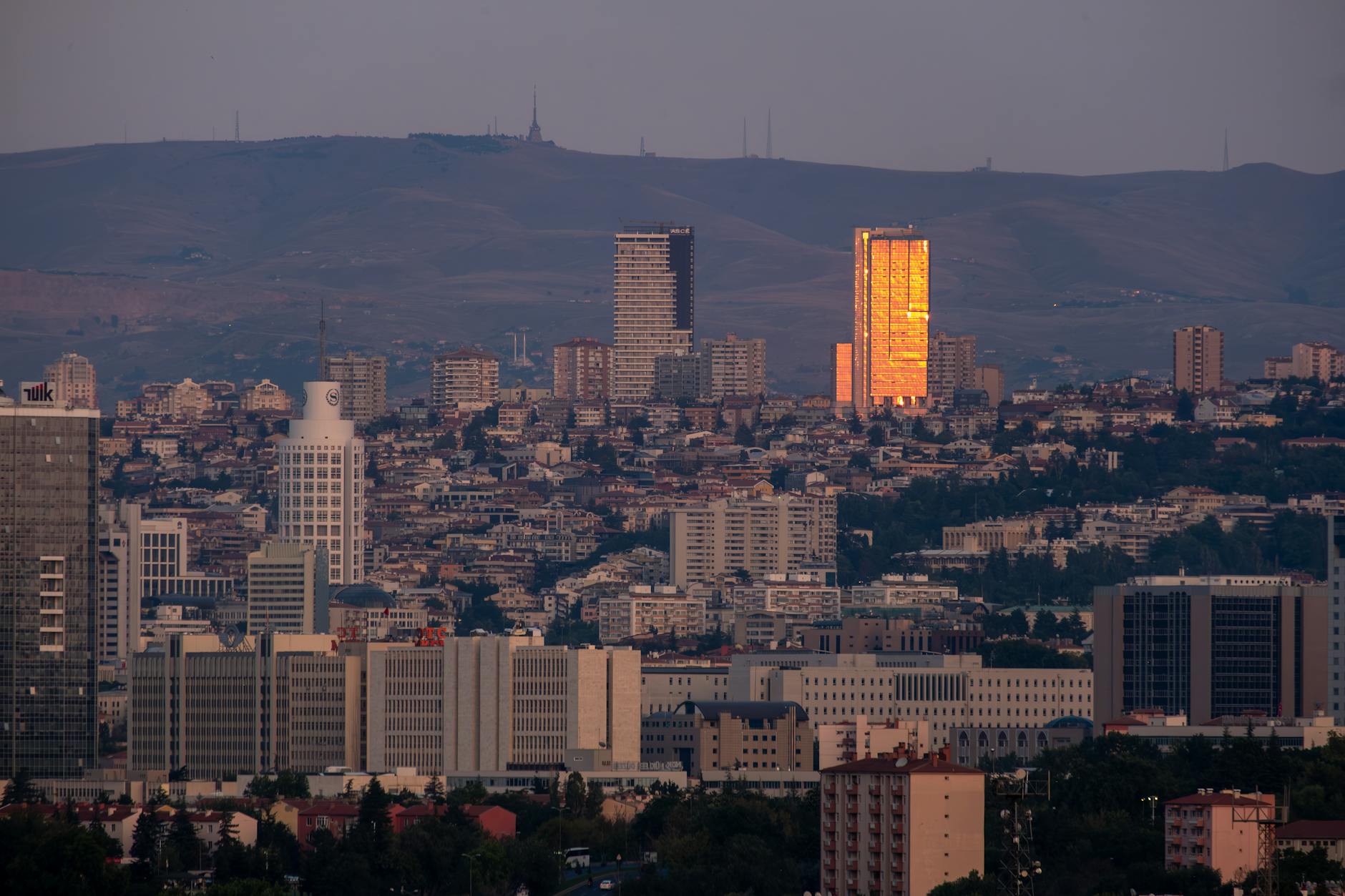
The capital city is Ankara, though Istanbul remains the cultural and economic heartbeat. Turkey operates on UTC+3 year-round, with no daylight saving time changes.
Regions and Cities to Explore
The Main Regions of Turkey
The Aegean and Mediterranean coasts are where most international visitors begin. Warm water, ancient ruins, and fishing villages create an atmosphere that's hard to leave.
Central Anatolia is an entirely different world. The Cappadocia region features surreal volcanic landscapes — chimneys of rock, underground cities, and hot air balloon rides at dawn that travelers consistently rank among their most memorable experiences anywhere.
Southeastern Turkey, centered around Gaziantep, represents one of the country's most underexplored zones. The food culture here rivals anything in the Middle East, and the archaeological sites are genuinely world-class.
The Black Sea coast rewards visitors who venture off the well-worn path. Green, misty, and culturally distinct, it feels nothing like the sun-baked south.
Which Cities Should You Visit?
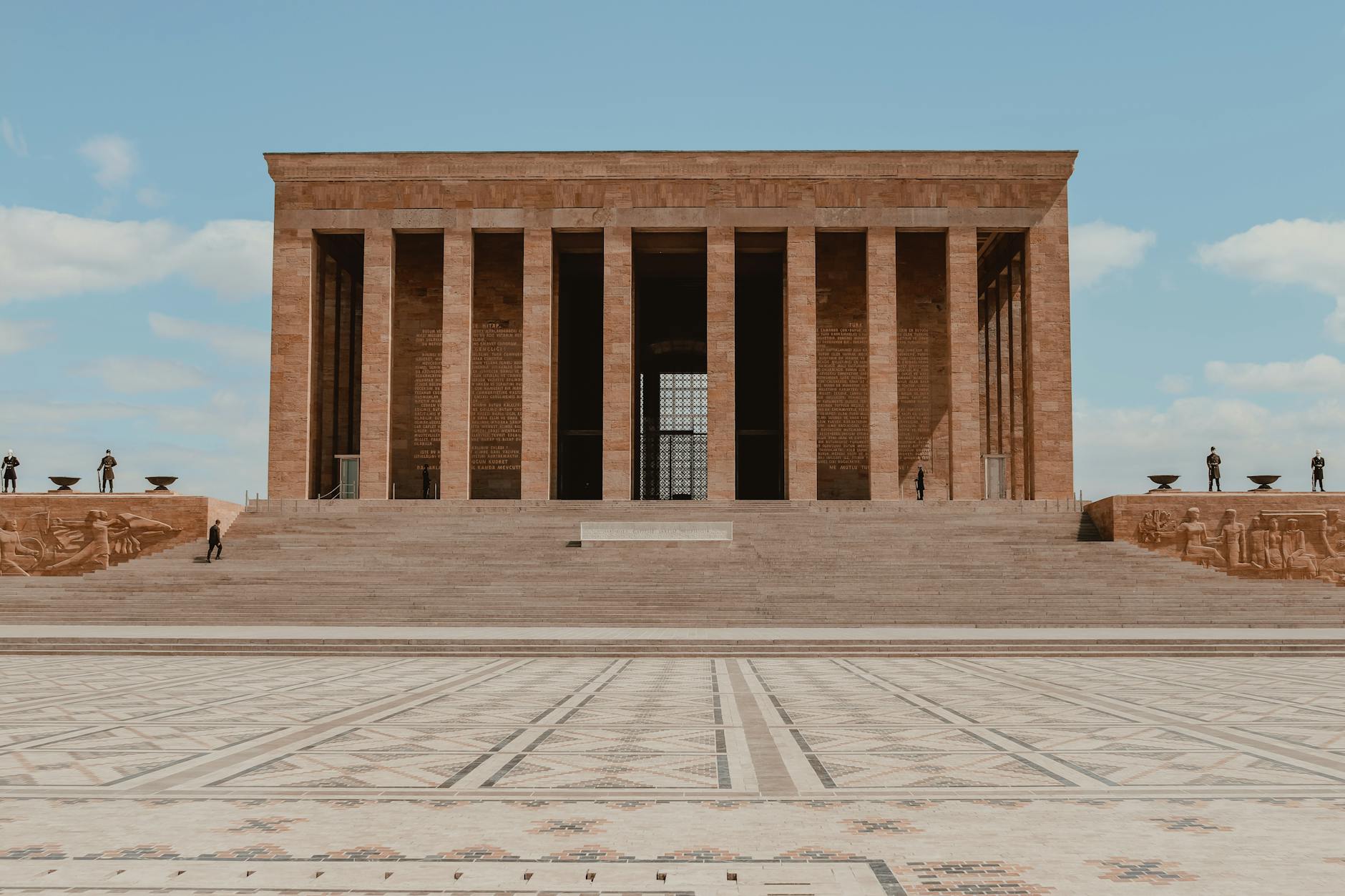
Ankara, the capital, is often skipped — which is a mistake. The Museum of Anatolian Civilizations alone justifies the trip, housing artifacts spanning 10,000 years of human history.
Antalya serves as the gateway to the Turkish Riviera. Its old town, Kaleiçi, preserves Roman harbor walls, narrow Ottoman streets, and some of the best rooftop dining on the Mediterranean coast.
Bodrum brings a more cosmopolitan energy — whitewashed walls, a 15th-century crusader castle, and a marina that attracts both backpackers and superyachts.
Fethiye is the starting point for the famous Blue Voyage boat trips along the Turquoise Coast. The lagoon at Ölüdeniz, nearby, appears on nearly every list of the world's most beautiful beaches.
Gaziantep — or simply "Antep" to locals — is the gastronomic capital of Turkey. Its bazaars, mosaic museum, and legendary baklava makers draw a growing number of food-focused travelers.
Culture, Traditions and Way of Life
Turkish culture runs on hospitality. The concept of "misafirperver" — the tradition of honoring guests — isn't a tourist slogan. Local guides consistently note that invitations into homes, offers of tea, and genuine curiosity about visitors are standard.
Tea is the social glue of Turkish life. Served in small tulip-shaped glasses, çay appears at every transaction, conversation, and moment of rest. Refusing it is politely unusual.
Religion plays a visible role in daily rhythms. The call to prayer sounds five times a day from minarets across the country. Outside major tourist areas, dress codes in religious sites are enforced, and modest clothing shows respect.
Markets — called çarşı or bazaar — remain genuine community spaces, not just tourist attractions. The Grand Bazaar in Istanbul covers 61 streets and roughly 4,000 shops. Bargaining is expected and considered part of the social exchange.
Turkey is officially a secular state, but its identity carries deep Islamic roots alongside a strong tradition of republican modernity. That duality creates a fascinating, sometimes contradictory, cultural landscape that rewards curious visitors.
Food: The Flavors of Turkey
Turkish cuisine is one of the great food traditions of the world — and it varies dramatically by region. The food in Gaziantep bears little resemblance to what you eat on the Aegean coast.
Breakfast is taken seriously. A traditional Turkish kahvaltı spreads across the table: olives, white cheese, tomatoes, cucumbers, eggs, honey, clotted cream, and fresh-baked bread. It's a meal that can last hours.
Kebabs take dozens of forms beyond the tourist-menu basics. Adana kebab, from the southern city of the same name, is spiced ground lamb cooked over charcoal. Iskender, from Bursa, layers lamb over bread and floods it with tomato sauce and browned butter.
Seafood dominates along the coasts. Grilled sea bass (levrek) and sea bream (çipura) arrive whole, drizzled with olive oil and lemon, in seaside restaurants where the catch came in that morning.
Sweets deserve their own itinerary. Baklava from Gaziantep, made with local pistachios, has protected geographic status. Turkish delight (lokum), sütlaç (rice pudding), and künefe — a warm cheese pastry soaked in syrup — all follow their own regional traditions.
- Average meal at a local lokanta: 100–200 TRY
- Street food (simit, gözleme, dürüm): 20–60 TRY
- Mid-range restaurant dinner: 300–600 TRY per person
Practical Information
Visa and Entry Requirements
Citizens of many countries, including the EU, UK, and USA, can enter Turkey visa-free or obtain an e-Visa online before travel. The process takes minutes and costs around $50 USD for most nationalities.
Passports must be valid for at least six months beyond your entry date. Visitor reviews consistently recommend applying for the e-Visa at least 48 hours in advance to avoid last-minute issues at border control.
Entry requirements can change — always verify current regulations with the official Turkish e-Visa portal (evisa.gov.tr) before departure.
Budget and Cost of Living
Turkey has become significantly more affordable for foreign visitors following currency fluctuations. Budget travelers can manage comfortably on €30–50 per day, covering accommodation, food, and local transport.
Mid-range travel — boutique hotels, sit-down restaurants, day tours — runs approximately €80–150 per day. Luxury options on the coast and in Istanbul rival European prices for quality, but often cost less.
Accommodation benchmarks:
- Hostel dorm bed: 200–400 TRY per night
- Mid-range hotel (double room): 1,500–3,500 TRY per night
- Boutique cave hotel in Cappadocia: from 4,000 TRY per night
Getting Around
Turkey's intercity bus network is extensive, reliable, and inexpensive. Companies like Flixbus, Metro Turizm, and Kamil Koç connect virtually every city, with overnight coaches saving both time and accommodation costs.
Domestic flights are competitively priced. Turkish Airlines and Pegasus both run frequent routes between Istanbul, Ankara, Antalya, Bodrum, and other hubs, often for under €50 one-way.
Renting a car unlocks the Aegean and Mediterranean coastlines most effectively. The D400 coastal highway between Fethiye and Antalya is one of the most scenic drives in the region.
When to Visit Turkey?
Turkey's size means there's no single answer. The right time depends entirely on which part of the country you're visiting.
Spring (April–June) is widely considered the best season for most regions. Temperatures are comfortable, wildflowers cover Anatolian hillsides, and crowds haven't peaked yet.
Summer (July–August) brings intense heat to inland areas — Ankara and Cappadocia can exceed 35°C. Coastal resorts, however, thrive: water temperatures are perfect and evening life buzzes until late.
Autumn (September–October) rivals spring for quality. The light along the Aegean coast turns golden, tourist numbers drop, and prices fall noticeably after mid-September.
Winter rewards the adventurous. Istanbul takes on a moody, atmospheric quality with far fewer visitors. Eastern Anatolia gets heavy snow, and ski resorts like Uludağ near Bursa open from December through March.
Local guides recommend October as the single best month for first-time visitors: warm enough for the coast, cool enough for cities, and quiet enough to actually connect with the places you visit.
Frequently Asked Questions about Turkey
Similar Destinations
Explore more destinations in the same region of the world.
Dubai
Dubai, in the United Arab Emirates, rises from the desert with record-breaking landmarks: the Burj Khalifa at…
DiscoverJeddah
Jeddah, Saudi Arabia's gateway to the Red Sea, pairs UNESCO-listed coral houses in Al-Balad with the world's…
DiscoverMedina
In Medina, Saudi Arabia, lantern-lit courtyards lead to the Prophet's Mosque (Al-Masjid an-Nabawi) and the…
Discover