Explore Thailand
1 destination to discover
Everything about Thailand
Traveling to Thailand means stepping into a country where ancient temples rise above chaotic city streets, turquoise waters lap deserted islands, and the smell of lemongrass fills the air at every corner.
Few destinations pack this much variety into a single border: royal palaces, jungle treks, floating markets, and beach villages that range from backpacker-busy to peacefully remote.
Thailand draws over 35 million international visitors in a normal year — and once you understand why, the number stops feeling surprising.
Why travel to Thailand?
What sets Thailand apart from other destinations
Thailand sits at a rare intersection of accessibility and depth. The infrastructure is solid, English is widely spoken in tourist areas, and the cost of travel stays low even by Southeast Asian standards.
But the real pull is cultural. The Thai way of life — rooted in Buddhism, family, and a genuine sense of hospitality — shapes every interaction, from the wai greeting at your guesthouse to the careful arrangement of food on your plate.
No other country in the region has preserved so much of its traditional identity while adapting so smoothly to modern travel.
Thailand at a glance
Thailand covers roughly 513,000 square kilometers and is home to about 72 million people. The official language is Thai, and the currency is the Baht (THB).
The country shares borders with Myanmar, Laos, Cambodia, and Malaysia. Bangkok, the capital, alone holds over 10 million residents and functions as the country's commercial, cultural, and spiritual heart.
Thailand is divided into six geographic regions, each with a distinct landscape, dialect, and culinary tradition — making it genuinely worth exploring beyond the obvious tourist trail.
Regions and cities to explore
The main regions of Thailand
Central Thailand is the country's political and historical core, anchored by Bangkok and the ancient ruins of Ayutthaya. Rice plains dominate the landscape here, flat and wide under an open sky.
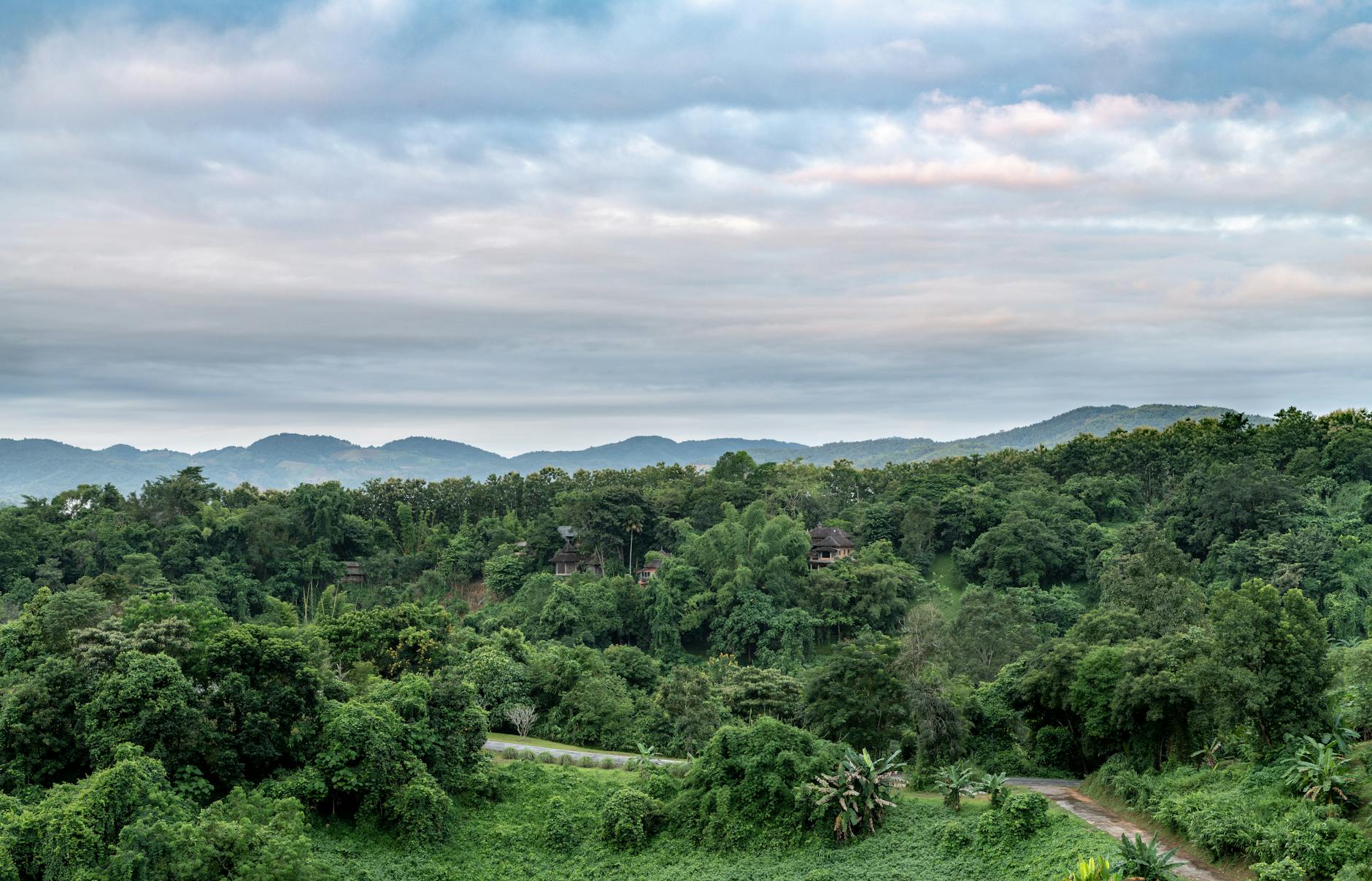
Northern Thailand rises into forested mountains near the borders with Myanmar and Laos. Chiang Mai and Chiang Rai sit in this cooler, slower-paced region, surrounded by hill tribes and tea plantations.
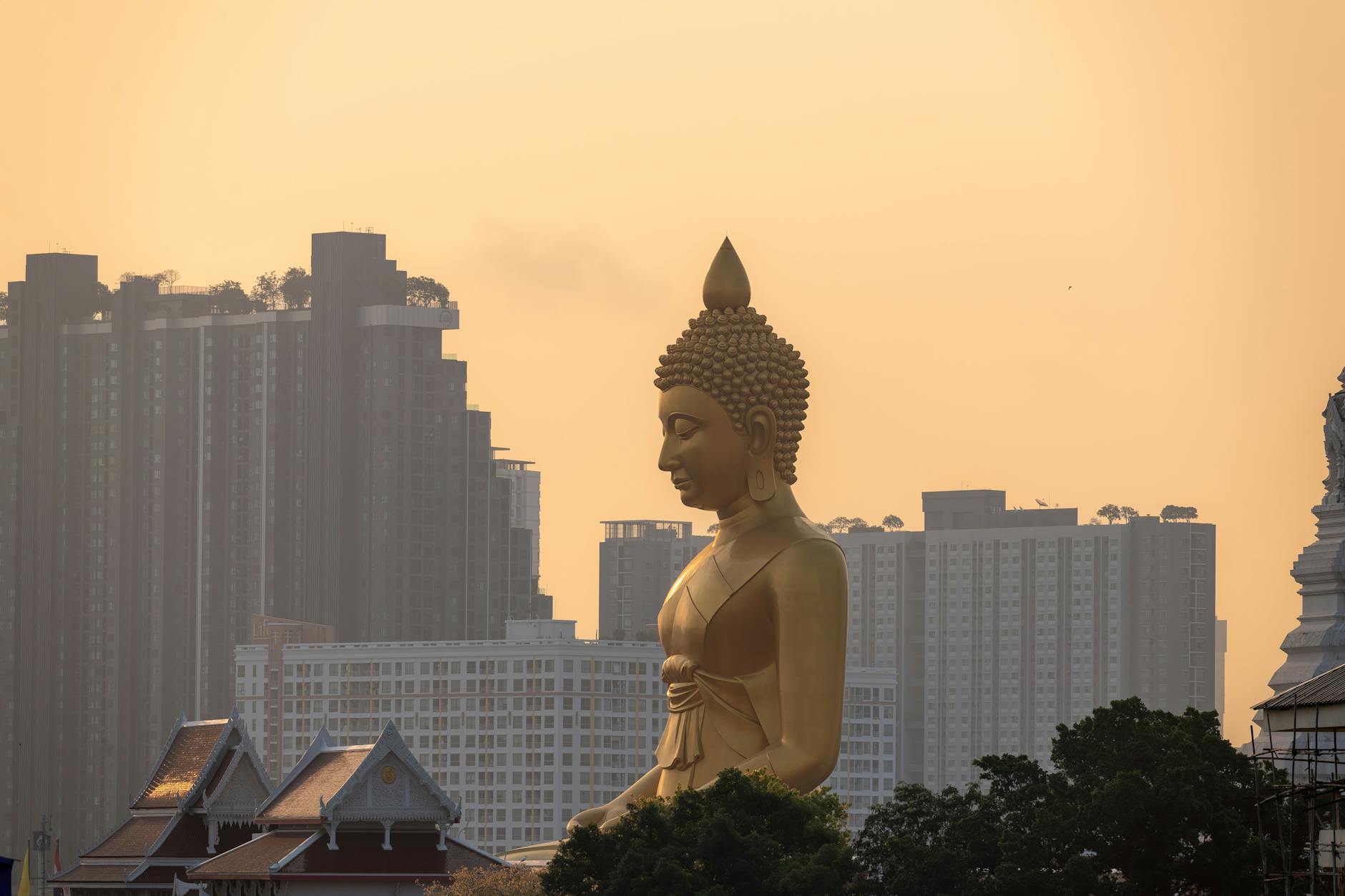
Southern Thailand is where most beach destinations cluster — Krabi, Phuket, Koh Samui, and the dramatic limestone cliffs of Ao Nang along the Andaman coast. The Gulf of Thailand coastline runs parallel on the opposite shore.
Northeastern Thailand, known locally as Isan, remains the least visited region among international tourists. It holds some of the country's finest Khmer ruins and the most authentic rural Thai culture.
Which cities should you visit?
Bangkok is non-negotiable for first-time visitors. The Grand Palace complex, street food along Yaowarat Road, and the energy of neighborhoods like Silom and Banglamphu make it one of Asia's most layered cities.
Ayutthaya, just 80 kilometers north of Bangkok, was once one of the largest cities in the world. Its crumbling Buddhist temples and headless Buddha statues are a genuinely moving experience, best explored by bicycle.
Chiang Mai rewards slower travel: Sunday markets, cooking classes, elephant sanctuaries in the surrounding hills, and a well-preserved old city moat. The Chiang Rai region adds the surreal White Temple (Wat Rong Khun) and quieter border-town atmosphere.
Ao Nang in Krabi Province serves as the launch point for island-hopping around Railay Beach and the Phi Phi Islands. The karst scenery here is among the most photographed in all of Asia.
Culture, traditions and way of life
Thailand is a Buddhist country in a deep and practical sense — not just architecturally, but rhythmically. Monks in saffron robes collect alms at dawn across every city and village, a ritual that has continued without interruption for centuries.
The concept of "sanuk" — the pursuit of fun and lightheartedness — runs through Thai social life in a way that visitors quickly notice. Thais tend to approach conflict indirectly and value composure and smiling communication.
Dress matters more here than in many destinations. Temples require covered shoulders and knees, and removing shoes before entering homes or sacred spaces is standard, not optional.
The Thai royal family commands profound respect. Travelers should be aware that lèse-majesté laws carry real legal consequences — public criticism of the monarchy is taken seriously.
Festivals shape the calendar in vivid ways. Songkran in April, the Thai New Year, turns city streets into massive water fights. Loy Krathong in November fills rivers and skies with candlelit floats and paper lanterns.
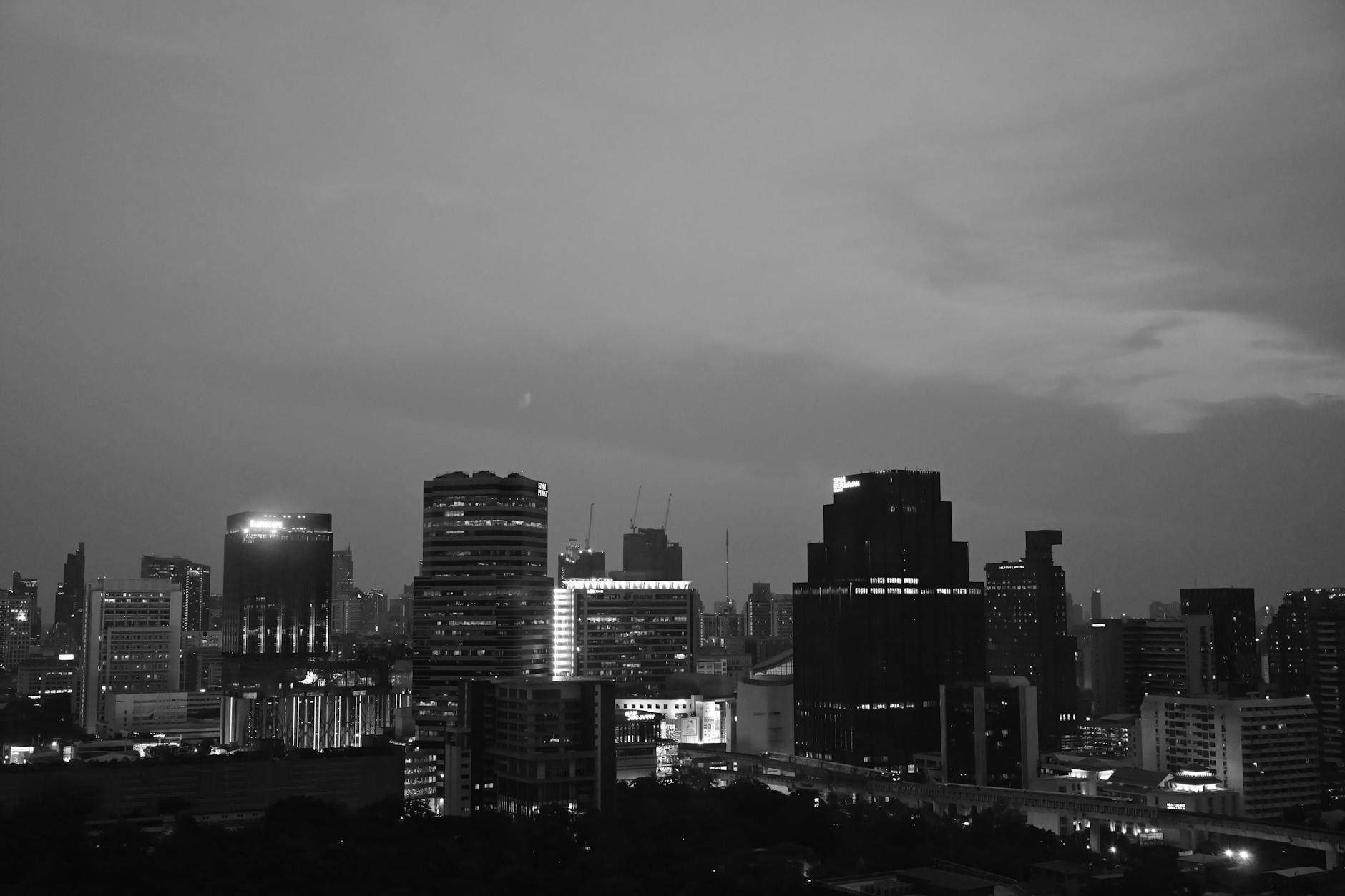
Local guides frequently emphasize that the wai — a slight bow with palms pressed together — is not just a greeting but a signal of respect calibrated to social hierarchy. Returning it graciously matters to locals.
Food: the flavors of Thailand
Thai cuisine is one of the world's great food traditions, built on the balance of sweet, sour, salty, and spicy in every dish. The street food culture is the real entry point — not restaurants.
Pad Thai at a sidewalk cart costs around 50–80 THB (roughly $1.50–$2.50 USD). A bowl of boat noodles in Bangkok's Chinatown often runs even cheaper. The quality at street level frequently exceeds what you find in tourist-facing restaurants.
Tom yum goong — the spicy prawn soup — is a national signature. Green curry with coconut milk, som tum (green papaya salad), and khao man gai (poached chicken on rice) are staples worth seeking out in their regional variations.
Northern food diverges sharply from the south. Khao soi, a rich curry noodle soup with crispy and soft noodles in the same bowl, is Chiang Mai's defining dish — and travelers who skip it regret it.
Southern Thai food tends to be hotter and more coconut-heavy, with strong Malay influences. Massaman curry originated in the south and remains among the most complex curries in the entire region.
Fresh tropical fruit — mango, rambutan, mangosteen, dragon fruit — is available everywhere and often sold pre-cut by street vendors for 10–20 THB per bag.
Practical information
Visa and entry requirements
Citizens of over 60 countries, including the United States, United Kingdom, Australia, and most of the European Union, receive a visa exemption of 30 days on arrival — recently extended to 60 days for many nationalities as of 2024.
Longer stays require a tourist visa obtained in advance at a Thai embassy, or a border run to reset the exemption period. The Thailand e-Visa system now handles most applications online.
Passports must be valid for at least six months beyond the intended stay. Entry requirements do change — checking the Royal Thai Embassy website before travel is advisable.
Budget and cost of living
Thailand remains genuinely affordable. Budget travelers can manage comfortably on $30–40 USD per day, covering a guesthouse, street food meals, and local transport.
Mid-range travel — decent hotels, sit-down restaurants, occasional tours — runs $70–120 USD per day. Luxury resorts in Phuket or Koh Samui push significantly higher, with rooms starting around $150–250 USD per night.
ATMs are widely available but charge foreign transaction fees of around 220 THB per withdrawal. Carrying some cash for markets and street food vendors is always practical.
Getting around
Bangkok's BTS Skytrain and MRT metro cover most tourist areas efficiently and cheaply. Intercity travel works well by overnight train or low-cost domestic flights — Air Asia and Nok Air connect major destinations for sometimes under $20 USD.
Tuk-tuks and songthaews (shared pickup trucks) handle shorter distances. Ride-hailing apps like Grab work reliably in cities and avoid fare negotiation entirely.
On islands, motorbike rentals run about 200–300 THB per day — popular but requiring caution on unpaved coastal roads.
When to visit Thailand?
November through February is broadly considered the best period to visit. Temperatures are cooler (25–30°C), humidity drops, and skies stay reliably clear across most of the country.
The northern region is at its best from November to early March, when mountain mornings feel genuinely cool and the air is clean after the rainy season clears vegetation.
The Andaman coast — Krabi, Phuket, Ao Nang — follows the same November-to-April window. The Gulf coast (Koh Samui, Koh Phangan) runs on a different weather pattern, with its best months shifting to February through October.
March through May brings peak heat, sometimes exceeding 40°C in Bangkok. Visitor numbers drop and prices follow. For travelers who handle heat well, this window has real advantages.
The monsoon season, roughly June through October, delivers heavy but often brief afternoon rains. Many beach areas see rough seas, and some smaller islands temporarily close guesthouses. Inland destinations like Chiang Mai and Ayutthaya remain perfectly accessible.
Frequently Asked Questions about Thailand
Similar Destinations
Explore more destinations in the same region of the world.
Bali
Bali, Indonesia, draws travelers with dramatic sea temples like Tanah Lot, the emerald terraced rice fields…
DiscoverKuala Lumpur
Kuala Lumpur, Malaysia's dazzling capital, pairs the iconic Petronas Twin Towers and sacred Batu Caves with…
DiscoverJeddah
Jeddah, Saudi Arabia's gateway to the Red Sea, pairs UNESCO-listed coral houses in Al-Balad with the world's…
Discover