Rome

Everything about Rome
Can one city hold 2,000 years of power, art, and daily street life in the same afternoon? Visiting Rome means moving from imperial stone to espresso counters without the city ever feeling staged.
This is not a museum with traffic around it. Scooters skim past Renaissance palaces, church bells drift over market stalls, and a simple walk can end beside the Trevi Fountain at golden hour.
Rome rewards patient travelers: those who book wisely, look up often, and leave space for detours. The guide below keeps the big icons close, while making room for neighborhood rhythm.
Why visit Rome?
What makes Rome unique
Rome stands apart because its layers are still part of daily life. Ancient columns frame bus stops, Baroque fountains sit beside crowded cafés, and quiet courtyards hide behind heavy doors.
The city’s scale feels grand, yet the best moments often stay small. A plate of tonnarelli, a shadowed church, or a late walk through Trastevere can say as much as a famous monument.
Travelers note that Rome works best when plans have breathing room. The streets invite slow movement, especially around the lanes between Piazza Navona and Campo de’ Fiori.
Rome at a glance
Rome is the capital of Italy and one of Europe’s most visited cities. Its historic center is compact enough for long walks, but large enough to fill several days with art, ruins, churches, and food.
- A practical base: Centro Storico, Monti, Prati, or Trastevere.
- The main highlights: Colosseum, Trevi Fountain, Pantheon, and Vatican.
- A typical pace: three to five days for first-time visitors.
- The budget level: moderate, marked as $$ for most travelers.
The best periods are April to June and September to October. These months bring milder weather, lively terraces, and fewer extremes than peak summer.
What to see and do in Rome?
Colosseum
The Colosseum is Rome’s most recognizable ancient site, and it still has a physical force that photos cannot fully capture. Built in the 1st century AD, it once held around 50,000 spectators.
Book timed tickets before arrival, especially in spring and early autumn. Local guides recommend pairing the arena with the Roman Forum and Palatine Hill, since the three sites explain imperial Rome together.
Early morning visits feel calmer, while late afternoon light gives the stone a warmer color. The upper levels and underground areas need specific ticket types, so check access before buying.
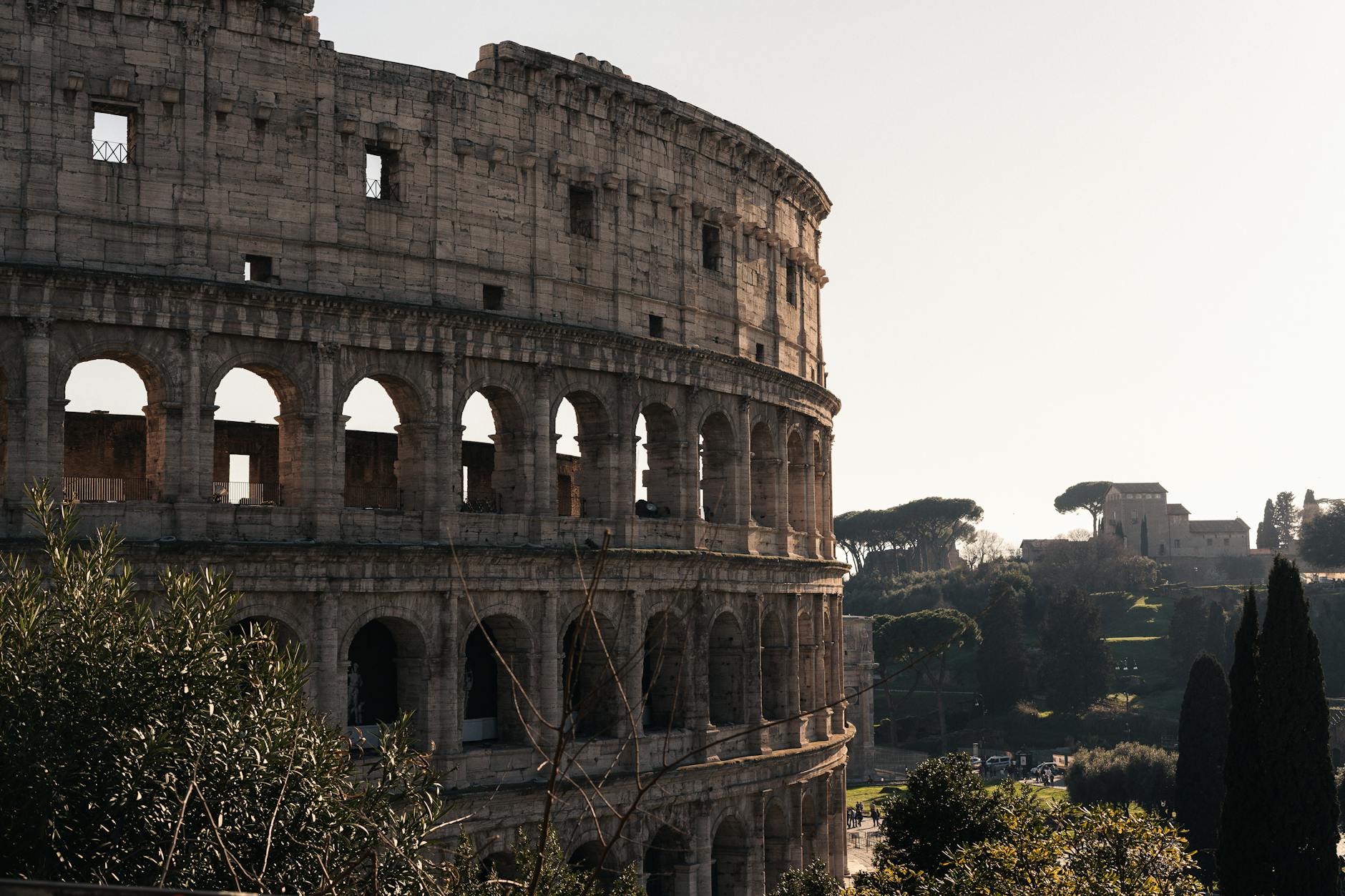
After the visit, walk into Monti for lunch or aperitivo. The neighborhood has wine bars, vintage shops, and quieter corners within minutes of the crowds.
Trevi Fountain
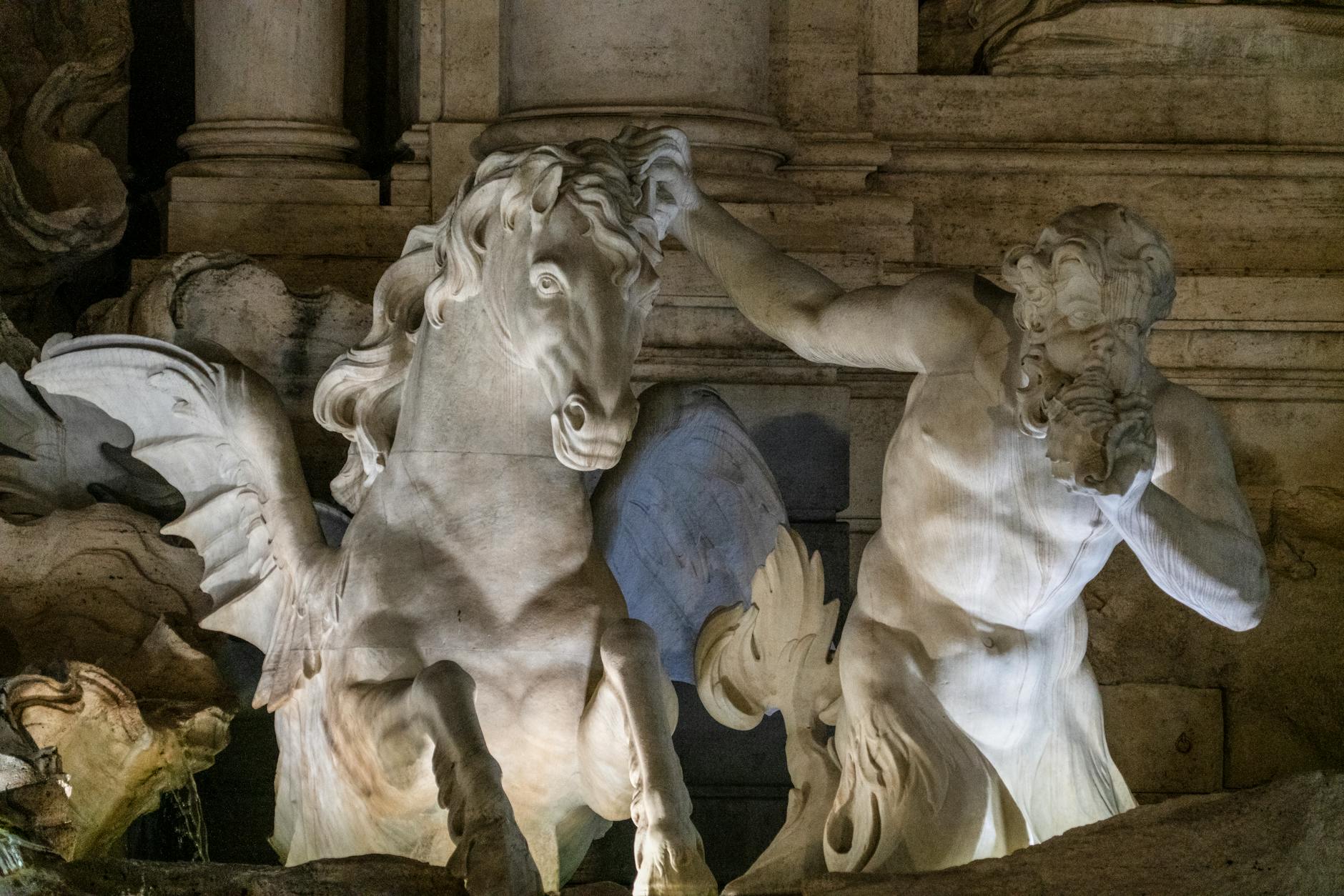
The Trevi Fountain is theatrical, noisy, and nearly always crowded. That energy is part of the scene, with rushing water, marble horses, camera flashes, and coins flying over shoulders.
The fountain was completed in 1762 and marks the end of the ancient Aqua Virgo aqueduct. Its scale surprises many visitors, because it appears suddenly at the edge of a tight square.
For a better experience, arrive very early or return late at night. Visitor reviews confirm that sunrise gives the clearest view, while evening brings atmosphere and glowing stone.
Do not sit on the fountain edge or enter the water, since fines are enforced. Afterward, wander toward the streets around Via del Tritone for coffee or gelato.
Pantheon
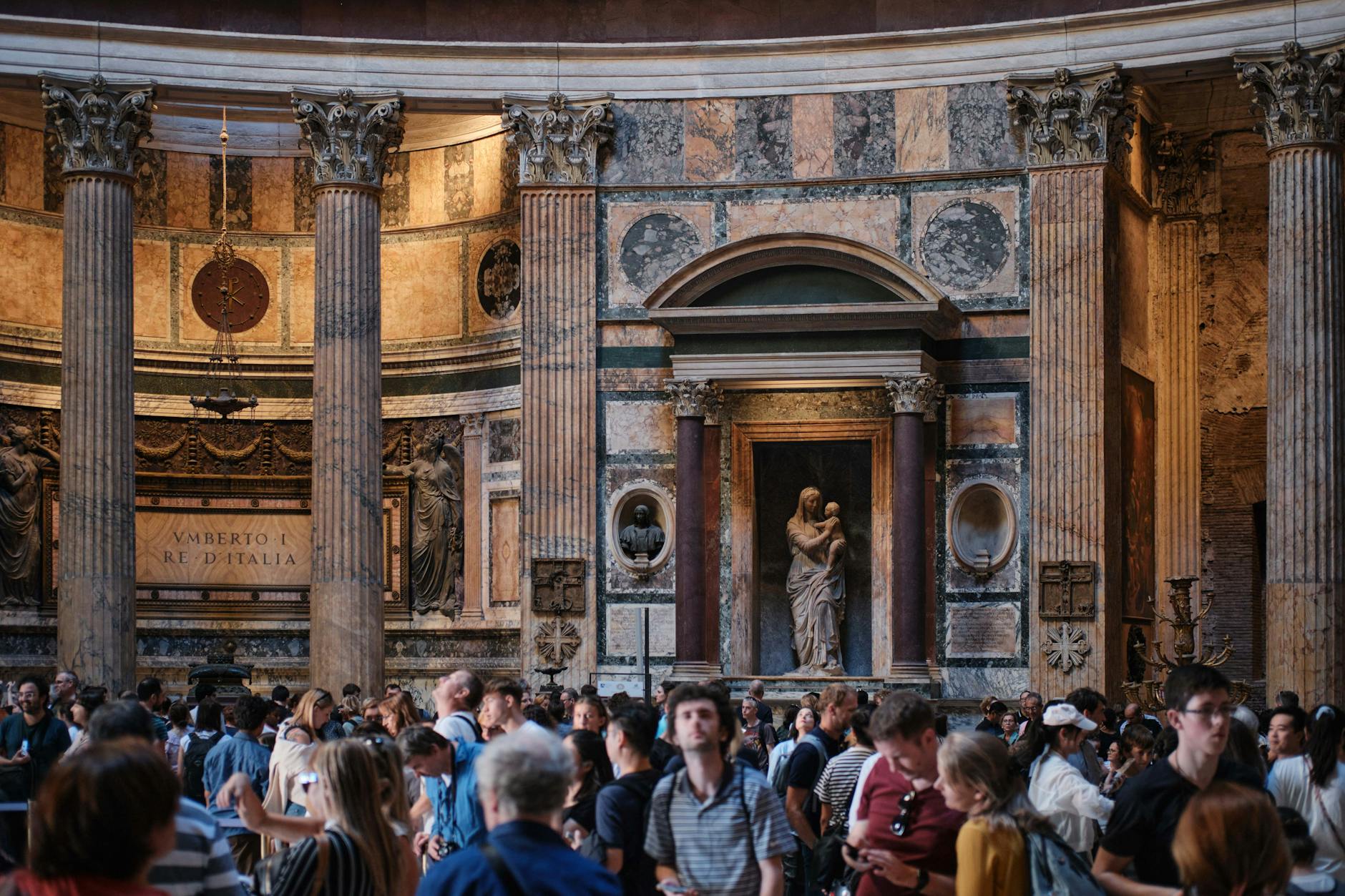
The Pantheon looks simple from the square, then becomes astonishing inside. Its concrete dome spans 43.3 meters, and the open oculus sends a moving circle of light across the ancient interior.
Originally built as a Roman temple and later converted into a church, it is one of the best-preserved monuments from antiquity. Its bronze doors, marble floor, and perfect proportions create a rare sense of balance.
Timed entry may be required, so check current rules before visiting. The area around the Pantheon and Piazza della Rotonda is busy, yet side streets quickly soften the pace.
Nearby stops include Sant’Ivo alla Sapienza, Piazza Navona, and the cafés around Sant’Eustachio. This part of Rome is made for walking without rushing.
Vatican
The Vatican combines spiritual power, artistic scale, and political identity in a tiny territory. Vatican City covers about 44 hectares, making it the smallest independent state in the world by area.
Most visitors focus on St. Peter’s Basilica, the Vatican Museums, and the Sistine Chapel. The museums are vast, so a clear plan helps avoid fatigue before reaching Michelangelo’s ceiling.
Book museum tickets in advance and choose early morning or late afternoon slots when available. Dress modestly for basilica entry, with shoulders and knees covered.
Climbing the dome gives one of Rome’s best views, with St. Peter’s Square below and the city spreading beyond the Tiber. For lunch, walk into Prati rather than eating right beside the main gates.
Rome is easier to enjoy when each day has one major monument, one neighborhood walk, and one long meal.
Food & local cuisine in Rome
Roman cuisine is direct, generous, and deeply tied to working traditions. The classics rely on pasta, pecorino Romano, guanciale, artichokes, offal, seasonal greens, and slow confidence rather than decoration.
Start with the four famous pastas: carbonara, cacio e pepe, amatriciana, and gricia. Good versions are creamy without cream, salty without excess, and served with enough bite in the pasta.
For street food, try supplì, the fried rice balls filled with tomato and mozzarella. Pizza al taglio is another strong choice, sold by weight and cut with scissors at neighborhood bakeries.
Rome’s Jewish culinary heritage is especially important around the old Ghetto. Look for carciofi alla giudia, crisp fried artichokes with bronze leaves and a tender heart.
Breakfast stays simple: cappuccino and cornetto at the counter. After lunch, many locals switch to espresso, and standing at the bar usually costs less than sitting outside.
Dinner often starts later than visitors expect, especially in warmer months. Book popular trattorias ahead, but leave one evening for a simple enoteca, seasonal antipasti, and a glass of Lazio wine.
Gelato deserves care. Choose places where colors look natural, pistachio appears muted rather than bright green, and flavors are stored in covered metal tins.
Getting to Rome and getting around
Getting there
Rome has two main airports: Leonardo da Vinci Fiumicino and Ciampino. Fiumicino handles most long-haul and major European flights, while Ciampino is common for budget airlines.
The Leonardo Express train links Fiumicino Airport with Termini Station in about 32 minutes. Regional trains and airport buses can cost less, though traffic may slow the journey into the center.
Termini is Rome’s main rail hub, with high-speed trains to Florence, Naples, Milan, Venice, and beyond. Travelers arriving from other parts of Italy often find the train faster than flying.
Getting around
Rome is best explored on foot within the historic center between the Pantheon and the Colosseum. Distances look short on maps, but cobbles, crowds, and photo stops slow the pace.
The metro is useful but limited compared with other European capitals. Lines A and B serve places such as the Vatican area, Spanish Steps, Termini, and Colosseum.
Buses and trams reach more neighborhoods, though schedules can feel loose. Validate tickets before riding, use official taxis from ranks, and avoid driving unless leaving the city for the countryside.
Budget & practical tips
How much to budget for Rome
Rome sits in a moderate $$ range for Europe, but costs change sharply by season and neighborhood. A mid-range traveler can expect roughly €120 to €200 per person per day, excluding flights.
That estimate can cover a simple hotel or guesthouse share, meals in trattorias, public transport, coffee, gelato, and one paid attraction. Museum-heavy days cost more.
- A budget-saving habit: drink coffee at the counter.
- A smart ticket move: reserve major sights online in advance.
- A common extra cost: the city tourist tax charged by accommodation.
- A useful rule: carry some coins for small purchases and church donations.
Tap water from public fountains, called nasoni, is drinkable and free. Comfortable shoes matter more here than stylish ones.
Best time to visit: April to June and September to October
April to June brings flowers, long daylight, and lively outdoor tables. It is also a popular period, so book accommodation and major attractions early.
September to October is equally rewarding, with warm afternoons, cooler evenings, and a softer mood after the peak summer rush. These months suit walking, terrace dining, and day trips.
July and August can be hot, crowded, and tiring, especially around exposed ruins. Winter is quieter and often cheaper, though shorter days and rain can shape the rhythm.
For the best balance, plan museum visits early, lunch later than noon, and neighborhood walks near sunset. Rome gives more when the schedule leaves space between landmarks.
Frequently Asked Questions about Rome
See all destinations in Italy
Milan
In Milan, Italy, gothic spires crown the Duomo, Leonardo’s The Last Supper rewards advance booking, and…
DiscoverVenice
Venice, Italy, rises from the Adriatic lagoon as a living masterpiece, where St. Mark's Square, the Rialto…
DiscoverFlorence
Florence, Italy draws travelers into a Renaissance world where the Duomo, the Uffizi Gallery, and Ponte…
Discover