Seoul

Everything about Seoul
Can one city move from royal courtyards to neon K-pop streets in a single afternoon? Visiting Seoul means stepping into a capital where palaces, markets, design towers, and mountain trails sit remarkably close.
The rhythm is fast, but the details reward slow attention: tiled hanok roofs, sizzling street snacks, late-night cafés, and subway exits that lead straight into another mood.
Seoul, in Corée du Sud, is polished and intense, yet deeply rooted in ritual. The best trips balance historic districts, food alleys, shopping streets, and quiet moments beside old stone walls.
Why visit Seoul?
Seoul is one of East Asia’s great city breaks, especially for travelers who like culture layered with speed. Royal palaces stand near glass towers, while night markets and music districts keep the city awake long after dinner.
The city feels premium in cost, but it gives strong value through safe public transport, precise service, and a huge range of sights packed into compact neighborhoods. Visitor reviews often praise how easy it is to fill each day without long transfers.
What makes Seoul unique
The contrast between old Seoul and modern Seoul is not staged for visitors. At Gyeongbokgung, guards in ceremonial dress pass beneath painted wooden gates, while nearby offices, galleries, and cafés show the capital’s sharp contemporary edge.
Bukchon preserves traditional hanok houses on sloping lanes, while Hongdae turns youth culture into a street-level performance of music, fashion, and dance. This mix gives Seoul a personality that feels both disciplined and playful.
Seoul at a glance
Seoul is the capital of South Korea, in the region of Asie de l'Est, with a population of roughly 9.4 million in the city proper. The wider metropolitan area is one of the largest urban regions in the world.
The best period runs from April to June and September to November, when temperatures suit walking and palace gardens look especially photogenic. Expect a premium budget, especially for central hotels, quality dining, and stylish shopping areas.
What to see and do in Seoul?
Seoul rewards a neighborhood-by-neighborhood approach. Plan one historic area, one food market, and one nightlife district per day, rather than racing across the map.
Local guides recommend starting early at major landmarks, then saving markets and entertainment streets for late afternoon or evening. The city changes character after dark, especially around Hongdae, Myeongdong, and the Han River.
Gyeongbokgung Palace
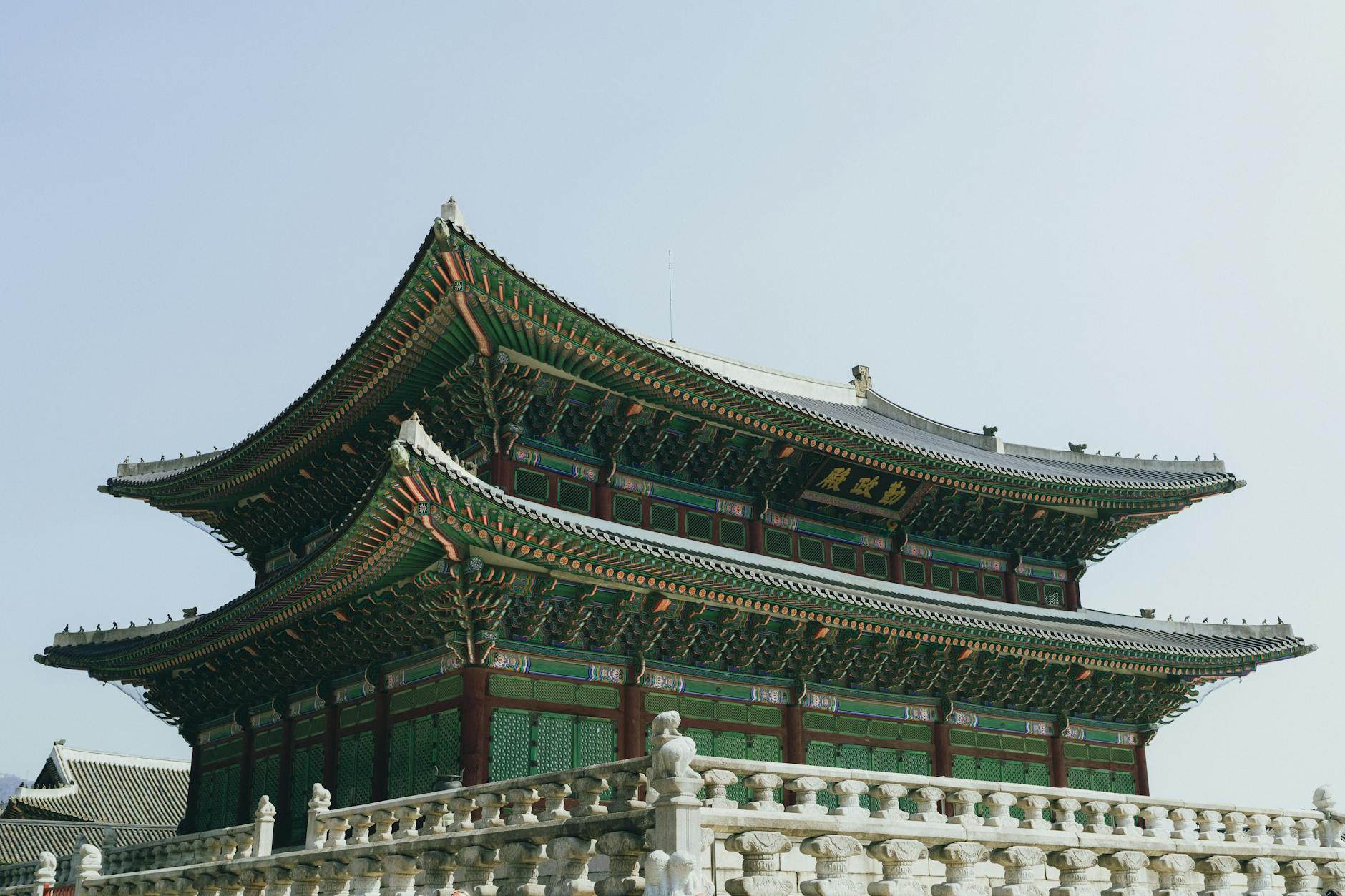
The royal grounds of Gyeongbokgung Palace give Seoul its grand historical frame. First built in 1395 during the Joseon dynasty, the palace served as the main royal residence and still feels commanding today.
Enter through Gwanghwamun Gate and allow time for Geunjeongjeon Hall, the throne hall where official ceremonies took place. The painted beams, stone courtyards, and mountain backdrop create one of the city’s most memorable views.
Travelers note that the changing of the guard adds color without feeling overly long. Renting hanbok nearby can also grant free palace entry, while photos among the gates look best in soft morning light.
Bukchon Hanok Village
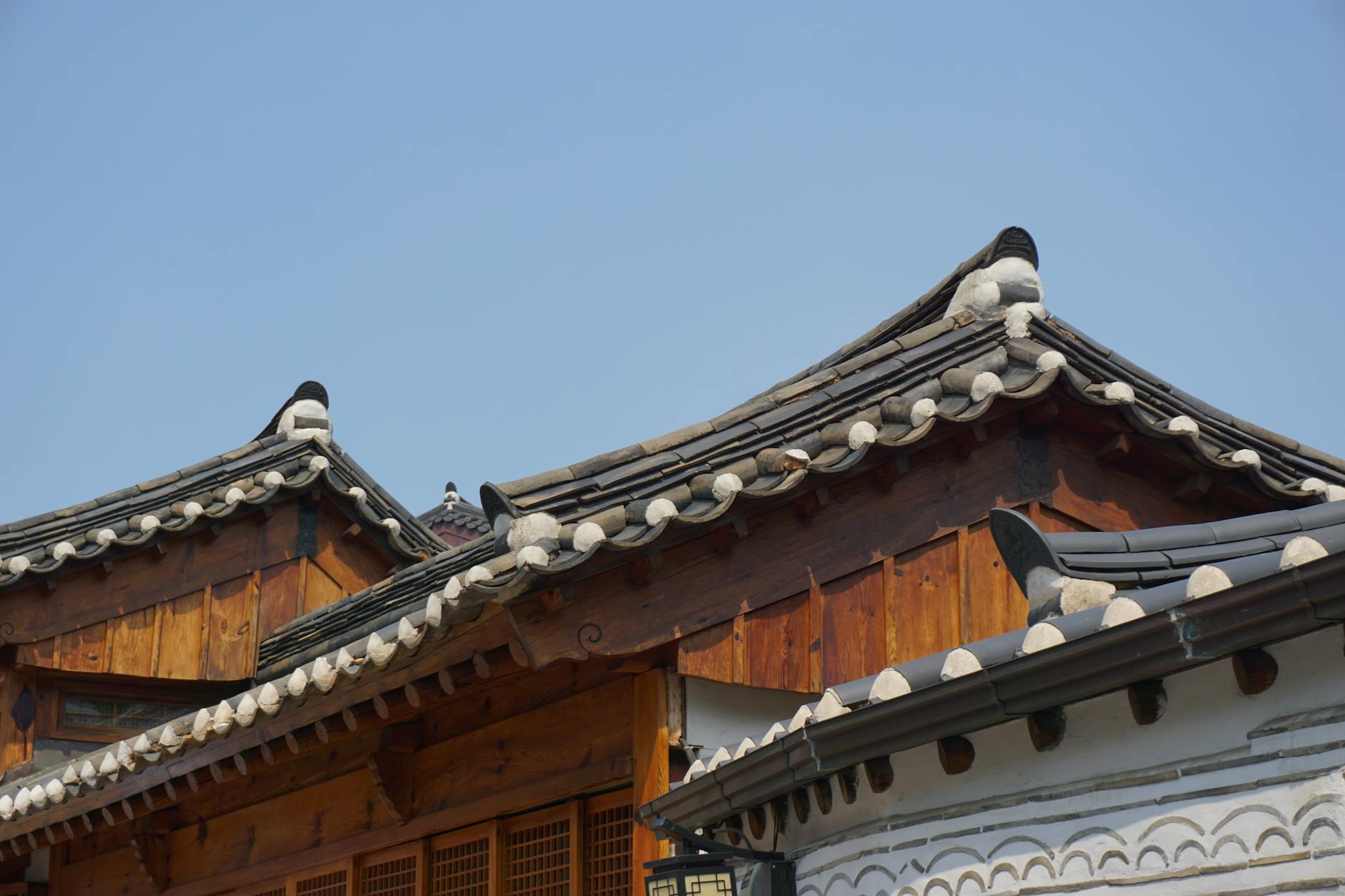
The hillside lanes of Bukchon Hanok Village sit between Gyeongbokgung and Changdeokgung, making the area easy to pair with a palace morning. Its traditional homes, called hanok, feature curved tiled roofs and wooden frames.
This is still a lived-in neighborhood, not a theme park. Visitors should keep voices low, avoid blocking doorways, and follow posted photo rules, especially on narrow residential lanes.
The best experience comes from wandering slowly toward viewpoints that frame old roofs against modern towers. Small craft shops, tea houses, and cultural centers add texture, while nearby Samcheong-dong brings stylish cafés and galleries.
Hongdae District (K-pop)
The creative streets of Hongdae District pulse with student energy, indie music, fashion boutiques, and K-pop dance covers. The area grew around Hongik University, known for art and design, and that creative charge still shapes its streets.
Evenings bring buskers, dance crews, themed cafés, and cosmetic shops glowing under bright signs. Visitor reviews confirm that Hongdae feels most alive after sunset, especially from Friday to Sunday.
K-pop fans can browse album shops, watch street performances, and follow the latest styling trends in real time. The district also suits travelers who prefer casual dining, late cafés, and nightlife with a younger crowd.
Namdaemun Market
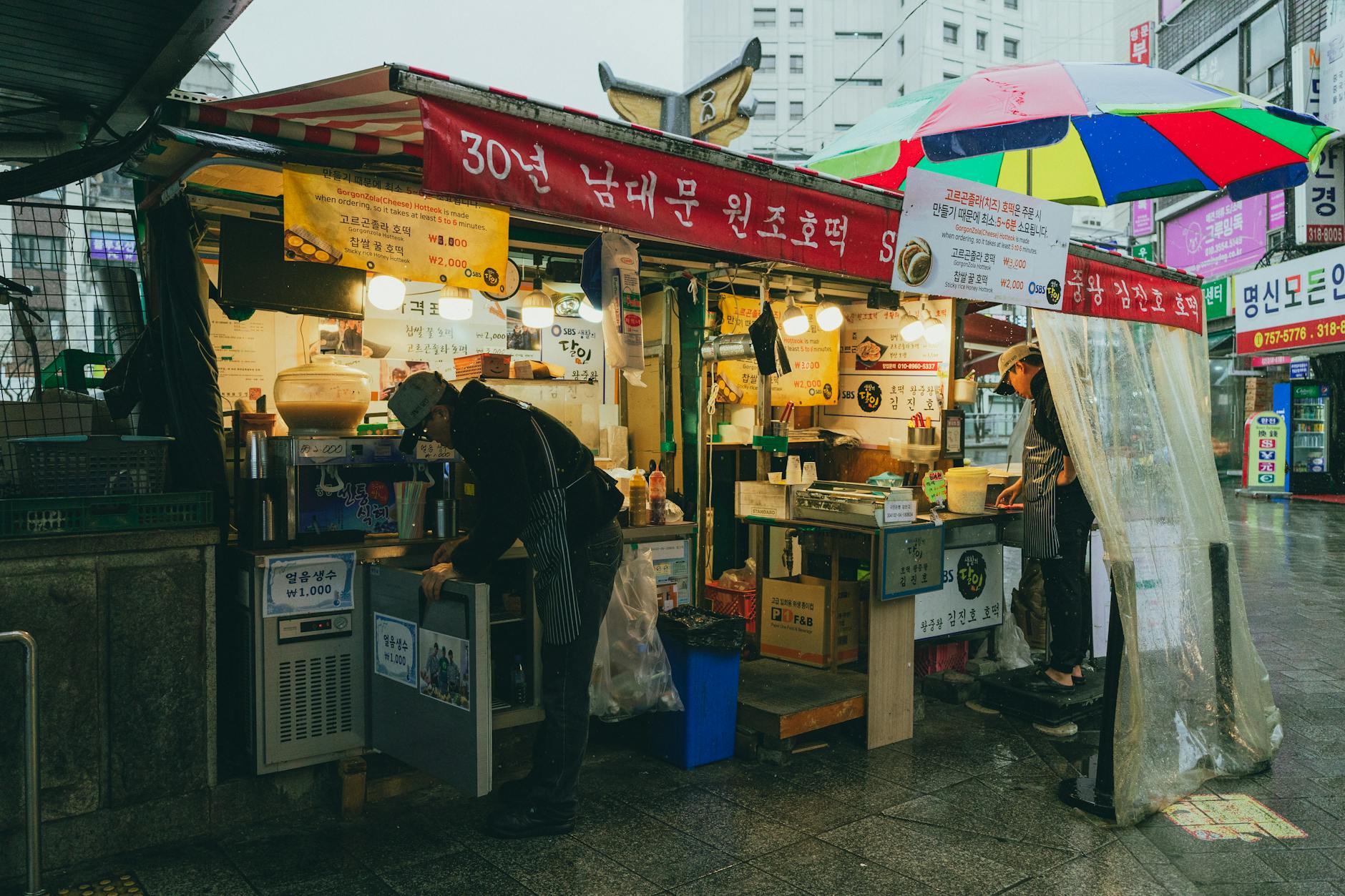
The bustling alleys of Namdaemun Market show Seoul at its most practical and sensory. Founded near the old south gate, this market is known for clothing, kitchenware, souvenirs, glasses, ginseng, and quick meals.
Come hungry. The food lanes serve kalguksu noodles, mandu dumplings, hotteok pancakes, and fish cakes, often from tiny counters where regulars eat fast and vendors move with impressive precision.
Prices are usually friendlier than in polished shopping districts, though bargaining depends on the item and stall. Local guides recommend carrying some cash, arriving before lunch, and using nearby Hoehyeon Station for easy access.
Food & local cuisine in Seoul
Seoul’s food scene moves from royal court traditions to 24-hour barbecue joints without losing its sense of place. Meals are social, generous, and often built around shared plates.
The classic Korean barbecue experience is a highlight for many visitors. Beef galbi, pork samgyeopsal, lettuce wraps, garlic, ssamjang, and small side dishes turn dinner into a lively ritual around the grill.
For comfort food, try bibimbap, kimchi jjigae, tteokbokki, gimbap, and seolleongtang, a milky ox-bone soup. Street food tastes best in markets such as Namdaemun, Gwangjang, and Myeongdong.
Café culture is another Seoul signature. Expect immaculate desserts, seasonal drinks, rooftop views, and themed interiors that turn a simple coffee stop into part of the itinerary.
Food travelers should learn a few phrases, including annyeonghaseyo for hello and gamsahamnida for thank you. Many restaurants have picture menus, while central neighborhoods often have English ordering screens.
Traveler tip: at busy barbecue restaurants, staff often help cook the meat at the table. Let them guide the timing, since they know exactly when each cut is ready.
Getting to Seoul and getting around
Seoul is well connected internationally and very easy to navigate once on the ground. The transport system is clean, frequent, and signed in Korean and English across most central routes.
Plan arrivals and daily routes with a transport card, since small conveniences add up. A T-money card works on subways, buses, many taxis, and some convenience store purchases.
Getting there
Most international travelers land at Incheon International Airport, one of Asia’s major hubs. The Airport Railroad Express links Incheon Terminal 1 with Seoul Station in about 43 minutes on the non-stop train.
Gimpo Airport handles many domestic and regional flights, including routes to Japan, China, and Jeju. Airport buses reach hotel districts directly, while taxis suit late arrivals or travelers carrying heavy luggage.
Getting around
The Seoul subway network is the best way to move across the city. Trains are punctual, stations are numbered, and major stops have clear English signage, though some transfers involve long walks underground.
Buses fill gaps between subway lines and climb into hillside neighborhoods. Taxis are safe and widely available, but traffic can slow journeys near Gangnam, Jongno, Myeongdong, and the river bridges during peak hours.
Budget & practical tips
Seoul sits in the premium range, especially for travelers who want central hotels, curated restaurants, and shopping in trend-led neighborhoods. Still, the city allows smart spending through public transport, market meals, and free cultural walks.
Book accommodation near a useful subway interchange rather than chasing the cheapest room far from the center. Good bases include Myeongdong for first-timers, Hongdae for nightlife, and Jongno for palaces and traditional streets.
How much to budget for Seoul
For a comfortable premium trip, plan around 180 to 300 USD per person per day, excluding long-haul flights. This can cover a good hotel, public transport, paid sights, café stops, and varied meals.
- A central mid-range to upscale hotel: often 120 to 250 USD per night, higher in peak periods.
- A subway or bus ride: usually low-cost with a transport card.
- A casual Korean meal: often 8 to 18 USD, depending on the area.
- A Korean barbecue dinner: commonly 25 to 60 USD per person.
Best time to visit: April to June and September to November
The spring months from April to June bring mild weather, blossoms, and comfortable palace walks. April can be busy around cherry blossom season, so hotel reservations should be made early.
The autumn months from September to November are equally rewarding, with crisp skies, golden gingko trees, and strong visibility from city viewpoints. Summer is humid and rainy, while winter is dry, cold, and atmospheric.
Pack good walking shoes, a light jacket for shoulder seasons, and a portable battery for maps and translation apps. Seoul is safe and organized, but its scale rewards travelers who plan each day by district.
Frequently Asked Questions about Seoul
Similar Destinations
Shanghai
Shanghai, China's most electrifying metropolis, stacks a century of colonial grandeur along the Bund against…
DiscoverHong Kong
Hong Kong, China, rewards visitors with electrifying contrasts: the sweeping skyline seen from Victoria Peak…
DiscoverTaipei
Taipei, Taiwan's electric capital, draws travelers with iconic landmarks like Taipei 101, the dazzling Shilin…
Discover