Taipei

Everything about Taipei
How does a capital city feel calm while glowing with neon, incense smoke, mountain mist, and late-night food stalls? Visiting Taipei reveals that rare mix within a single metro ride.
Taiwan’s capital moves fast, yet never feels harsh. Temples sit beside designer boutiques, scooters hum past tea houses, and forested hills frame the skyline like a painted screen.
This guide focuses on the places, flavors, transport tips, and seasonal advice that help travelers shape a smooth Taipei itinerary. Expect height, history, street food, and one unforgettable coastal mountain day trip.
Why visit Taipei?
Taipei rewards travelers who enjoy layered cities. It has big-city energy, clean public transport, mountain trails, serious museums, and food streets where dinner can last for hours.
The city also works well for first-time visitors to East Asia. Signs often include English, locals tend to help, and the MRT makes key neighborhoods easy to reach without stress.
What makes Taipei unique
Taipei’s character comes from contrast. One morning can begin at the Longshan Temple courtyards, continue with oolong tea in a quiet lane, and end above the clouds at Taipei 101.
Japanese colonial architecture, Chinese art collections, Hokkien traditions, and modern Taiwanese design all shape the city. Visitor reviews often mention how safe and welcoming Taipei feels, even after midnight.
Taipei at a glance
Taipei sits in northern Taïwan, surrounded by green hills and linked to nearby hot springs, beaches, and old mining towns. The city proper has about 2.5 million residents.
The mood is practical, friendly, and food-obsessed. Travelers come for the Taipei 101 Tower, night markets, museums, temples, bubble tea, beef noodle soup, and easy day trips.
What to see and do in Taipei?
Taipei is compact enough for a short city break, yet varied enough for a full week. The best itineraries mix landmarks, markets, culture, and one escape into the hills.
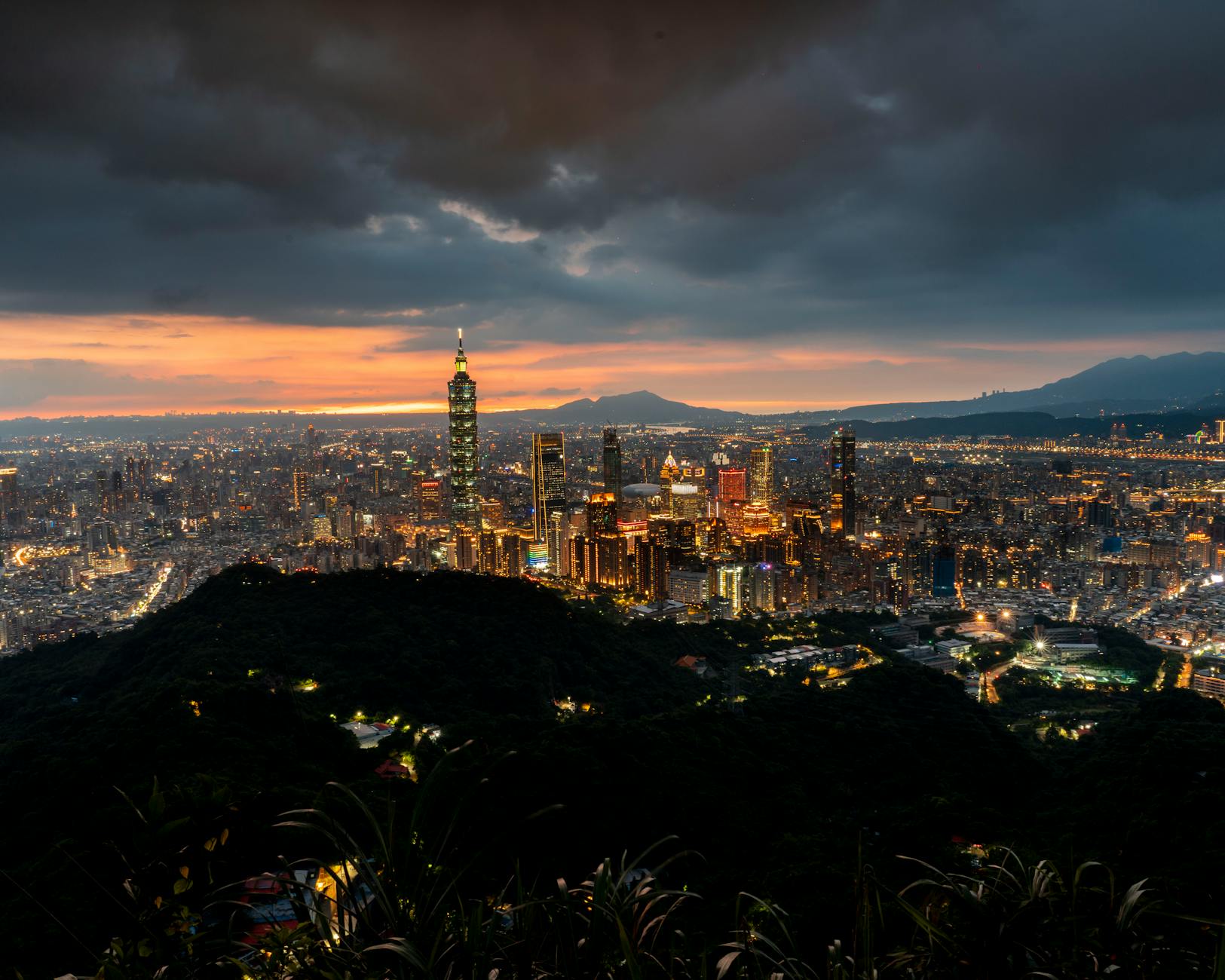
Local guides recommend grouping sights by metro line when possible. This saves time and leaves more room for slow meals, tea breaks, and evening walks through lively districts.
Taipei 101 Tower
The Taipei 101 Tower rises 508 meters above Xinyi District and has 101 floors. It was the world’s tallest building from 2004 to 2010, a fact that still shapes its fame.
The high-speed elevator reaches the observatory in less than a minute. From the upper floors, the city appears as a basin of towers, temples, rivers, and distant mountains.
Visit before sunset for the best light, then stay as Taipei turns gold, blue, and electric. On clear days, Elephant Mountain gives another superb view of the tower itself.
Shilin Night Market
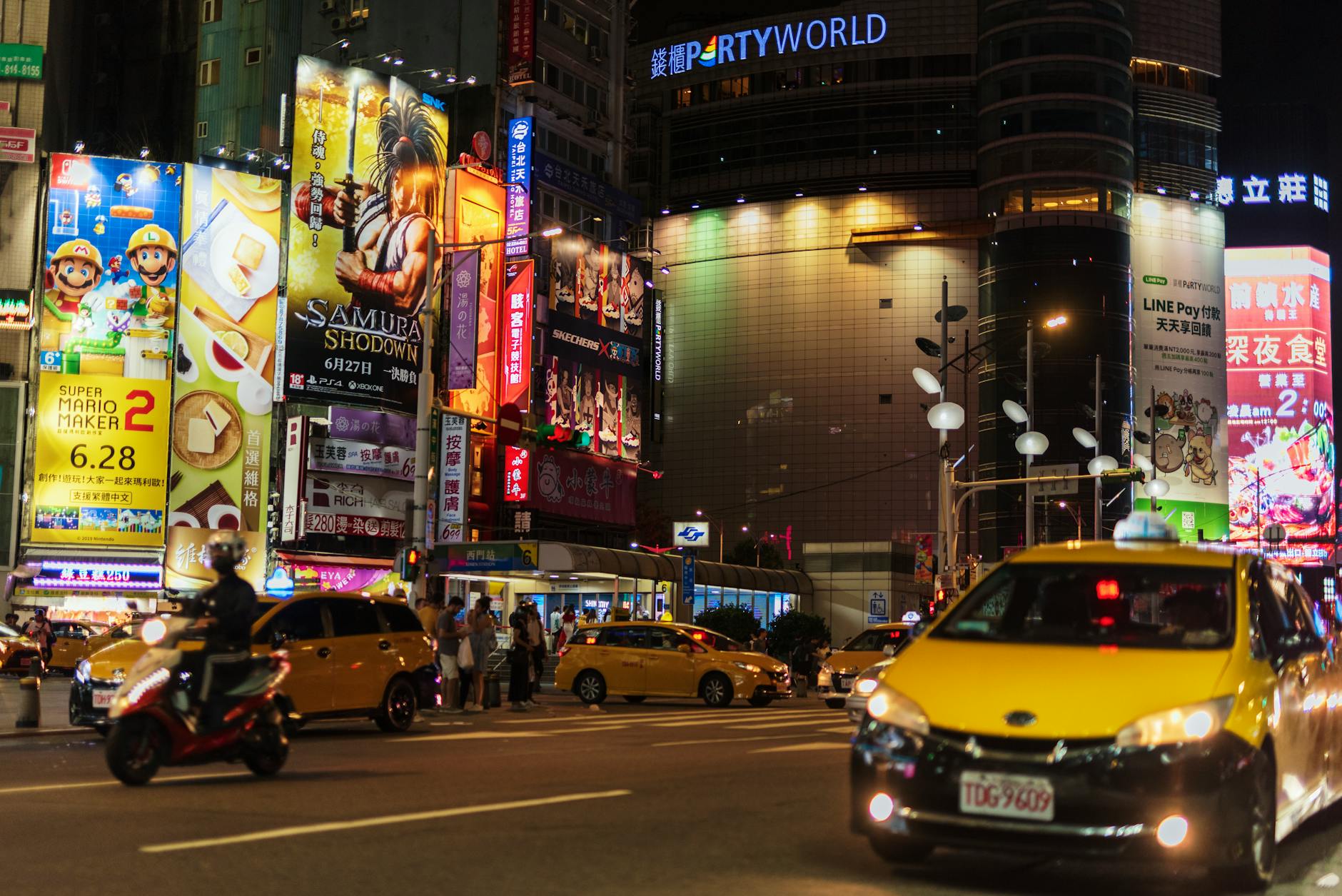
The Shilin Night Market is Taipei at its loudest and most delicious. It spreads through lanes packed with snack stalls, game booths, clothing shops, fruit stands, and steaming grills.
Come hungry, because grazing is the whole point. Popular bites include oyster omelet, giant fried chicken cutlet, pepper buns, stinky tofu, sweet potato balls, and shaved ice with mango.
Go on a weekday evening for slightly thinner crowds. Travelers note that the best approach is to share dishes, carry small cash, and follow queues where locals are waiting patiently.
National Palace Museum
The National Palace Museum holds one of the world’s great Chinese art collections, with nearly 700,000 artifacts in its care. Only a portion is displayed at any time.
Famous pieces include the Jadeite Cabbage and the Meat-shaped Stone, both small, strange, and much more charming than photos suggest. The bronzes, ceramics, paintings, and calligraphy deserve slower attention.
Set in Shilin District, the museum pairs well with nearby gardens or Beitou hot springs. Reserve enough time, because rushing through these galleries drains the pleasure from the visit.
Jiufen (day trip)
The day trip to Jiufen takes travelers from Taipei’s metro polish into misty lanes above the northeast coast. The former gold-mining town clings to a hillside facing the Pacific.
Its narrow stairways glow with red lanterns, tea houses, taro ball stalls, souvenir shops, and old mining-era corners. A-Mei Tea House is the classic photo stop, especially near dusk.
Buses and trains connect Taipei with Ruifang and Jiufen, though weekends bring crowds. Local guides recommend going early, then adding Shifen Waterfall or the coastal views near Jinguashi.
Food & local cuisine in Taipei
Taipei may be one of Asia’s most enjoyable eating cities because high quality appears at every price point. A memorable meal can mean a refined tasting menu or a paper bowl beside a scooter lane.
Start with the Taiwanese beef noodle soup, rich with slow-braised meat, chewy noodles, pickled greens, and dark broth. Many shops specialize in one recipe and have regulars who return for decades.
Night markets reveal the city’s snack culture. Try oyster omelet with sweet-savory sauce, lu rou fan with braised pork rice, scallion pancakes, gua bao, grilled squid, and tofu pudding.
Bubble tea began in Taïwan, so Taipei is a natural place to compare versions. Brown sugar pearls, fresh milk tea, winter melon tea, and fruit teas appear on almost every busy street.
Travelers note that Taipei rewards patience at food stalls. A short queue often means fresh frying, better turnover, and a dish worth waiting for.
For calmer meals, look around Yongkang Street, Dadaocheng, Da’an, and Zhongshan. These neighborhoods mix noodle shops, tea salons, bakeries, vegetarian restaurants, izakaya-style counters, and polished Taiwanese dining rooms.
Getting to Taipei and getting around
Taipei is one of the easiest Asian capitals to navigate without a car. Airports, trains, metro lines, buses, taxis, and bike-sharing all connect with impressive order.
English signage is common in major stations, and payment systems are simple once an EasyCard is loaded. This card works across MRT, buses, convenience stores, and many YouBike stations.
Getting there
Most international travelers arrive at Taïwan Taoyuan International Airport, about 40 kilometers west of central Taipei. The Airport MRT links the terminals with Taipei Main Station in around 35 to 50 minutes.
Taipei Songshan Airport handles many domestic and regional flights and sits much closer to downtown. High-speed rail also connects Taipei with Taichung, Tainan, and Kaohsiung along the island’s western corridor.
Getting around
The Taipei MRT network is clean, frequent, and simple to use. Lines are color-coded, announcements include English, and stations serve most major sights, shopping districts, and transport hubs.
Taxis are plentiful, while buses help reach places beyond metro coverage. YouBike is useful for riverside paths and short urban hops, though traffic can feel intense for nervous cyclists.
Budget & practical tips
Taipei fits a moderate budget better than many major East Asian capitals. Hotels can rise in price on weekends and holidays, but food, public transport, and casual attractions remain good value.
Carry some cash for night markets and older eateries. Credit cards work in hotels, malls, and many restaurants, yet small stalls often prefer coins and notes.
- For the MRT and buses, buy or load an EasyCard soon after arrival.
- For temples, dress respectfully and step aside when worshippers are praying.
- For night markets, bring tissues, hand sanitizer, and patience in crowded lanes.
- For day trips, check weather carefully, since mountain towns like Jiufen can turn foggy fast.
How much to budget for Taipei
A moderate daily budget usually covers a comfortable mid-range hotel, MRT transport, casual meals, snacks, and one paid attraction. Many travelers spend less by choosing guesthouses and night-market dinners.
Expect street snacks to cost only a few dollars, while stylish cafes and museum restaurants cost more. Taipei 101 observatory tickets, private transfers, and boutique hotels are the main budget stretchers.
Best time to visit: October to April
October to April is the best period for visiting Taipei, with cooler air, clearer walking weather, and fewer steamy afternoons. January and February can feel damp, so pack layers.
Spring brings blossoms and pleasant city walks, while late autumn often has crisp skies. Summer is hotter, wetter, and more affected by typhoon season, though indoor attractions still work well.
Frequently Asked Questions about Taipei
Similar Destinations
Shanghai
Shanghai, China's most electrifying metropolis, stacks a century of colonial grandeur along the Bund against…
DiscoverSingapore
Singapore, the dazzling city-state of Southeast Asia, stuns visitors with the soaring towers of Marina Bay…
DiscoverTokyo
Tokyo, Japan hits fast: Shibuya Crossing surges with crowds, Sensō-ji Temple anchors old Asakusa, and…
Discover