Beijing, China layers imperial drama and living street life, from the Forbidden City’s vermilion gates to dawn tai chi at the Temple of Heaven. Visit April to June or September to October for clear skies, mild days, and the Great Wall at Mutianyu in its best light.
Everything about Beijing
Can one city hold imperial courts, Communist ceremony, alleyway breakfasts, and mountain walls within a single itinerary? For travelers visiting Beijing, the answer arrives quickly, often before the first bowl of noodles cools.
China’s capital is vast, polished in places, stubbornly old in others, and full of rituals that reward patience. Gates frame horizons, cypresses shade temple grounds, and morning parks buzz with tai chi and song.
This guide focuses on Beijing’s classic sights, practical transport choices, food worth seeking, and seasonal timing. Expect grand scale, security checks, reservation rules, and moments of quiet beauty behind red walls.
Why visit Beijing?
What makes Beijing unique
Beijing is not just a capital city. It is a stage where dynastic power, modern politics, neighborhood life, and northern Chinese food culture meet in plain sight.
Across the old imperial axis, gates, halls, temples, and squares align with striking precision. Few cities in East Asia display authority through space quite so clearly.
Yet the city is not frozen in ceremony. Hutong lanes still hide tiny noodle shops, courtyard homes, bicycle repair stands, and elderly residents playing cards under low eaves.
Beijing at a glance
In the city: Beijing, capital of China, in East Asia.
For the main highlights: Forbidden City, Mutianyu Great Wall, Temple of Heaven, and Tiananmen Square.
For the travel style: premium, culture-rich, and easier with advance planning.
For the best period: April to June and September to October.
The scale matters. Beijing has more than 20 million residents, and even “nearby” sights can involve long rides across wide avenues and ring roads.
What to see and do in Beijing?
Forbidden City
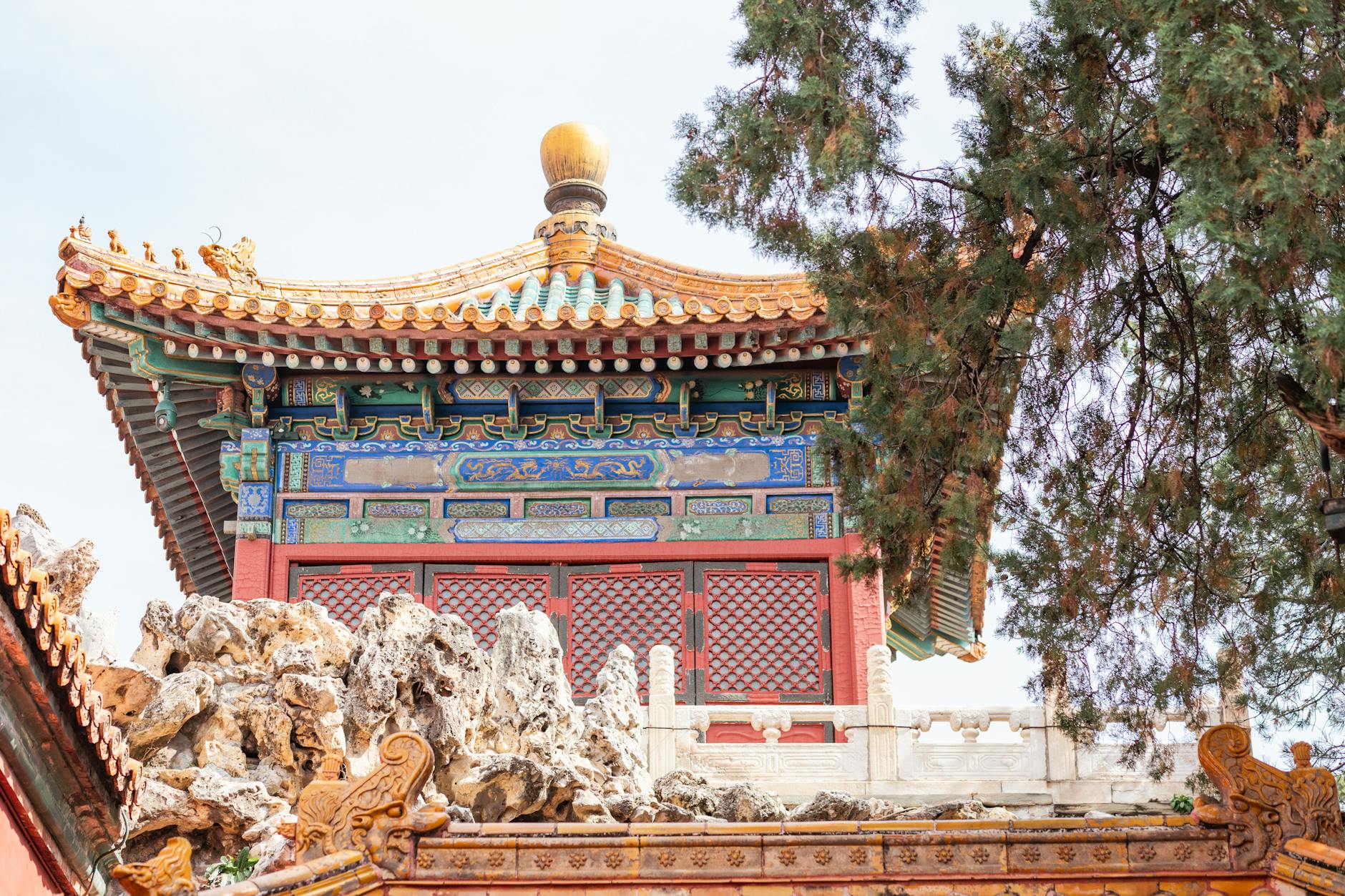
Inside the Forbidden City, Beijing reaches its most theatrical form. Red walls, golden roof tiles, marble terraces, bronze lions, and vast courtyards create a processional route once reserved for emperors and court officials.
The palace complex covers about 72 hectares and contains around 980 surviving buildings, making it one of the largest wooden architectural ensembles in the world. Timed tickets are usually required.
Local guides recommend entering early, then moving beyond the central halls toward side courtyards and quieter galleries. The Palace Museum displays ceramics, clocks, imperial robes, calligraphy, and objects that add texture to the architecture.
Visitor reviews confirm that fatigue arrives fast here. Wear comfortable shoes, bring a passport for checks, and save energy for the northern exit near Jingshan Park.
Travelers often describe the Forbidden City as overwhelming at first, then strangely intimate once they step into smaller courtyards away from the central stream of visitors.
Great Wall (Mutianyu)
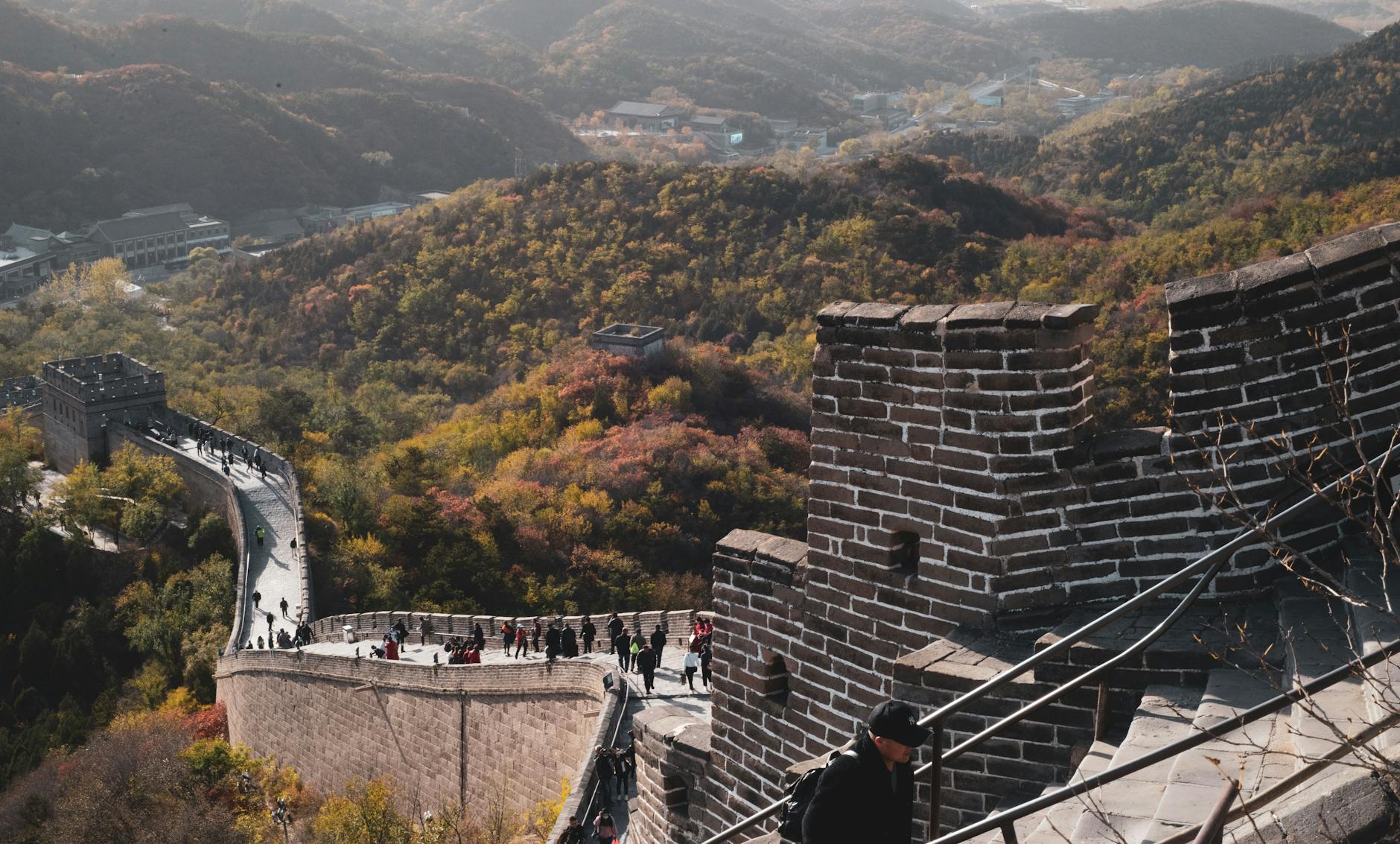
At Mutianyu Great Wall, the mountains soften Beijing’s intensity. This restored section sits roughly 70 kilometers northeast of the city and is known for watchtowers, wooded ridges, and cleaner logistics than busier sections.
Mutianyu suits travelers who want dramatic Wall views without the heaviest crowds found at Badaling. Cable cars and a chairlift reduce the climb, while a toboggan descent adds a playful finish.
The best experience comes with an early start. Morning light cuts across the crenellations, tour groups are thinner, and the ridgeline feels more open before midday haze builds.
Bring water and sun protection, even outside summer. Steps vary in height, and the Wall can feel surprisingly steep between towers, especially after rain or wind.
Temple of Heaven
In the Temple of Heaven, symmetry meets everyday Beijing life. The Ming and Qing emperors came here to pray for good harvests, but today the park also belongs to singers, dancers, chess players, and tai chi groups.
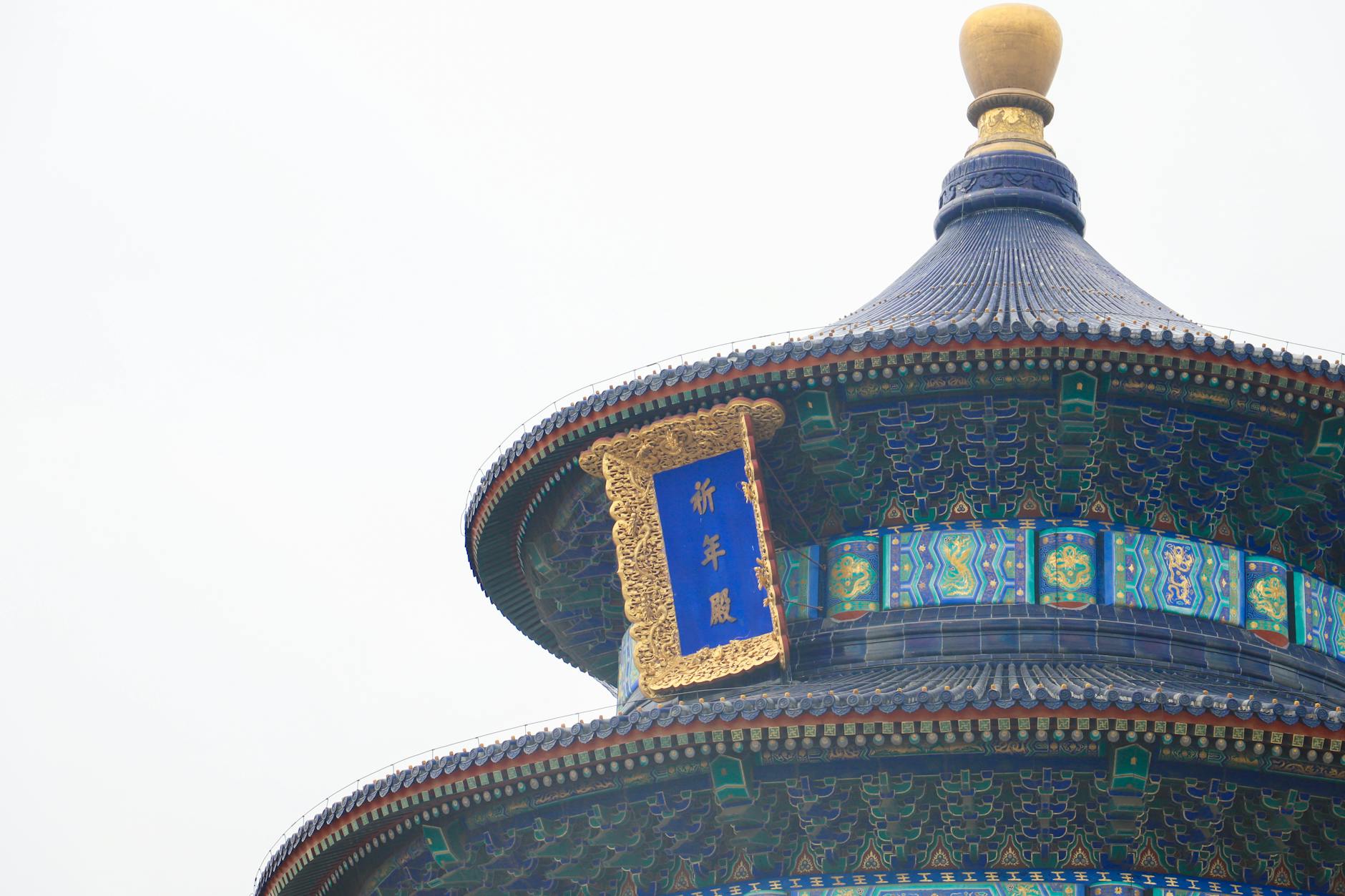
The Hall of Prayer for Good Harvests is the landmark image: a round, triple-gabled timber building raised on a marble platform. Its blue tiles stand apart from the yellow roofs of imperial palaces.
Do not rush straight to the main hall and leave. The Echo Wall, Circular Mound Altar, long corridors, and ancient cypresses give the site its rhythm.
Local guides recommend arriving shortly after opening, when residents gather for morning exercise. That living layer often becomes the most memorable part of the visit.
Tiananmen Square
On Tiananmen Square, Beijing’s ceremonial scale becomes impossible to ignore. The square covers about 440,000 square meters and is framed by monumental buildings, national symbols, and heavily controlled access points.
The Gate of Heavenly Peace stands to the north, with Mao’s portrait facing the square. Nearby landmarks include the Great Hall of the People, the National Museum of China, and the Monument to the People’s Heroes.
Security checks are strict, and visitors should carry a passport. Advance registration may be required, especially during public holidays or periods of high demand.
The flag-raising ceremony at dawn draws determined crowds. Arrive very early if attending, and expect controlled movement rather than casual wandering.
Food & local cuisine in Beijing
Beijing food is hearty, wheat-based, and deeply satisfying in cool weather. Noodles, dumplings, pancakes, roasted meats, sesame paste, scallions, garlic, and dark bean sauces appear again and again.
For Peking duck in Beijing, book ahead at a respected roast duck restaurant. The best versions bring crisp lacquered skin, tender meat, thin pancakes, sweet bean sauce, cucumber, and scallions in careful balance.
Zhajiangmian is another local classic. Thick wheat noodles arrive with fermented soybean paste, minced pork, shredded cucumber, radish, and bean sprouts, then everything is mixed at the table.
Street-style breakfasts deserve attention. Jianbing, a crisp-edged egg crepe with sauce and crunchy wonton, works well before sightseeing, especially near metro stations or hutong corners.
In the hutong neighborhoods, small restaurants serve lamb skewers, dumplings, hotpot, donkey meat sandwiches, and bowls of spicy-sour noodles. Menus may be Chinese-only, so translation apps help.
Tea houses and modern cafés are common around restored lanes and shopping districts. For a more local pause, seek jasmine tea, hawthorn drinks, or warm soy milk with fried dough sticks.
Travelers with dietary restrictions should prepare written Chinese phrases. Vegetarian cooking exists, but broths, lard, oyster sauce, or small amounts of meat can appear in dishes that look plant-based.
Getting to Beijing and getting around
Getting there
For arriving in Beijing, most international travelers use Beijing Capital International Airport or Beijing Daxing International Airport. Both connect to the city by rail, taxi, and app-based ride services.
Capital Airport sits northeast of central Beijing and is convenient for many legacy international routes. Daxing, south of the city, is strikingly modern and linked by fast airport train services.
High-speed rail is also a strong choice for travel within China. Beijing South and Beijing West stations connect with cities such as Shanghai, Xi’an, Tianjin, and Guangzhou.
Keep passports handy for airports, rail stations, hotels, and major attractions. China’s travel systems often match tickets to identity documents.
Getting around
On the Beijing Subway, navigation is usually straightforward. The network runs more than 800 kilometers of track, station signs include English, and trains avoid the worst surface traffic.
Distances still take time. A map may show two sights close together, but wide roads, security barriers, and station transfers can stretch a simple journey.
Taxis and ride-hailing are useful at night or for routes with weak metro links. Have the destination written in Chinese, since not every driver reads English place names.
Walking works best inside specific areas, such as around the Forbidden City, Shichahai, Dashilan, and selected hutongs. Cycling can be pleasant on quieter lanes, but traffic demands attention.
Budget & practical tips
How much to budget for Beijing
For a premium Beijing budget, plan around €€€ rather than a low-cost city break. Good central hotels, private transfers, quality restaurants, and guided Great Wall trips raise daily spending.
Mid-to-high range travelers may spend more for a hotel inside or near the Second Ring Road. That location saves time when visiting the Forbidden City, Tiananmen Square, and nearby hutongs.
For hotels in central Beijing: expect higher rates near Wangfujing, Qianmen, Sanlitun, and the embassy districts.
For meals in local restaurants: simple noodles or dumplings stay affordable, while roast duck restaurants cost far more.
For day trips to Mutianyu: private cars and guides cost more, but save time and reduce language friction.
For payments in Beijing: Alipay and WeChat Pay are widely used, while foreign cards are less reliable in small shops.
Reserve major sights early, especially the Forbidden City. Carry a passport, keep digital copies of bookings, and allow extra time for security lines.
Best time to visit: April to June and September to October
During April to June in Beijing, spring turns temple parks green, temperatures are comfortable, and long sightseeing days feel manageable. Occasional dust or pollen can still affect sensitive travelers.
From September to October, the city often has crisp air, golden light, and pleasant evenings. Autumn also suits Mutianyu, where forested hills begin shifting color.
Summer brings heat, humidity, and sudden storms. Winter can be dry and bitterly cold, though skies may look dramatic after wind clears the air.
Avoid Chinese national holiday peaks when possible, especially early May and the first week of October. Attractions, trains, hotels, and Wall transfers become much busier.
Frequently Asked Questions about Beijing
What are the best things to see in Beijing for a first trip?
Start with the Forbidden City, Tiananmen Square, the Temple of Heaven, and a walk through the hutongs around Shichahai or Nanluoguxiang. Add the Great Wall at Mutianyu if time allows, as it has restored watchtowers, mountain views, and fewer crowds than Badaling.
Is the Forbidden City in Beijing worth visiting?
Yes, the Forbidden City is one of Beijing’s most impressive sights, with vast courtyards, red palace walls, carved gates, and centuries of imperial history. Book tickets in advance, bring a passport, and plan at least 2 to 3 hours for a proper visit.
How do you get to the Great Wall at Mutianyu from Beijing?
Mutianyu is about 70 km northeast of central Beijing, and many travelers use a private driver, small-group tour, or a bus from Dongzhimen to Huairou followed by a local taxi. The journey usually takes 1.5 to 2.5 hours each way, depending on traffic.
When is the best time to visit Beijing?
The best months are April, May, September, and October, when temperatures are pleasant and skies are often clearer. Summer can be hot and humid, while winter is cold but good for smaller crowds at the Forbidden City and the Great Wall.
Is Tiananmen Square free to visit?
Tiananmen Square is free, but visitors usually need to show a passport and pass security checks before entering. Go early in the morning for the flag-raising ceremony or late afternoon for softer light on the gates and monuments.
How many days do you need in Beijing?
Three full days cover the main landmarks: the Forbidden City and Tiananmen Square, the Temple of Heaven and hutongs, plus a day trip to Mutianyu Great Wall. Four or five days allow a slower pace and time for the Summer Palace, Lama Temple, markets, and Peking duck.