Explore Taiwan
1 destination to discover
Everything about Taiwan
Traveling to Taiwan means stepping into a place that quietly defies expectations — a compact island packed with ancient temples, neon-lit night markets, dramatic mountain gorges, and one of Asia's most dynamic food cultures.
At roughly 36,000 square kilometers, Taiwan punches far above its size. Around 23 million people live here, and their energy shapes every corner of the island.
This is a destination that rewards slow exploration. The further you go from the capital, the more layers you find.
Why travel to Taiwan?
What sets Taiwan apart from other destinations
Taiwan sits at a rare crossroads — Chinese heritage, Japanese colonial influence, and a fiercely modern identity all coexist in the same city block.
The contrast is physical too. Dense urban centers give way within an hour to forested peaks topping 3,000 meters and Pacific coastline roads that rank among Asia's most scenic.
The hospitality here is not a tourism slogan. Visitor reviews consistently cite Taiwanese friendliness as one of the most genuine in the region.
Taiwan at a glance
Taiwan covers an area slightly larger than Belgium or Maryland. The population of 23 million is concentrated in the western corridor, leaving the east and mountains surprisingly uncrowded.
The currency is the Taiwanese dollar (TWD). Mandarin Chinese is the official language, though Taiwanese Hokkien is widely spoken and English signage is common in cities.
The island's geography spans tropical beaches in the south, alpine forests in the center, and rugged, cliff-edged coastline along the east — all accessible by efficient public transport.
Regions and cities to explore
The main regions of Taiwan
The western plains hold the majority of Taiwan's cities, its fastest rail links, and most of its historical temples and cultural sites. This is where most journeys begin.
The central mountains are a world apart — hiking trails, cloud forests, and aboriginal villages that have shaped Taiwan's identity for thousands of years before any colonial period.
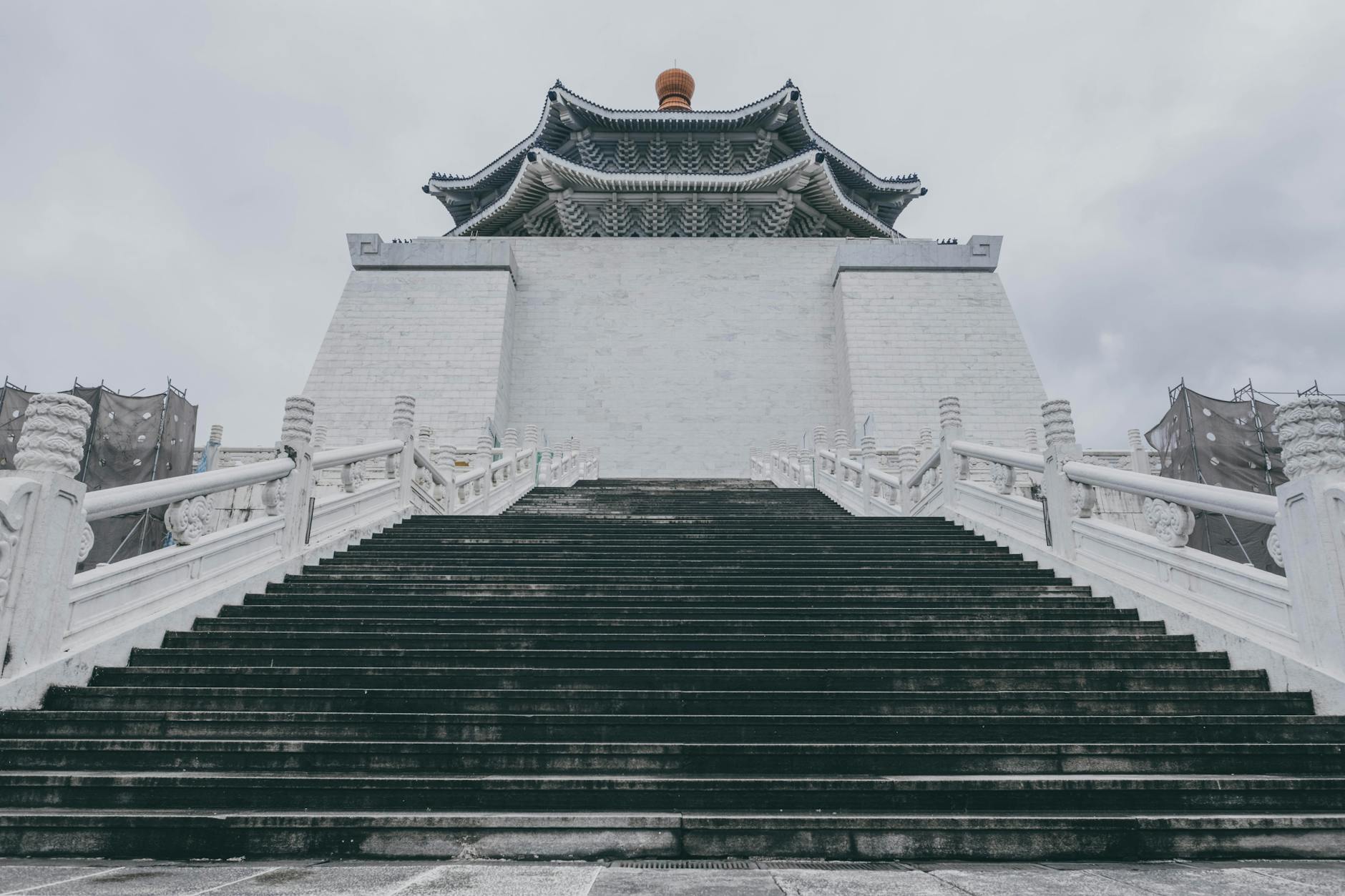
The east coast, anchored by Hualien and Taroko Gorge, is geologically spectacular. Marble cliffs drop straight into turquoise river water in ways that stop experienced travelers mid-sentence.
The southern tip around Kenting is tropical in feel, with coral reefs, beach towns, and year-round warmth that draws a very different crowd than the mountain interior.
Which cities should you visit?
Kaohsiung, Taiwan's second-largest city with over 2.7 million people, has transformed dramatically. Its harbor district and Lotus Pond temple complex make it a genuine destination, not just a transit stop.
Tainan is the oldest city on the island, founded in the 17th century. Local guides recommend spending at least two full days wandering its historic lanes, Dutch-era fort, and legendary street food stalls.
Jiufen, a hillside mining town north of Taipei, became famous internationally but still delivers. Red lanterns, steep alleyways, and ocean views through the mist create an atmosphere unlike anywhere else.
Ali Shan draws visitors for its sacred cedar forests and sunrise above the clouds — a ritual that requires an early mountain train ride and rewards with something genuinely memorable.
Sun Moon Lake sits at 748 meters elevation and is Taiwan's largest lake. A full circuit by bike or boat takes most of a day and passes Thao aboriginal culture sites and lakeside temples.
Hualien serves as the gateway to Taroko Gorge National Park. The town itself is relaxed, but the gorge — 19 kilometers of marble canyons — is the reason most people come east.
Culture, traditions and way of life
Taiwanese culture blends Confucian respect for elders and community with a creative, outward-looking energy that produces some of Asia's most vibrant art and design scenes.
Temple life is not ceremonial window-dressing here. Hundreds of active temples — Taoist, Buddhist, and syncretic — host festivals, fortune-telling rituals, and community gatherings throughout the year.
The Lantern Festival in February, the Dragon Boat Festival in June, and the Ghost Month in August each transform public spaces in ways that visitors rarely expect.
Aboriginal culture represents 16 officially recognized indigenous peoples with distinct languages, music, and traditions. Sites around Hualien, Ali Shan, and Sun Moon Lake provide real engagement, not just displays.
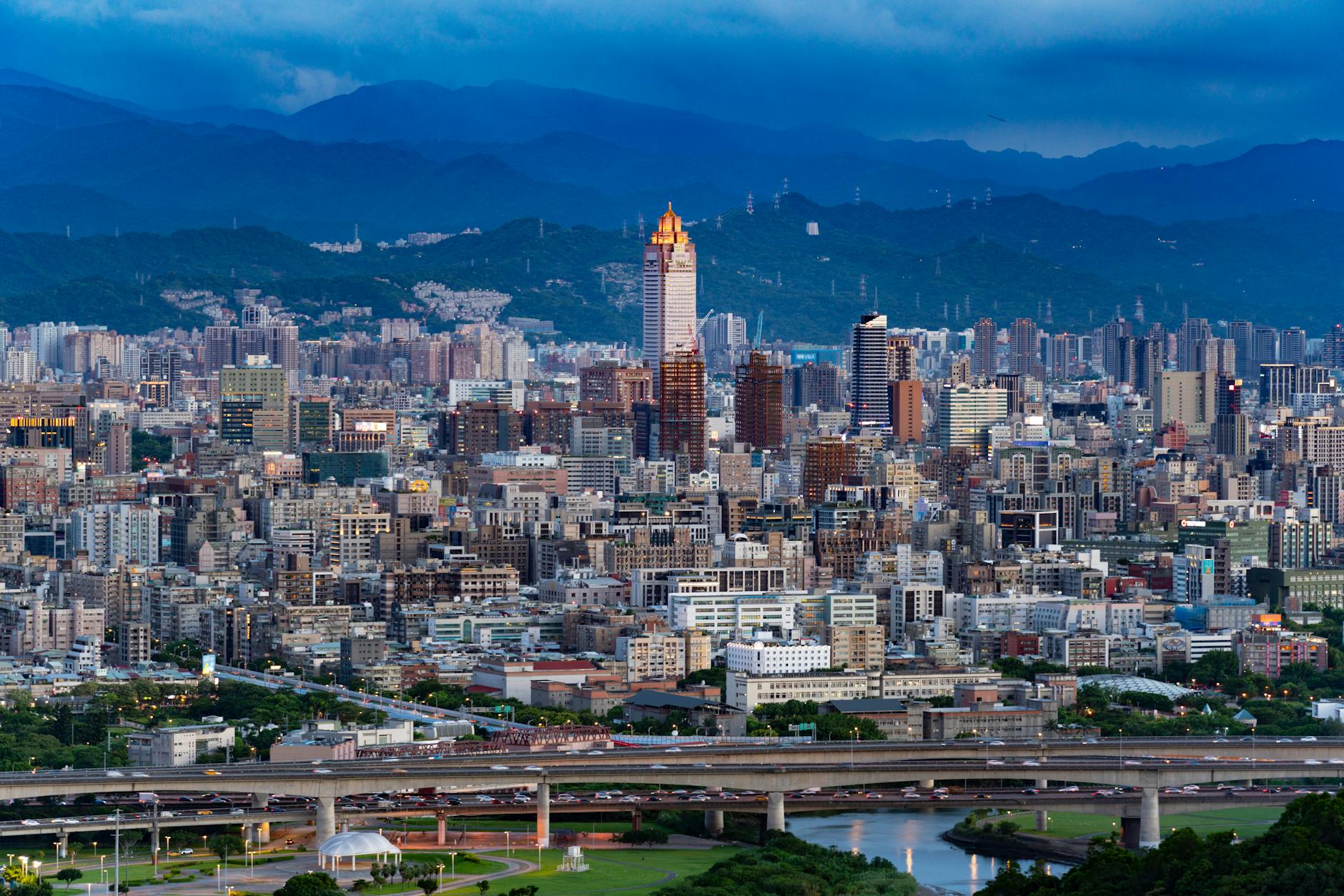
Night markets are as much social institution as dining venue. They run late — often past midnight — and function as the living room of Taiwanese neighborhoods, where all generations mix easily.
The pace of daily life in Taiwan tends to be warm and unhurried by East Asian standards. Travelers note that asking for directions or help rarely goes unrewarded, even with a language barrier.
Food: the flavors of Taiwan
Taiwanese food culture is one of the island's greatest draws. Night market stalls, hole-in-the-wall noodle shops, and century-old tea houses all feed into a culinary scene that locals take seriously.
Beef noodle soup is practically the national dish — rich, slow-braised broth with chewy noodles and meltingly tender meat. Every restaurant has its version, and debates about who makes it best are fierce.
Scallion pancakes, oyster vermicelli, stinky tofu, pineapple cake, and the iconic bubble tea (invented here in Tainan in the 1980s) each deserve attention on their own terms.
Tainan's street food reputation is unrivaled even within Taiwan. Local food writers describe it as the country's culinary capital, with dishes like milkfish porridge and shrimp rolls found nowhere else with the same quality.
A full meal at a traditional noodle shop costs around 80–150 TWD (roughly $2.50–$5 USD). Night market snacks run 40–80 TWD each. Eating well in Taiwan does not require a large budget.
High-mountain oolongs from Ali Shan and Sun Moon Lake represent Taiwan's other great food export. A proper tea tasting at a mountain plantation is an experience serious travelers plan around.
Practical information
Visa and entry requirements
Citizens of over 60 countries — including the United States, the United Kingdom, Canada, Australia, and most EU nations — enter Taiwan visa-free for stays of 30 to 90 days.
The entry process is straightforward: a valid passport, proof of onward travel, and sufficient funds. No visa application is needed in advance for most Western travelers.
Longer stays require a visitor visa obtained from a Taipei Economic and Cultural Office in the home country. Processing typically takes a few business days and costs around $45–$60 USD.
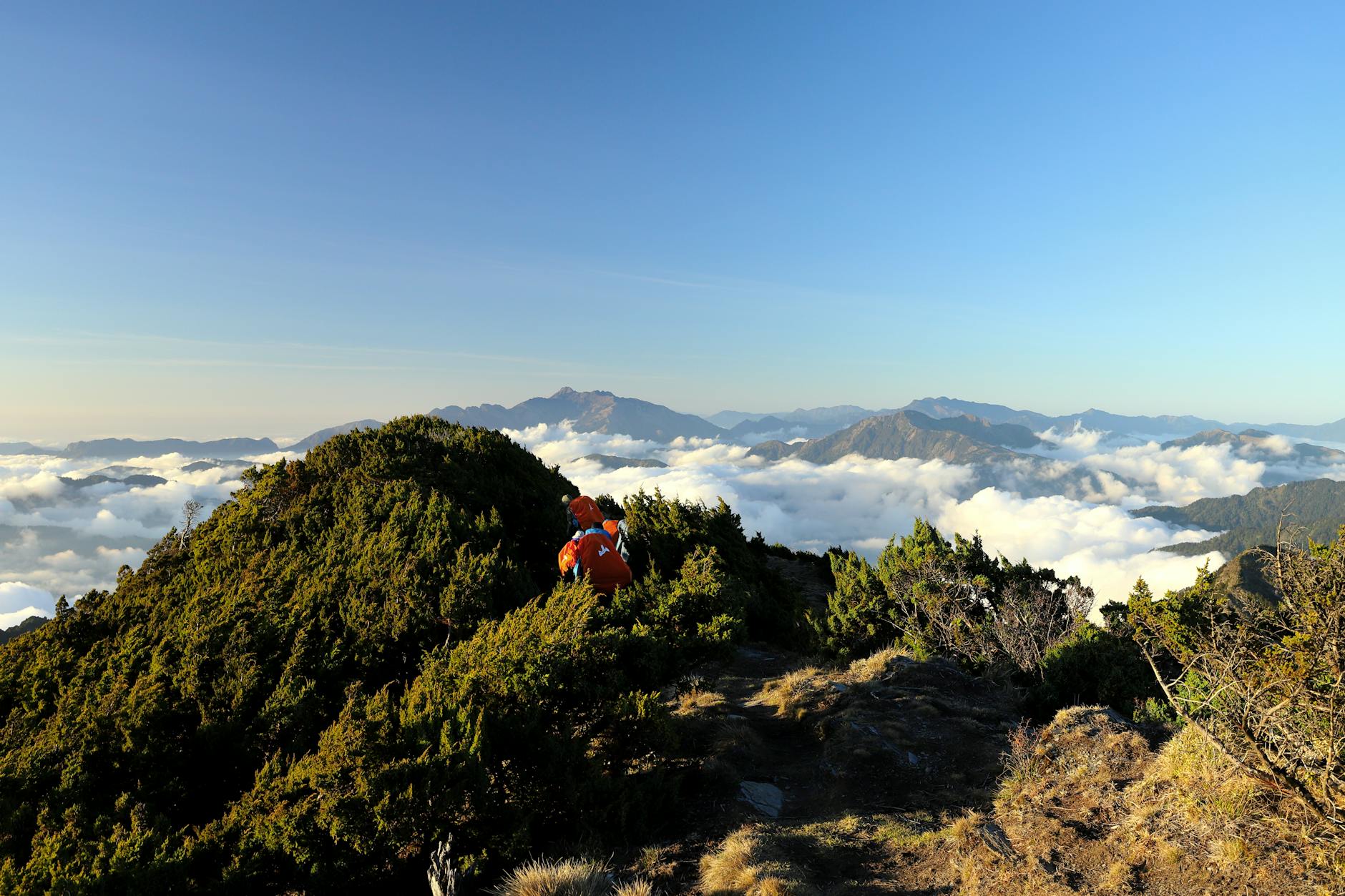
Budget and cost of living
Taiwan is genuinely affordable by developed-country standards. A mid-range daily budget of 1,500–2,500 TWD ($45–$80 USD) covers accommodation, meals, transport, and entry fees comfortably.
Budget travelers staying in hostels — beds start around 400–600 TWD per night — and eating at local stalls can manage on 800–1,200 TWD daily without sacrificing experience.
Mid-range hotels in cities run 2,000–4,000 TWD per night. Luxury options exist in Taipei and Kaohsiung from around 6,000 TWD. Resort areas like Sun Moon Lake carry a slight premium on weekends.
Getting around
Taiwan's High Speed Rail (HSR) links Taipei to Kaohsiung in 90 minutes, with stops at major western cities. It is fast, punctual, and worth buying a pass for multi-city trips.
Local trains serve the east coast and mountain routes where HSR doesn't reach. The EasyCard — a rechargeable smart card — works on metro systems, local buses, and some bike-sharing programs across multiple cities.
Scooter rentals are common for exploring rural areas and cost around 300–500 TWD per day. Car rental is practical outside cities, especially for east coast road trips.
When to visit Taiwan?
Taiwan's climate varies dramatically by region and season. The west and north experience a wetter winter; the south stays warm and relatively dry from November through April — making it the best window for Kaohsiung and Tainan.
Spring (March to May) is widely considered the most pleasant time island-wide. Temperatures sit between 18–26°C, humidity hasn't peaked, and mountain trails are clear after winter rains.
Summer brings heat and typhoon season — July through September sees the highest storm activity. Typhoons can close mountain roads and gorge trails with little warning, so travel insurance and flexible bookings matter during this period.
Autumn (October and November) brings cooler temperatures and clear skies, particularly good for hiking Ali Shan and cycling around Sun Moon Lake. Visitor reviews rate October as the single best month overall.
Winter is mild in the south and central regions but can be grey and cool in Taipei. It's low season, which means fewer crowds at Jiufen and lower hotel rates across the board — a real advantage for unhurried travelers.
Frequently Asked Questions about Taiwan
Similar Destinations
Explore more destinations in the same region of the world.
Beijing
Beijing, China layers imperial drama and living street life, from the Forbidden City’s vermilion gates to…
DiscoverShanghai
Shanghai, China's most electrifying metropolis, stacks a century of colonial grandeur along the Bund against…
DiscoverTokyo
Tokyo, Japan hits fast: Shibuya Crossing surges with crowds, Sensō-ji Temple anchors old Asakusa, and…
Discover