Tokyo

Everything about Tokyo
How can a city feel ancient at sunrise and futuristic by lunch? Visiting Tokyo means stepping into a capital where neon avenues, quiet gardens, temple smoke, and precision trains all share the same rhythm.
The scale is immense, yet the details matter: a perfect bowl of ramen, a paper fortune at Asakusa, a silent bow in a department store lift.
Tokyo rewards travelers who slow down between the famous sights. Behind the crowds and screens, the city reveals neighborhood rituals, seasonal beauty, and a deep respect for craft.
Why visit Tokyo?
Tokyo is one of the world’s great city journeys, not because it is easy to summarize, but because it refuses to stay in one category. It is a capital of food, fashion, design, history, pop culture, and ritual.
With more than 37 million people in the Greater Tokyo Area, it is often cited as the largest metropolitan area on the planet. Yet many districts feel surprisingly local, with tiny bars, family shrines, and backstreet shops.
What makes Tokyo unique
Tokyo’s identity comes from contrast. A traveler can begin at a Buddhist temple in Asakusa, cross through a station handling millions of passengers, then end the night in a lantern-lit alley in Shinjuku.
The city is highly organized, but never cold. Visitor reviews often mention the politeness, spotless streets, and punctual transport, then quickly add that Tokyo also feels playful, experimental, and full of hidden doors.
Tokyo at a glance
Tokyo sits in Japon, in the heart of East Asia, with excellent air links and one of the finest urban rail networks anywhere. It is a premium destination, especially for hotels, fine dining, and seasonal travel.
Plan for busy days, short walking distances inside each district, and longer transfers between neighborhoods. The best trip mixes major landmarks with slower moments in gardens, depachika food halls, cafés, and narrow residential lanes.
What to see and do in Tokyo?
Tokyo’s highlights are spread across very different districts, so grouping visits by area saves time. Shibuya and Shinjuku work well together, while Asakusa pairs naturally with Ueno or the Sumida River.
Local guides recommend leaving space in the schedule for wandering. In Tokyo, the side street beside the landmark can be just as memorable as the famous view.
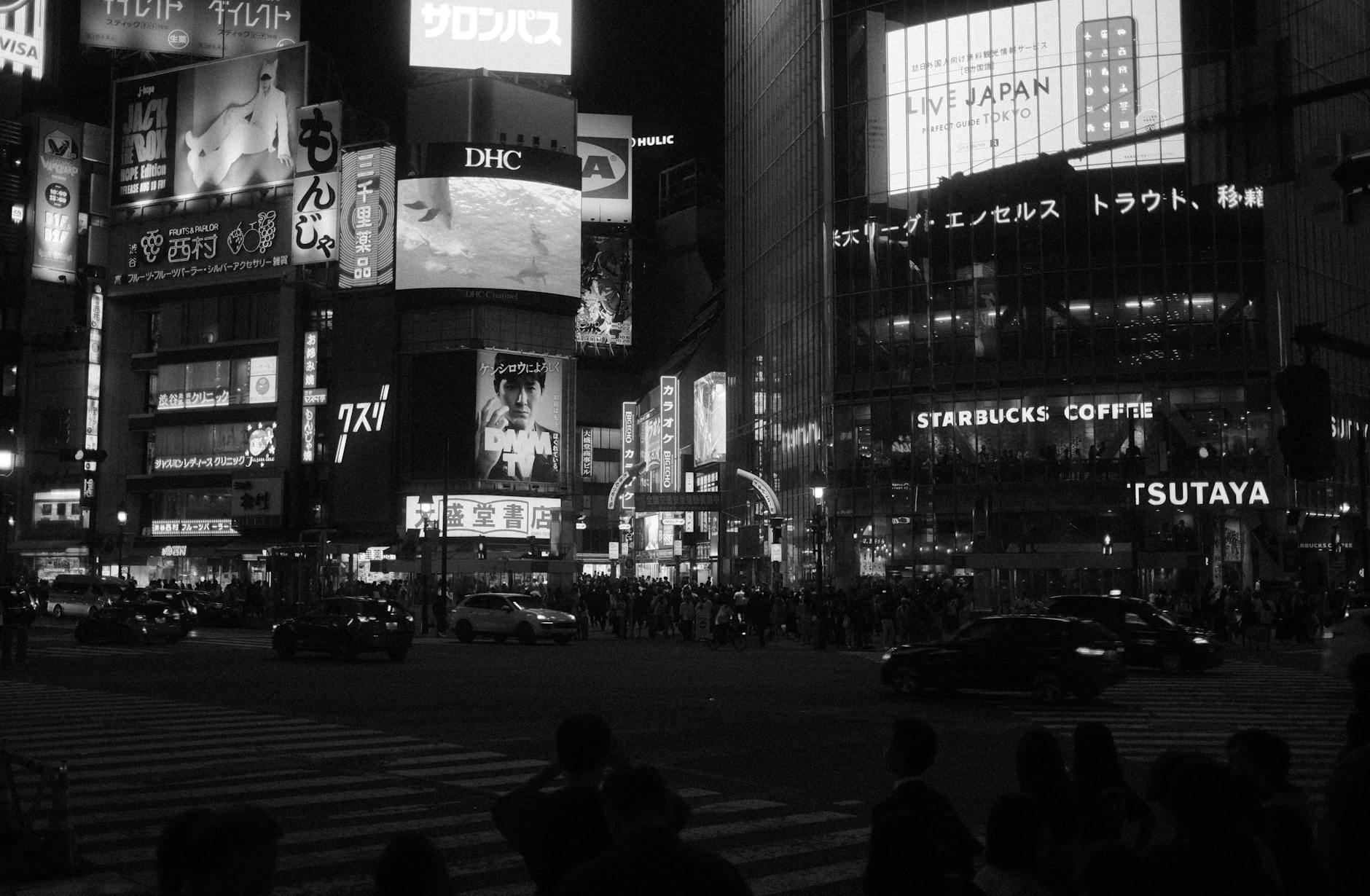
Shibuya Crossing
The Shibuya Crossing is Tokyo’s most photographed street scene, a huge pedestrian scramble outside Shibuya Station. When the lights change, streams of people move from every direction with a strange, almost choreographed calm.
For the classic view, head to one of the upper-level viewpoints around the station area. At ground level, the energy feels different: screens flash, taxis glide past, and conversations disappear under the pulse of the city.
Do not rush away after taking photos. Shibuya also has record shops, fashion boutiques, basement food floors, and the Hachikō statue, a small meeting point with one of Tokyo’s most beloved stories.
Sensō-ji Temple (Asakusa)
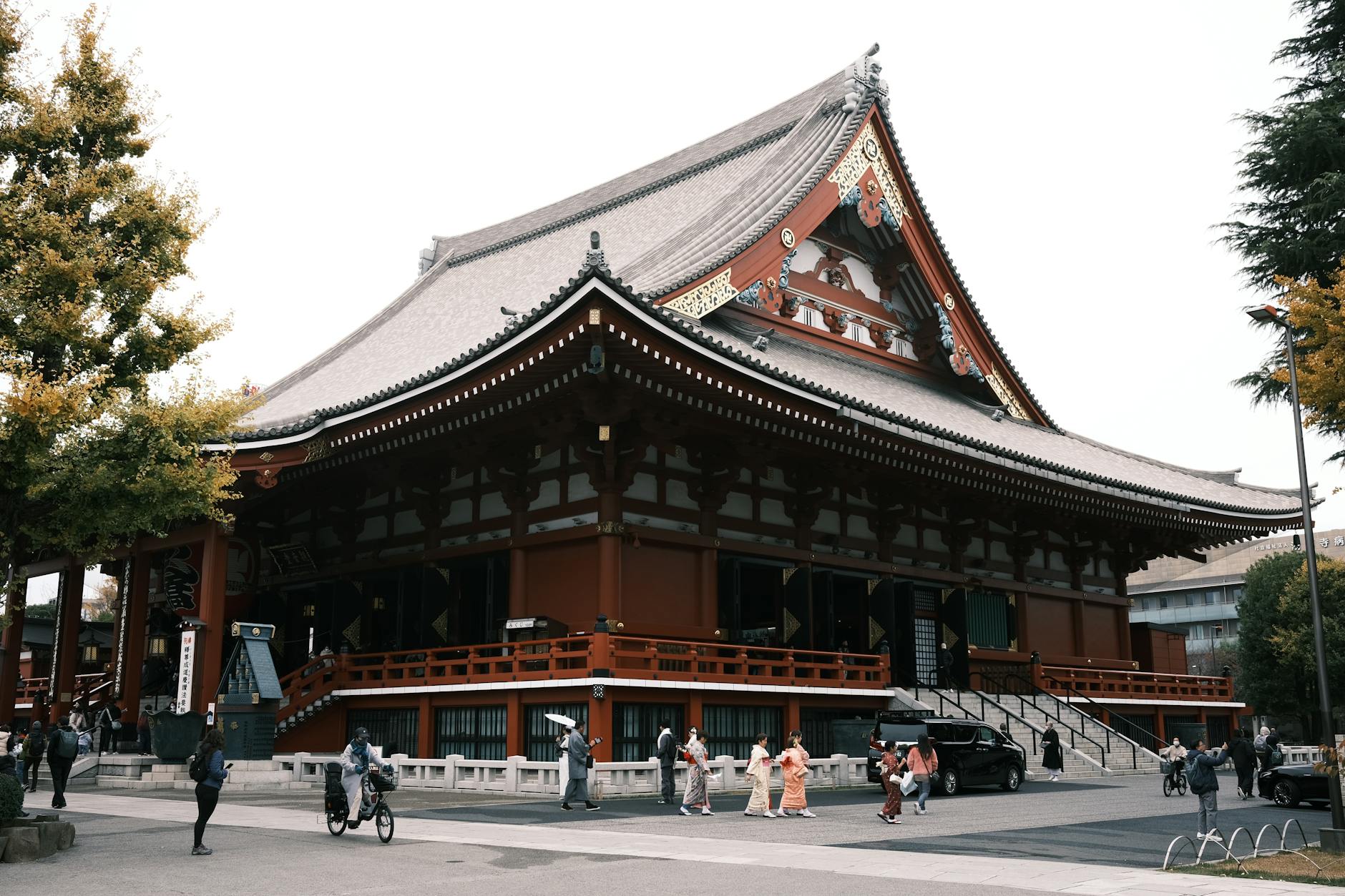
The Sensō-ji Temple in Asakusa is Tokyo’s oldest temple, traditionally founded in 628. Its red gates, giant lanterns, incense smoke, and temple halls bring a powerful sense of continuity to the modern capital.
Enter through Kaminarimon Gate, then follow Nakamise-dori, a lively shopping street selling rice crackers, sweets, fans, charms, and souvenirs. It is touristy, but still atmospheric, especially early in the morning before tour groups arrive.
At the main hall, travelers draw fortunes, clap softly, and watch incense drift across the courtyard. Nearby lanes have old eateries, kimono rental shops, and views toward Tokyo Skytree across the river.
Shinjuku District
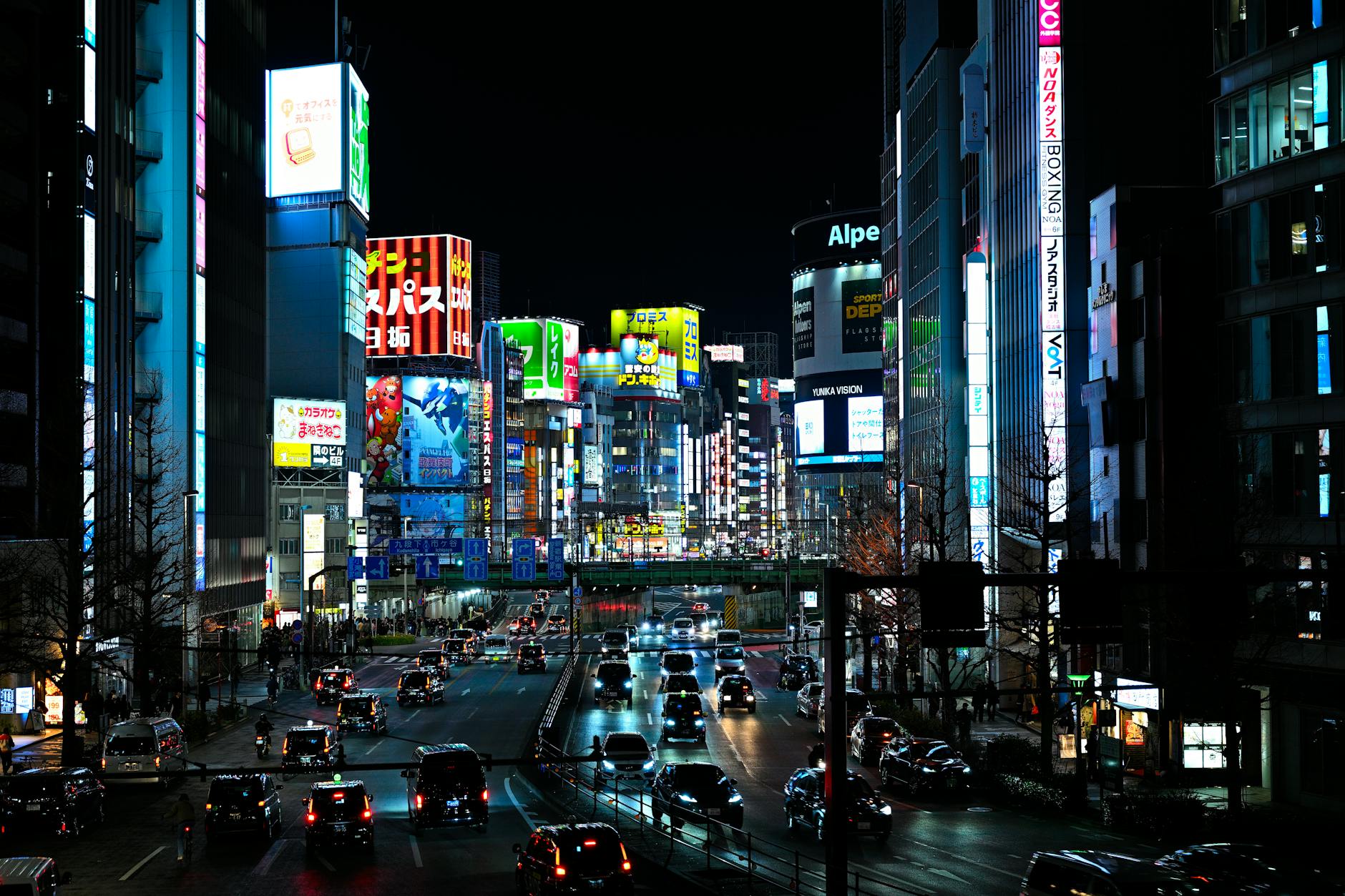
The Shinjuku District shows Tokyo at its most layered. West Shinjuku rises into glass towers and observation decks, while the east side moves into nightlife, department stores, music bars, and late-night ramen counters.
Shinjuku Station is one of the busiest transport hubs in the world, with millions of passengers on heavy travel days. Give transfers extra time, since exits can send visitors into completely different parts of the district.
After dark, Kabukichō glows with signs and movement, while Golden Gai keeps a smaller, moodier character through its compact bars. For a calmer break, Shinjuku Gyoen has lawns, teahouses, and superb cherry blossoms in spring.
Imperial Palace
The Imperial Palace sits on the former site of Edo Castle, surrounded by moats, stone walls, bridges, and carefully maintained gardens. It is a reminder that Tokyo was once Edo, the seat of Tokugawa power.
The inner palace grounds are not freely open every day, but the East Gardens usually welcome visitors without charge. Paths pass through old guardhouses, massive stone ramparts, seasonal flowers, and lawns with wide city views.
Photographers often stop at Nijubashi Bridge, especially in clear afternoon light. The palace area also pairs well with Marunouchi, Tokyo Station, and refined dining streets that show the city’s polished business face.
Travelers note that Tokyo’s famous sights work best when balanced with pauses: a garden bench, a tea break, a station bakery, or a quiet shrine tucked between office blocks.
Food & local cuisine in Tokyo
Tokyo is a serious food city at every price point. It has held more Michelin-starred restaurants than any other city in many recent guides, yet some of its best meals come from counters with ten seats.
Sushi is the obvious starting point, from refined omakase bars to casual standing counters near markets and stations. For a premium meal, reservations matter, and many top venues book weeks ahead.
Ramen deserves its own itinerary. Shoyu, shio, miso, and tonkotsu styles all appear across the city, while Tokyo-style ramen often leans toward clear soy-based broth, springy noodles, and careful balance.
Do not ignore department store food halls, known as depachika. Beneath elegant shops, counters sell bento, wagashi sweets, fruit, tempura, yakitori, salads, and immaculate pastries packed for train rides or hotel dinners.
Asakusa is good for tendon, ningyō-yaki cakes, and old-school cafés. Shinjuku and Shibuya handle late-night cravings, with izakaya, curry shops, grilled skewers, and hidden cocktail bars stacked above street level.
- For a quick lunch: try soba, ramen, curry rice, or a bento from a station shop.
- For a refined dinner: reserve sushi, kaiseki, tempura, or wagyu well ahead.
- For sweet flavors: look for matcha desserts, melon pan, taiyaki, and seasonal sakura sweets.
Getting to Tokyo and getting around
Tokyo is simple to reach, but the city’s size can surprise first-time visitors. Choosing the right airport transfer and hotel area will shape the whole trip, especially for short stays.
Getting there
Tokyo is served mainly by Haneda Airport and Narita Airport. Haneda is closer to the center, with fast rail and monorail links, while Narita handles many international routes from Europe, Asia, and North America.
From Haneda, trains and taxis can reach central districts quickly, depending on traffic and final address. From Narita, the Narita Express and Keisei Skyliner connect efficiently with major hubs such as Tokyo, Ueno, and Shinjuku.
High-speed rail also links Tokyo with Kyoto, Osaka, Nagoya, and northern Japon. The Shinkansen is comfortable, punctual, and especially useful for travelers combining Tokyo with several regions.
Getting around
The Tokyo rail and subway network is the best way to move between districts. JR lines, Tokyo Metro, Toei Subway, and private railways connect almost every major sightseeing area.
Use an IC card such as Suica or Pasmo for tap-in travel, vending machines, lockers, and convenience stores. Google Maps and station signs are reliable, but always check the exit number before leaving a station.
Taxis are clean and professional, though expensive compared with trains. Walking is excellent within neighborhoods, especially in Asakusa, Ginza, Shibuya, Harajuku, and around the Imperial Palace gardens.
Budget & practical tips
Tokyo is a premium destination, marked here as $$$, but costs vary widely by style. Luxury hotels, tasting menus, and taxis raise the budget quickly, while trains, casual meals, and convenience stores keep daily spending controlled.
Book accommodation early for cherry blossom season, autumn foliage, New Year, and major events. Rooms are often compact, so check bed size, luggage space, and distance from the nearest useful station.
How much to budget for Tokyo
For a comfortable mid-to-premium trip, many travelers should plan around ¥25,000 to ¥45,000 per person per day, excluding long-haul flights. This can cover a good hotel share, meals, transport, tickets, and some shopping.
Premium stays, fine dining, private guides, and cocktail bars can push the total much higher. Budget-conscious travelers save by choosing business hotels, lunch sets, rail travel, and neighborhood restaurants away from major nightlife streets.
- For accommodation: expect higher rates in Shinjuku, Ginza, Shibuya, Tokyo Station, and during sakura season.
- For transport: trains are good value, but airport transfers and taxis add up.
- For cash: cards are widely accepted, yet small restaurants and temples may prefer yen.
Best time to visit: March to April (cherry blossoms) and October to November
March to April brings cherry blossoms, soft light, and parks filled with hanami picnics. Timing changes each year, but late March to early April is often the peak window in central Tokyo.
October to November is cooler, clearer, and very comfortable for walking. Autumn colors appear in gardens and avenues, hotel prices can still be high, but the weather suits long sightseeing days.
Summer is humid and hot, while winter is crisp and often sunny. Travelers who value seasonal beauty should choose spring or autumn, then reserve early and keep one flexible day for weather changes.
Frequently Asked Questions about Tokyo
Similar Destinations
Taipei
Taipei, Taiwan's electric capital, draws travelers with iconic landmarks like Taipei 101, the dazzling Shilin…
DiscoverBeijing
Beijing, China layers imperial drama and living street life, from the Forbidden City’s vermilion gates to…
DiscoverHong Kong
Hong Kong, China, rewards visitors with electrifying contrasts: the sweeping skyline seen from Victoria Peak…
Discover