Zurich

Everything about Zurich
Can a global banking city feel like a lakeside village by sunset? That contrast is the quiet thrill of visiting Zurich, where polished streets, alpine air, and medieval lanes sit within minutes of each other.
Zurich is compact, but it does not feel small. A morning can move from stained-glass windows to lake swimming, then into a gallery where Swiss precision meets bold modern art.
This guide focuses on the places, flavors, routes, and practical choices that shape a rewarding stay. Expect clean transport, high prices, calm beauty, and more local character than Zurich’s business reputation suggests.
Why visit Zurich?
Zurich rewards travelers who enjoy cities with layers. The setting is immediately striking: between Lake Zurich and the foothills of the Alps, with the Limmat River cutting through a center of towers, guild houses, and stone bridges.
The city is also one of Europe’s most comfortable urban bases. Trams run with clockwork regularity, museums are serious but welcoming, and neighborhoods shift quickly from luxury shopping to student cafés and riverside bathing spots.
What makes Zurich unique
Zurich’s appeal comes from contrast rather than spectacle. It is Switzerland’s largest city, with about 430,000 residents, yet many central streets feel intimate, walkable, and almost village-like after office hours.
The historic Altstadt holds Roman traces, medieval lanes, Reformation landmarks, and small courtyards where café tables appear in fair weather. Just beyond it, clean lakefront promenades open toward distant peaks on clear days.
Visitor reviews often mention the same detail: Zurich feels orderly without feeling sterile. The city runs smoothly, but its best moments happen slowly, over coffee, river views, and late afternoon light on sandstone façades.
Zurich at a glance
- Location: Zurich, Suisse, in Europe Centrale.
- Best period: year-round, with peak travel from May to September.
- Budget level: $$, moderate by Swiss standards but high compared with many European cities.
- Main highlights: Lake Zurich, Old Town (Altstadt), Kunsthaus Zurich, and Grossmünster.
- Good for: culture, city walks, lake time, clean design, weekend breaks, and easy rail connections.
Zurich suits travelers who like efficiency but still want texture. It is not a city of loud drama; it works through detail, from painted guild signs to mountain reflections on the water.
What to see and do in Zurich?
Zurich is easy to explore in sections. Most first-time visitors start around the river and Old Town, then move toward the lake, museums, and hill viewpoints when the weather is clear.
Local guides recommend leaving time between major sights. A rigid checklist misses the city’s quieter pleasures: a tram bell near Paradeplatz, a bakery window in Niederdorf, or swimmers drifting down the Limmat in summer.
Lake Zurich
Lake Zurich gives the city its softness. Walk south from Bürkliplatz and the urban edge opens into promenades, lawns, boat piers, chestnut trees, and long views toward the Alps on bright days.
In warm months, locals swim at lakeside baths such as Strandbad Mythenquai and Seebad Utoquai. These places turn Zurich’s formal image into something relaxed, social, and sunlit.
Boat trips are a gentle way to see the shoreline. Short cruises suit tight schedules, while longer routes pass villas, vineyards, and villages where Zurich’s polished center feels far away.
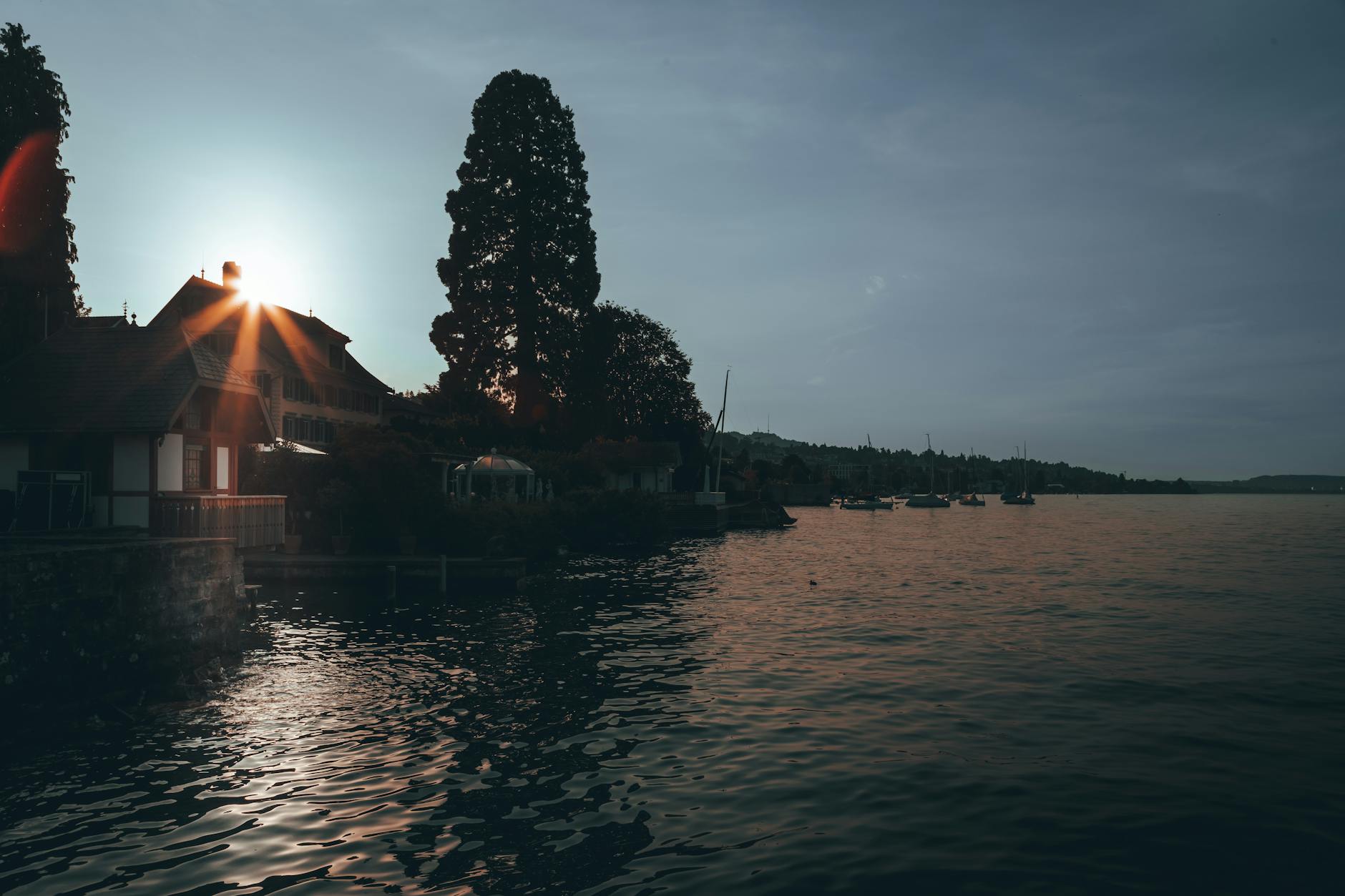
Travelers note that sunset is one of the best times here. The lake catches silver and rose colors, and the city lights begin to flicker behind the masts.
Old Town (Altstadt)
in the Old Town (Altstadt), Zurich becomes narrow, textured, and atmospheric. Cobbled lanes climb between medieval houses, boutique windows, hidden squares, and small churches that seem to appear without warning.
Niederdorf, on the east bank, is lively with cafés, bars, and casual restaurants. It can feel touristy in parts, but side alleys quickly recover a quieter, older mood.
On the west bank, Augustinergasse stands out with colorful bay windows and decorative façades. Nearby, Bahnhofstrasse shows another side of Zurich, with luxury stores and polished financial architecture.
Do not rush this area. The best route is a loose wander between the Limmat bridges, with pauses for river photos, hot chocolate, or a look into small courtyards.
Kunsthaus Zurich
Kunsthaus Zurich is one of Switzerland’s leading art museums, with a collection that stretches from medieval religious works to contemporary installations. Its expanded campus has made it a major stop for art-focused travelers.
The museum is especially strong in Swiss art, including works by Alberto Giacometti, whose sculptural figures feel both fragile and intense. Visitors also find major names from European modernism and impressionism.
The newer Chipperfield-designed extension adds calm galleries, pale stone, and generous light. It suits slow looking rather than quick box-ticking, especially on rainy afternoons when the city turns gray and reflective.
Plan at least two hours for a satisfying visit. Art lovers can easily spend half a day, particularly when temporary exhibitions add photography, design, or political themes.
Grossmünster
the Grossmünster church is Zurich’s most recognizable landmark, with twin towers rising above the Old Town. Its silhouette anchors river views and appears in countless photos from bridges and quays.
The church is closely tied to the Protestant Reformation in Switzerland, especially the work of Huldrych Zwingli in the 16th century. That history gives the building more weight than its simple interior first suggests.
Inside, look for modern stained glass by Sigmar Polke and the restrained Romanesque architecture. The mood is spare, cool, and serious, very different from the ornate churches found elsewhere in Europe.
Climbing the tower brings one of Zurich’s classic views. From above, the Limmat, tiled roofs, lake, and distant hills explain the city’s geography in a single glance.
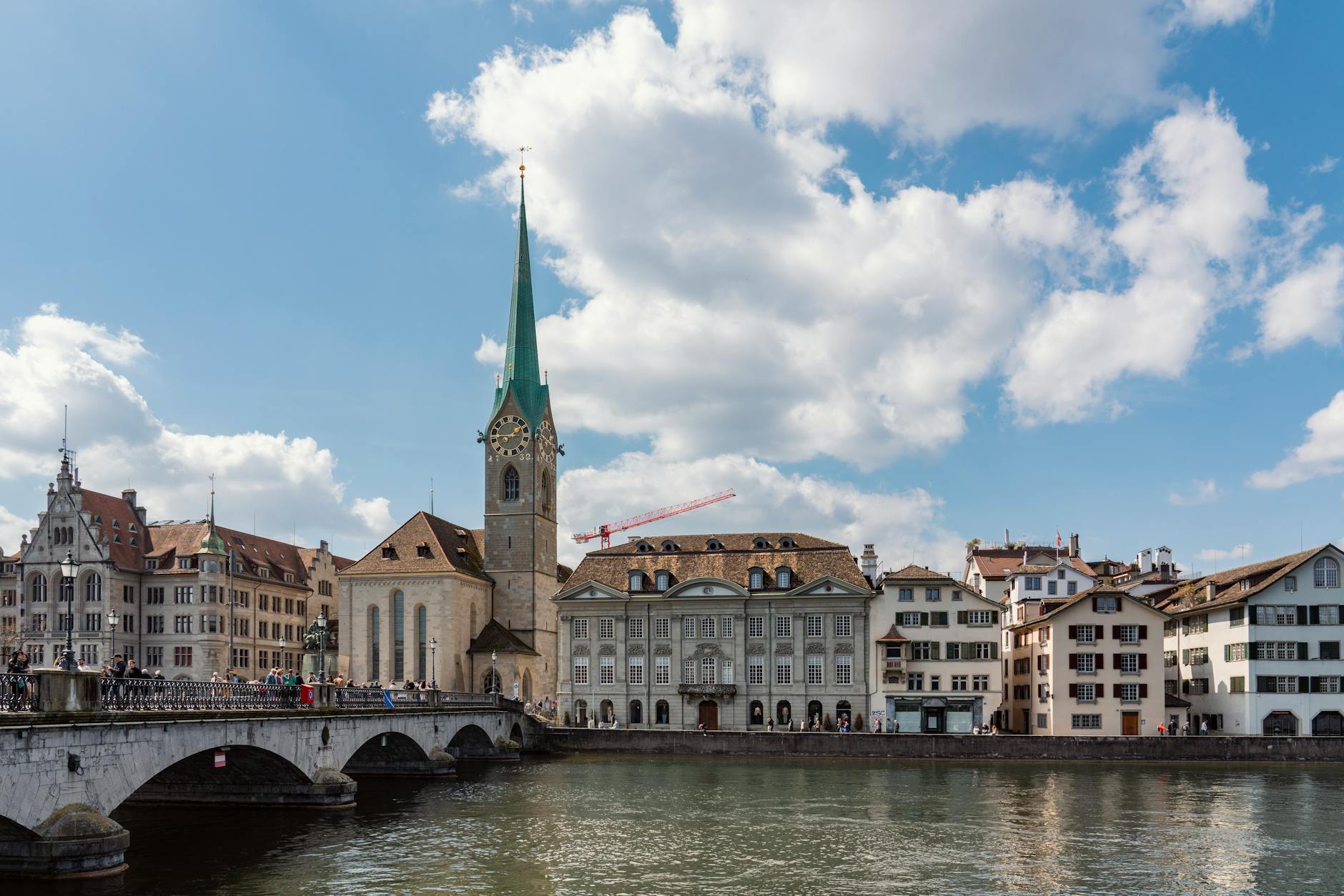
Traveler reviews confirm a common pattern: Zurich’s famous sights are rewarding, but the city feels most memorable when walking between them without hurry.
Food & local cuisine in Zurich
Zurich cuisine is richer than the city’s sleek image suggests. Traditional plates lean into cream sauces, potatoes, veal, cheese, bread, and chocolate, often served with neat presentation and quiet confidence.
The best-known local dish is Zürcher Geschnetzeltes, thinly sliced veal in a creamy white wine and mushroom sauce. It is usually paired with rösti, a crisp Swiss potato cake with a golden crust.
Fondue is more strongly associated with other Swiss regions, but Zurich restaurants still serve satisfying versions in colder months. Raclette also appears, especially in winter markets and cozy taverns.
For casual eating, bakeries are a reliable choice. Look for butterzopf, nut pastries, fruit tarts, and sandwiches made with excellent bread, a useful way to balance Zurich’s restaurant prices.
Chocolate matters here, not as a cliché but as a craft. Confiseries around the center sell pralines, truffles, and drinking chocolate, with Sprüngli on Paradeplatz drawing steady attention for Luxemburgerli macarons.
Zurich also has a lively contemporary food scene. Kreis 4 and Kreis 5 bring wine bars, global kitchens, vegetarian cafés, and converted industrial spaces, especially around Langstrasse and the former factory district near Hardbrücke.
Local guides recommend reserving dinner tables on weekends. For a more relaxed meal, lunch menus are often better value and still show the kitchen’s quality.
Getting to Zurich and getting around
Zurich is one of Europe’s easiest cities to reach. Its airport, central railway station, and public transport network connect cleanly, which keeps arrival stress low even for first-time visitors to Switzerland.
The city’s compact layout also helps. Many main sights sit within walking distance, while trams, trains, buses, and boats fill in the gaps when feet get tired or weather turns wet.
Getting there
Zurich Airport lies about 10 kilometers north of the city center. Trains from the airport to Zurich Hauptbahnhof usually take around 10 to 15 minutes, with frequent departures throughout the day.
Zurich Hauptbahnhof is one of Europe’s busiest rail stations, with direct connections to Basel, Bern, Geneva, Milan, Munich, Paris, and Vienna. Rail travel is often the smoothest choice from nearby countries.
Drivers should note that city parking is limited and expensive. For most visitors, arriving by train or plane and using public transport is simpler than renting a car.
Getting around
the Zurich public transport network covers trams, buses, S-Bahn trains, funiculars, and some lake and river boats. Tickets are zone-based, and the same ticket usually works across several modes.
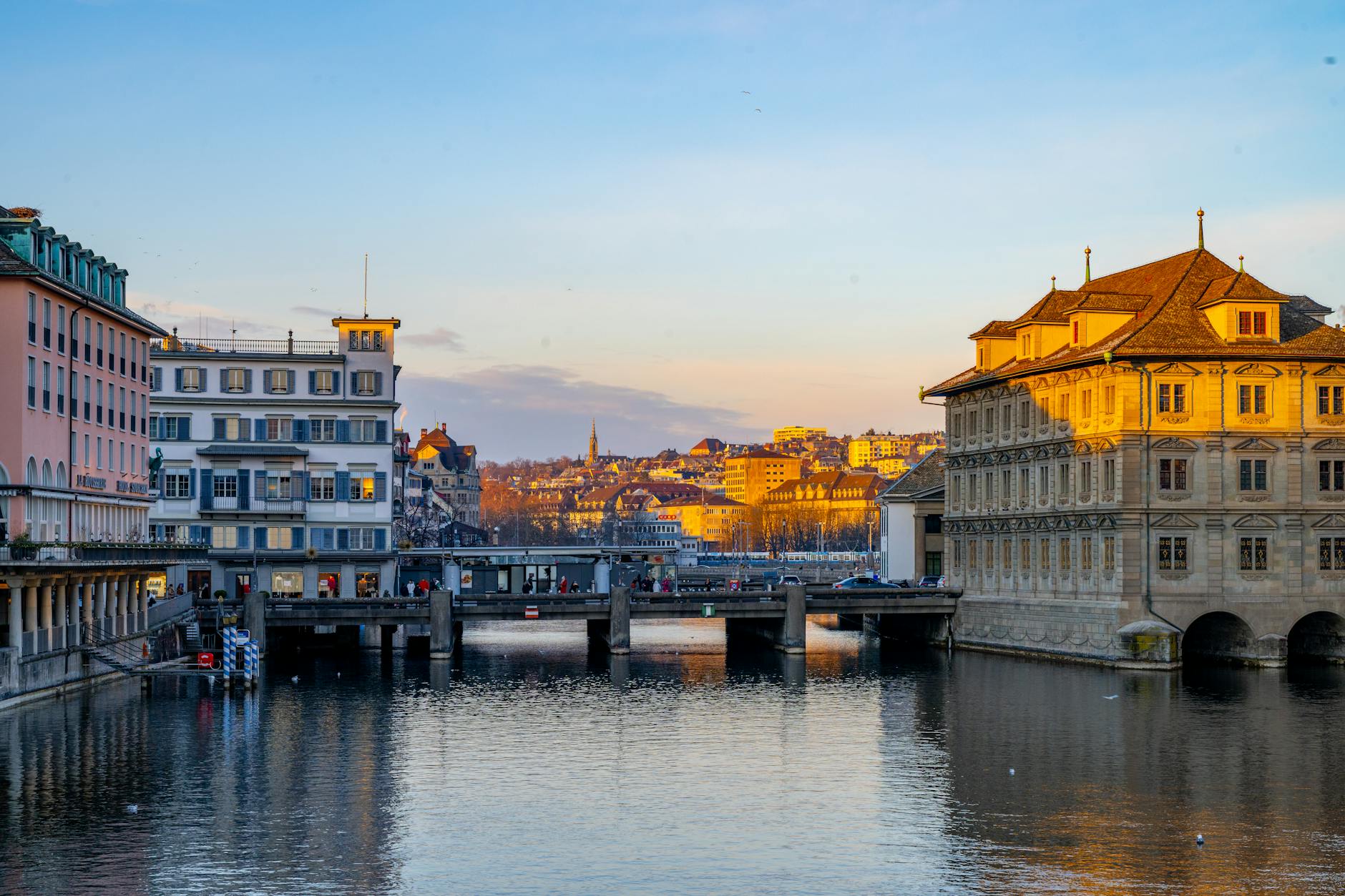
Trams are the signature way to move around the center. They are clean, frequent, and easy to read, with clear route numbers and stops near major museums, shopping streets, and neighborhoods.
Walking remains the most rewarding option for the Altstadt and lakefront. Comfortable shoes matter because cobblestones, steps, and short climbs appear often in the historic center.
For longer stays, a travel pass can reduce friction. Always validate or hold the right ticket, as checks are common and fines are high.
Budget & practical tips
Zurich is not a bargain city, but a moderate trip is possible with smart choices. The biggest costs are accommodation and seated meals, while transport value improves with day passes or multi-day cards.
Tap water is excellent and widely available from public fountains. This small detail saves money quickly, especially in summer when lake walks and Old Town climbs make regular water breaks necessary.
How much to budget for Zurich
For a moderate budget, plan roughly CHF 160 to CHF 260 per person per day, excluding major shopping. This can cover a simple hotel, public transport, casual meals, one paid attraction, and coffee breaks.
Hostels and guesthouses reduce costs, though even basic rooms can feel pricey during peak season. Booking early helps, especially from May to September and during large trade events.
Restaurant mains often cost more than in neighboring countries. To save, mix one restaurant meal with bakery lunches, supermarket picnics by the lake, and lunch specials in business districts.
- Money: Switzerland uses the Swiss franc, CHF.
- Language: Swiss German is common, while English is widely understood in tourism areas.
- Power: Switzerland uses type J plugs, so many European adapters do not fit.
- Local tip: carry a light jacket, even in summer, because evenings by the lake can cool quickly.
Best time to visit: Year-round (peak: May to September)
Zurich works year-round, but each season changes the mood. May to September brings longer days, lake swimming, outdoor dining, and the busiest visitor period.
June, July, and August feel lively, with packed lakeside baths and crowded terraces. Prices can rise, but the city’s outdoor life is at its best.
Spring and autumn suit travelers who prefer softer light and fewer crowds. April can be changeable, while October often brings crisp air, golden trees, and clear walking weather.
Winter is quieter outside the Christmas market period. Cold days suit museums, chocolate shops, fondue restaurants, and short trips to nearby snowy landscapes when conditions allow.
For balanced weather and calmer streets, local guides often recommend late May, early June, or September. These months keep the lake pleasant while giving the Old Town more breathing room.
Frequently Asked Questions about Zurich
Similar Destinations
Budapest
Budapest, Hungary's grand capital, pairs the gilded halls of the Hungarian Parliament with steaming thermal…
DiscoverKrakow
Krakow, Poland's medieval capital, draws travelers with the royal grandeur of Wawel Castle, the vast beauty…
DiscoverVienna
Vienna, Austria reigns across Europe's grand capitals, from the gilded halls of Schönbrunn Palace to the…
Discover