Oslo

Everything about Oslo
What if a capital city felt more like a hiking trailhead than a concrete jungle? Visiting Oslo means stepping into a place where fjords lap against the city's edge and forested hills begin just minutes from the center.
Oslo is compact, confident, and deeply Scandinavian. It rewards curiosity, whether you spend a morning in a world-class museum or simply follow a local down to the waterfront for coffee.
This guide covers everything worth knowing before you go: the highlights, the food, the practical details, and the honest budget reality of one of Europe's most livable cities.
Why visit Oslo?
What makes Oslo unique
Oslo sits at the head of the Oslofjord, surrounded by forested hills called the marka. This geography shapes daily life in ways that feel immediate and tangible.
The city has an unusually strong commitment to public space and cultural access. World-class art, Viking history, and contemporary architecture share the same waterfront without competing for attention.
The Norwegian capital is also one of the most walkable cities in Northern Europe. Distances between major attractions are short, and the urban design consistently prioritizes pedestrians over cars.
Oslo at a glance
Oslo is home to roughly 700,000 people, making it a mid-sized capital by European standards. Yet it punches well above its weight in terms of cultural institutions and design quality.
The city sits in the Norway's southernmost region, which gives it the warmest summers in the country. June through August brings long daylight hours, sometimes stretching past 10 p.m.
The currency is the Norwegian krone, and Oslo consistently ranks among the most expensive cities in the world. Smart planning makes a significant difference to the final bill.
What to see and do in Oslo?
Edvard Munch Museum
The Munch Museum, known locally as MUNCH, opened its striking new building on the Bjørvika waterfront in 2021. The tower holds the largest collection of Munch's work in the world, including multiple versions of The Scream.
The building itself is an experience. Its tilted facade and panoramic views of the fjord make the visit memorable even before you reach the galleries.
The collection spans over 26,000 works donated by Munch himself. Visitor reviews confirm that the curation does justice to his full range, far beyond the single iconic image most people associate with his name.
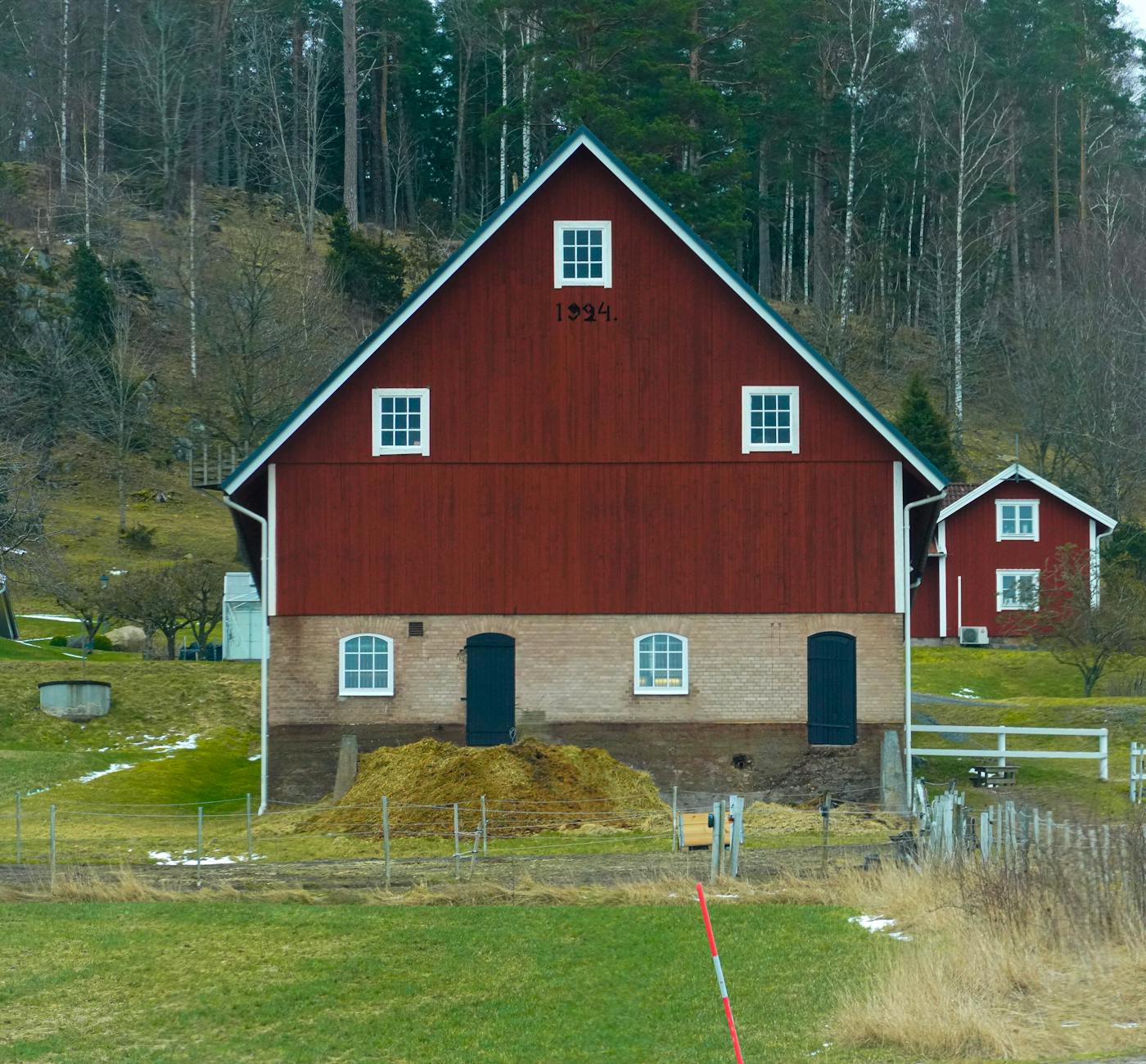
Plan for at least two hours. The museum's rooftop terrace is free to access and gives one of the best views in the city, looking straight down the fjord toward the open sea.
Oslo Opera House
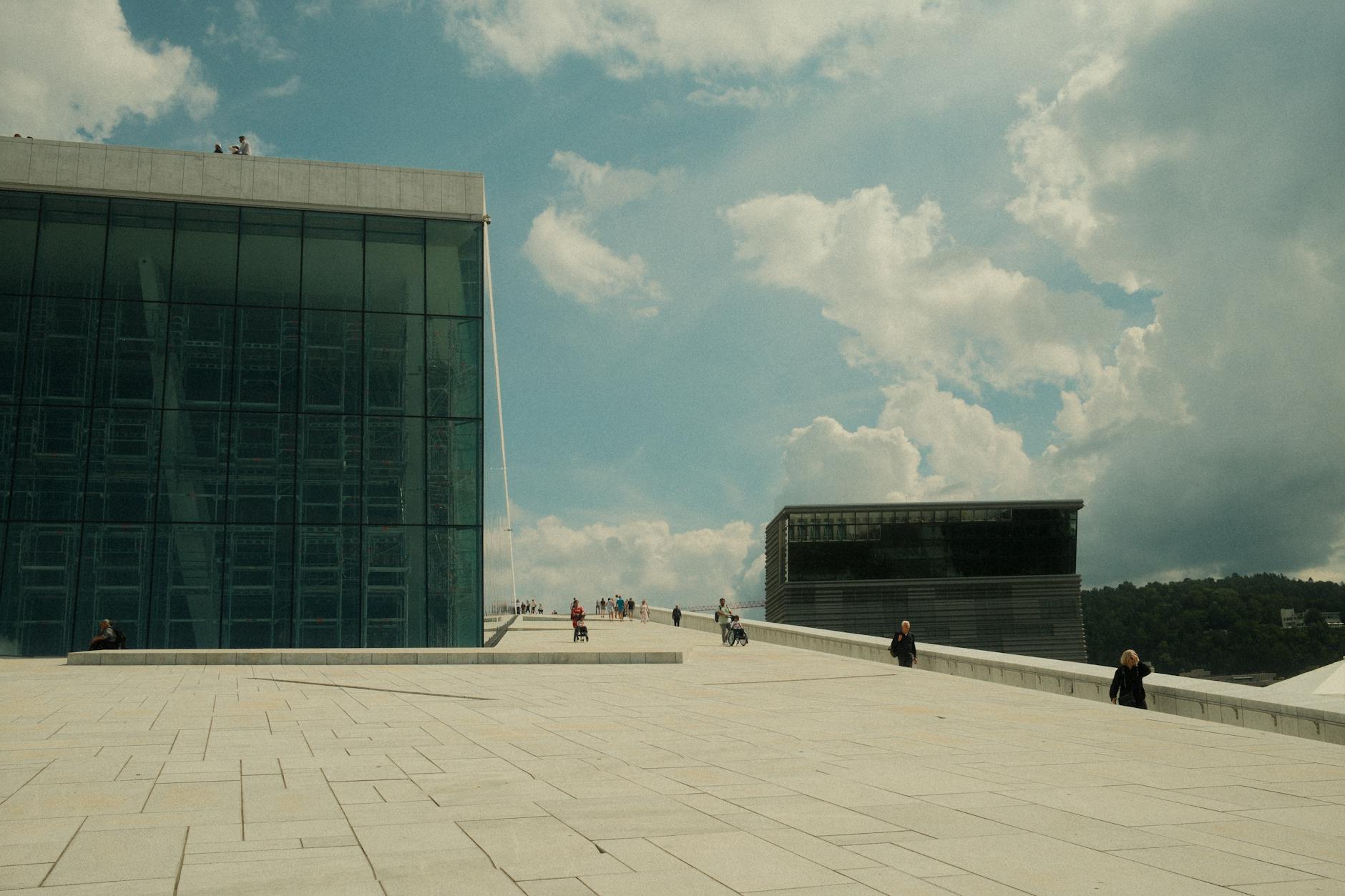
The Oslo Opera House is one of those rare buildings that genuinely changed a city's relationship with its waterfront. Completed in 2008, it slopes gently into the fjord like a glacier entering the sea.
The white Carrara marble roof is designed to be walked on. Locals and tourists alike climb to the top on warm evenings, sitting on the slope to watch the light change over the water.
Inside, the programming covers opera, ballet, and contemporary dance. Local guides recommend checking the schedule in advance, as performances sell out quickly during summer festivals.
Even without a ticket, the building is worth the visit. The interior public spaces are open daily, with sweeping wooden walls and views into the harbor through floor-to-ceiling glass.
Vigeland Sculpture Park
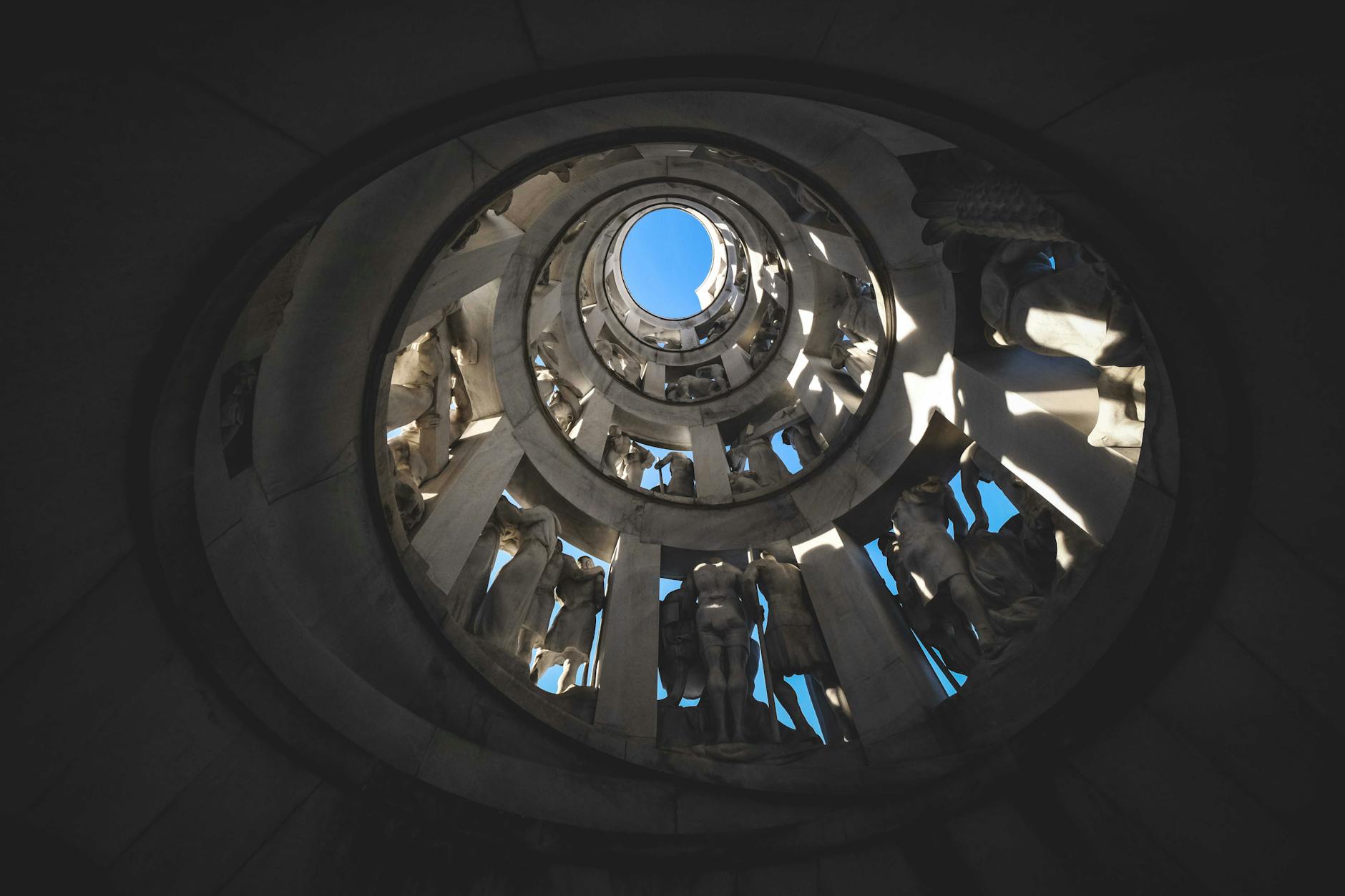
Vigeland Sculpture Park in Frogner Park is the world's largest sculpture installation created by a single artist. Gustav Vigeland produced over 200 sculptures across the park's central axis, working from the 1920s until his death in 1943.
The figures are cast in bronze, granite, and wrought iron. They depict the full arc of human life, from newborns to the elderly, often in raw or emotionally charged poses.
The park is free, open year-round, and used by Oslo residents as an everyday green space. Families picnic between the sculptures, joggers loop the paths, and teenagers hang around the fountain.
The Monolith, a single column carved from a single block of granite, stands 14 meters tall and took three sculptors 14 years to carve from Vigeland's model. It draws silence even from busy crowds.
Viking Ship Museum
The Viking Ship Museum on the Bygdøy peninsula houses three actual Viking ships, preserved in remarkable condition after burial in the Oslo region over a thousand years ago. The Oseberg ship, discovered in 1904, dates to around 820 AD.
The craftsmanship visible up close is astonishing. These were not crude vessels but finely built ships with intricate woodcarving along the prow and stern.
Note that the museum was undergoing renovation and partial closure as of 2024, with some collections relocated temporarily. Travelers are strongly advised to verify access before visiting.
Even in partial form, the Bygdøy museum cluster is a half-day destination. The Norwegian Folk Museum and the Fram polar ship museum are both within walking distance of the Viking Ship Museum.
Food and local cuisine in Oslo
Norwegian food culture has changed dramatically over the past two decades. Oslo now has a serious restaurant scene anchored in seasonal Nordic produce, and the city has attracted several Michelin-starred kitchens.
The Mathallen food hall in Vulkan is a good starting point for understanding local ingredients. Stalls specialize in cured meats, artisan cheeses, smoked salmon, and freshly baked bread from Norwegian grains.
Street food worth seeking out includes pølse, the classic Norwegian hot dog served from kiosks across the city. Locals eat them plain or topped with shrimp salad, which sounds unusual and tastes excellent.
Seafood is central to Oslo's food identity. Aker Brygge waterfront has a daily fish market where vendors sell shrimp by the paper cup, eaten outdoors with bread and mayonnaise.
Budget-conscious travelers find that lunch menus in sit-down restaurants are significantly cheaper than dinner. The daily lunch special, called dagens rett, typically includes a main course, coffee, and sometimes a salad for a fixed price around 150 to 200 NOK.
Craft beer has taken hold strongly in Oslo. Local breweries like Lervig and 7 Fjell are widely distributed, and several dedicated beer bars in the Grünerløkka neighborhood stock rotating taps from across Scandinavia.
Getting to Oslo and getting around
Getting there
Oslo Gardermoen Airport (OSL) is the main international gateway, located about 50 kilometers north of the city center. It connects directly to most major European hubs and several long-haul destinations.
The Airport Express Train, called Flytoget, runs every 10 minutes and reaches Oslo Central Station in approximately 20 minutes. A single adult ticket costs around 230 NOK, which is the most efficient connection available.
Regional trains from Stockholm, Copenhagen, and Gothenburg also serve Oslo Central. These routes take longer but give travelers views of the Scandinavian countryside that flights completely miss.
Getting around
Oslo's public transport network covers the city comprehensively. The metro, called the T-bane, has five lines converging at the center, and trams run through Grünerløkka and along the waterfront.
The Ruter app handles all ticketing for metro, tram, and bus across the city. A 24-hour pass costs around 115 NOK, which makes economic sense after two or three journeys.
Walking is genuinely viable for most sightseeing. The distance between Oslo Central Station and the Opera House is under five minutes on foot, and most waterfront attractions cluster within a 20-minute walk of each other.
Cycling is practical in summer. The city bike scheme, Bysykkel, has docking stations throughout the center and costs around 49 NOK for a 24-hour pass with unlimited 45-minute rides.
Budget and practical tips
How much to budget for Oslo
Oslo is genuinely expensive by European standards. Budget travelers should expect to spend around 800 to 1,200 NOK per day covering accommodation in a hostel dorm, public transport, groceries, and one museum entry.
The Oslo Pass is worth calculating carefully. It covers unlimited public transport and free entry to over 30 attractions, including most major museums, for periods of 24, 48, or 72 hours.
Supermarkets like Rema 1000 and Kiwi keep food costs reasonable. Buying breakfast and lunch from a supermarket and eating one restaurant meal per day is the standard budget strategy travelers rely on.
Museum entry fees typically range from 100 to 200 NOK per site. Vigeland Sculpture Park is free, as is walking on the Opera House roof, which helps balance a tight itinerary.
Best time to visit: June to August
June through August brings the best conditions for visiting Oslo. Temperatures average between 18 and 23 degrees Celsius, and daylight extends well into the evening, giving extra hours for sightseeing.
The summer months also coincide with Oslo's festival calendar. Events include the Oslo Jazz Festival in August and several free outdoor concerts and markets along the waterfront throughout July.
Visitor numbers peak in July, particularly around the Bygdøy museums and Vigeland Park. Arriving at popular sites before 10 a.m. makes a noticeable difference to the experience.
Shoulder season travelers note that May and September carry mild temperatures and significantly thinner crowds, with most attractions running full schedules and accommodation prices somewhat lower than peak summer rates.
Frequently Asked Questions about Oslo
Similar Destinations
London
London, United Kingdom, pulls visitors in with landmarks like Big Ben, the London Eye, and the British…
DiscoverDublin
Dublin, Ireland pulls travelers in with centuries of history layered across cobblestone streets, from the…
DiscoverStockholm
Stockholm, Sweden's capital spread across 14 islands, rewards visitors with medieval cobblestones in Gamla…
Discover