Seville

Everything about Seville
Can a city smell like orange blossom, sound like flamenco heels, and still feel wonderfully affordable? Visiting Seville brings that mix into sharp focus, especially in spring, when patios bloom and evenings stay warm.
This capital of Andalusia moves at a human pace, with tiled courtyards, shaded lanes, and café terraces that fill slowly after sunset. The grand monuments are famous, but the small street scenes often linger longer.
Seville rewards curious travelers with royal palaces, Moorish arches, Gothic towers, lively tapas bars, and riverside walks. It is a city for wandering, pausing, and letting the next plaza appear by surprise.
Why visit Seville?
Seville is one of the great city breaks of Europe du Sud, rich in history but easy to enjoy on a budget. Its compact historic center lets travelers move between palaces, churches, gardens, and tapas bars without constant transport.
The city blends Islamic, Christian, Jewish, and Andalusian influences in a way that feels visible on nearly every street. Painted tiles, carved wooden doors, iron balconies, and orange trees turn ordinary walks into slow discoveries.
What makes Seville unique
The historic heart of Seville is shaped by centuries of cultural exchange. The Alcázar carries Mudéjar artistry into royal halls, while the Cathedral rises from the site of a former mosque.
Local guides often describe Seville as a city best understood through rhythm: bells in the morning, market chatter at noon, flamenco at night. Even major landmarks feel tied to daily life, not sealed away from it.
UNESCO listed the Alcázar, Seville Cathedral, and the Archivo de Indias as World Heritage sites in 1987. That recognition reflects the city’s role in Mediterranean history, Atlantic trade, and Spanish art.
Seville at a glance
Seville sits in southern Espagne, in Andalusia, beside the Guadalquivir River. It has hot summers, mild winters, and a bright, dry climate that shapes the city’s outdoor life.
The best period for Seville is March to May and September to October. These months bring pleasant walking weather, festive street energy, and softer light across the old stone façades.
The estimated budget is $, making Seville friendly for travelers watching daily costs. Tapas portions, walkable neighborhoods, affordable guesthouses, and public transport help keep spending under control.
What to see and do in Seville?
Seville’s main sights sit close enough for a rewarding two or three day visit, yet the city deserves slower time. A strong route links the Alcázar, Cathedral, Santa Cruz Quarter, and Plaza de España.
Book major monuments ahead when possible, especially during Semana Santa, the Feria de Abril, and spring weekends. Early mornings work well for photographs, cooler air, and quieter courtyards.
Alcázar of Seville
The Alcázar of Seville is a royal palace complex where Islamic geometry, Christian symbolism, and lush gardens meet. It remains used by the Spanish royal family, making it one of Europe’s oldest royal residences still in use.
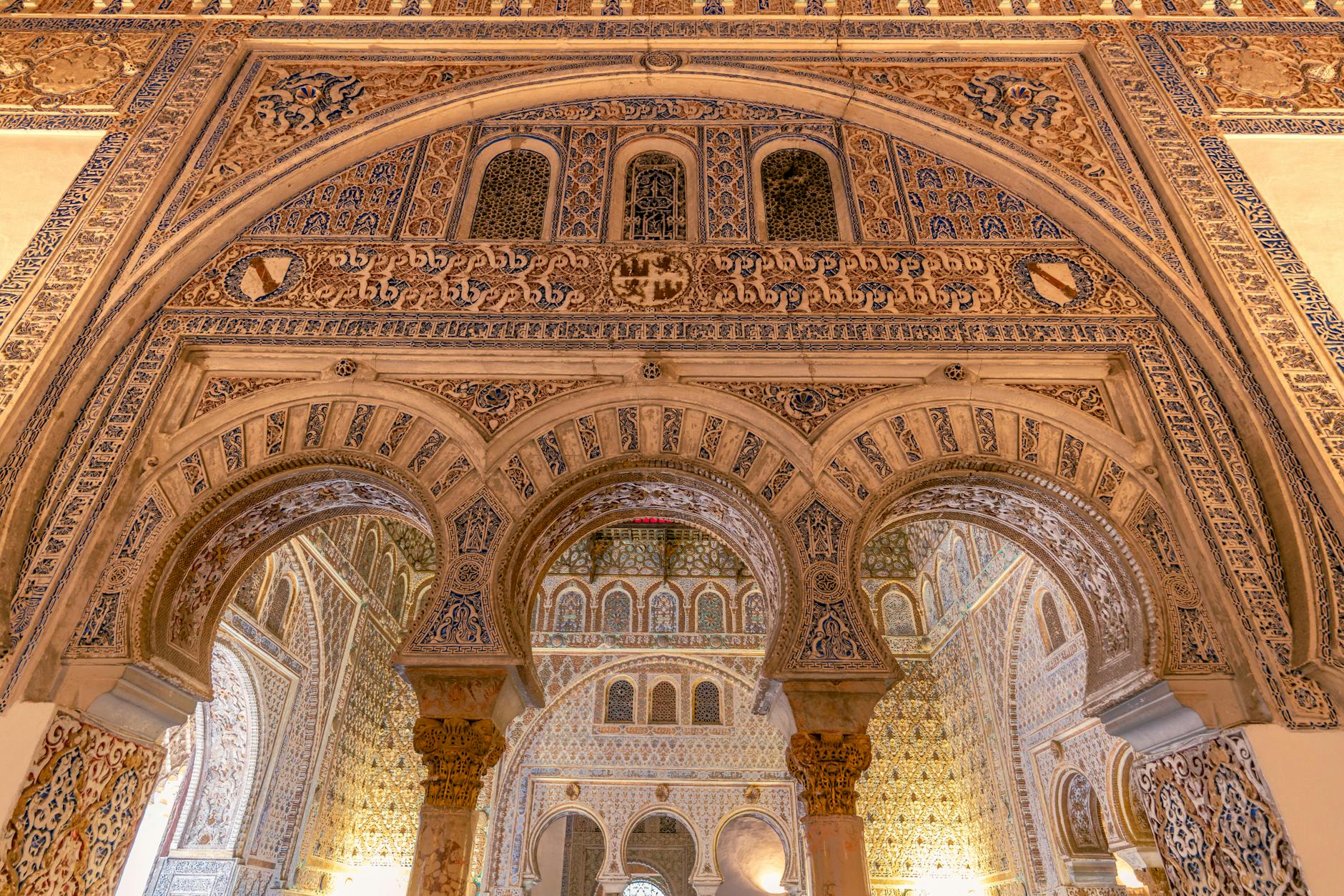
The Patio de las Doncellas draws attention first, with reflective water, delicate arches, and carved plasterwork. Travelers also note the Salón de Embajadores, where a golden dome catches light like a celestial map.
Do not rush the gardens after the palace rooms. Palms, fountains, tiled benches, and peacocks create a calmer rhythm, especially in late afternoon when shadows lengthen across the paths.
Timed tickets reduce waiting. Local guides recommend booking online for spring visits, then arriving slightly early to pass security without stress.
Seville Cathedral
The Seville Cathedral is vast, dramatic, and built to impress. It is widely regarded as the largest Gothic cathedral in the world, with a nave that makes visitors instinctively look upward.
The building rose on the site of the former Almohad mosque, and the Giralda tower preserves that layered history. The tower reaches about 104 meters and uses ramps instead of traditional stairs for most of the climb.
Inside, look for the main altarpiece, choir stalls, chapels, and the tomb associated with Christopher Columbus. The scale can feel overwhelming, so a slow circuit works better than trying to see everything at once.
Climbing the Giralda gives one of the finest city views. Rooftops, church towers, courtyards, and the bullring appear beneath the warm Andalusian light.
Santa Cruz Quarter
The Santa Cruz Quarter is the old Jewish quarter, a maze of narrow lanes, whitewashed walls, hidden patios, and tiny squares. It sits beside the Cathedral and Alcázar, yet it feels intimate and residential.
This is the place to wander without checking a map every minute. Callejón del Agua, Plaza de Doña Elvira, and Plaza de Santa Cruz reveal balconies, ceramic plaques, and pockets of shade.
Visitor reviews confirm that Santa Cruz is busiest between late morning and midafternoon. Early evening feels softer, as restaurant terraces open and the stone alleys begin to cool.
Choose tapas bars just beyond the most photographed corners for better value. A few streets can make the difference between rushed service and a relaxed local meal.
Plaza de España
The Plaza de España is Seville at its most theatrical. Built for the Ibero-American Exposition of 1929, the semicircular square stretches around canals, bridges, tiled alcoves, and red-brick arcades.
Each Spanish province has a ceramic tile scene along the plaza’s curved walls. The detail rewards slow walking, especially for travelers interested in regional identity, decorative art, and early twentieth-century architecture.
Arrive in the morning for cleaner reflections in the water and fewer crowds around the bridges. Late afternoon brings golden light that warms the brickwork and turns the square into an open-air stage.
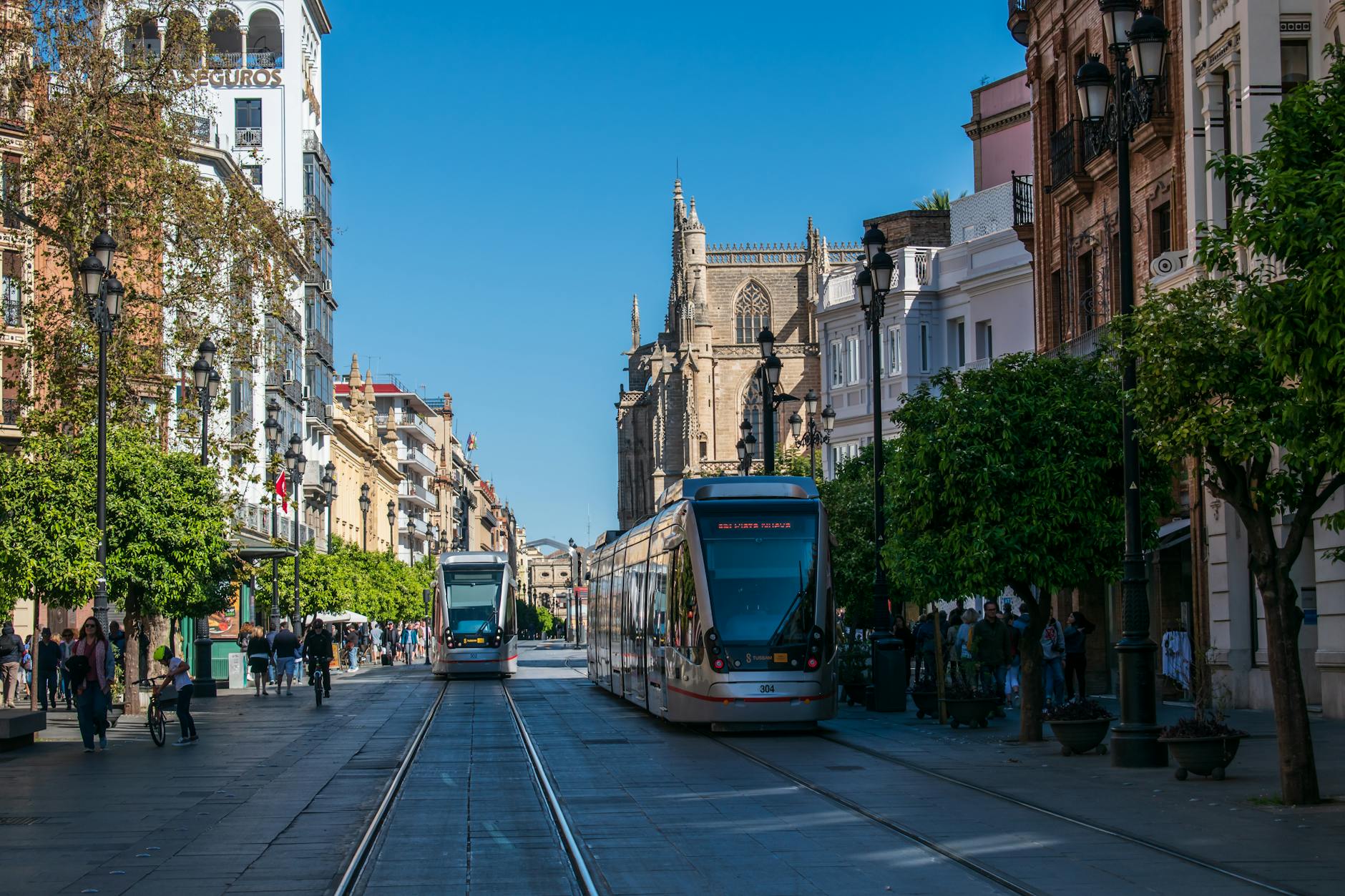
Beside it, María Luisa Park gives shade, fountains, and garden paths. It is a smart pause after sightseeing, with space to sit, breathe, and escape the traffic for a while.
Food & local cuisine in Seville
Seville is a tapas city, and eating here works best in small rounds. Order a plate, have a drink, move on, and let the evening unfold across several bars.
The classic flavors of Seville include salmorejo, espinacas con garbanzos, jamón ibérico, tortilla, croquetas, and carrillada, slow-cooked pork cheek. In warmer months, chilled tomato dishes feel made for the climate.
Seafood also appears often, despite the inland location. Fried fish, prawns, and marinated anchovies reflect Andalusia’s links to Cádiz, Huelva, and the wider Atlantic coast.
For breakfast, locals often choose tostada with olive oil, tomato, and sometimes jamón. It is simple, cheap, and satisfying before a morning at the Alcázar or Cathedral.
Markets add another layer to the food scene. Mercado de Triana, across the river, combines produce stalls, casual counters, and a strong neighborhood feel.
Travelers should watch local dining hours. Lunch often starts after 1:30 p.m., while dinner can begin around 9 p.m. or later, especially in warm weather.
Visitor reviews often praise Seville’s food scene for value: small tapas portions make it easy to sample widely without committing to expensive full meals.
Getting to Seville and getting around
Seville is well connected within Espagne and the rest of Europe. Most travelers arrive by plane or high-speed rail, then rely on walking, trams, buses, taxis, or bikes inside the city.
The historic center is compact but paved with cobbles in many places. Comfortable shoes matter, especially when moving between Santa Cruz, the Cathedral area, the river, and Plaza de España.
Getting there
The airport of Seville sits about 10 kilometers northeast of the center. Airport buses connect with key city stops, while taxis and ride-hailing services provide faster door-to-door transfers.
High-speed AVE trains link Seville Santa Justa station with Madrid in around 2 hours 30 minutes. Rail also works well for Córdoba, Málaga, and other Andalusian stops.
Long-distance buses can be cheaper than trains, especially for budget travelers booking late. They are useful for regional routes, though journey times are usually longer.
Getting around
The center of Seville is highly walkable, and walking often reveals the best details. Many routes pass churches, tiled doorways, shaded plazas, and small cafés worth a pause.
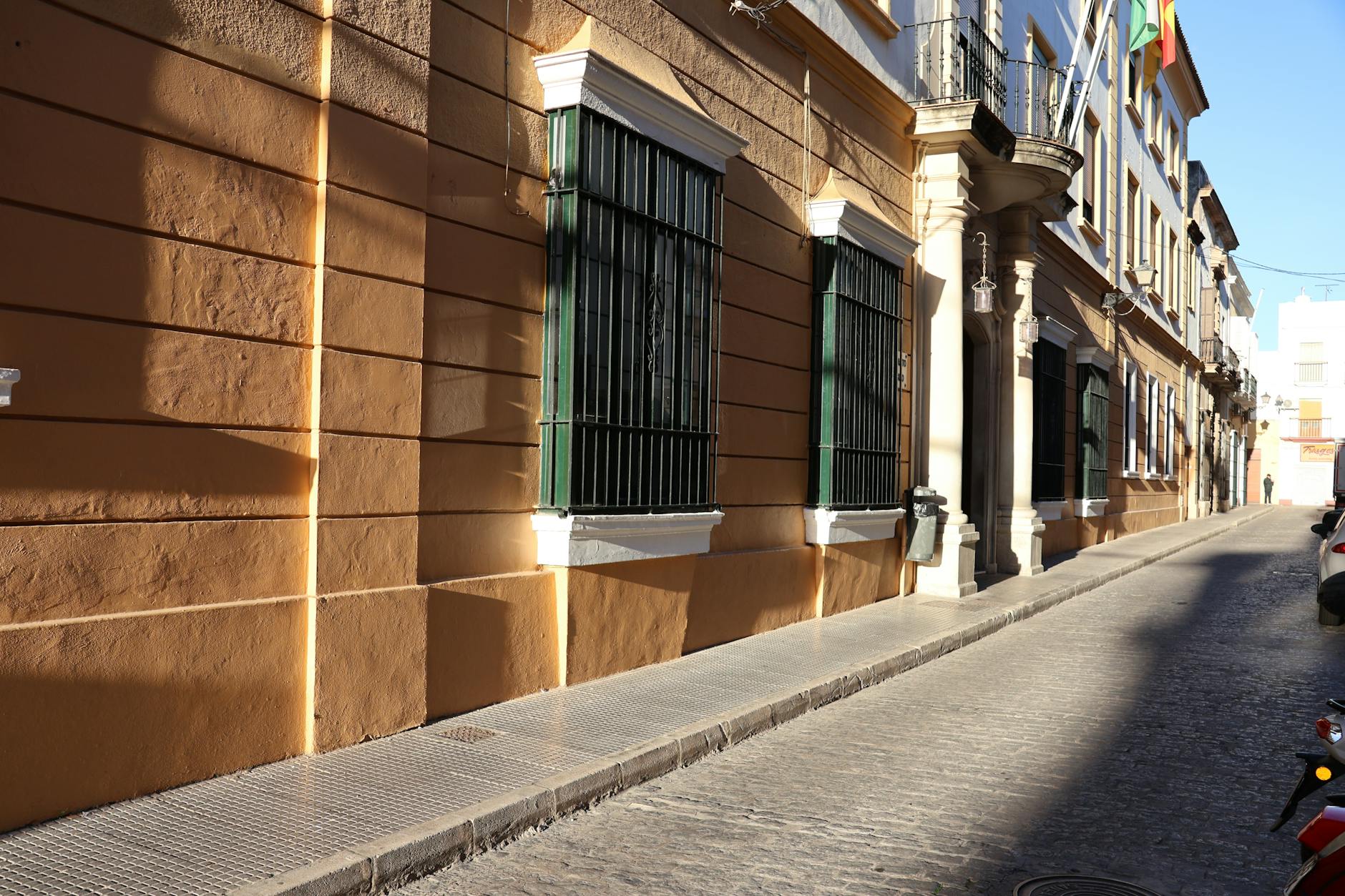
The tram is handy around the Cathedral, San Bernardo, and nearby central areas. Buses extend coverage to neighborhoods beyond the old town, while taxis are plentiful at night.
Seville also has bike lanes and bike-share options. The flat terrain helps, but summer heat can make cycling uncomfortable during midday.
Budget & practical tips
Seville suits a budget travel style better than many major European city breaks. Costs rise during festivals and prime spring weekends, but smart timing and local habits keep expenses manageable.
Reserve popular sights in advance, carry water in warm months, and plan outdoor walking for mornings or evenings. Midday is better for shaded patios, museums, lunch, or a short rest.
A reusable water bottle helps during long walks, especially from April to October.
The main monuments of Seville need timed planning in peak periods.
A central guesthouse or hostel can reduce transport spending.
The tapas style of eating keeps meals flexible and affordable.
How much to budget for Seville
For a $ budget, travelers can manage Seville with dorm beds, simple guesthouses, bakeries, markets, and tapas bars. Walking between sights cuts daily transport costs to very little.
A low daily budget may cover modest lodging, coffee and tostada, a tapas lunch, an inexpensive dinner, and one paid attraction. Cathedral and Alcázar tickets should be planned separately.
Prices climb during Semana Santa and Feria de Abril, when accommodation sells quickly. Booking early matters more in these periods than chasing last-minute deals.
Best time to visit: March to May and September to October
The best time to visit Seville is March to May and September to October. Temperatures are kinder, daylight is generous, and the city’s outdoor life feels lively without the harshest summer heat.
Spring brings orange blossom, processions, patios, and festival energy. Autumn has warmer evenings than much of Europe, fewer extremes, and good conditions for long walks.
July and August can be intensely hot, with temperatures often above 35°C. Winter is quieter and mild, though shorter days change the rhythm of sightseeing.
Frequently Asked Questions about Seville
Similar Destinations
Barcelona
Barcelona, Spain's most visually daring city, pulls travelers between Gaudí's gravity-defying Sagrada…
DiscoverMadrid
Madrid, Spain's vibrant capital, draws travelers with the world-class art of the Prado Museum, the grandeur…
DiscoverLisbon
In Lisbon, Portugal, trams rattle past tiled facades to Belém Tower, then on to Jerónimos Monastery’s carved…
Discover