Explore Spain
3 destinations to discover
Everything about Spain
Traveling to Spain means stepping into a country where ancient civilizations, fierce regional pride, and relentless sunshine collide on every street corner.
From the snow-capped Pyrenees to the volcanic dunes of Fuerteventura, the sheer variety packed into 505,000 square kilometers leaves most visitors genuinely unprepared.
Spain's 47 million people live by rhythms that feel almost counterintuitive — late dinners, afternoon pauses, and festivals that spill into the early hours without apology.
Why Travel to Spain?
What Sets Spain Apart from Other Destinations
Spain doesn't do monotony. The landscapes shift dramatically within a few hours of driving — arid Castilian plains give way to lush Basque hillsides, then suddenly you're facing the Atlantic.
The cultural depth goes well beyond museums. The layered history of Moorish, Roman, and Christian Spain is visible in daily architecture, in city layouts, in the very language people use for street names.
Spain also rewards slow travel. Lingering over a two-hour lunch isn't laziness here — it's the standard.
Spain at a Glance
Spain covers 505,990 square kilometers, making it the second-largest country in the European Union. The population sits around 47.4 million, spread across 17 autonomous communities with distinct identities.
The official currency is the euro. Spain runs on Central European Time (CET), with most businesses observing a midday break that can stretch from 2pm to 5pm in smaller towns.
Spanish is the primary language, but Catalan, Basque, and Galician hold official status in their respective regions — a detail that matters when you're reading signage in Barcelona or Bilbao.
Regions and Cities to Explore
The Main Regions of Spain
Andalusia dominates the south with whitewashed villages, flamenco traditions, and cities that once anchored a global empire. The region's 87,000 square kilometers make it Spain's largest autonomous community.
Catalonia pulls in design lovers and food obsessives, its coastline stretching from the French border down to the Delta de l'Ebre. The Basque Country operates almost like a separate republic — proud, prosperous, and extraordinarily well-fed.
The Canary Islands and Balearic Islands extend Spain's reach deep into the Atlantic and Mediterranean respectively. Fuerteventura, part of the Canaries, sits closer to Morocco than to Madrid.
Castile and León rewards those willing to drive — vast wheat fields, Romanesque churches, and medieval walled cities at almost every turn. Galicia in the northwest feels closer to Celtic Ireland than to sunny Seville.
Which Cities Should You Visit?
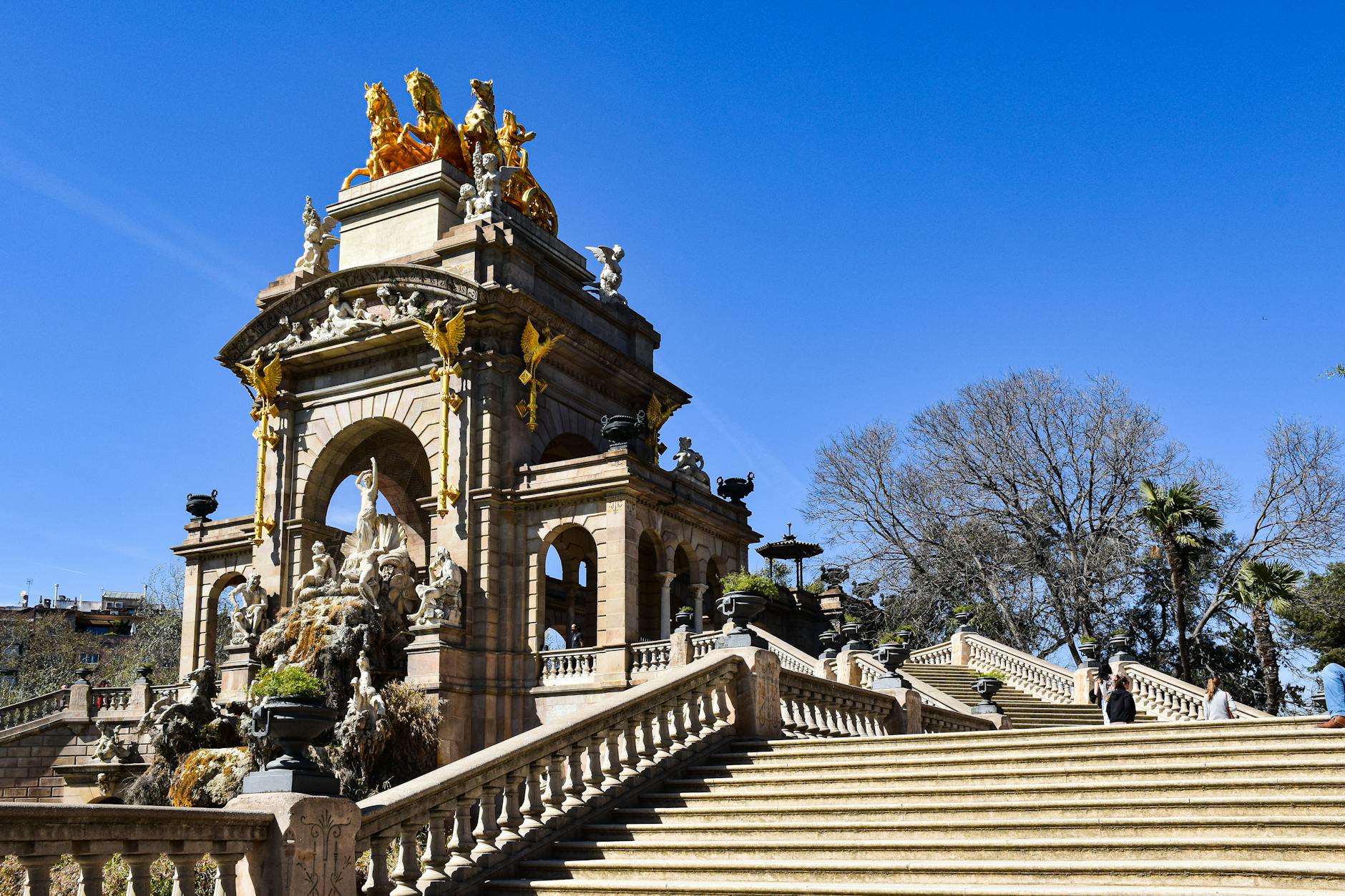
Barcelona remains Europe's most architecturally theatrical city — Gaudí's Sagrada Família alone justifies the trip, but the Eixample neighborhood, the Gothic Quarter, and the Boqueria market compete hard for attention.
Bilbao transformed itself from a rusting industrial port into a global culture destination after the Guggenheim Museum opened in 1997. The pintxos bars along Calle del Ledesma are not optional.
Alicante punches well above its size. The hilltop Santa Bárbara Castle, dating to the 9th century, overlooks one of Spain's most genuinely livable coastal cities — popular with expats but still deeply local in its old town.
Cádiz is one of Western Europe's oldest continuously inhabited cities, founded by the Phoenicians around 1100 BCE. Its narrow Atlantic-battered peninsulas and carnival tradition set it apart from every other Andalusian city.
Córdoba houses the Mezquita — a mosque-cathedral hybrid so architecturally mind-bending that visitor reviews consistently run out of adjectives. The surrounding Jewish Quarter adds another layer of historical density within just a few walkable blocks.
Culture, Traditions and Way of Life
Spain runs on social time. Dinner before 9pm marks you as a tourist immediately — in Madrid, 10pm is considered early, and restaurants stay packed well past midnight.
The siesta culture persists more strongly outside the major cities. In small Andalusian towns, shuttered shops between 2pm and 5pm are still the rule, not the exception.
Festivals define the Spanish calendar in ways that go far beyond tourism. Semana Santa (Holy Week) processions in Seville involve months of preparation and draw hundreds of thousands of people each April.
Regional identity runs deep and sometimes runs hot. Catalonia's push for independence, the Basque Country's distinct language — Euskara, unrelated to any other known language — these aren't background details. They shape everyday conversations.
Flamenco is not a tourist show. Born in Andalusia from a mix of Romani, Moorish, and Jewish musical traditions, it remains a living art form with serious practitioners and dedicated venues called tablaos and peñas flamencas.
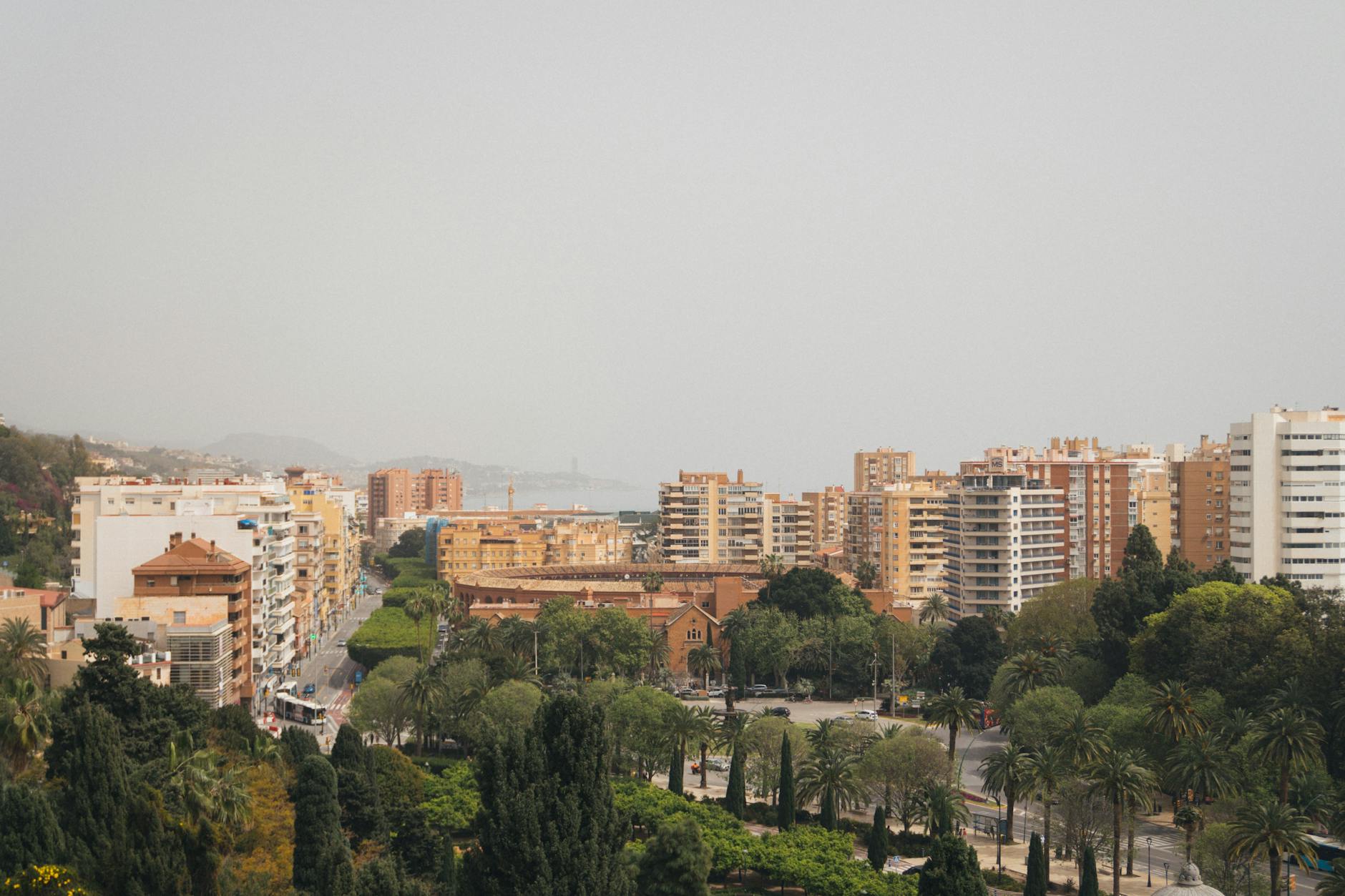
Bullfighting divides Spaniards themselves, with several regions having banned the practice. Local guides recommend seeking out fiestas populares instead — village celebrations with music, food, and fireworks that run entirely for local enjoyment.
Food: The Flavors of Spain
Spanish food resists generalization. The cuisine shifts completely between regions — Basque pintxos, Catalan pa amb tomàquet, Valencian paella, Andalusian gazpacho are all "Spanish food" and yet share almost nothing.
Paella deserves a note: the authentic Valencian version contains rabbit, chicken, and green beans — not seafood. Ordering a seafood paella in Valencia will earn you a polite but firm correction from any local.
Tapas culture means eating becomes social architecture. Plates arrive small and keep coming, conversations stretch, and a meal designed for two hours rarely ends in one.
Travelers note that market halls remain the most reliable way to eat well and cheaply. Barcelona's Mercat de Sant Josep (La Boqueria) is famous but crowded — the Mercat de Santa Caterina nearby is preferred by locals for actual shopping.
Wine regions include Rioja, Ribera del Duero, Priorat, and the sherry-producing triangle around Jerez. A glass of house wine at lunch typically costs between €1.50 and €3 — a pricing reality that surprises most first-time visitors.
Churros con chocolate at midnight after a night out is not a cliché. It is a national institution, and doing it properly — standing at a marble counter in a century-old churrería — is one of those unremarkable moments that somehow stays with travelers for years.
Practical Information
Visa and Entry Requirements
Spain belongs to the Schengen Area, meaning EU and EEA citizens travel freely without a visa. Citizens of the United States, Canada, Australia, and the United Kingdom can stay up to 90 days within any 180-day period without a visa.
From 2025, non-EU visitors will need to register through the ETIAS (European Travel Information and Authorization System) before entering — a pre-travel authorization, not a visa, but a mandatory step requiring advance registration online.
A valid passport is required for all non-EU travelers. EU citizens can travel with a national identity card.
Budget and Cost of Living
Spain remains significantly more affordable than France, Germany, or the UK. A three-course menu del día at lunch — the fixed-price midday meal that includes bread, wine, and coffee — runs between €10 and €15 in most cities.
Accommodation varies sharply. A mid-range hotel in Barcelona or Madrid averages €90–€150 per night, while smaller cities like Cádiz or Alicante deliver comparable quality for €60–€100. Rural casas rurales (country guesthouses) can drop below €50.
Budget travelers covering hostels, public transport, and market meals can manage comfortably on €60–€80 per day. A mid-range trip with restaurant dinners and museum entries sits closer to €120–€160.
Getting Around
The high-speed AVE rail network connects Madrid to Barcelona in under 3 hours, and to Seville in 2.5 hours — making trains the smartest choice for intercity travel. Spain's rail infrastructure ranks among Europe's most developed.
Budget airlines including Vueling and Iberia Express cover domestic routes efficiently, particularly useful for reaching the Canary Islands. Fuerteventura is a 2-hour flight from Madrid.
Renting a car unlocks rural Spain completely. Driving in smaller Andalusian villages or through the interior of Castile is difficult by any other means — and the roads are genuinely good.
When to Visit Spain?
Spain has no single best travel season — it depends entirely on where you're going and what you want from the trip.
Spring (April to June) is widely considered the most balanced period. Temperatures stay pleasant across most regions, crowds haven't peaked, and Andalusia is at its most photogenic — wildflowers, green hills, ideal walking weather.
Summer concentrates heat and visitors simultaneously. Inland cities like Córdoba and Seville regularly hit 40°C in July and August, making afternoon sightseeing genuinely uncomfortable. Coastal areas and the Canary Islands manage better.
Fuerteventura bucks the seasonal pattern. Its year-round mild climate — rarely below 18°C in winter — makes it a legitimate destination in January when the rest of Europe is gray. Local guides recommend November to February for kitesurfing conditions.
Autumn (September to November) brings relief after summer heat, lower prices, and the grape harvest season across Rioja and other wine regions — a reason in itself to time a visit.
Winter works well in the south and the islands. Cádiz in December sees temperatures around 15–17°C with long coastal walks entirely viable. Madrid and Barcelona in winter are cold but culturally rich, with far fewer tourist crowds competing for museum tickets.
Frequently Asked Questions about Spain
Best destinations in Spain
Barcelona
Barcelona, Spain's most visually daring city, pulls travelers between Gaudí's gravity-defying Sagrada Família, the mosaic terraces of Park…
ExploreMadrid
Madrid, Spain's vibrant capital, draws travelers with the world-class art of the Prado Museum, the grandeur of the Royal Palace, and the…
ExploreSeville
Seville, Spain's Andalusian capital, dazzles with the gilded halls of the Alcázar of Seville, the soaring Gothic grandeur of its Cathedral…
Explore