Madrid

Everything about Madrid
What if the Spanish capital were more than just a stopover on a European itinerary? Visiting Madrid rewards the curious traveler with layers of art, history, and street life that few cities in the world can match.
The city sits at the geographic heart of Spain, perched on a high plateau at 667 meters above sea level, making it the highest capital in the European Union. That elevation shapes everything, from the sharp, clear light to the brisk spring mornings.
Madrid moves at its own pace, late dinners, rooftop terraces, and neighbourhood markets included. Once visitors understand that rhythm, the city starts to make complete sense.
Why Visit Madrid?
What Makes Madrid Unique
Madrid is one of the few European capitals where world-class art museums sit within walking distance of each other. The so-called Golden Triangle of Art groups the Prado, the Reina Sofía, and the Thyssen-Bornemisza on a single boulevard.
Beyond the museums, the city has a street culture that genuinely pulses. Neighbourhood life in districts like Lavapiés, Malasaña, and Chueca feels authentic rather than staged for tourists.
The food scene runs from century-old taverns serving roast suckling pig to inventive tapas bars redefining Spanish cuisine. Madrid earns its reputation as one of Europe's most rewarding capitals for eating well on a moderate budget.
Madrid at a Glance
With a population of around 3.3 million, Madrid is Spain's largest city and its political and cultural capital. The city receives approximately 10 million international visitors per year, yet many of its best corners remain genuinely unhurried.
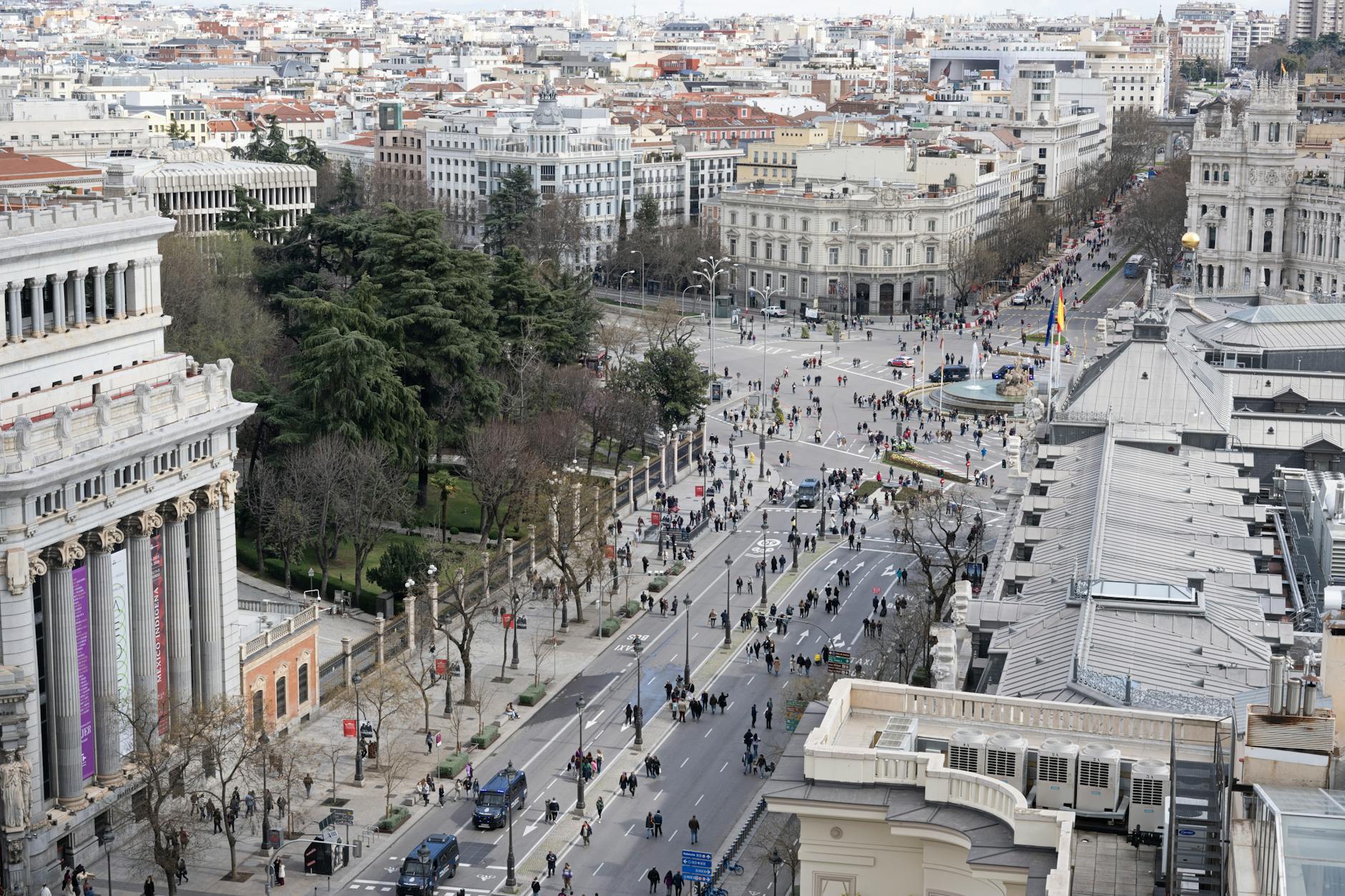
The city centre is compact enough to cover on foot. Most major attractions cluster within a 30-minute walk from the central Puerta del Sol.
Public transport is reliable, accommodation ranges from budget hostels to grand five-star hotels, and locals are generally accustomed to helping visitors navigate. Madrid is welcoming without being overwhelming.
What to See and Do in Madrid?
Prado Museum
The Museo del Prado is one of the greatest painting collections on earth, full stop. Founded in 1819, it holds over 8,000 paintings, though only around 1,300 are on permanent display at any given time.
Visitors should prioritise the Spanish masters. The rooms dedicated to Velázquez and Goya alone justify the trip, with works like Las Meninas and Saturn Devouring His Son stopping viewers in their tracks.
Flemish and Italian collections are equally impressive, featuring Bosch, Titian, and Rubens. Local guides recommend arriving when the museum opens to avoid congestion around the most celebrated canvases.
The standard admission price is around 15 euros, but free entry on weekday evenings from 6 to 8 pm is a practical option for budget-conscious travelers. Book timed tickets in advance during peak season.
Royal Palace
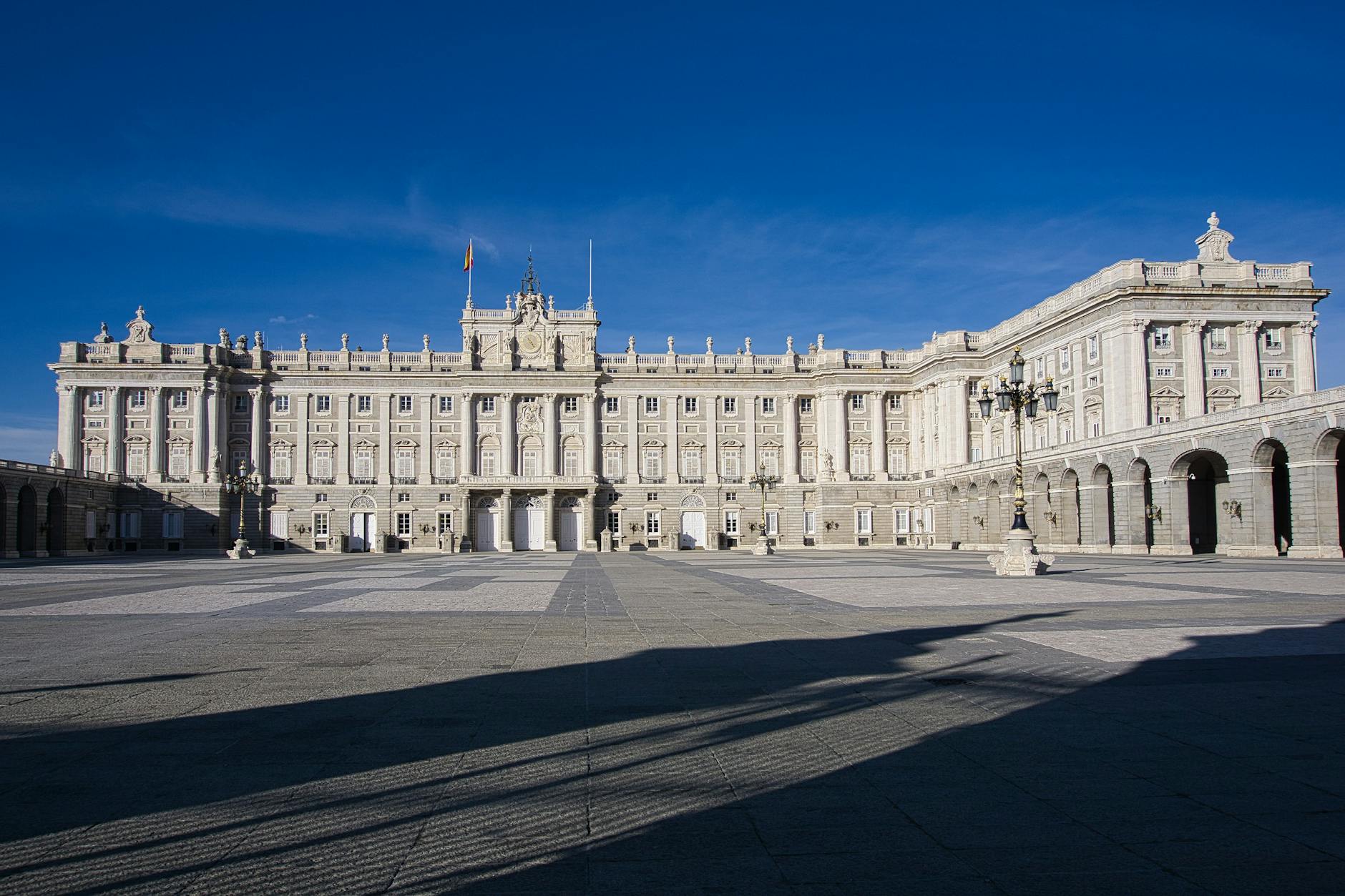
The Palacio Real de Madrid is the largest royal palace in Western Europe by floor area, with 135,000 square metres and 3,418 rooms. Spain's royal family no longer lives here; it functions today as an official state residence used for ceremonies.
The interior is extravagant in the best possible sense. Frescoed ceilings, royal armories, and the official dining room set for 140 guests give visitors a vivid picture of Bourbon excess.
The palace also houses a remarkable collection of Stradivarius instruments, still used for royal concerts. The surrounding Sabatini Gardens provide a quieter, greener space once visitors finish the interior tour.
Guided tours provide context that self-guided visits can miss. Visitor reviews confirm that spending at least two hours inside the palace is necessary to appreciate the scale of its collections.
Plaza Mayor
Plaza Mayor was completed in 1619 under King Philip III, whose equestrian statue stands at its centre. The square hosted bullfights, royal proclamations, and during darker chapters, public executions by the Inquisition.
Today the atmosphere is considerably lighter. Cafe terraces fill the arcaded ground floor, street artists perform in the centre, and the surrounding streets lead into Madrid's oldest tapas bars.
The square connects directly to the Mercado de San Miguel, a covered iron market from 1916 now transformed into a gourmet food hall. It is touristy, but the cured meats, fresh oysters, and vermouth on tap are genuinely good.
Early mornings reveal the square at its quietest and most photogenic. Arriving before 9 am means almost empty cobblestones and beautiful angled light across the painted facades.
Reina Sofía Museum
The Museo Reina Sofía is Spain's national museum of 20th and 21st century art, housed partly in a converted 18th-century hospital and partly in a striking modern extension designed by Jean Nouvel.
Its most famous resident is Picasso's Guernica, painted in 1937 as a response to the bombing of a Basque town during the Spanish Civil War. The sheer scale of the canvas, at 349 by 776 centimetres, hits visitors physically.
Works by Salvador Dalí and Joan Miró fill surrounding rooms, placing Guernica within a broader narrative of Spanish modernism. The permanent collection rewards slow, attentive viewing rather than a rushed pass-through.
Free admission applies on Monday and Wednesday afternoons and all day Sunday for the permanent collection. The museum's rooftop terrace, accessible via the Nouvel building's external glass lift, gives a panoramic view across the city.
Food and Local Cuisine in Madrid
Madrid's food culture runs deep. The city's culinary identity centres on hearty Castilian traditions: cocido madrileño (a slow-cooked chickpea stew), roast lamb, and crispy suckling pig from nearby Segovia.
Tapas in Madrid differ from their Andalusian cousins. Here, a classic tapa is often a small plate of patatas bravas, jamón ibérico on bread, or a tortilla española cut into wedges. Bars in the La Latina neighbourhood serve some of the city's best examples.
Vermouth before lunch is a genuine local ritual, not a tourist affectation. Locals gather at traditional bodegas around noon on weekends, ordering vermut with olives and anchovies before sitting down to eat at 2 pm.
Dinner rarely starts before 9 pm. Travelers who try to eat at 7 pm will find restaurants empty; adapting to Spanish meal times transforms the experience significantly.
The Mercado de Antón Martín and the newer food halls in Chamberí are worth exploring for fresh produce and local specialties at reasonable prices. Budget around 15 to 25 euros per person for a proper sit-down lunch with wine.
Getting to Madrid and Getting Around
Getting There
Adolfo Suárez Madrid-Barajas Airport is Spain's busiest airport and one of Europe's major hubs. It connects to over 180 destinations worldwide, with direct flights available from most European capitals, North America, and Latin America.
The airport sits about 12 kilometres northeast of the city centre. Metro Line 8 runs directly from the airport to the city centre in around 25 minutes, with a small airport supplement added to the standard metro fare.
High-speed AVE trains connect Madrid to Barcelona in under three hours, to Seville in two and a half hours, and to Valencia in about one hour forty minutes. Spain's rail network makes Madrid a strong base for wider regional travel.
Getting Around
Madrid's metro system covers the city thoroughly with 302 stations across 13 lines. A ten-journey metro card (Tarjeta Multi) costs around 12.20 euros and is the most practical option for visitors staying several days.
Walking is genuinely the best way to experience the historic centre. The area between the Prado and the Royal Palace takes about 25 minutes on foot, passing through some of the city's most interesting streets.
Taxis are metered and relatively affordable by European standards. Ride-hailing apps including Uber and Cabify operate legally in Madrid, giving travelers additional flexibility for late-night journeys.
Budget and Practical Tips
How Much to Budget for Madrid
Madrid sits comfortably in a moderate price bracket compared to London or Paris. A daily budget of 80 to 120 euros per person covers a mid-range hotel, lunch, dinner, museum entry, and transport with reasonable comfort.
Budget travelers can manage on significantly less. Free museum evenings, picnic lunches from markets, and the city's abundant public squares reduce costs without sacrificing quality of experience.
The Madrid Tourist Travel Pass covers unlimited metro and bus journeys for one to seven days and suits visitors planning to move around frequently. Museum combo tickets for the Prado, Reina Sofía, and Thyssen-Bornemisza save money and skip some queues.
Accommodation in central districts like Sol, Huertas, or Chueca ranges from 60 euros per night for a clean hostel private room to 150 euros for a well-located three-star hotel.
Best Time to Visit: April to June and September to October
Spring and early autumn are the two windows when Madrid performs at its best. Temperatures in April and May hover between 15 and 22 degrees Celsius, making outdoor sightseeing genuinely comfortable.
July and August bring intense heat, regularly exceeding 35 degrees Celsius. Many locals leave the city in August, which quietens some neighbourhoods but reduces the authentic atmosphere that makes Madrid distinctive.
The September to October period brings cooler temperatures, lower accommodation prices, and cultural programming that kicks back into gear after the summer pause. Visitor reviews consistently rate this as the most satisfying time to travel here.
Local guides recommend the last week of April specifically, when the Feria del Libro and various neighbourhood festivals animate the city's parks and plazas with a genuine sense of celebration.
Frequently Asked Questions about Madrid
Similar Destinations
Barcelona
Barcelona, Spain's most visually daring city, pulls travelers between Gaudí's gravity-defying Sagrada…
DiscoverSeville
Seville, Spain's Andalusian capital, dazzles with the gilded halls of the Alcázar of Seville, the soaring…
DiscoverRome
Rome, Italy draws millions of visitors each year to walk past the Colosseum, toss a coin in the Trevi…
Discover