Barcelona

Everything about Barcelona
What if one city could pack Gaudí's wildest architectural visions, centuries of Gothic history, and some of Europe's finest seafood into a single weekend? Visiting Barcelona means stepping into a place where every neighborhood tells a different story.
The Catalan capital sits on the Mediterranean coast, squeezed between the sea and the Collserola hills. That geography shapes everything, from the food on the table to the mood on the streets.
Few cities in Europe match Barcelona's density of world-class experiences. This guide covers what to see, where to eat, how to get around, and how much to realistically budget.
Why Visit Barcelona?
What Makes Barcelona Unique
Barcelona is not just a Spanish city. It is a Catalan city with its own language, its own culinary traditions, and a fierce pride in both.
Antoni Gaudí's fingerprints cover the skyline. No other city on Earth has a single architect so thoroughly woven into its visual identity.
The blend of modernist architecture, medieval streets, and beach culture creates a tension that keeps visitors off-balance in the best possible way. Nothing here feels ordinary.
Barcelona at a Glance
Barcelona is the capital of Catalonia and Spain's second-largest city, home to roughly 1.6 million people within the city limits. The metropolitan area pushes closer to 5 million.
The city divides into distinct neighborhoods, each with its own character. From the buzzing Born district to the quiet lanes of Gràcia, there is genuine variety within walking distance.
A premium destination with a €€€ budget range, Barcelona rewards travelers who plan ahead, especially when booking Gaudí sites months in advance.
What to See and Do in Barcelona?
Sagrada Família
Gaudí began work on the Sagrada Família in 1883, and construction is still ongoing today. The basilica is expected to reach full completion sometime in the 2030s.
The interior is unlike any cathedral in existence. Light filters through stained glass in blues, ambers, and greens, turning the stone forest of columns into something close to theatrical.
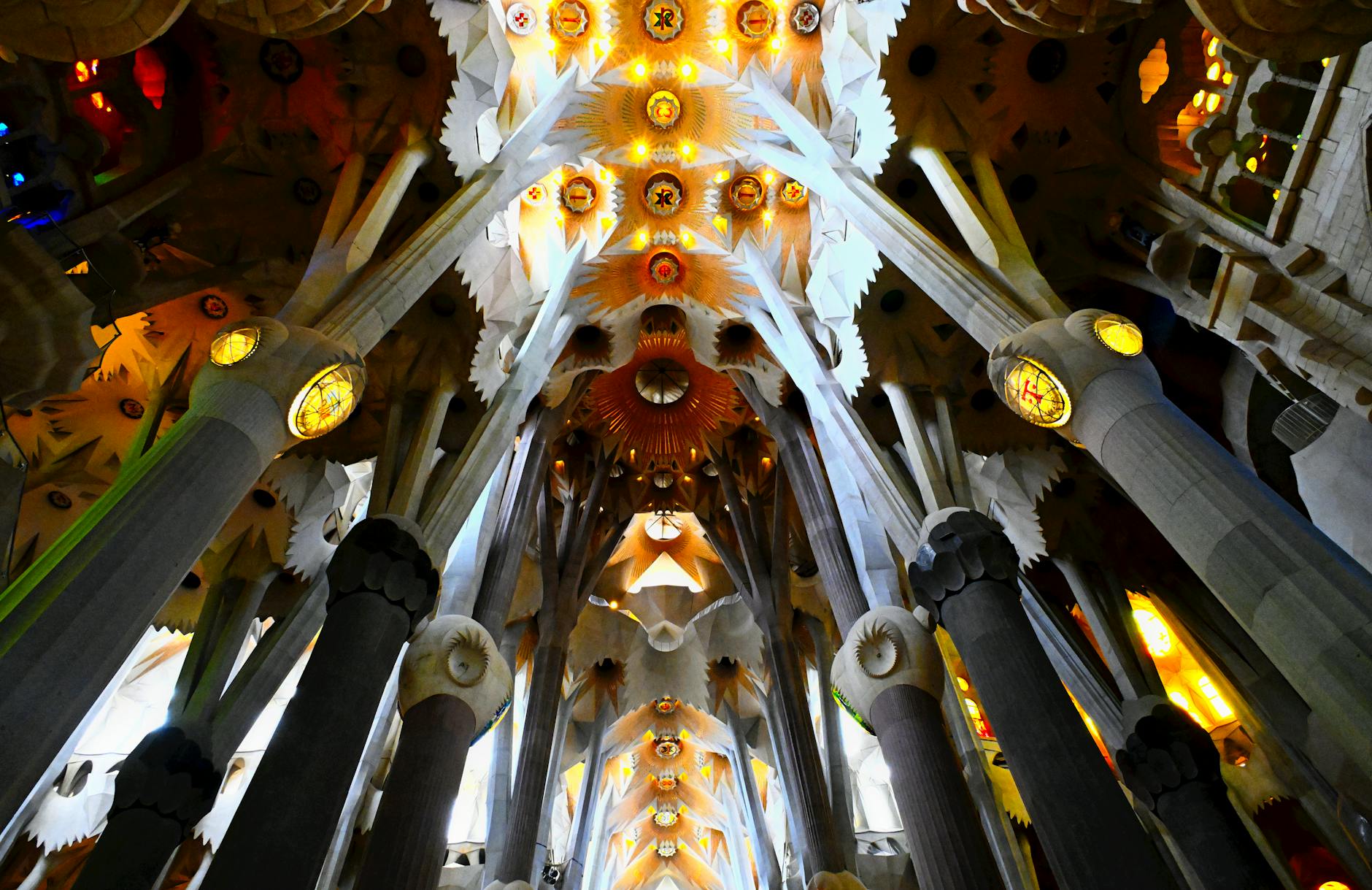
Advance tickets are non-negotiable here. Same-day entry is nearly impossible during peak months, and the queues without a ticket can stretch for hours.
Local guides recommend adding the tower access option to your ticket. The views over the city from the Nativity or Passion towers are genuinely worth the extra cost.
Park Güell
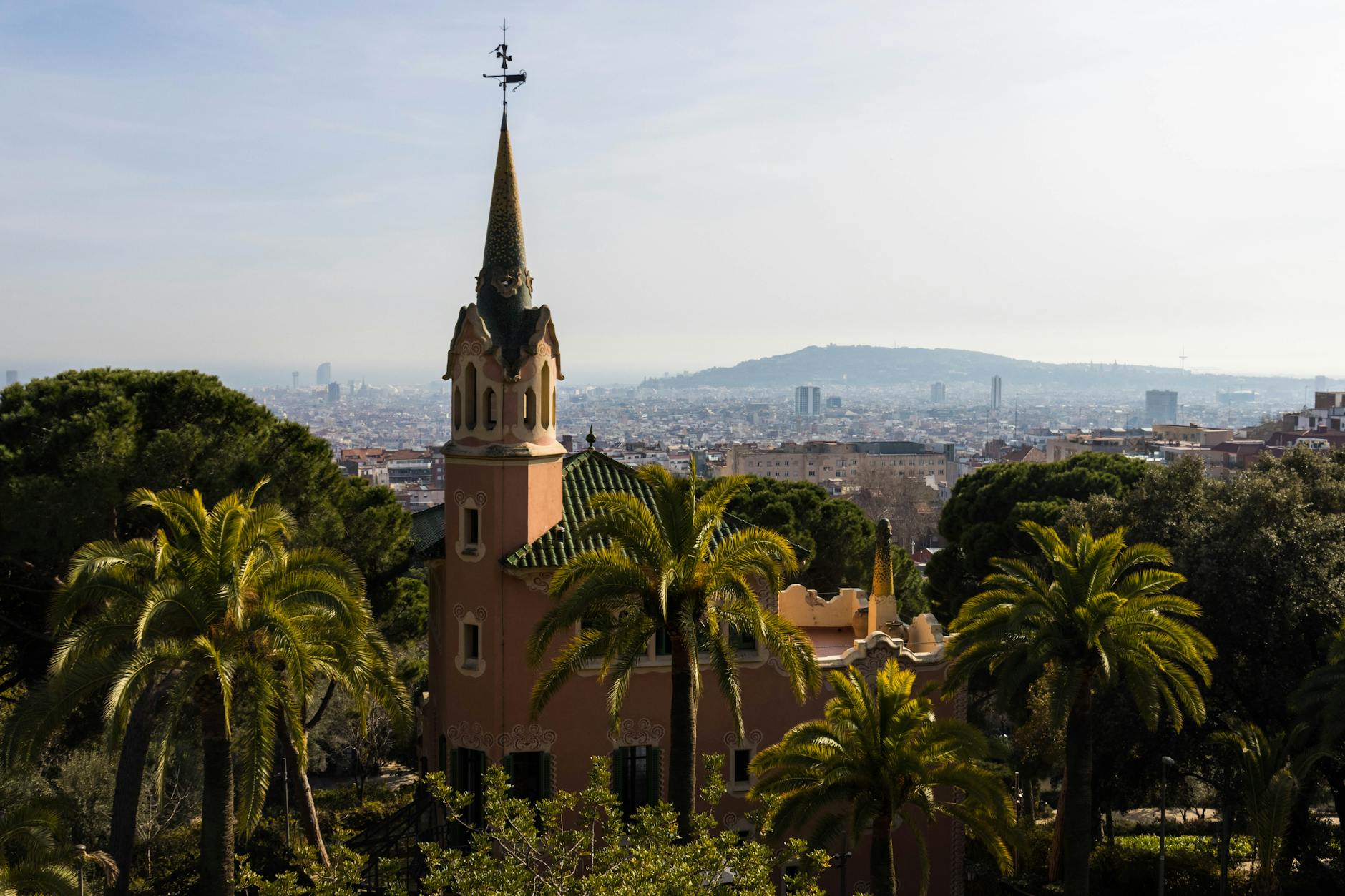
Park Güell began as a failed housing development and became one of Barcelona's most beloved open-air spaces. Gaudí designed it between 1900 and 1914 for the industrialist Eusebi Güell.
The monumental zone, with its mosaic terrace and famous dragon staircase, requires a timed ticket. Visitor numbers are capped to protect the site, so booking ahead matters.
Beyond the ticketed area, the park's forested paths are free to explore. The upper sections are quieter, and the views toward the sea and the city skyline are exceptional.
The best light for photography falls in the early morning, just after the park opens. Crowds build quickly by mid-morning, particularly in summer.
La Rambla
La Rambla is Barcelona's most famous boulevard, stretching about 1.2 kilometers from Plaça de Catalunya down to the Columbus monument at the port. Millions of people walk it every year.
The reputation is mixed. Travelers note that the street itself is lively and historically interesting, but the tourist traps and pickpocket activity are real concerns requiring attention.
The Mercat de la Boqueria, just off La Rambla, is worth a detour. It is one of Europe's great covered markets, even if the stalls closest to the entrance cater mainly to tourists.
Head deeper into the Boqueria to find stalls where locals actually shop. The fresh fruit juices, cured meats, and fish displays are a crash course in Catalan gastronomy.
Gothic Quarter
The Gothic Quarter sits at the historical heart of Barcelona, built on top of the original Roman city of Barcino. Sections of the Roman wall are still visible, dating back to the 1st and 4th centuries.
The streets here are narrow, irregular, and deliberately confusing. Getting lost is not a problem but a feature. Every wrong turn tends to reveal a hidden square or a Romanesque facade.
The Barcelona Cathedral anchors the neighborhood. Its Gothic cloister, home to a small flock of white geese, is one of those quietly surprising details that visitor reviews consistently highlight.
The Plaça Reial, just off La Rambla, is a good spot to take a breath. The lampposts here were designed by a young Gaudí, long before he became famous.
Food and Local Cuisine in Barcelona
Catalan cuisine is not the same as generic Spanish food. It draws heavily on the sea, the mountains, and a tradition of combining sweet and savory that stretches back centuries.
Pan con tomate, bread rubbed with ripe tomato and drizzled with olive oil, is the foundation of almost every meal. It sounds simple. It tastes like the region itself.
Seafood dominates the waterfront restaurants in Barceloneta. Fresh grilled fish, fideuà (a paella made with noodles instead of rice), and razor clams prepared with garlic and parsley are local staples worth seeking out.
The tapas culture is alive and well, but Barcelona also has a thriving fine dining scene. The city holds multiple Michelin-starred restaurants, led by chefs who treat Catalan ingredients with serious intention.
Visitor reviews confirm that the Born and Gràcia neighborhoods deliver the best balance of quality and value for sit-down meals. Avoid eating directly on La Rambla if budget and quality both matter.
Local markets like the Mercat de Santa Caterina in El Born are excellent for quick, affordable lunches. The prepared food counters there serve the kind of straightforward Catalan cooking that rarely appears in travel guides.
Getting to Barcelona and Getting Around
Getting There
Barcelona-El Prat Airport is the main international gateway, located about 12 kilometers southwest of the city center. It handles direct flights from most major European cities and many long-haul destinations.
The Aerobus connects the airport to Plaça de Catalunya in roughly 35 minutes and runs frequently throughout the day. Taxis and ride-share services are available but cost significantly more.
High-speed AVE trains connect Barcelona with Madrid in under three hours, and the Renfe network links the city with other Spanish destinations. The main station is Barcelona Sants, well connected to the metro.
Getting Around
Barcelona's metro system is clean, frequent, and covers most places a visitor needs to reach. A T-Casual card (10 trips) is the most economical option for multi-day stays.
The city center, including the Gothic Quarter, Eixample, and Barceloneta, is walkable once you orient yourself. Many of the major Gaudí sites require a short metro or bus ride.
Cycling is popular and practical, with a dense network of bike lanes. The Bicing public bike scheme requires a local registration, but private rental shops near the waterfront are easy to find.
Budget and Practical Tips
How Much to Budget for Barcelona
Barcelona sits in the premium travel bracket. A mid-range hotel in a central location typically runs between €120 and €200 per night, with design hotels and seafront properties going considerably higher.
A realistic daily budget for a comfortable visit, including accommodation, meals, transport, and entry fees, falls between €150 and €250 per person.
Gaudí sites add up quickly. The Sagrada Família costs around €26 for standard entry, Park Güell charges €10 for the monumental zone, and the Casa Batlló can exceed €35 depending on the ticket type.
Lunch menus at neighborhood restaurants, known as menú del día, are one of the best value moves in the city. Three courses with wine for €12 to €15 is still common outside tourist zones.
Best Time to Visit: May to June and September to October
May to June and September to October represent the sweet spots for visiting Barcelona. Temperatures are warm but not overwhelming, typically between 20°C and 27°C, and the summer crowds have either not yet arrived or have dispersed.
July and August bring intense heat, packed beaches, and accommodation prices at their peak. The city does not slow down, but the experience can feel exhausting rather than pleasurable.
Spring and early autumn also align with Barcelona's festival calendar. La Mercè in late September is the city's biggest street festival, filling every neighborhood with free concerts, human towers, and fireworks.
Frequently Asked Questions about Barcelona
Similar Destinations
Madrid
Madrid, Spain's vibrant capital, draws travelers with the world-class art of the Prado Museum, the grandeur…
DiscoverSeville
Seville, Spain's Andalusian capital, dazzles with the gilded halls of the Alcázar of Seville, the soaring…
DiscoverLisbon
In Lisbon, Portugal, trams rattle past tiled facades to Belém Tower, then on to Jerónimos Monastery’s carved…
Discover