Florence

Everything about Florence
What if a single city held more Renaissance masterpieces than most countries combined? Visiting Florence means stepping into a place where art, history, and everyday life collide on every cobblestone street.
This compact Tuscan capital punches far above its weight. With fewer than 400,000 residents, it draws over 13 million visitors a year, yet its historic center still feels intimate and walkable.
Florence rewards the curious traveler. The crowds are real, but so are the quiet side streets, the rooftop views, and the plates of food that make the journey worthwhile.
Why visit Florence?
What makes Florence unique
Florence is the birthplace of the Renaissance. Nowhere else on Earth concentrates so much artistic achievement in such a small geographical area.
The city shaped Western civilization in ways that still resonate today. Dante, Michelangelo, Leonardo da Vinci, and Botticelli all worked here, leaving behind a legacy that fills museums, churches, and public squares.
Beyond the famous names, Florence has a living culture. Local artisans still craft leather goods by hand, markets sell seasonal produce, and neighborhood trattorias serve recipes passed down for generations.
Florence at a glance
Florence sits in the Arno River valley, surrounded by Tuscan hills that glow golden in late afternoon light. The historic center, a UNESCO World Heritage Site since 1982, covers a remarkably compact area.
Most major attractions are within a 20-minute walk of each other. This makes the city genuinely accessible on foot, without relying heavily on public transport.
The local currency is the euro, the official language is Italian, and the city operates on Central European Time. English is widely spoken in tourist areas, though a few words of Italian go a long way.
What to see and do in Florence?
Florence Cathedral (Duomo)
The Florence Cathedral, officially Santa Maria del Fiore, dominates the city skyline with its terracotta-tiled dome. Filippo Brunelleschi engineered this dome between 1420 and 1436, and it remains the largest brick dome ever constructed.
Entry to the Cathedral itself is free. Climbing the dome costs around 18 euros and rewards visitors with a panoramic view stretching across the city and into the surrounding Tuscan hills.
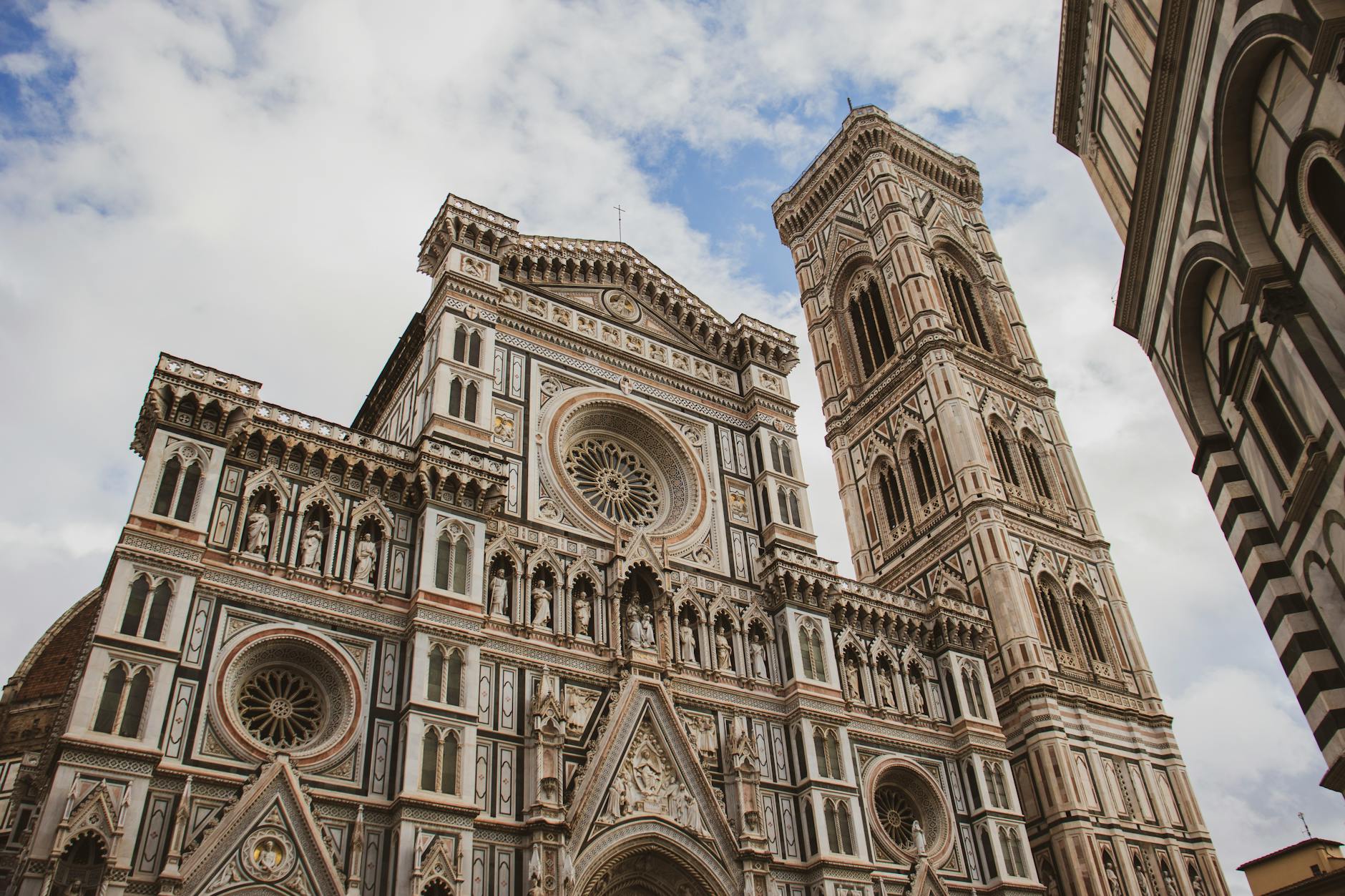
The adjacent Baptistery features gilded bronze doors known as the Gates of Paradise, a nickname given by Michelangelo himself. Arrive early to avoid the longest queues, particularly in summer months.
The Cathedral complex also includes the Campanile bell tower and the Opera del Duomo Museum. Booking a combined ticket online in advance saves both time and money.
Uffizi Gallery
The Uffizi Gallery houses one of the most important collections of Renaissance painting in the world. Botticelli's "The Birth of Venus" and "Primavera" both hang here, drawing visitors from every continent.
The gallery holds over 3,000 works across 45 rooms. A focused visit takes at least three hours. Trying to see everything in one afternoon leads to visual fatigue and missed detail.
Advance booking is strongly recommended, especially between April and October. Tickets cost around 20 euros for adults, with free entry on the first Sunday of each month.
Local guides recommend visiting on a weekday afternoon, when morning crowds have thinned. The upper loggia terrace provides a surprising open-air view toward the Ponte Vecchio and the Arno.
Ponte Vecchio
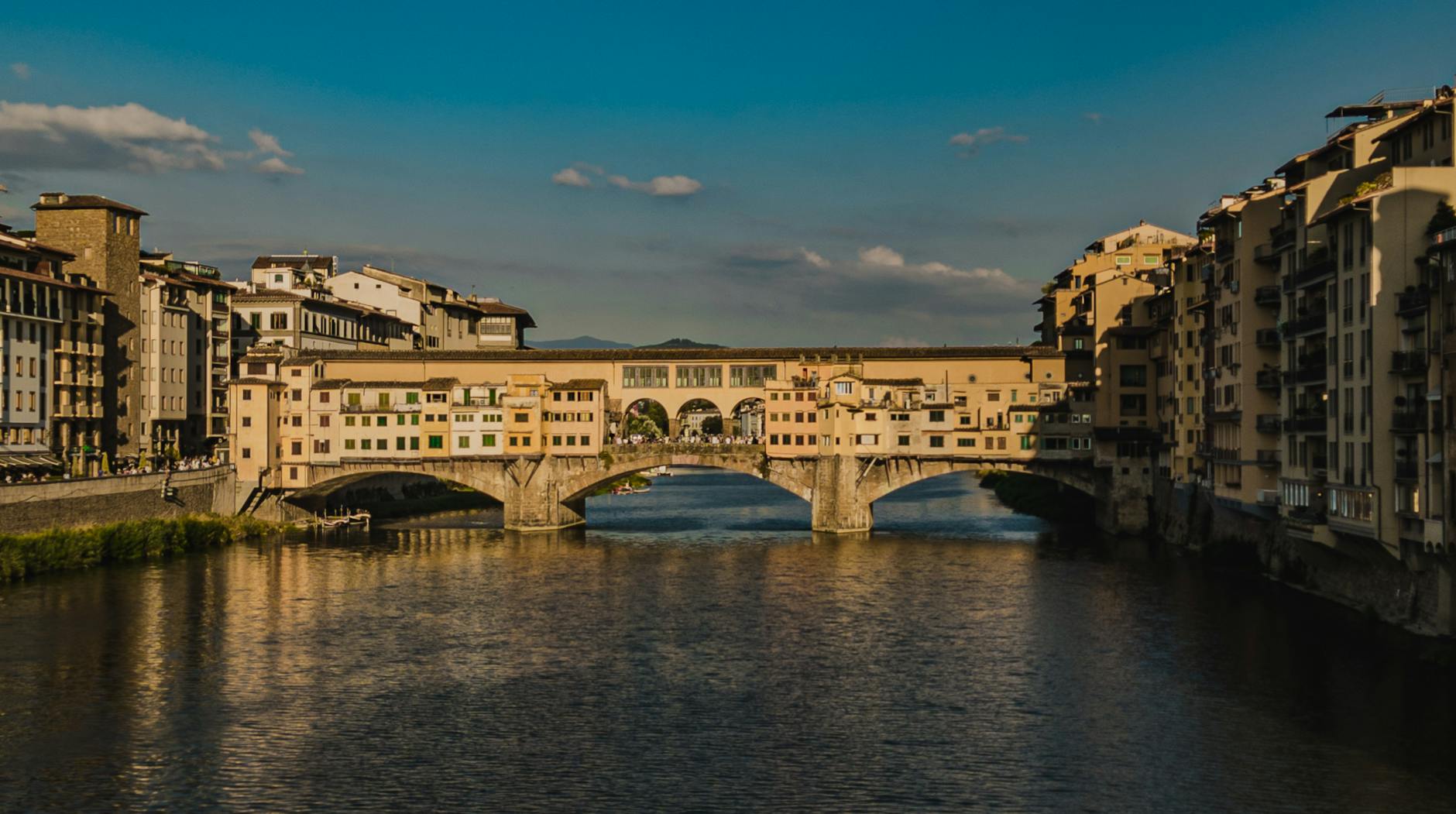
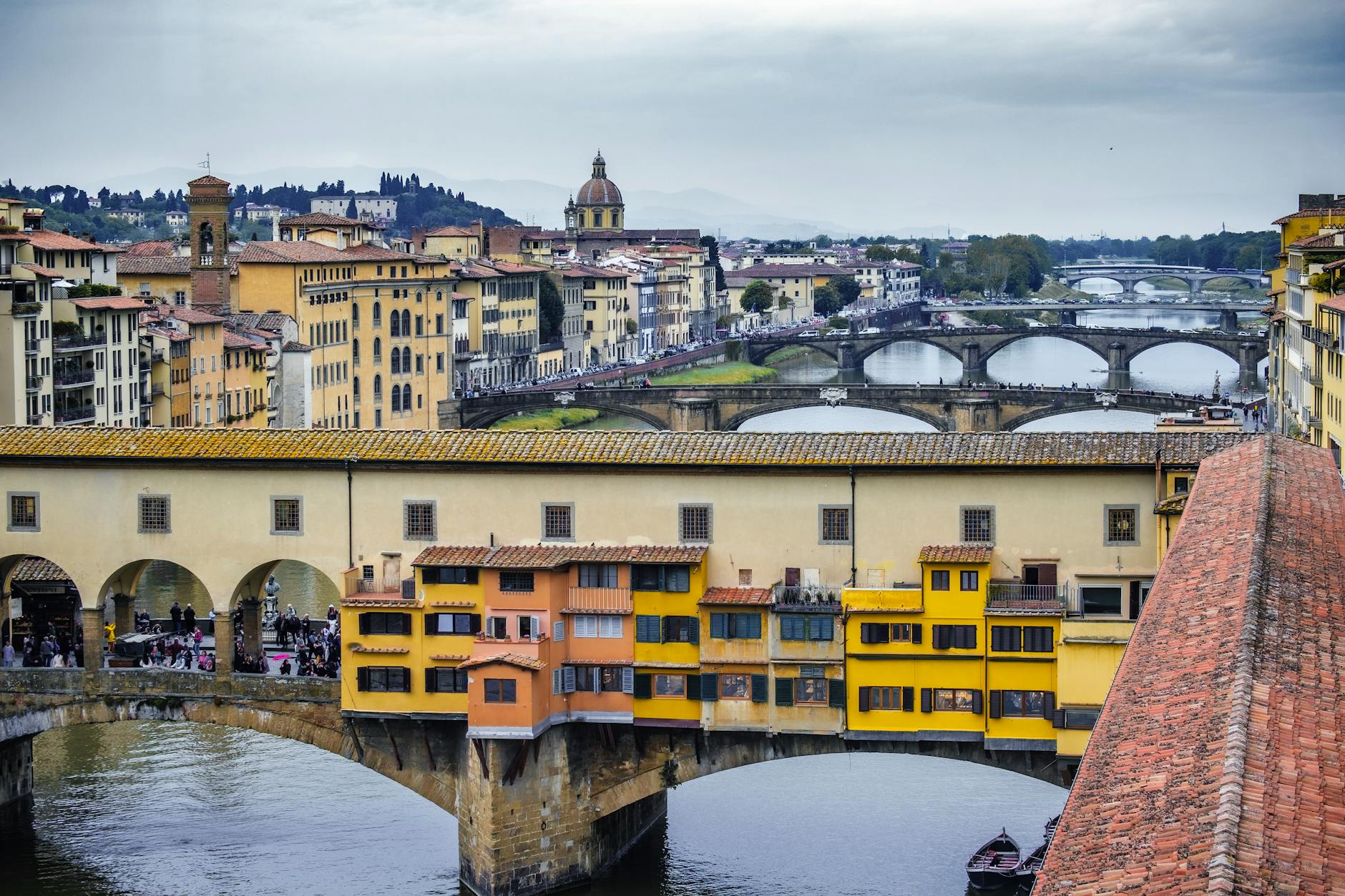
The Ponte Vecchio is Florence's oldest bridge, dating back to 1345. Unlike most European bridges, it carries shops along its full length, originally occupied by butchers, later replaced by goldsmiths in the 16th century.
Today the bridge is lined with jewelry boutiques, some displaying prices that reflect the location's prestige. Window shopping here costs nothing, and the views from either end of the bridge are genuinely spectacular.
At sunset, the bridge and its reflection in the Arno turn amber and pink. Traveler reviews consistently rate this as one of the most photogenic moments in all of Italy.
Cross the bridge to reach the Oltrarno neighborhood on the south bank. This quieter district holds excellent wine bars, artisan workshops, and the Pitti Palace, a sprawling Renaissance palace with its own gallery collection.
Piazza della Signoria
Piazza della Signoria has served as Florence's political heart since the medieval period. The square fronts the Palazzo Vecchio, the city's fortified town hall, and functions as an open-air museum in its own right.
Copies of major sculptures stand throughout the square, including a replica of Michelangelo's David at its original location. The Loggia dei Lanzi holds genuine Renaissance and Hellenistic sculptures, free to view at any hour.
The square buzzes with activity from morning to late evening. Street musicians, tourists, locals grabbing espresso, and pigeons all share the same ancient paving stones.
Visitor reviews confirm that sitting at one of the square's cafes, though pricey, provides a front-row seat to one of Europe's great urban stages. The palazzo's tower is visible from almost anywhere in the city center.
Food and local cuisine in Florence
Florentine cuisine is honest and direct. It relies on quality ingredients, not complicated technique, and it has little patience for fussy presentation.
The bistecca alla Fiorentina is the city's most iconic dish. This T-bone steak from Chianina cattle is grilled over charcoal, served rare, and priced by weight, typically around 50 to 60 euros per kilogram.
For something more budget-friendly, seek out lampredotto. This slow-cooked tripe sandwich is a Florentine street food tradition, sold from market stalls near the Mercato Centrale for just a few euros.
The Mercato Centrale itself is worth a visit beyond lunch. The ground floor still functions as a working food market. The upper floor hosts a permanent food hall with stalls covering pasta, pizza, gelato, and wine.
Gelato deserves careful attention. Look for shops where the gelato is stored in covered metal containers rather than piled high in colorful mounds. Covered gelato signals traditional recipes made without artificial bulk.
Local wine culture centers on Chianti Classico, produced in the hills just south of the city. Many wine bars in the Oltrarno district serve it by the glass alongside local cheeses and cured meats.
Getting to Florence and getting around
Getting there
Florence has its own airport, Amerigo Vespucci, located about 5 kilometers from the city center. A tram line connects the airport directly to the Santa Maria Novella train station, making the journey quick and inexpensive.
Travelers from Rome reach Florence in about 1.5 hours by high-speed Frecciarossa train. From Milan, the journey takes just under 2 hours. Both routes run frequently throughout the day.
Some budget travelers fly into Pisa's Galileo Galilei airport instead. Direct trains connect Pisa and Florence in under an hour, making this a practical alternative when airfares are lower.
Getting around
The historic center of Florence is compact enough that walking covers most attractions comfortably. Many streets in the central zone are pedestrianized, making exploration on foot both safe and pleasant.
Florence has a growing tram network that connects key neighborhoods beyond the center. Single tickets cost 1.70 euros and must be validated before boarding. Buses also cover the wider city efficiently.
Cycling is increasingly popular, with rental bikes and e-bikes available throughout the city. Note that cycling is prohibited in parts of the pedestrian historic center, and traffic elsewhere can be dense.
Budget and practical tips
How much to budget for Florence
Florence sits in the budget-friendly range for Western Europe, particularly if travelers choose wisely. A daily budget of 60 to 80 euros per person covers a hostel bed, two meals, and one paid attraction.
Accommodation costs vary significantly by season and neighborhood. Budget hotels and hostels near the train station provide acceptable comfort at reasonable prices, with dorms starting around 25 euros per night.
Several major attractions, including the Cathedral interior and all sculptures in the Loggia dei Lanzi, are free. Planning around free entry days at paid museums reduces costs substantially.
Eating at the counter rather than at a table in Florentine bars follows local tradition and costs less. A stand-up espresso runs about 1.20 euros. Sitting at a terrace table can triple that price.
Best time to visit: May to June and September
May and June bring warm temperatures, long daylight hours, and manageable crowds before the peak summer rush. Flowers bloom across the Tuscan hills, and outdoor dining becomes a genuine pleasure.
July and August push temperatures above 35 degrees Celsius regularly. Crowds reach their peak, prices rise, and queues at major sites lengthen considerably. Visitor reviews consistently flag August as the most uncomfortable month.
September strikes the best balance available. Summer heat fades, school groups thin out, and the light turns golden in that particular way that made Florentine painters obsessed with depicting it. Prices begin to ease as well.
Frequently Asked Questions about Florence
See all destinations in Italy
Venice
Venice, Italy, rises from the Adriatic lagoon as a living masterpiece, where St. Mark's Square, the Rialto…
DiscoverRome
Rome, Italy draws millions of visitors each year to walk past the Colosseum, toss a coin in the Trevi…
DiscoverMilan
In Milan, Italy, gothic spires crown the Duomo, Leonardo’s The Last Supper rewards advance booking, and…
Discover