Explore Saudi Arabia
2 destinations to discover
Everything about Saudi Arabia
Traveling to Saudi Arabia means stepping into one of the world's most rapidly transforming destinations — a kingdom where ancient desert landscapes meet futuristic city skylines, and where millennia of tradition coexist with bold new ambitions.
Few countries on earth carry this kind of weight. Saudi Arabia holds two of Islam's holiest cities, the world's largest continuous sand desert, and a coastline stretching over 2,600 kilometers along the Red Sea.
Tourism here is genuinely new. The kingdom opened its doors to international leisure travelers only in 2019, which means visiting Saudi Arabia still carries the rare thrill of arriving somewhere largely undiscovered.
Why travel to Saudi Arabia?
What sets Saudi Arabia apart from other destinations
Saudi Arabia is the birthplace of Islam and the guardian of its two holiest sites. That spiritual gravity shapes everything — architecture, daily rhythms, hospitality, and the way strangers treat each other in the street.
Beyond religion, the country holds Hegra (Al-Ula), a Nabataean city carved into rose-colored sandstone that rivals Petra in grandeur but attracts a fraction of the visitors. The Empty Quarter, or Rub' al Khali, covers 650,000 square kilometers of unbroken dunes — the largest sand desert on earth.
Saudi Arabia at a glance
Saudi Arabia covers approximately 2.15 million square kilometers, making it the fifth-largest country in Asia. The population stands around 36 million, with a significant portion concentrated in urban centers like Riyadh, Jeddah, and Mecca.
The currency is the Saudi Riyal (SAR), pegged to the US dollar at roughly 3.75 SAR per dollar. Arabic is the official language, though English is widely spoken in hotels, airports, and tourist areas across major cities.
Regions and cities to explore
The main regions of Saudi Arabia
The Hejaz region along the western coast is the cultural and spiritual heart of the country. It contains Jeddah, Mecca, and Medina — three cities that have shaped world history for over 1,400 years.
The Najd plateau in the central interior is where Riyadh sits, a capital city that has grown from a walled desert town into a metropolis of over 7 million people in less than a century.
The Al-Ula region in the northwest deserves its own category entirely. Vast sandstone formations, ancient Nabataean tombs, and the dramatic Ashar Valley make this area one of the most photogenic places in the Arab world.
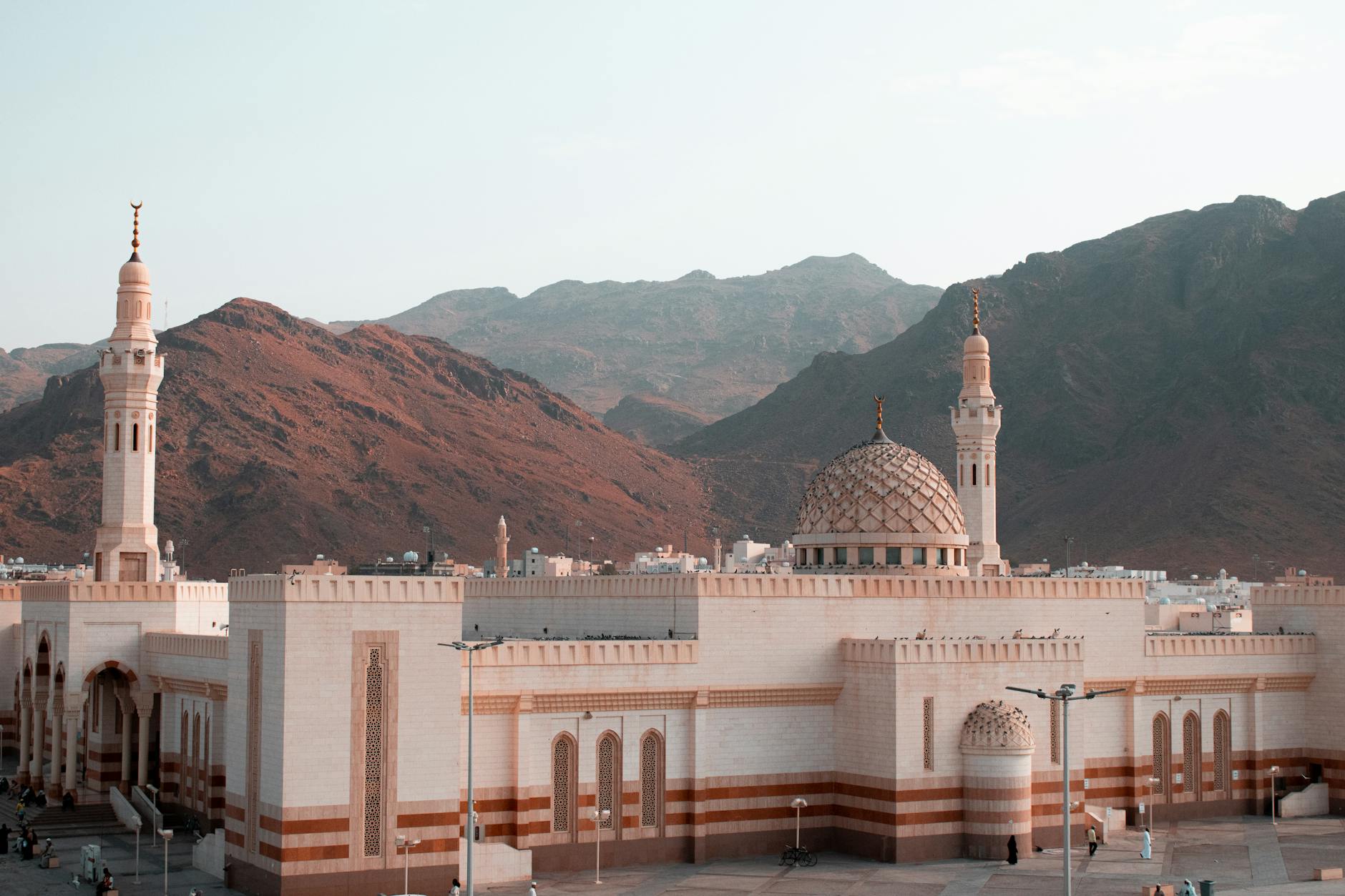
The Asir region in the southwest surprises visitors expecting flat desert. Green mountains, terraced villages, and cooler temperatures — some peaks exceed 3,000 meters — create a landscape unlike anything else in the kingdom.
Which cities should you visit?
Jeddah is Saudi Arabia's port city and its most cosmopolitan face. The historic Al-Balad district, a UNESCO World Heritage Site, threads together coral-built merchant houses, bustling souqs, and the scent of oud drifting from open doorways.
The Jeddah waterfront stretches for kilometers along the Red Sea, anchored by the King Fahd Fountain — the tallest in the world, shooting water 312 meters into the air. The city's food scene and relative social openness make it a natural first stop for many travelers.
Medina holds the Prophet's Mosque (Al-Masjid an-Nabawi), one of the largest mosques on earth, capable of holding over a million worshippers. Access to the city center is restricted to Muslims, but the surrounding region holds fascinating historical sites open to all.
Riyadh rewards those who look past its sprawl. The Diriyah heritage district, birthplace of the Saudi state, now hosts restored mud-brick palaces and cultural festivals drawing visitors from across the region.
Culture, traditions and way of life
Saudi society is built around Islamic values, family loyalty, and the concept of hospitality as a near-sacred duty. Diwaniyya — informal evening gatherings where men discuss everything from politics to poetry — remain a living institution across the country.
Dress codes have relaxed significantly since 2019. Women no longer need to wear the abaya in public, though modest clothing remains appropriate and respectful, particularly near religious sites.
Public behavior still follows clear norms. Physical affection between couples is kept private, and Friday prayers pause daily life in most neighborhoods for an hour or two around midday.
The call to prayer sounds five times daily from mosques across every city and village. Traveler reviews consistently describe this as one of the most atmospheric and memorable aspects of time spent in the kingdom.
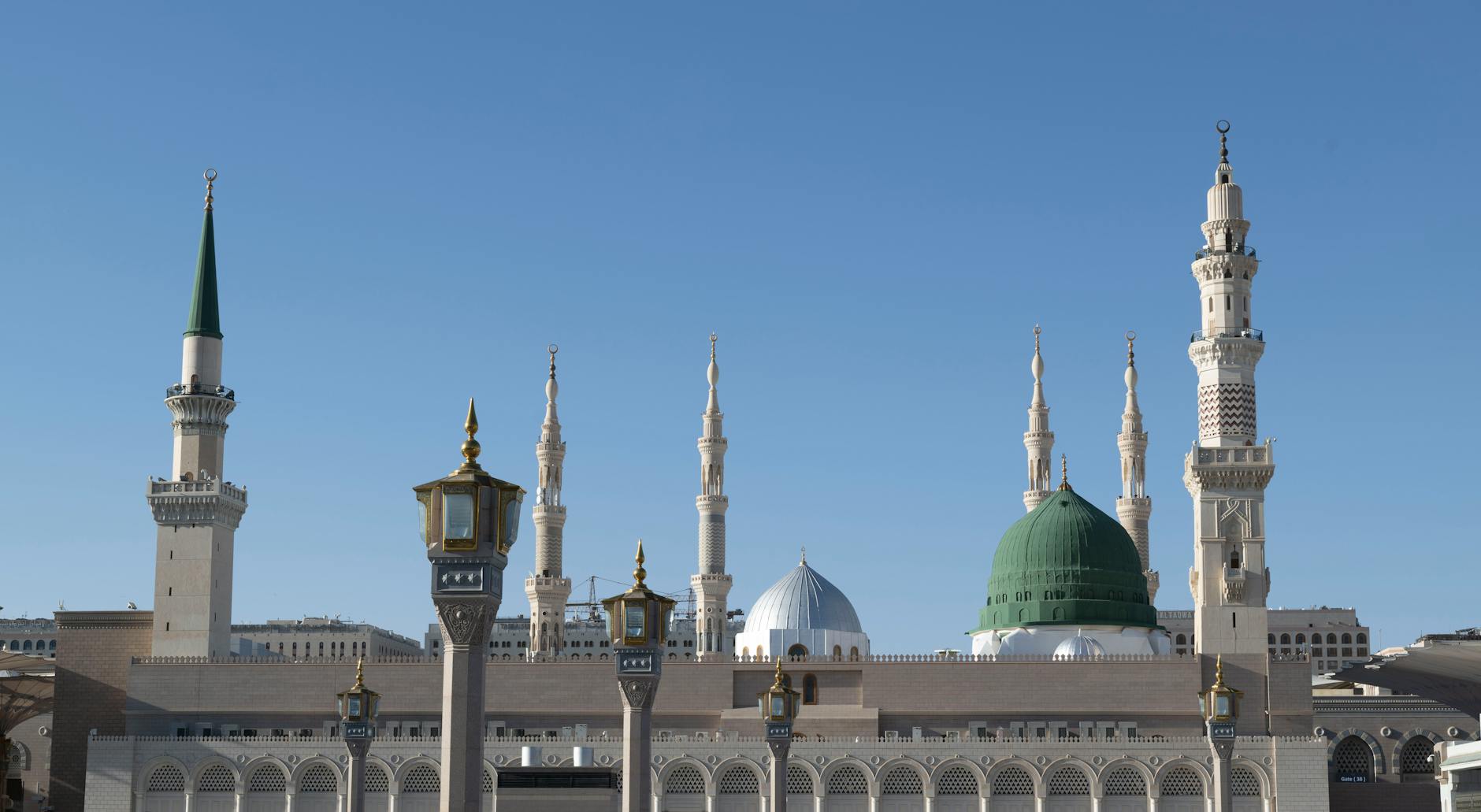
Saudi Arabia has invested heavily in cultural programming. The Diriyah Season, the MDL Beast music festival, and the annual Al-Ula Winter at Tantora bring world-class entertainment to settings that would have been unimaginable a decade ago.
Local guides recommend engaging with Saudi coffee — pale, cardamom-spiced, and poured from a long-spouted dallah — as the single most efficient way to open a conversation and feel genuinely welcomed.
Food: the flavors of Saudi Arabia
Saudi cuisine is deeply regional, shaped by Bedouin traditions, trade routes, and the pilgrimage economy that brought spices and flavors from across the Muslim world for centuries.
Kabsa is the closest thing to a national dish — long-grain rice cooked with meat, dried fruits, and a layered spice blend that varies by family and region. Every Saudi grandmother has a version she considers definitive.
Mandi, slow-cooked in an underground oven, produces meat so tender it falls apart at a touch. In cities like Jeddah, enormous communal trays arrive at the table for groups to share, a practice that feels both ancient and completely natural.
The Red Sea coastline gives Jeddah's food scene a distinct seafood character. Grilled hammour, spiced shrimp, and fish cooked with tamarind reflect the city's centuries-old trading connections with East Africa and South Asia.
Street food is thriving. Shawarma stalls operate well past midnight, ful medames (spiced fava beans) anchor breakfast menus from roadside spots to hotel buffets, and date varieties — over 300 grown in the kingdom — appear at every meal as a matter of course.
Alcohol is prohibited throughout Saudi Arabia. However, the coffee culture is extraordinary, and fresh juice bars, specialty tea houses, and creative mocktail menus have filled the gap with genuine sophistication.
Practical information
Visa and entry requirements
Citizens of 49 countries can obtain a Saudi e-visa online or on arrival, valid for one year with multiple entries and a 90-day maximum stay per visit. The process typically takes minutes and costs around 535 SAR (approximately 140 USD), which includes mandatory health insurance.
Non-Muslim travelers should note that Mecca and the central areas of Medina are restricted to Muslims only. Entry requirements and visa categories can change; checking the official Saudi tourism portal before booking is always advisable.
Budget and cost of living
Saudi Arabia spans a wide price range. Budget travelers can eat well for 30–50 SAR per meal at local restaurants, while mid-range hotels in Jeddah or Riyadh run between 300–600 SAR per night. Luxury properties in Al-Ula can exceed 2,000 SAR nightly.
Petrol is inexpensive by global standards, taxis and ride-hailing apps are affordable, and many archaeological sites currently charge minimal or no entrance fees as the country builds its tourism infrastructure. Overall, Saudi Arabia sits in the mid-range tier for the Gulf region.
Getting around
Saptco buses connect major cities, and the Haramain High-Speed Railway links Jeddah, Mecca, and Medina at speeds up to 300 km/h — a genuinely impressive piece of infrastructure. Riyadh has a new metro system that opened in 2024.
Renting a car gives the most freedom for exploring regions like Al-Ula or Asir. Ride-hailing apps Uber and Careem function reliably in every major city, with fares significantly lower than equivalent Western markets.
When to visit Saudi Arabia?
The best window runs from October through March, when temperatures across most of the country drop to comfortable levels. Riyadh averages around 20°C in January, while the Asir mountains can dip close to freezing on winter nights.
Summer (June through August) brings extreme heat to the interior, with Riyadh regularly exceeding 45°C. Coastal cities like Jeddah stay marginally cooler but add high humidity that makes outdoor exploration genuinely uncomfortable.
Ramadan creates a unique travel experience — the kingdom transforms at night, with families flooding public spaces, markets staying open until dawn, and an atmosphere of collective celebration that travelers note as unlike anything else in the Muslim world.
The Al-Ula Winter at Tantora festival runs from December to March, filling the ancient valley with concerts, hot-air balloons, and cultural events against a backdrop of Nabataean tombs. Visitor reviews consistently rank this as one of the country's peak experiences.
Spring (March–April) brings wildflowers to the Asir highlands and manageable temperatures across the country — arguably the most rewarding time to explore Saudi Arabia's extraordinary range of landscapes without planning around extreme weather.
Frequently Asked Questions about Saudi Arabia
Best destinations in Saudi Arabia
Jeddah
Jeddah, Saudi Arabia's gateway to the Red Sea, pairs UNESCO-listed coral houses in Al-Balad with the world's tallest fountain and a…
ExploreMedina
In Medina, Saudi Arabia, lantern-lit courtyards lead to the Prophet's Mosque (Al-Masjid an-Nabawi) and the Prophet Mohammed's Tomb, where…
ExploreSimilar Destinations
Explore more destinations in the same region of the world.
Dubai
Dubai, in the United Arab Emirates, rises from the desert with record-breaking landmarks: the Burj Khalifa at…
DiscoverIstanbul
Istanbul, Turkey's legendary crossroads of Europe and Asia, draws travelers to iconic landmarks like Hagia…
DiscoverBangkok
Bangkok, Thailand pulls travelers between gilded temples and buzzing canal markets — from the grandeur of the…
Discover