Lisbon

Everything about Lisbon
What if one of Europe's oldest capitals also happened to be one of its most affordable? Visiting Lisbon means stepping into a city where centuries-old tram lines still run alongside trendy wine bars and seafood restaurants.
The light here is unlike anywhere else on the continent. Locals call it luz de Lisboa, a golden, hazy glow that settles over the seven hills every afternoon and turns the river Tagus into something molten.
This guide covers everything worth knowing before you go, from the best neighborhoods to navigate on foot to the dishes you absolutely cannot leave without trying.
Why visit Lisbon?
What makes Lisbon unique
Lisbon wears its history openly. The tiled facades of Lisbon, known as azulejos, plaster almost every surface in the city, turning ordinary streets into open-air galleries.
The city sits where the Tagus meets the Atlantic, giving it a maritime soul that shapes everything from its architecture to its food. It is compact enough to explore on foot, yet layered enough to surprise you for days.
Lisbon at a glance
Lisbon is the capital of Portugal and home to roughly 550,000 people within the city limits, with the wider metropolitan area reaching nearly three million. It sits on the Atlantic coast of the Iberian Peninsula.
The seven hills of Lisbon define the urban layout. Each one carries its own character, its own viewpoints called miradouros, and its own rhythm. The historic districts cluster mostly to the east, while Belém stretches out along the riverfront to the west.
What to see and do in Lisbon?
Belém Tower
The Belém Tower stands at the edge of the Tagus River, about six kilometers west of central Lisbon. Built between 1516 and 1521, it served as both a fortress and a ceremonial gateway for ships returning from the Age of Discovery.
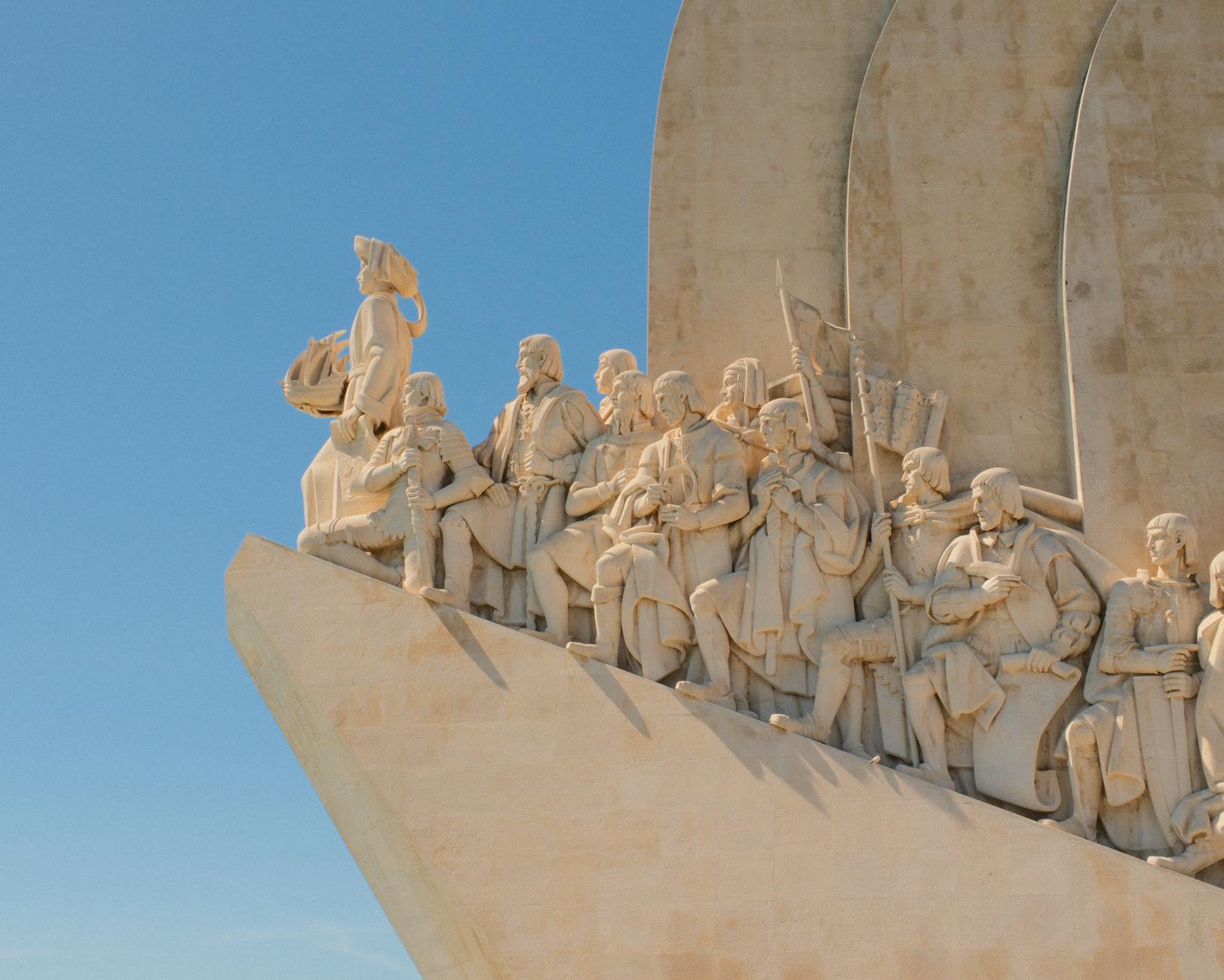
Its architecture blends Manueline Gothic detail with Moorish influences, visible in the rope-carved stonework and the rhinoceros carved beneath one of its turrets. That rhinoceros is believed to be one of the first realistic depictions of the animal in European art.
Visitor reviews confirm that arriving early in the morning keeps the crowds manageable. The interior is modest, but the views from the top across the river justify the climb entirely.
Alfama District
The Alfama district is the oldest surviving neighborhood in Lisbon, a dense tangle of narrow lanes that escaped the 1755 earthquake largely intact. It climbs steeply up toward the São Jorge Castle and rewards walkers who resist using a map.
This is where fado was born. The mournful, beautiful music still echoes from small restaurants and dedicated houses called casas de fado most evenings. Local guides recommend booking a table at a fado house in advance, especially between June and September.
The Miradouro das Portas do Sol gives one of the best elevated views over the terracotta rooftops down to the Tagus. The streets below hide small ceramic shops, old bakeries, and corners that feel entirely unchanged for decades.
Jerónimos Monastery
Also located in Belém, the Jerónimos Monastery is arguably the finest example of Manueline architecture anywhere in Portugal. Construction began in 1501, commissioned by King Manuel I to celebrate Vasco da Gama's successful voyage to India.
UNESCO designated it a World Heritage Site in 1983. The cloisters are extraordinary: two stories of intricately carved stone, with maritime motifs, armillary spheres, and coral-like columns that blur the line between structure and sculpture.
The church inside holds the tombs of both Vasco da Gama and the poet Luís de Camões. Travelers note that the monastery pairs naturally with a visit to Belém Tower on the same half-day trip.
Commerce Square
The Commerce Square, known locally as Praça do Comércio, opens directly onto the Tagus waterfront at the heart of Lisbon's downtown. It is vast, arcaded on three sides, and painted a distinctive yellow ochre that photographs well at almost any hour.
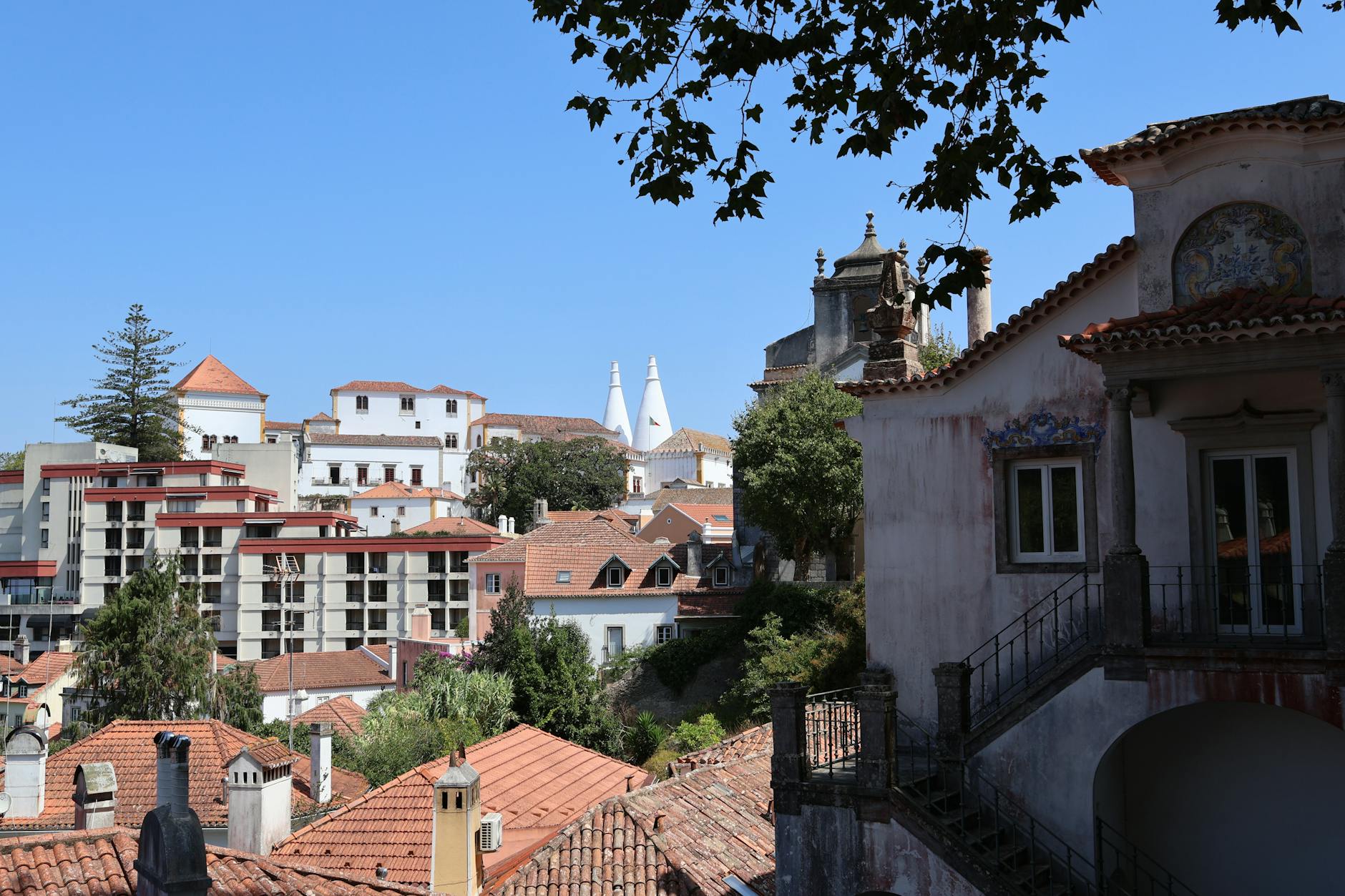
The square was rebuilt after the 1755 earthquake as part of the Marquis of Pombal's ambitious reconstruction plan for the city. The bronze equestrian statue of King José I at its center dates to 1775 and still dominates the space.
Ferries depart from the adjacent pier to Cacilhas across the river. The arcades house wine bars, restaurants, and the Lisbon Story Centre, a museum that traces the city's history including the earthquake itself.
Food and local cuisine in Lisbon
Lisbon's food scene is grounded in simplicity and quality ingredients. The pastéis de nata deserve their fame: custard tarts with a slightly charred top, best eaten warm from the oven at the original Pastéis de Belém bakery.
Bacalhau, salted cod, is the national obsession. Portuguese culinary tradition claims there are over 365 ways to prepare it, one for every day of the year. The bacalhau à brás, shredded cod with eggs and thin fried potato, is a reliable introduction.
Grilled fish dominates menus throughout the city. Sardines grilled over charcoal are everywhere in summer, particularly during the Festas de Lisboa in June. They are eaten on bread, bones and all, at wooden tables on the street.
Local wine is inexpensive and often exceptional. A glass of Vinho Verde pairs well with seafood. Ginjinha, a sour cherry liqueur, is sold for around one euro a shot at tiny street kiosks and is a Lisbon ritual worth joining.
Markets such as the Mercado da Ribeira in Cais do Sodré concentrate dozens of food vendors under one roof. It is a practical and lively spot for lunch without committing to a full sit-down restaurant.
Getting to Lisbon and getting around
Getting there
Lisbon Humberto Delgado Airport sits just seven kilometers from the city center and connects to over 100 international destinations. Low-cost carriers including Ryanair and easyJet serve it from most major European cities, keeping flight prices competitive.
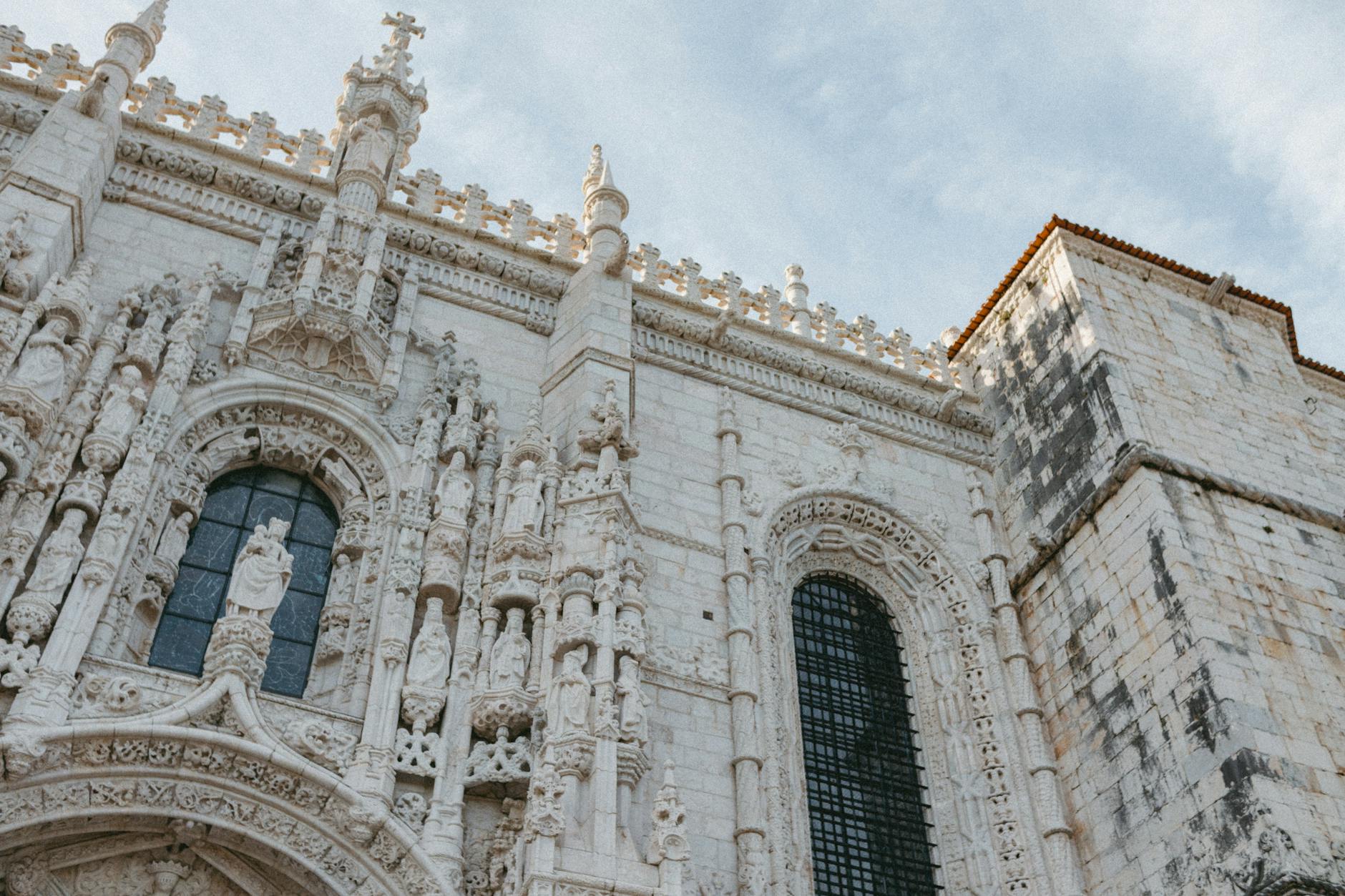
From the airport, the Metro's Red Line reaches downtown Alameda station in around 25 minutes for under two euros. Taxis and rideshare apps are readily available for those arriving with heavy luggage. Train connections from Spain via the Alfa Pendular service link Lisbon to Porto and Madrid.
Getting around
Lisbon's public transport network covers the city well. The Viva Viagem card loads credit for Metro, bus, tram, and ferry use and is the most practical option for visitors staying more than a day or two.
Tram 28E is famous and scenic, threading through Alfama and Graça, but it runs crowded during peak hours. Local guides recommend using it early morning or late evening. For the hills, the historic funiculars called ascensores provide a gentler alternative to steep walking.
Budget and practical tips
How much to budget for Lisbon
Lisbon remains one of Western Europe's more affordable capitals. A reasonable daily budget for a mid-range traveler runs between 80 and 120 euros, covering accommodation in a guesthouse, meals at local restaurants, and public transport.
A three-course lunch at a local tasca, the traditional neighborhood restaurant, typically costs between 10 and 15 euros including wine. Evening dining runs slightly higher but rarely approaches the prices found in Paris or Amsterdam.
Key paid attractions include Jerónimos Monastery at 10 euros and Belém Tower at 6 euros. The Lisboa Card gives unlimited public transport and free or discounted entry to over 80 attractions, worthwhile for visitors planning to cover significant ground.
Best time to visit: March to May and September to October
The spring months of March through May bring mild temperatures between 15 and 22 degrees Celsius, manageable tourist numbers, and the city's famous jacaranda trees in full bloom across the main avenues.
September and October deliver warm days after the peak summer crowds thin out. Accommodation prices drop noticeably from their July and August highs. Visitor reviews confirm that October in particular strikes the best balance between good weather, lower costs, and relaxed access to major sights.
Frequently Asked Questions about Lisbon
Similar Destinations
Porto
Porto, Portugal's northern gem, pulls travelers in with the medieval lanes of the Ribeira, centuries-old Port…
DiscoverBarcelona
Barcelona, Spain's most visually daring city, pulls travelers between Gaudí's gravity-defying Sagrada…
DiscoverSeville
Seville, Spain's Andalusian capital, dazzles with the gilded halls of the Alcázar of Seville, the soaring…
Discover