Explore Portugal
3 destinations to discover
Everything about Portugal
Traveling to Portugal means stepping into a country where Atlantic winds meet centuries of maritime history, where blue-and-white azulejo tiles line ancient walls, and where the light has a quality painters have chased for generations.
This westernmost edge of continental Europe packs extraordinary variety into a compact space — rugged northern mountains, sun-baked southern plains, and a coastline stretching over 1,700 kilometers.
Few countries in Europe reward slow travel more generously. Portugal is affordable, deeply welcoming, and genuinely distinct from its neighbors.
Why travel to Portugal?
What sets Portugal apart from other destinations
Portugal carries a melancholy beauty that locals call saudade — a longing for things past, woven into the music, the architecture, and the food.
Unlike Spain or France, it rarely feels overcrowded outside peak summer weeks. The Atlantic coastline remains dramatic and largely unspoiled, even close to major cities.
Lisbon and Porto have both earned global recognition, yet smaller towns like Évora or Sintra still feel authentically lived-in. Visitor reviews consistently highlight the ease of connecting with local culture here.
Portugal at a glance
Portugal covers roughly 92,000 square kilometers, home to approximately 10.3 million people. The country includes mainland Portugal plus the autonomous regions of the Azores and Madeira.
The official language is Portuguese, and the currency is the euro. English is widely spoken in tourist areas, making navigation genuinely easy for international visitors.
Portugal joined the European Union in 1986 and uses the Schengen Agreement framework. The capital, Lisbon, sits on the Tagus estuary and serves as the main international gateway.
Regions and cities to explore
The main regions of Portugal
The Minho region in the far north is green, rainy, and ancient — Celtic hill forts dot the landscape alongside vineyards producing Vinho Verde.
The Douro Valley cuts dramatically through schist mountains, its terraced slopes producing some of the world's most celebrated port wine. UNESCO recognized this landscape in 2001.
The Alentejo stretches across the center-south: cork oak plains, whitewashed villages, and slow afternoons that feel a world apart from coastal buzz.
The Algarve dominates southern Portugal with golden limestone cliffs, warm water, and around 300 days of sunshine per year. It draws millions of visitors annually.
The islands of Madeira and the Azores belong to Portugal but operate as separate autonomous regions — volcanic, biodiverse, and dramatically different from the mainland experience.
Which cities should you visit?
Lisbon remains the country's beating heart — seven hilly neighborhoods, extraordinary museums, and a nightlife scene that genuinely starts after midnight.
Braga, in the northwest, is Portugal's religious capital. The Bom Jesus do Monte sanctuary draws pilgrims and curious travelers alike, its baroque staircase climbing through dense forest.
Guimarães sits just 22 kilometers from Braga and is widely regarded as Portugal's birthplace. Its medieval center earned UNESCO World Heritage status in 2001.
Coimbra houses one of Europe's oldest universities, founded in 1290. The city pulses with student energy and produces its own distinct style of fado music, rawer than Lisbon's version.
Cascais, 30 kilometers west of Lisbon, balances a working fishing harbor with polished restaurants and world-class Atlantic surf breaks nearby.
Faro serves as the Algarve's capital and gateway — often dismissed as a transit hub, but its old walled town and the Ria Formosa natural park deserve at least a full day.
Culture, traditions and way of life
Portuguese culture moves at a deliberate pace. Meals last hours, conversations linger, and Sunday lunches are near-sacred family events.
Fado music sits at the core of national identity — a UNESCO Intangible Cultural Heritage since 2011, it fills small Lisbon venues with voices that make the walls feel thin.
Religious festivals remain genuinely alive here. The Festas de Santo António in Lisbon each June transform entire neighborhoods into open-air parties with grilled sardines and paper decorations.
Azulejos — hand-painted ceramic tiles — appear everywhere from railway stations to church facades. They are not decoration for tourists; they are a living architectural tradition dating back to the 15th century.
Local guides recommend visiting a tasca — a neighborhood tavern — rather than a tourist-facing restaurant. The contrast in price and authenticity can be remarkable.
Football is practically a religion. Sporting CP, Benfica, and Porto generate fierce rivalries that shape local identity far beyond match days.
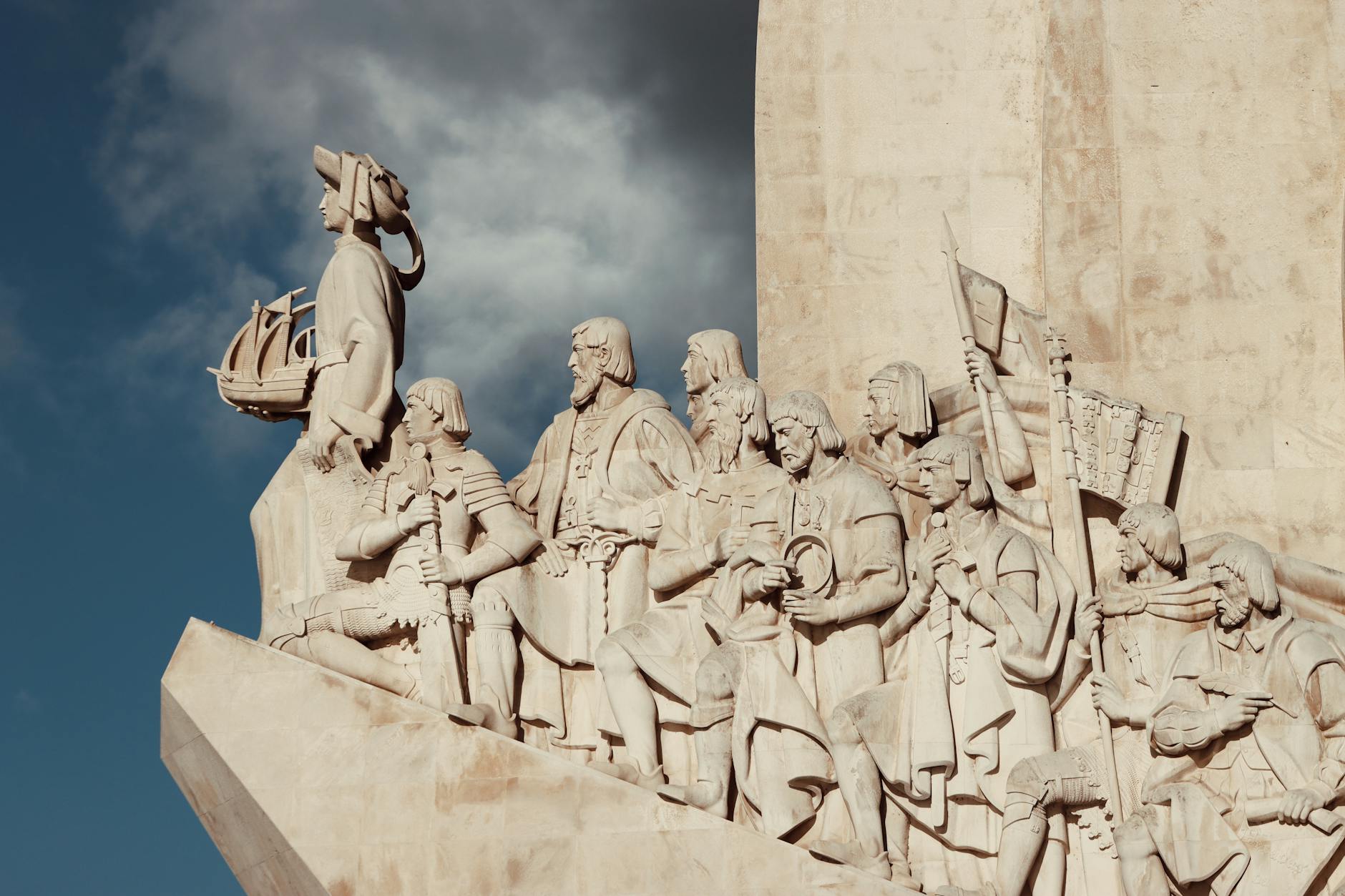
Portugal also carries a legacy of global exploration. The Age of Discovery in the 15th and 16th centuries left a cultural imprint visible in architecture, language spread across continents, and a certain restless curiosity still felt today.
Food: the flavors of Portugal
Portuguese cooking is honest, generous, and deeply rooted in land and sea. There are no pretensions — just excellent ingredients, simply treated.
Bacalhau — salt cod — is the national obsession. Locals claim there are over 365 ways to cook it, one for each day of the year, and the count may not be exaggerated.
Pastéis de nata, the custard tarts from Belém, are arguably Portugal's most famous export. The original recipe from the Pastéis de Belém bakery in Lisbon has been kept secret since 1837.
In the Alentejo, pork dominates — slow-braised black pork from acorn-fed pigs, earthy açorda bread soups, and robust red wines from the Alentejo DOC region.
Seafood along the coast runs from grilled sea bass and percebes (barnacles) to perfectly simple grilled sardines eaten straight off the grill at a harbourside table.
Vinho Verde from the north — light, slightly effervescent, low in alcohol — pairs almost perfectly with seafood. A decent bottle costs around €6–10 in a supermarket.
Coffee culture is serious and inexpensive. A bica (espresso) costs around €0.80–€1.20 in most local cafés, and the quality consistently impresses travelers arriving from more expensive coffee markets.
Practical information
Visa and entry requirements
Portugal is a full Schengen Area member. Citizens of EU and EEA countries enter freely with a national ID card or passport — no visa required.
US, Canadian, Australian, and UK travelers can stay up to 90 days within any 180-day period without a visa under Schengen rules.
Travelers from other countries should check requirements with the nearest Portuguese consulate well before departure. The ETIAS travel authorization system, expected to launch for non-EU visitors, may apply by 2025–2026.
Budget and cost of living
Portugal remains one of Western Europe's most affordable destinations. A sit-down lunch menu (prato do dia) in a local restaurant typically costs €8–€12, including a drink and dessert.
Mid-range hotel rooms average €80–€130 per night in Lisbon and Porto, considerably less in smaller cities. Budget accommodations in Faro or Coimbra can drop to €30–€50 per night.
Daily travel budgets of €60–€80 are realistic for independent travelers combining local restaurants, public transport, and mid-range accommodation outside peak summer season.
Getting around
The national rail network (CP) connects major cities reliably and affordably — a Lisbon-to-Porto ticket runs around €25–€40 depending on train type and booking time.
Intercity buses, operated mainly by Rede Expressos, reach destinations trains don't. Renting a car becomes genuinely worthwhile in the Alentejo or Algarve, where rural villages sit far from any rail line.
Urban transport in Lisbon and Porto uses integrated metro, tram, and bus networks. A 24-hour Lisbon transport card costs around €6.60 and covers most zones a visitor needs.
When to visit Portugal?
Portugal's climate varies significantly by region, which shapes the ideal travel window depending on what visitors are chasing.
Spring (March to May) is widely regarded as the finest time to visit — mild temperatures between 16–22°C, wildflowers across the Alentejo, and crowds still manageable.
Summer brings intense heat inland, especially in the Alentejo where temperatures regularly exceed 40°C in July and August. The Algarve coast stays more bearable, cooled by sea breezes.
July and August represent peak tourist season. Prices rise significantly, beaches fill, and popular sites in Lisbon and Porto become noticeably crowded.
Autumn (September to November) brings warm seas, lower prices, and a golden light that photographers and slow travelers tend to favor. Surfers flock to the Atlantic coast through November.
Winter is mild by northern European standards — Lisbon rarely drops below 8°C — and the cities empty enough to feel genuinely local again. The Christmas markets in Braga and Guimarães draw visitors from across the country.
Local guides recommend shoulder seasons — April, May, September, or October — as the practical sweet spot between good weather and a more relaxed experience on the ground.
Frequently Asked Questions about Portugal
Best destinations in Portugal
Funchal
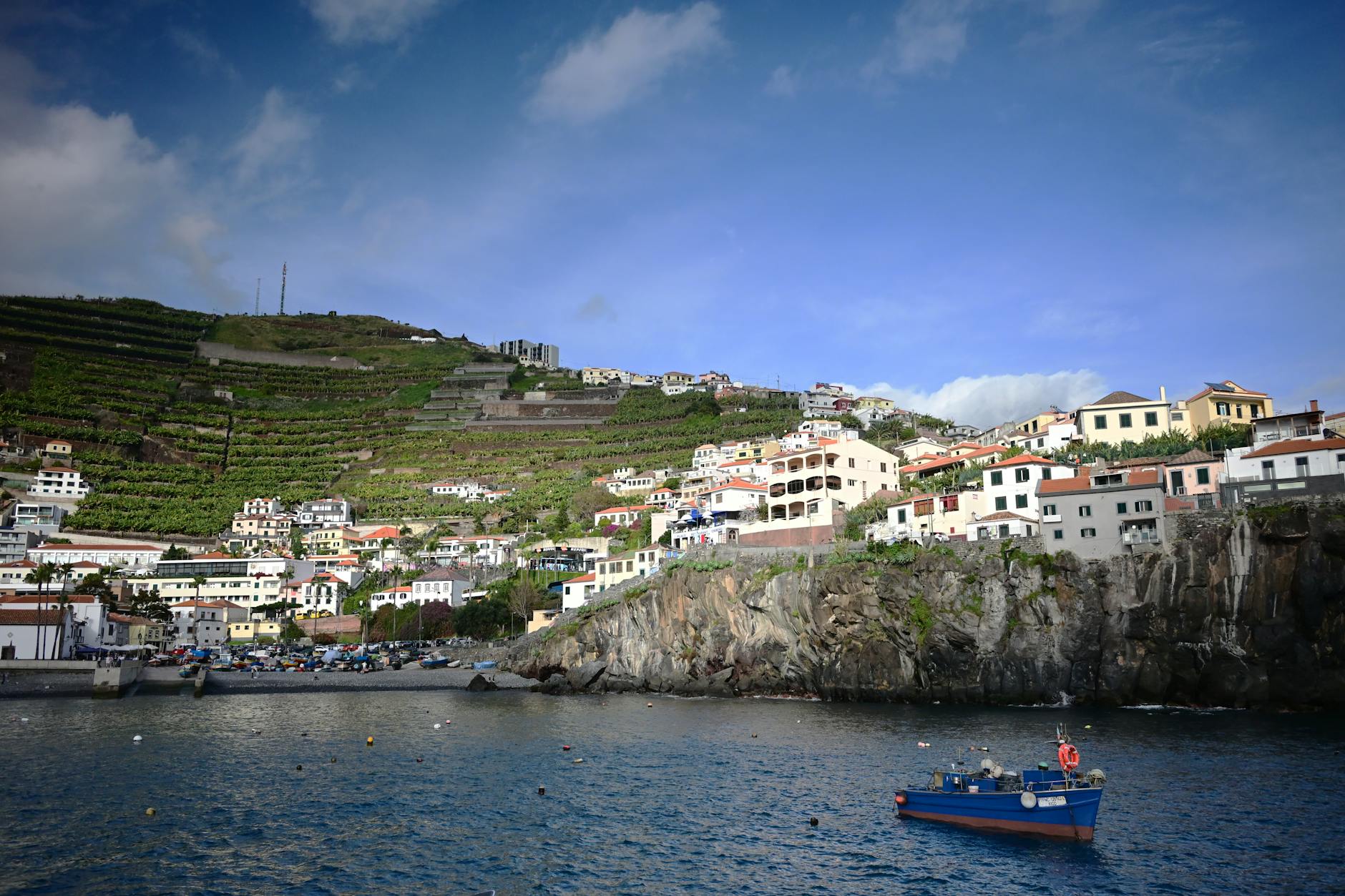
In Funchal, Portugal (Madère), the colourful Lavradores Market bursts with orchids, tropical fruit and fresh fish, then a Monte Toboggan…
ExploreLisbon
In Lisbon, Portugal, trams rattle past tiled facades to Belém Tower, then on to Jerónimos Monastery’s carved stonework. Get lost in the…
ExplorePorto
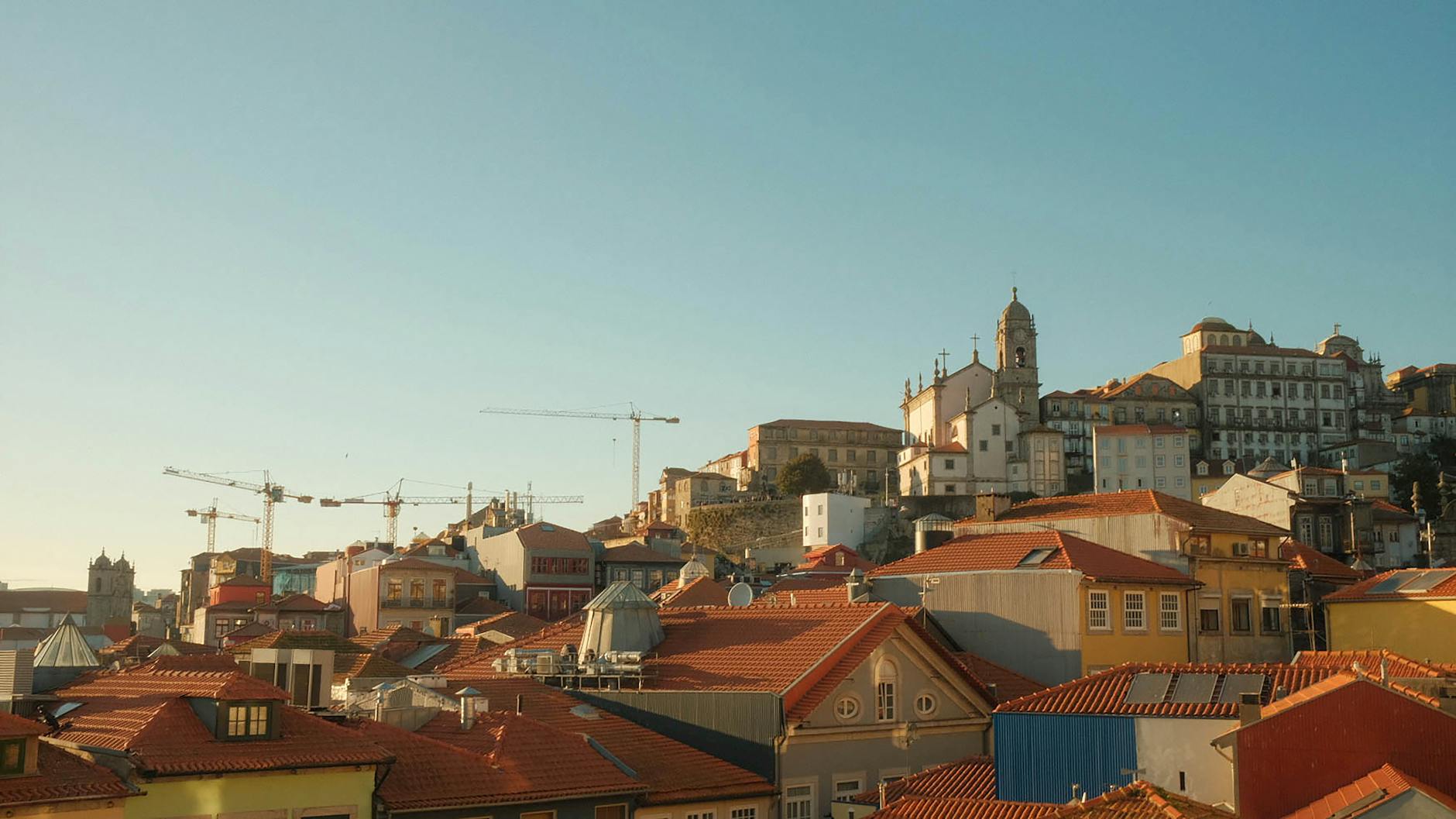
Porto, Portugal's northern gem, pulls travelers in with the medieval lanes of the Ribeira, centuries-old Port wine cellars across the river…
Explore