Funchal

Everything about Funchal
What if the Atlantic had its own garden city, perched on volcanic cliffs above a harbour that never quite loses the smell of salt and flowers? Visiting Funchal means stepping into a place that feels both European and deeply tropical.
Madeira's capital sits at roughly 28°N latitude, close enough to the Canary Islands to share their near-perfect climate. Locals call it the city of eternal spring, and the phrase is not marketing spin.
Funchal surprises visitors who expect a sleepy island town. It has a genuine culinary scene, historic wine lodges, wild mountain walks, and one of the most photogenic market halls in all of Portugal.
Why visit Funchal?
What makes Funchal unique
Funchal is the only European city where you can ride a wicker toboggan down a cobbled street, taste wine aged in century-old lodges, and walk a hand-built irrigation channel through laurisilva forest, all within the same afternoon.
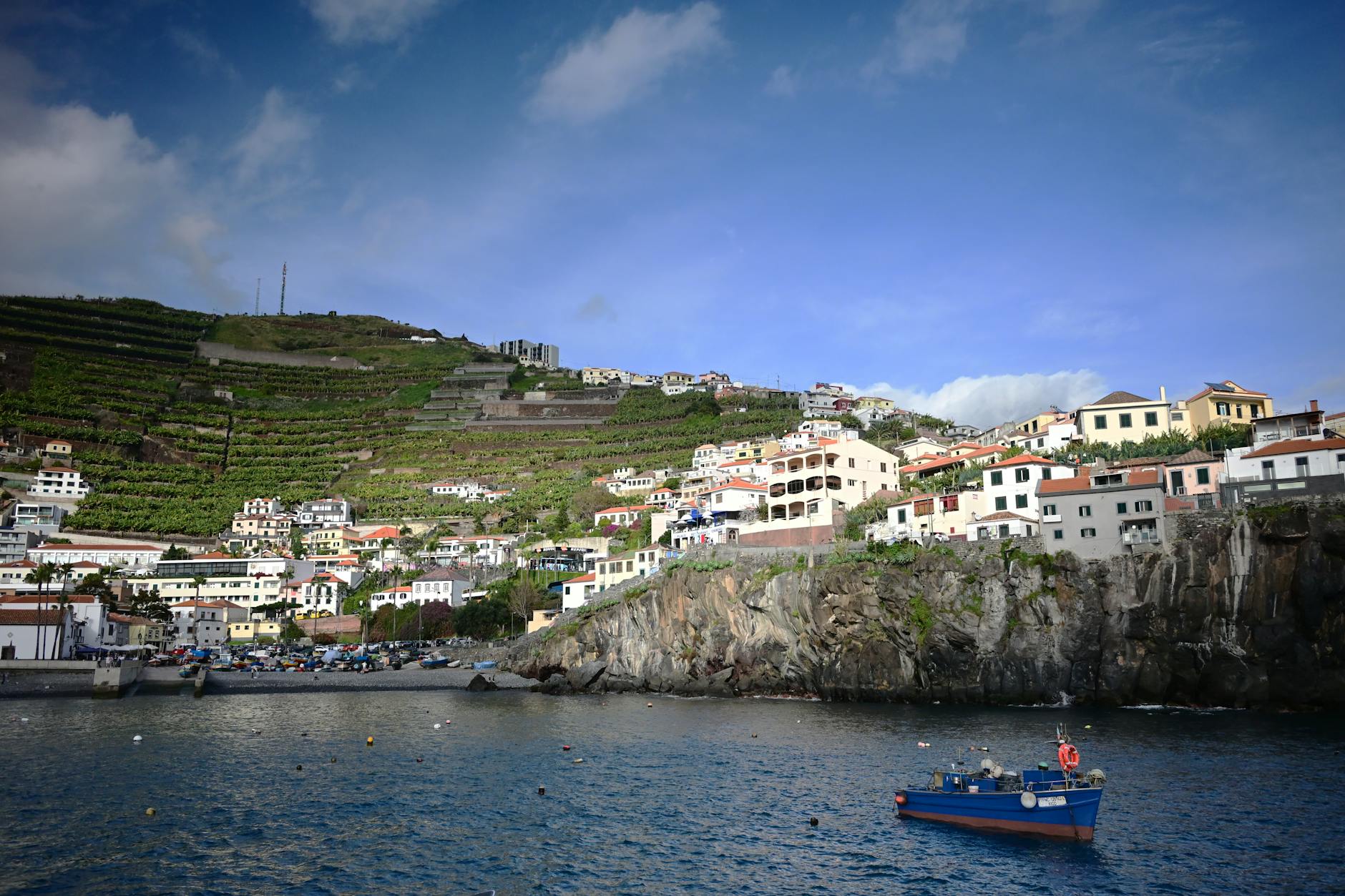
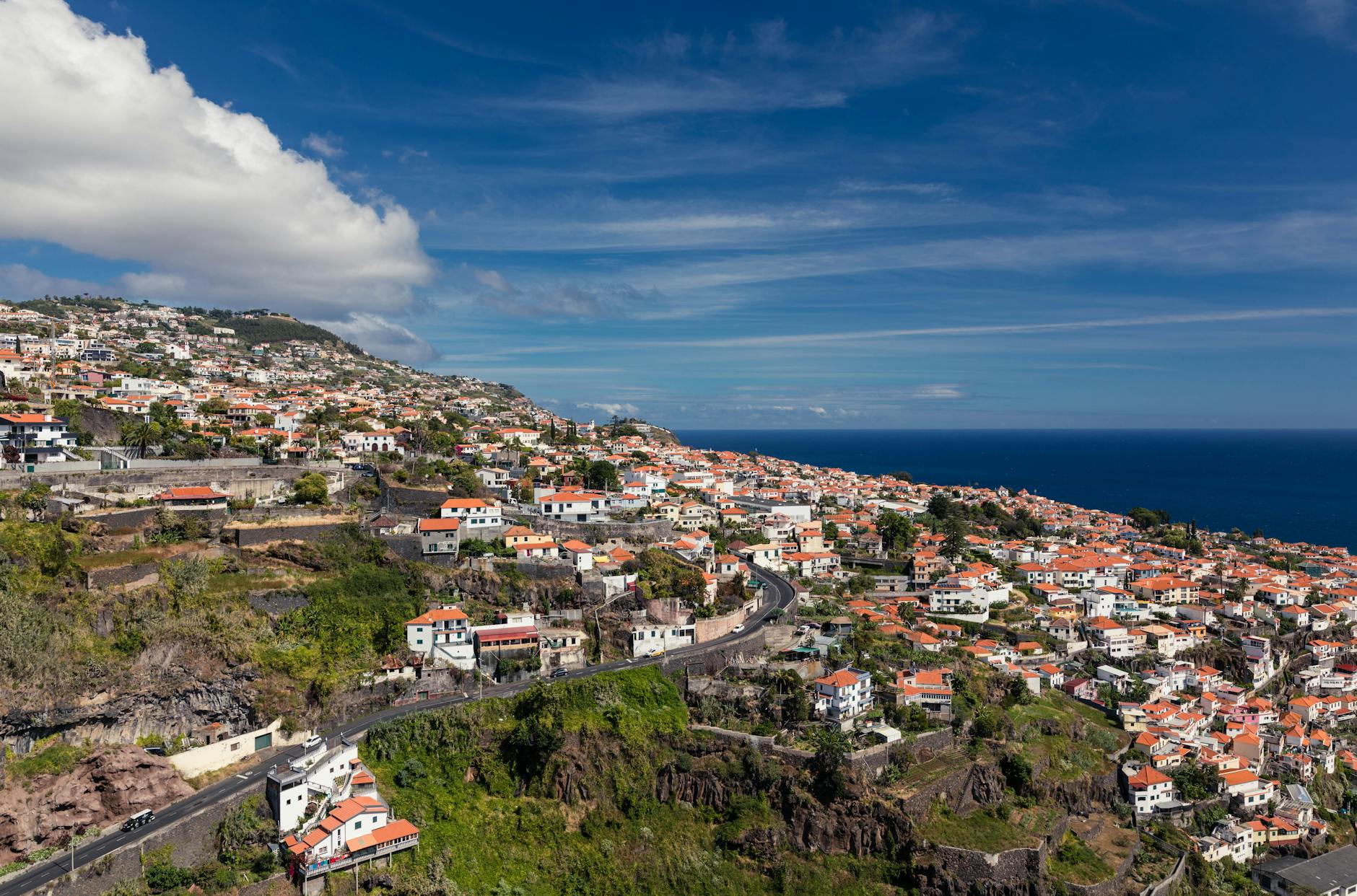
The city sits inside a natural amphitheatre of green hills. That geography keeps cold winds off and funnels warm air down toward the bay, creating microclimates that allow jacaranda, bougainvillea, and bird-of-paradise flowers to bloom almost constantly.
Funchal at a glance
The city has a permanent population of around 110,000 residents, making it comfortably walkable yet genuinely urban. The historic centre, known as the Zona Velha, clusters around fishermen's houses painted with vivid street art.
Funchal airport (FNC) connects directly to dozens of European cities. The harbour handles both cruise ships and inter-island ferries. Budget tier sits at €€€ (Premium), reflecting quality accommodation and restaurant standards above the European average for island destinations.
What to see and do in Funchal?
Lavradores Market (colourful)
The Mercado dos Lavradores is the beating heart of daily Funchal life. Built in 1940 in a beautiful Art Deco style, it occupies an entire city block in the centre of town.
Inside, flower sellers in traditional Madeiran dress line the entrance hall. Their stalls carry strelitzias, anthuriums, and orchids in colours that look almost artificially vivid against the azulejo-tiled walls.
The fish hall downstairs deserves its own visit. Black scabbardfish (espada), a deep-water species unique to Madeiran waters, lies in rows alongside atum (tuna) caught locally that morning.
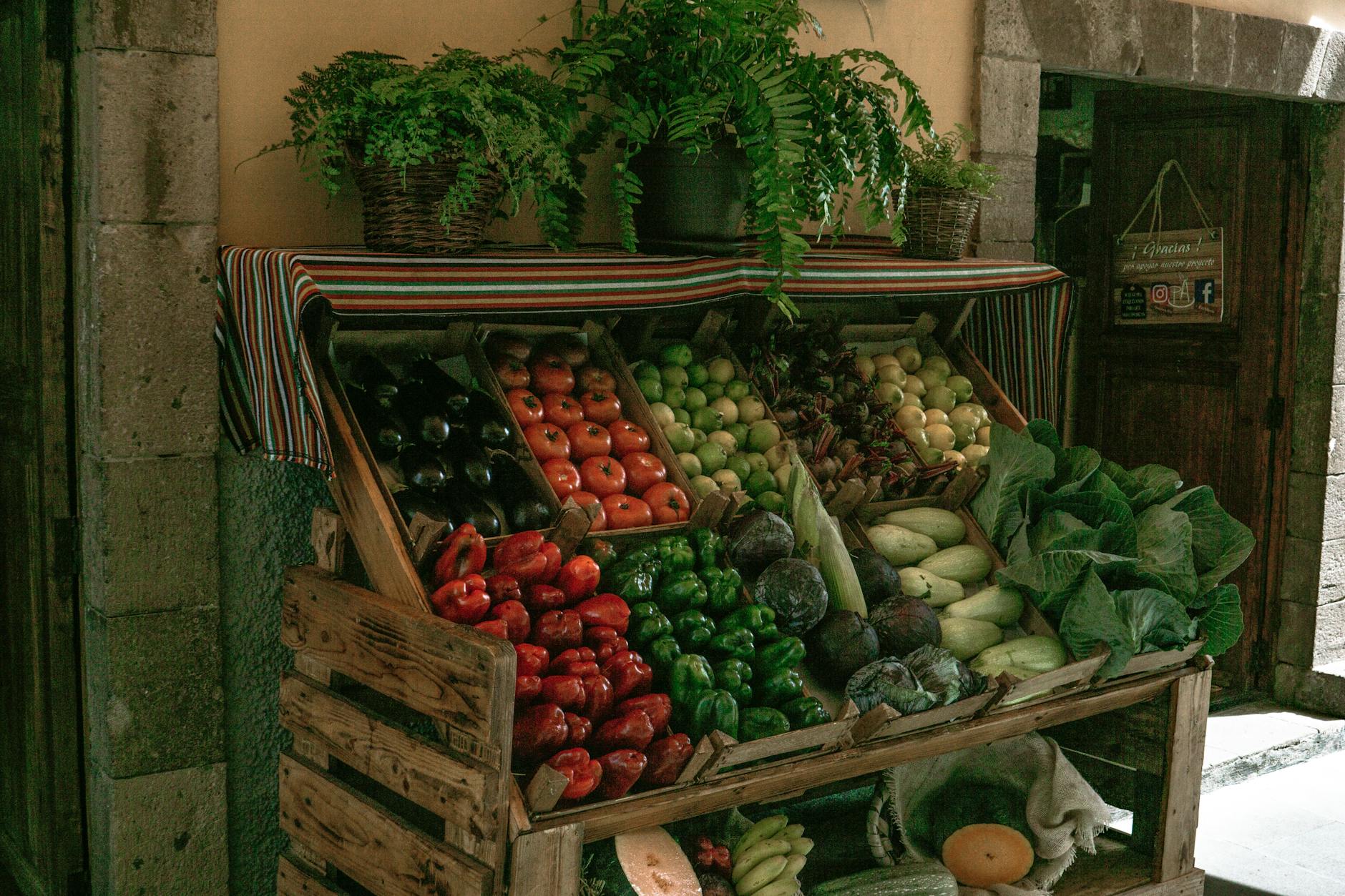
Local guides recommend arriving before 9 a.m. on a Saturday for the fullest experience. Vendors are friendlier and the produce is freshest before the cruise ship crowds arrive around mid-morning.
Monte Toboggan (wicker sledge)
The Monte toboggan run is Funchal's most genuinely eccentric attraction. Two men in white linen suits and straw hats push and steer a wicker basket sledge down 2 kilometres of steep cobbled road.
The tradition dates to the 1850s, when residents used sledges as a practical form of transport between Monte village and the city below. Today it is a tourist experience, but an authentic one rooted in real local history.
Speeds reach up to 48 km/h on the steeper sections. The ride takes around 10 minutes and ends in the Livramento district, where drivers can catch a taxi or tuk-tuk back.
Combine the toboggan with a visit to the Monte Palace Tropical Garden nearby. The garden's koi ponds, Buddhist statuary, and hillside terraces make it one of the most arresting green spaces in the whole Atlantic.
Madeira Wine (vintage)
Madeira wine is one of the most durable wines ever made. Bottles from the early 19th century remain drinkable, a fact confirmed by collectors and auction houses worldwide. That longevity comes from the unique estufagem heating process.
The Madeira Wine Lodge (IVBAM) on Rua 5 de Outubro runs guided tastings that walk visitors through the main styles: Sercial (dry), Verdelho (medium), Bual (rich), and Malmsey (sweet and full).
Several independent lodges also welcome visitors. The Blandy's Wine Lodge, operating since 1811, keeps vintage barrels in oak-beamed rooms that smell of caramel, dried fruit, and old wood in equal measure.
A serious tasting session with aged vintages costs between €20 and €50 per person. That price is reasonable given that a single glass of a 20-year Bual in London or Lisbon routinely costs more.
Levada Walks
Madeira's levada network covers over 2,000 kilometres of hand-dug irrigation channels threading through mountain forest. Walking beside them is the island's defining outdoor activity, and some of the best trails begin within 30 minutes of Funchal.
The Levada do Caldeirão Verde in the Queimadas forest is a favourite among experienced walkers. The path cuts through dense laurisilva, a forest type that survived the last ice age and now exists only on Macaronesian islands.
Trail difficulty ranges widely. Some levada walks are flat, paved, and suitable for casual visitors in trainers. Others require head torches for tunnels and good grip on narrow ledges above steep valleys.
Visitor reviews consistently highlight the silence. Away from the road noise of Funchal, the sound of running water and birdsong from endemic species like the Trocaz pigeon fills the whole forest canopy.
Food and local cuisine in Funchal
Madeiran food is honest and abundant. Portions are large, flavours are direct, and most restaurants prioritise ingredients sourced from the island itself.
Espetada is the dish to try first. Large cubes of beef marinated in garlic and bay leaf are skewered on laurel branches and grilled over wood embers. It arrives hanging from a hook at the table.
Black scabbardfish, served with banana and fried cornbread, sounds strange but works brilliantly. The combination is intensely savoury and slightly sweet. Visitor reviews confirm it as a genuinely memorable dish rather than a gimmick.
Bolo do caco is Madeira's flatbread, cooked on a basalt stone and served warm with garlic butter. Street vendors sell it near the harbour. It disappears fast.
For poncha, Madeira's traditional spirit made from aguardente and lemon, head to the Zona Velha bars along Rua de Santa Maria. These are proper neighbourhood bars, not tourist traps, and a poncha costs around €2.
The restaurant scene has improved considerably in recent years. Chefs trained in Lisbon and Porto have returned to the island, bringing modern Portuguese techniques to local ingredients.
Getting to Funchal and getting around
Getting there
Funchal's Cristiano Ronaldo International Airport (FNC) connects directly to Lisbon, Porto, London, Manchester, Frankfurt, Amsterdam, and around 40 other European cities. Flight time from London Heathrow is approximately 3 hours 15 minutes.
TAP Air Portugal operates the most frequent Lisbon connections, with multiple daily flights. Ryanair, easyJet, and Jet2 handle a large share of UK and northern European routes. Booking at least 6 weeks ahead typically gives the best fares on premium-season dates.
Getting around
Funchal's city centre is compact and mostly walkable, though the hills are steep. Tuk-tuks are practical and surprisingly good value for short uphill journeys. Cable cars connect the waterfront to Monte village in around 15 minutes.
Public buses (Horários do Funchal) cover both the city and many rural levada trailheads. For exploring the wider island, renting a small car gives the most freedom. Roads are well-maintained and signage is clear, though mountain routes demand confident driving.
Budget and practical tips
How much to budget for Funchal
Funchal sits firmly in the €€€ premium tier. A mid-range hotel in the centre runs between €120 and €220 per night. Boutique properties and five-star hotels in the Lido strip charge considerably more during peak season.
A sit-down lunch at a good local restaurant costs €15 to €25 per person, including a glass of wine. Dinner at a quality address rises to €35 to €55. Levada guided tours range from €25 to €60 depending on distance and group size.
Daily budget for comfortable travel: roughly €150 to €200 per person, including accommodation, two meals, one activity, and transport.
Best time to visit: Year-round (eternal spring)
Funchal's climate genuinely justifies the "eternal spring" label. Average temperatures stay between 17°C in winter and 26°C in summer. Rain is more frequent from November to February but rarely lasts a full day.
February brings the Funchal Carnival, one of the liveliest outside Rio and Tenerife. May and June see the famous flower festival fill the streets with elaborate petal carpets. Summer is busy and warm. September and October bring warm seas and thinner crowds.
There is genuinely no bad month to visit. The decision depends on personal preference: festivals, quiet walking, or beach weather.
Frequently Asked Questions about Funchal
Similar Destinations
Nice
In Nice, France, the sunlit Promenade des Anglais frames turquoise water and Belle Époque façades, then lanes…
DiscoverHong Kong
Hong Kong, China, rewards visitors with electrifying contrasts: the sweeping skyline seen from Victoria Peak…
DiscoverZurich
Zurich, Switzerland pairs the glittering shores of Lake Zurich with a medieval Altstadt and one of Europe's…
Discover