Sofia

Everything about Sofia
Did you know Sofia sits above Roman streets, mineral springs, and centuries of Orthodox, Ottoman, and socialist history? Visiting Sofia means walking through layers of Europe de l'Est without the rush or prices of larger capitals.
The city feels lived-in rather than polished for postcards. Trams rattle past domes, mountain air drifts from Vitosha, and old churches stand beside wide boulevards built for another era.
This guide focuses on the sights, food, transport, budget, and timing that shape a rewarding stay. Sofia rewards slow looking, especially around its historic core and quieter courtyards.
Why visit Sofia?
Sofia is one of Europe’s oldest capitals, with traces of Thracian, Roman, Byzantine, Ottoman, and Bulgarian history packed into a walkable center. Few cities place a mosque, synagogue, Orthodox cathedral, and Catholic church so close together.
Its setting adds another layer. Vitosha Mountain rises just south of the city, so a morning among frescoes can turn into an afternoon on forest trails or panoramic viewpoints.
What makes Sofia unique
The historic center of Sofia works like an open-air timeline. Roman ruins appear near metro stations, yellow-brick boulevards lead to state buildings, and small churches hide below street level.
Travelers note that Sofia feels relaxed for a capital. Cafés spill onto pavements, parks stay busy into evening, and the city’s best moments often happen between major sights.
Sofia at a glance
Sofia is the capital of Bulgarie and the country’s largest city, with more than 1.2 million residents. It sits at roughly 550 meters above sea level, which gives summers a lighter feel than many Balkan capitals.
The travel budget is $$, meaning moderate by European standards. April to October brings the most pleasant weather, longer daylight, open terraces, and easy day trips toward Vitosha or nearby monasteries.
What to see and do in Sofia?
Alexander Nevsky Cathedral
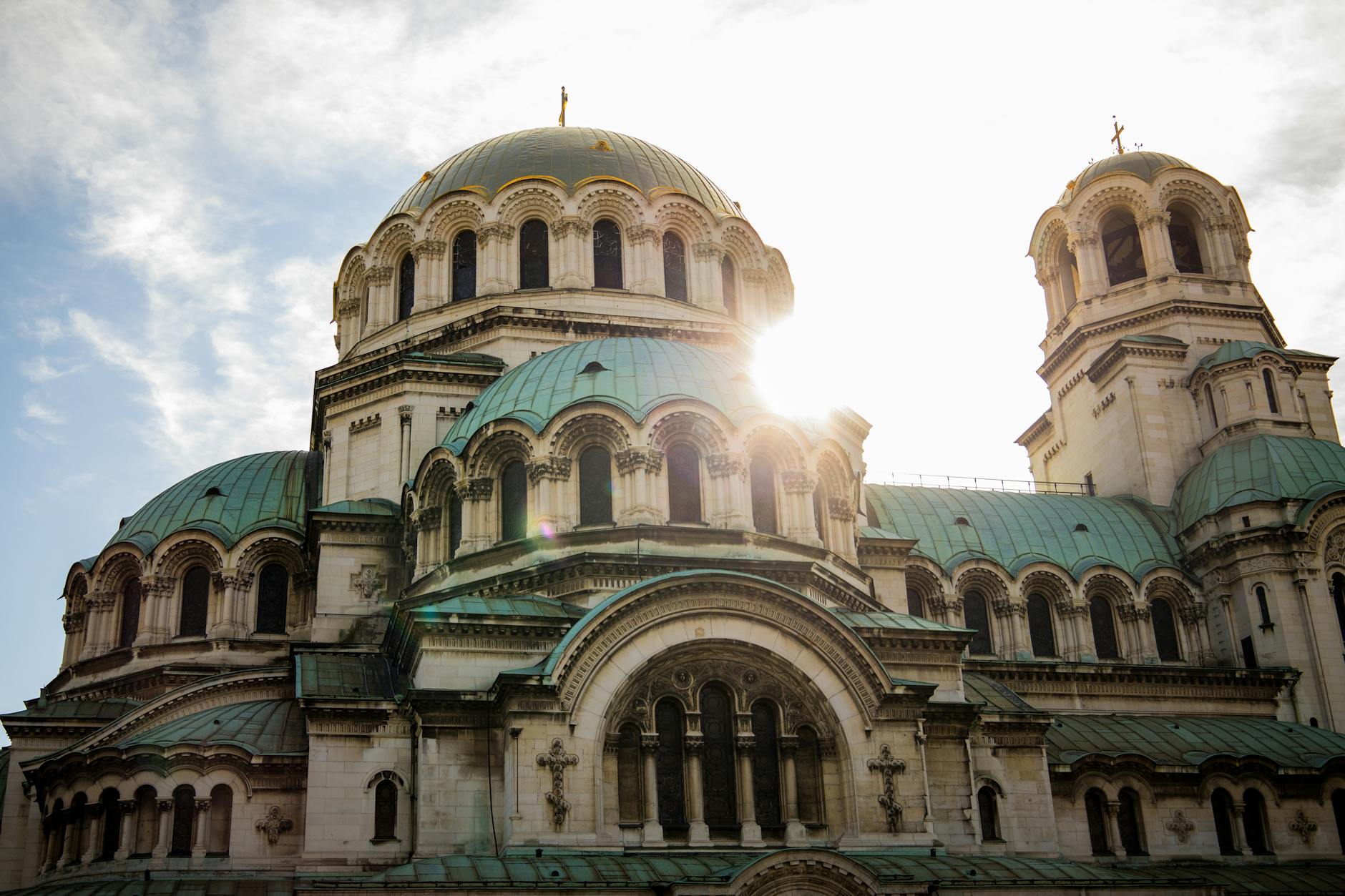
The Alexander Nevsky Cathedral is Sofia’s grand visual anchor, crowned with gold-plated domes that catch the light from blocks away. Built between 1882 and 1912, it commemorates Russian soldiers who died during Bulgaria’s liberation from Ottoman rule.
The scale impresses immediately. The cathedral can hold around 5,000 people, and its interior glows with marble, mosaics, chandeliers, and solemn icons under a vast central dome.
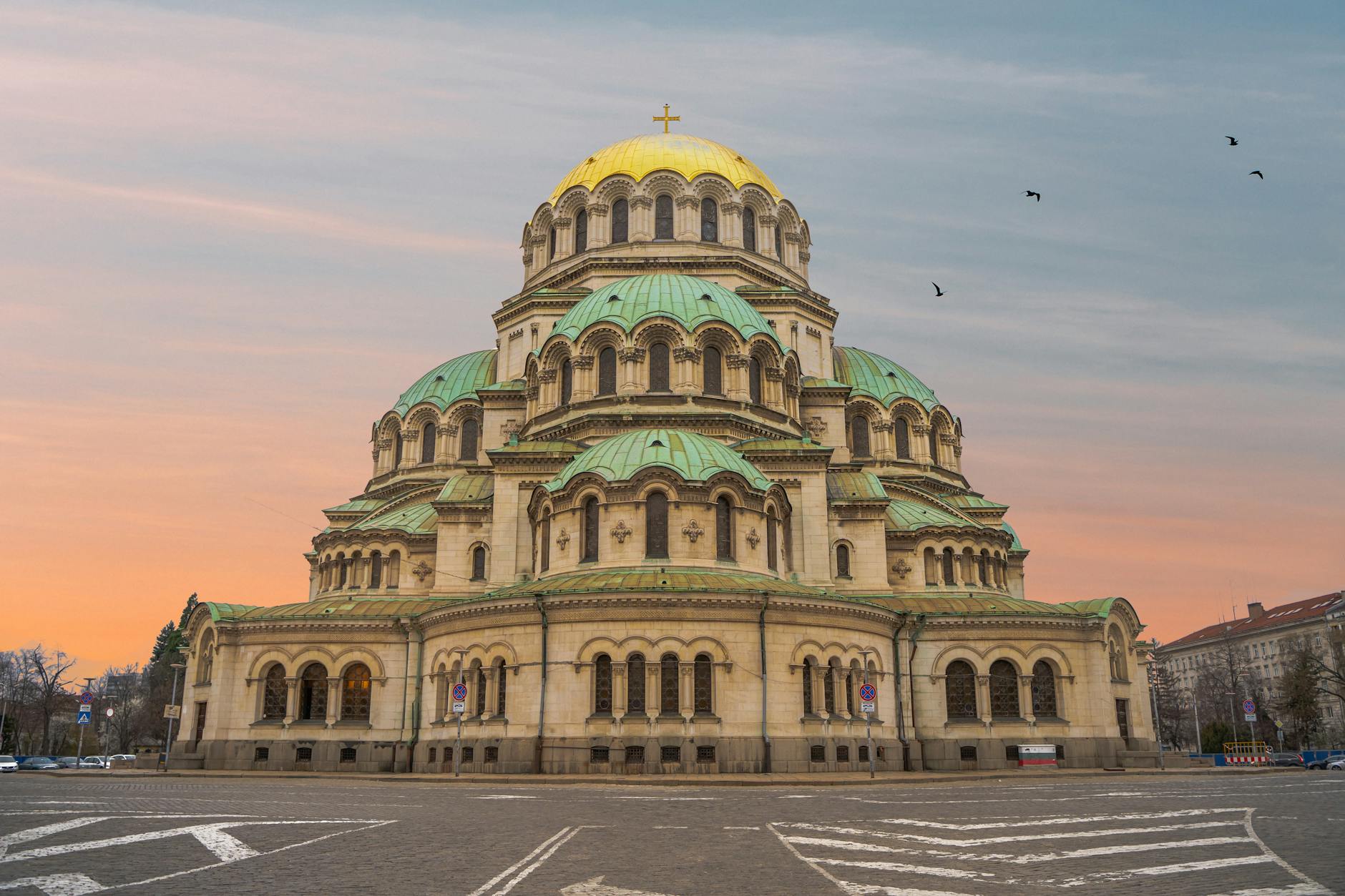
Local guides recommend visiting early in the morning, when the square is calmer and the stone façade looks softer. The nearby crypt houses a respected collection of Bulgarian Orthodox icons.
Saint Sofia Church
The Saint Sofia Church gives the city its name and a quieter kind of power. Its red-brick walls date mainly from the 6th century, making it one of Sofia’s oldest surviving Christian buildings.
Inside, the atmosphere is spare compared with Alexander Nevsky. That simplicity helps visitors notice the building’s age, proportions, and the sense of continuity beneath modern Sofia.
Do not skip the archaeological level below the church. It reveals tombs, mosaics, and remains from earlier structures, showing how sacred and urban life overlapped here for centuries.
National History Museum
The National History Museum sits at the foot of Vitosha in the former residence of Bulgaria’s communist leader Todor Zhivkov. The setting feels unusual, part palace, part political stage.
The collection is huge, with more than 650,000 items linked to Bulgarian history, archaeology, and culture. Highlights include Thracian gold, medieval church objects, weaponry, costumes, and documents from the national revival period.
Allow enough time for the Thracian displays, which are among the strongest reasons to visit. The museum is slightly outside the center, but the mountain backdrop makes the journey worthwhile.
Banya Bashi Mosque
The Banya Bashi Mosque stands near Sofia’s mineral baths and central market area, a reminder of the city’s Ottoman centuries. The architect is widely believed to be Mimar Sinan, the great 16th-century Ottoman master.
Built in 1566, the mosque remains active, so visitors should dress respectfully and avoid prayer times when possible. Its single minaret and elegant dome give the surrounding streets a graceful focal point.
Nearby, warm mineral water still flows from public fountains. Locals fill bottles here, and visitor reviews confirm that this corner gives one of the clearest glimpses of everyday Sofia.
Food & local cuisine in Sofia
Sofia’s food scene is generous, affordable, and rooted in Balkan comfort. Expect grilled meats, fresh salads, flaky pastries, yogurt, white cheese, and seasonal vegetables prepared without too much fuss.
Start with the classic shopska salad, a simple mix of tomatoes, cucumbers, peppers, onions, and grated sirene cheese. It appears everywhere, yet a good version tastes bright, salty, and perfect before heavier dishes.
Banitsa is a breakfast favorite, made with thin pastry, eggs, and cheese. Bakeries sell it warm in the morning, often with ayran, a salty yogurt drink that locals treat as a natural match.
For something hearty, look for kebapche, kyufte, kavarma, or slow-cooked bean soup. Many traditional taverns, known as mehanas, pair rustic interiors with folk music and plates meant for sharing.
Sofia also has a lively modern dining scene. Around Shishman Street, Oborishte, and the central boulevards, travelers find wine bars, specialty coffee shops, vegetarian kitchens, and bakeries with French or Balkan influences.
Bulgarian wine deserves attention, especially reds made from Mavrud or Melnik grapes. Local rakia is stronger and often served before food, so order slowly and match it with salad or small plates.
Getting to Sofia and getting around
Getting there
Sofia Airport is the main international gateway, with direct flights from many European cities. The airport sits east of the center and connects to town by metro, taxi, airport bus, and private transfer.
The metro is usually the simplest choice for central hotels. It is inexpensive, reliable, and avoids traffic, which can slow journeys during weekday peaks.
Travelers arriving from nearby countries can also use buses or trains. Routes link Sofia with Plovdiv, Skopje, Thessaloniki, Bucharest, Belgrade, and Istanbul, though journey times vary widely by border delays.
Getting around
The public transport network in Sofia includes metro lines, trams, buses, and trolleybuses. Tickets are cheap by European standards, and contactless payment has made short trips much easier.
The center is walkable, especially between Alexander Nevsky Cathedral, Saint Sofia Church, Serdika, and the mineral baths. Comfortable shoes help because pavements can be uneven, particularly on older side streets.
Taxis are affordable when booked through a trusted app or official company. Check that the meter is running, and avoid random drivers who approach visitors near stations or nightlife areas.
Budget & practical tips
How much to budget for Sofia
Sofia is a $$ (Modéré) destination, especially compared with Western European capitals. A practical daily budget can cover public transport, a casual lunch, museum entry, coffee, and a comfortable dinner without strain.
Budget travelers can manage with bakeries, markets, free churches, and hostels. Mid-range travelers usually find good value in boutique hotels, apartment stays, wine bars, and guided walks.
Carry a payment card, but keep some Bulgarian lev for markets, small bakeries, public toilets, and older kiosks. Tipping around 10 percent is common in restaurants when service is good.
Book central accommodation near Serdika, Oborishte, or around Vitosha Boulevard for easy sightseeing. Visitor reviews often praise locations that allow walking back after dinner rather than relying on late transport.
Best time to visit: April to October
The best period for visiting Sofia runs from April to October. Spring brings blooming parks and mild sightseeing weather, while autumn gives golden trees, cooler evenings, and fewer tour groups.
July and August can be warm, but Vitosha Mountain provides a quick escape. Outdoor cafés, open-air events, and long daylight hours make summer lively, especially around parks and pedestrian streets.
Pack layers outside high summer. Sofia’s altitude and mountain setting can bring cool mornings, sudden rain, or breezy evenings even when the forecast looks gentle.
Local guides recommend pairing Sofia’s main landmarks with slow neighborhood wandering. The city’s character sits not only in its monuments, but also in courtyards, tram stops, markets, and mineral springs.
Frequently Asked Questions about Sofia
Similar Destinations
Warsaw
Warsaw, Poland rebuilds its story in stone and steel: the UNESCO Old Town, the towering Palace of Culture and…
DiscoverMilan
In Milan, Italy, gothic spires crown the Duomo, Leonardo’s The Last Supper rewards advance booking, and…
DiscoverLondon
London, United Kingdom, pulls visitors in with landmarks like Big Ben, the London Eye, and the British…
Discover