Shanghai

Everything about Shanghai
Can a city feel older than empire and newer than tomorrow at the same time? Visiting Shanghai brings that strange thrill, where stone lane houses sit minutes from glass towers that glow above the Huangpu River.
This is China’s most cinematic city: fast trains, river ferries, Art Deco façades, noodle shops, temple smoke, and rooftop views all pressed into one restless waterfront metropolis.
Travelers come for the skyline, then stay for the street food, late walks, and neighborhood contrasts. Shanghai rewards slow curiosity, especially beyond the postcard angles of the Bund.
Why visit Shanghai?
Shanghai is the easiest big Chinese city for many first-time visitors, yet it never feels simplified. English signs appear across major transport hubs, the metro is clean and wide-reaching, and the city moves with rare confidence.
Its appeal comes from contrast. A morning can begin among carved roofs in Nanshi, continue through leafy French Concession streets, and end under the neon cliffs of Pudong.
What makes Shanghai unique
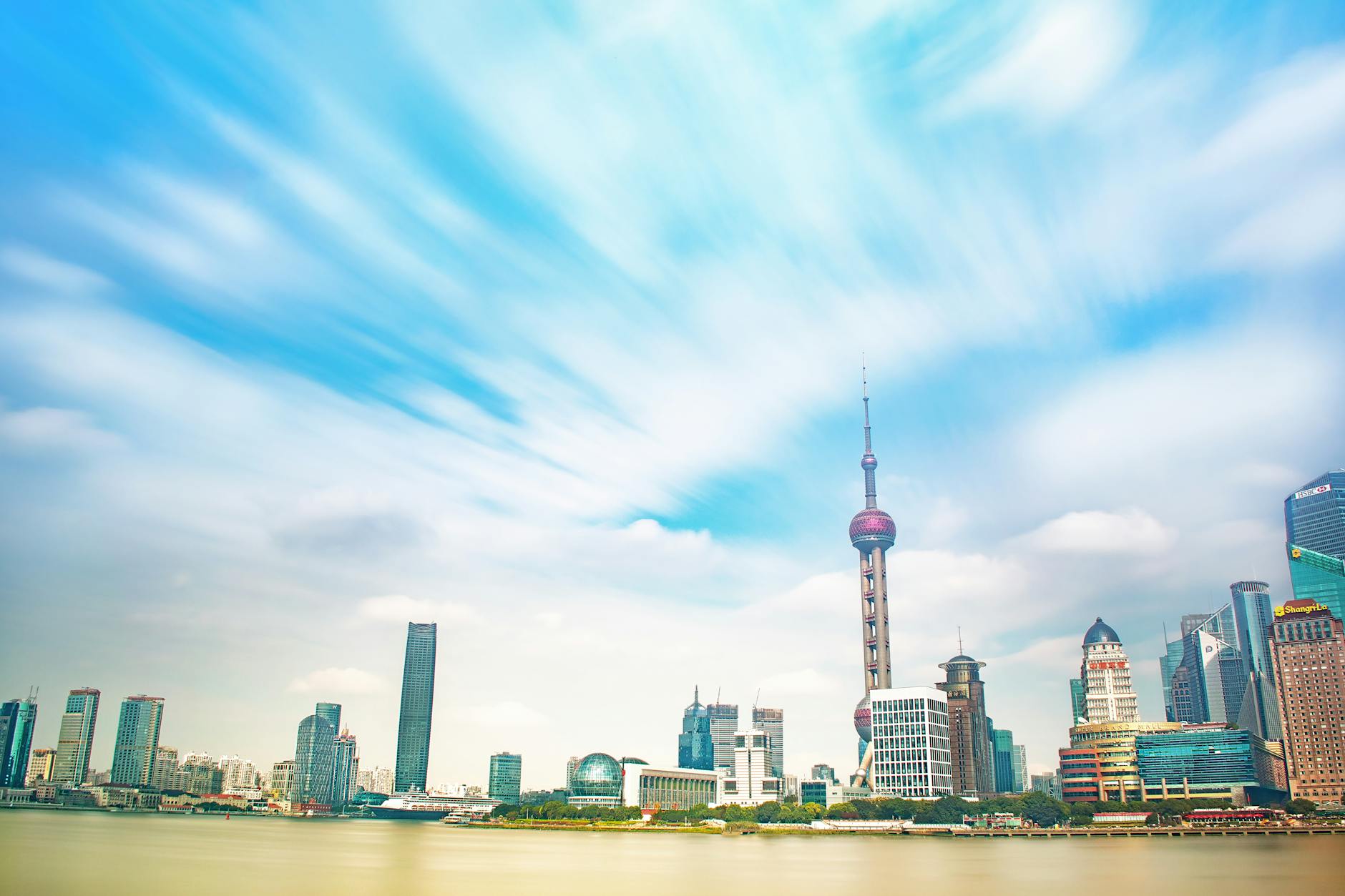
Few cities show China’s modern story so clearly. The historic riverfront of the Bund faces the futuristic towers of Pudong, creating a visual timeline across the Huangpu.
Shanghai also has a distinct local identity. Its shikumen lane houses, Shanghainese food, treaty-port architecture, fashion boutiques, and jazz bars give the city a texture unlike Beijing, Xi’an, or Guangzhou.
Shanghai at a glance
Shanghai sits on China’s east coast, in the East Asia region, near the mouth of the Yangtze River. The municipality has more than 24 million residents, making it one of the world’s largest cities.
Visitor highlights include the Bund, the Pudong skyline, the old lanes of Nanshi, and the French Concession around Xintiandi. Spring and autumn bring the most pleasant walking weather.
What to see and do in Shanghai?
Shanghai works best as a city of layers. Do not rush straight from tower to tower, because the quieter streets often hold the best moments.
Plan days by district rather than by checklist. The city is huge, but each area has its own rhythm, from riverside grandeur to food alleys and shaded former concession streets.
The Bund
The Bund waterfront is Shanghai’s grandest public stage. On one side stand banks, clubs, and trading houses from the early 20th century, built in Gothic, Baroque, and neoclassical styles.
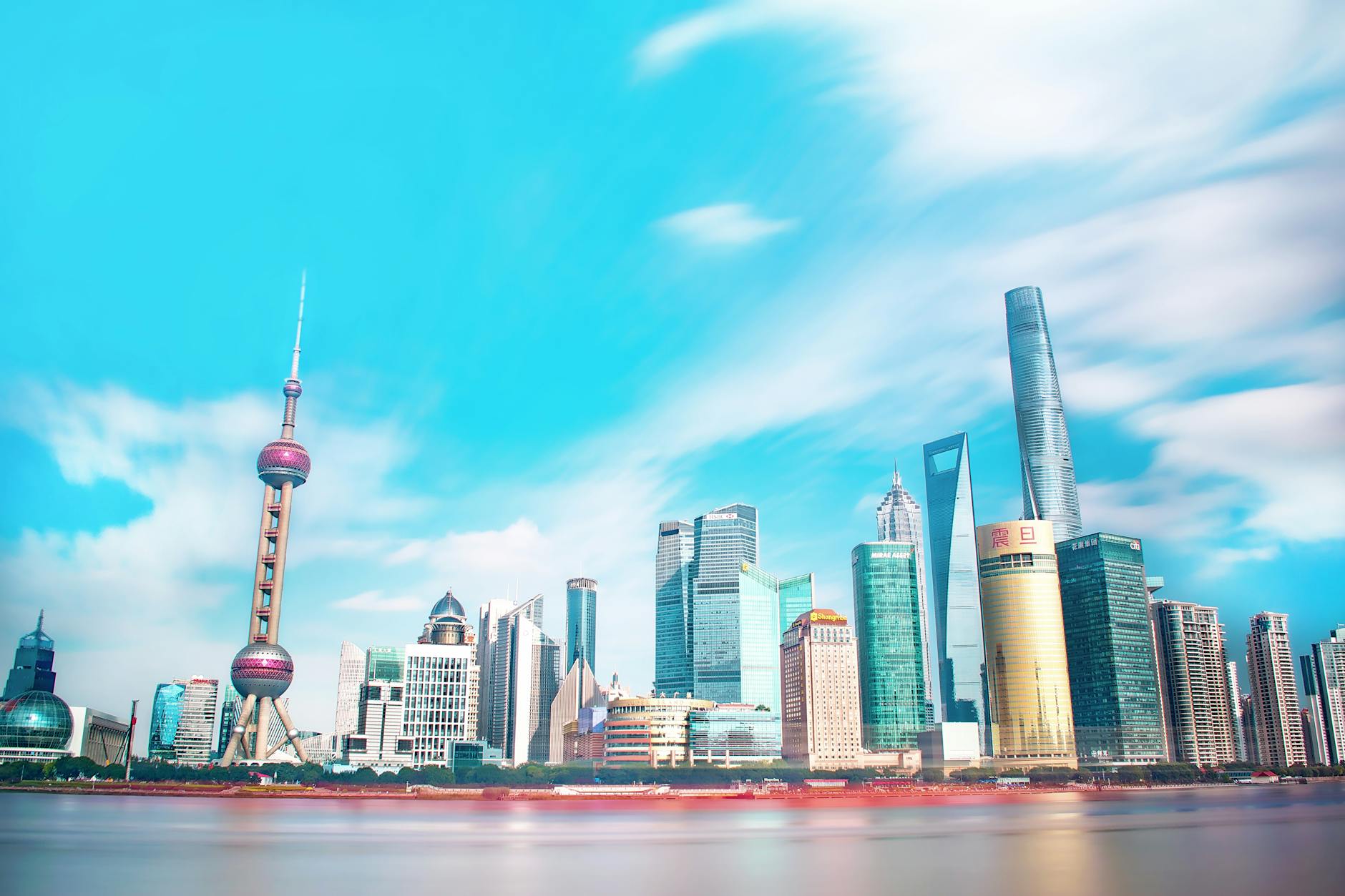
Across the river, Pudong rises like a science-fiction backdrop. The contrast is strongest at dusk, when the façades warm in golden light and the towers begin their nightly glow.
Walk the promenade early for space and soft light. Visitor reviews often note that evening crowds grow thick near Nanjing Road, but the view still feels powerful from the wider riverside sections.
For another angle, take a simple public ferry across the Huangpu. It costs little, moves quickly, and gives a breezy river-level view of both banks.
Pudong Skyline
Pudong was mostly farmland a few decades ago. Today it holds the Lujiazui financial district, where the Oriental Pearl Tower, Jin Mao Tower, Shanghai World Financial Center, and Shanghai Tower cluster together.
The Shanghai Tower reaches 632 meters, making it China’s tallest building and one of the tallest on earth. Its observation deck gives a vast view over river bends, highways, and dense urban blocks.
Local guides often recommend visiting Pudong twice. Go by day for the architecture, then return at night when the towers light up and the elevated walkways feel suspended above moving traffic.
Budget travelers can skip paid viewpoints and still enjoy strong skyline views from the riverside paths. The best photos often come from distance rather than height.
Nanshi Old Town
Nanshi, the old Chinese city, carries a different mood from the Bund. Around Yuyuan Garden, carved roofs, red lanterns, snack stalls, and narrow lanes create a dense, old-Shanghai atmosphere.
The classical Yuyuan Garden dates to the Ming dynasty and is known for rockeries, ponds, pavilions, and zigzag bridges. Go near opening time to avoid the busiest tour groups.
The nearby bazaar is commercial, but it still has energy worth seeing. Steamed buns, sesame sweets, tea shops, and traditional medicine storefronts crowd the lanes around the garden walls.
Step away from the main shopping streets when possible. In quieter corners of Nanshi, laundry hangs above alleys, scooters squeeze past doorways, and old residential life still shows through the renovation.
French Concession (Xintiandi)
The former French Concession is Shanghai at its most walkable. Plane trees shade the streets, cafés fill restored houses, and boutiques sit beside old walls, garden gates, and low-rise villas.
Xintiandi is the polished face of the area. Its restored shikumen houses now hold restaurants, bars, galleries, and shops, making it popular for evening walks and relaxed dining.
For a deeper feel, continue into nearby streets such as Wukang Road, Anfu Road, and Sinan Road. Travelers note that these blocks reveal quieter architecture, local bakeries, and stylish but low-key storefronts.
The French Concession around Xintiandi suits slow afternoons. Bring comfortable shoes, follow the shade, and leave room for detours into small lanes that rarely appear on standard itineraries.
Food & local cuisine in Shanghai
Shanghai cuisine is rich, slightly sweet, and often glossy with soy sauce. The city’s best meals range from dumplings eaten standing up to refined banquet dishes served in restored lane houses.
Start with xiaolongbao, delicate soup dumplings filled with pork and hot broth. Bite carefully, sip the soup, then add ginger and vinegar for balance.
Shengjianbao are another local favorite. These pan-fried buns have crisp bottoms, juicy filling, and sesame-studded tops, and they are best eaten fresh from a busy neighborhood shop.
Classic dishes include hongshaorou, red-braised pork belly, and Shanghai-style smoked fish. Noodles with scallion oil, known as cong you ban mian, make a cheap, satisfying meal.
For snacks, look for crab shell pastries, sticky rice rolls, tofu pudding, and egg pancakes at breakfast stalls. Markets and small eateries usually cost far less than restaurants near major sights.
Vegetarians can eat well, but communication helps. Buddhist restaurants, noodle shops, and tofu dishes are useful choices, while translation apps can clarify meat broths or seafood sauces.
Local guides recommend eating early at famous dumpling shops. Lines move faster before noon, and the kitchen is usually working at its freshest pace.
Getting to Shanghai and getting around
Shanghai is one of Asia’s great transport hubs, with international flights, high-speed rail, river crossings, taxis, buses, ferries, and a huge metro network. Moving around is straightforward once payment apps or transit cards are set up.
Getting there
Most long-haul travelers arrive at Shanghai Pudong International Airport, about 30 kilometers east of the center. Hongqiao Airport handles many domestic and regional routes and connects smoothly with rail services.
The Maglev train links Pudong Airport with Longyang Road in about 8 minutes at peak speeds up to 431 km/h. High-speed trains also connect Shanghai with Beijing, Hangzhou, Suzhou, Nanjing, and other major cities.
Getting around
The Shanghai Metro system is the most useful way to cross the city. It has more than 800 kilometers of track, with lines reaching both airports, train stations, business districts, and sightseeing areas.
Use a transport card, Alipay, or WeChat Pay where available. Taxis are affordable compared with many global cities, but traffic can slow trips near rush hour and around river crossings.
Walking is rewarding in the Bund, Nanshi, and French Concession areas. For Pudong viewpoints, combine metro rides with short walks along raised pedestrian bridges and riverside paths.
Budget & practical tips
Shanghai can be surprisingly manageable for budget travelers. The city has cheap public transport, low-cost noodle shops, free waterfront views, and many neighborhoods where walking is the main activity.
Costs rise quickly with tower observation decks, cocktail bars, international restaurants, and central hotels. Choose accommodation near a metro station rather than directly on the Bund to save money and time.
- For low-cost meals, use busy local noodle shops, dumpling counters, and food courts in malls.
- For free views, walk the Bund at sunrise or after dark and explore the Pudong riverfront.
- For smoother payments, set up Alipay or WeChat Pay before arrival, if available to your bank card.
- For internet access, arrange roaming, an eSIM, or a travel SIM before relying on maps and translation tools.
How much to budget for Shanghai
Shanghai fits a $ budget if spending stays local. A dorm bed or simple room, metro rides, casual meals, and free sightseeing can keep daily costs far below luxury city levels.
Budget travelers can often manage with about 35 to 60 USD per day, depending on accommodation. Add more for paid viewpoints, nightlife, taxis, museums, and Western-style meals in central districts.
Good value comes from street breakfasts, metro passes, convenience stores, and lunch specials. The biggest savings usually come from staying near Line 2, Line 10, or another useful metro corridor.
Best time to visit: April to May and September to October
April to May brings mild temperatures, spring flowers, and comfortable days for walking along the river. Rain is possible, but the city feels fresh before the heavier humidity of summer.
September to October is equally strong, with clearer skies, warm afternoons, and pleasant evenings. Avoid major national holiday peaks if possible, especially early October, when domestic travel crowds surge.
Summer can be hot, humid, and stormy, while winter is damp and chilly despite modest temperatures. For most visitors, spring and autumn give Shanghai its best balance of comfort and atmosphere.
Frequently Asked Questions about Shanghai
Similar Destinations
Beijing
Beijing, China layers imperial drama and living street life, from the Forbidden City’s vermilion gates to…
DiscoverHong Kong
Hong Kong, China, rewards visitors with electrifying contrasts: the sweeping skyline seen from Victoria Peak…
DiscoverTokyo
Tokyo, Japan hits fast: Shibuya Crossing surges with crowds, Sensō-ji Temple anchors old Asakusa, and…
Discover