Explore Netherlands
1 destination to discover
Everything about Netherlands
Traveling to Netherlands opens a world where centuries-old canals mirror tulip fields, and sleek modern architecture stands a few blocks from Golden Age masterpieces. Few countries pack this much visual contrast into such a compact space.
The Netherlands spans just 41,500 km² — roughly the size of Switzerland — yet holds 17.9 million people and an outsized cultural footprint.
From the electric energy of Rotterdam's harbor to the quiet brick streets of Delft, visiting Netherlands rewards travelers who look beyond the obvious postcard scenes.
Why Travel to Netherlands?
What Sets Netherlands Apart from Other Destinations
The Netherlands doesn't try to impress with sheer scale. It wins through density — world-class museums, Michelin-starred restaurants, and UNESCO-listed waterways compressed into distances you can cycle in an afternoon.
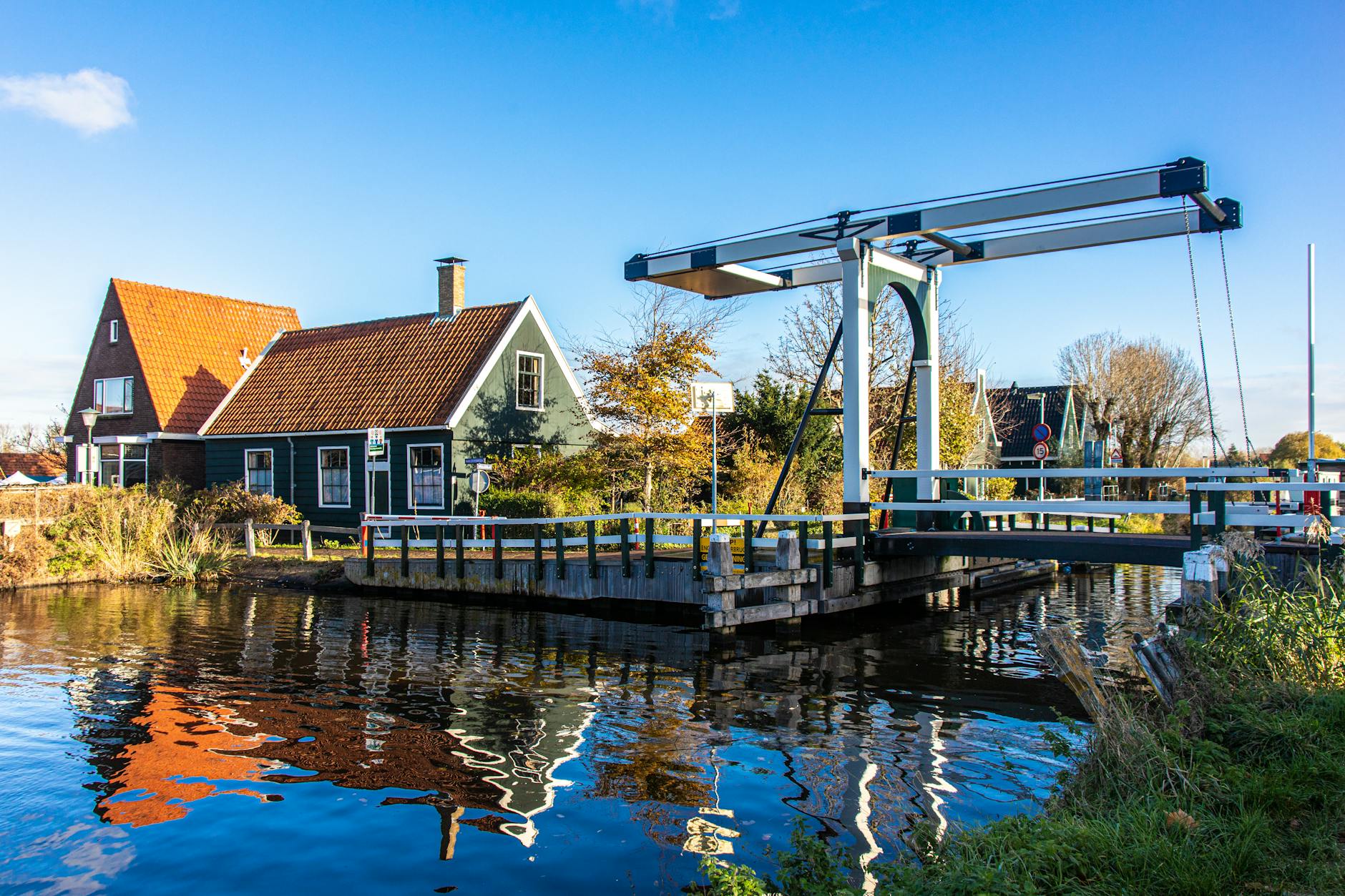
The flat, bike-friendly landscape isn't just a quirk; it's a lifestyle. Locals own more bicycles than cars, and the entire country is laced with 35,000 km of dedicated cycling paths.
Nowhere else in Europe do you find this blend of Dutch pragmatism, genuine tolerance, and an art history that shaped Western painting forever.
Netherlands at a Glance
The official language is Dutch, though English proficiency here ranks among the highest in the world for non-native speakers — communication is rarely a barrier.
The country uses the euro (€) and sits in the Schengen Zone. The capital, Amsterdam, hosts roughly 900,000 residents, while The Hague functions as the seat of government and home to the International Court of Justice.
Expect a temperate maritime climate, a highly developed transport network, and a population known for directness, cycling habits, and an impressive tolerance for rain.
Regions and Cities to Explore
The Main Regions of Netherlands
The Randstad — the urban ring connecting Amsterdam, Rotterdam, The Hague, and Utrecht — is where most travelers spend their time, and for good reason. It concentrates culture, commerce, and architecture within easy train reach.
The province of Zeeland in the southwest brings a completely different atmosphere: wide tidal estuaries, seafood villages, and the extraordinary Delta Works flood barriers. Visitor reviews confirm it feels worlds apart from the Randstad bustle.
The eastern provinces — Gelderland and Overijssel — surprise with medieval castle towns, heath landscapes, and the charming canal city of Giethoorn, sometimes called "the Venice of the North."
North Holland stretches beyond Amsterdam to include windmill villages like Zaanse Schans and the bulb fields of the Bollenstreek, which explode in color each April.
Which Cities Should You Visit?
Amsterdam remains the undeniable centerpiece — its canal belt is a UNESCO World Heritage Site, and the Rijksmuseum alone justifies the journey. But the city rewards those who venture into the Jordaan neighborhood or the emerging Noord district.
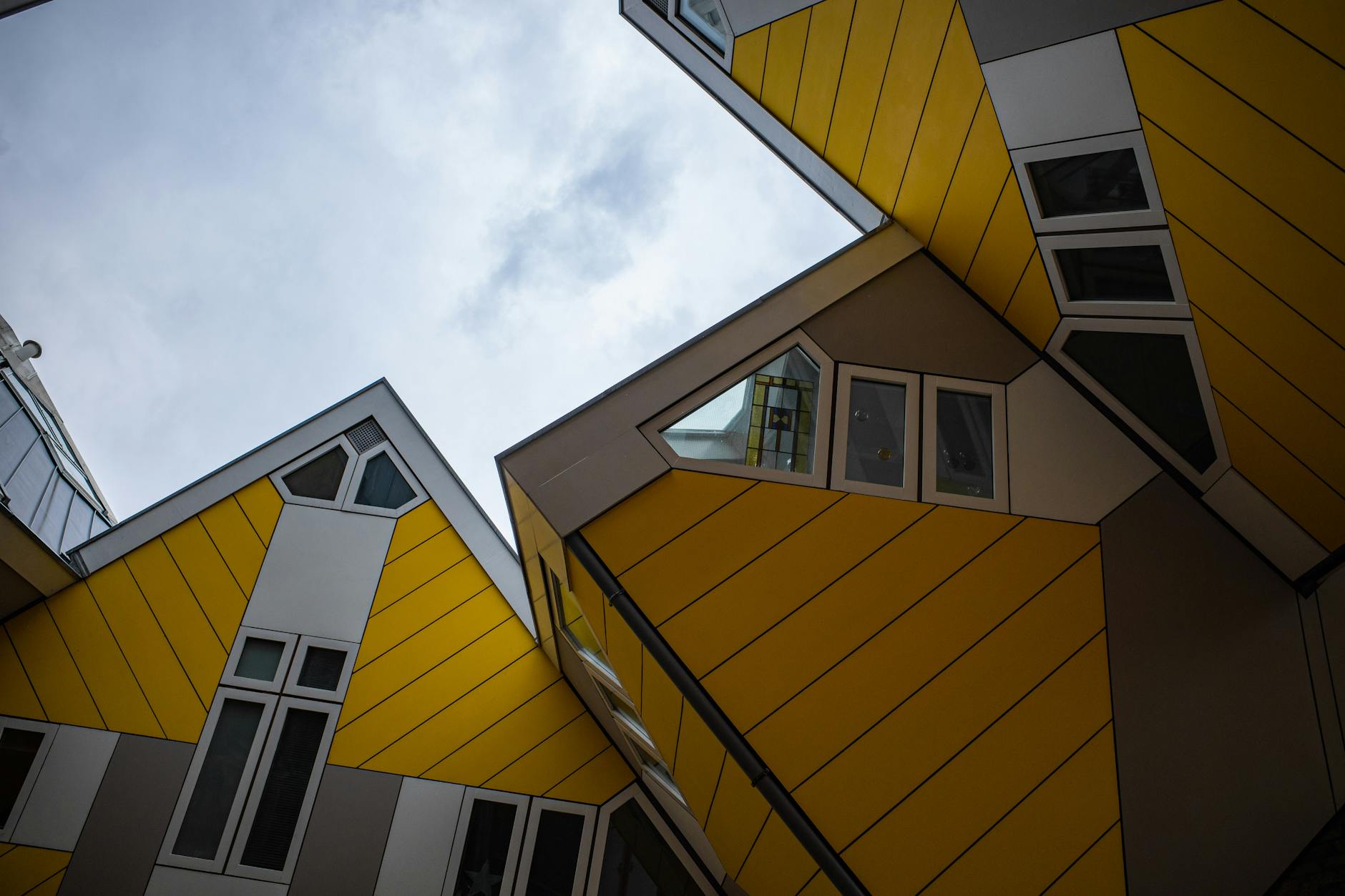
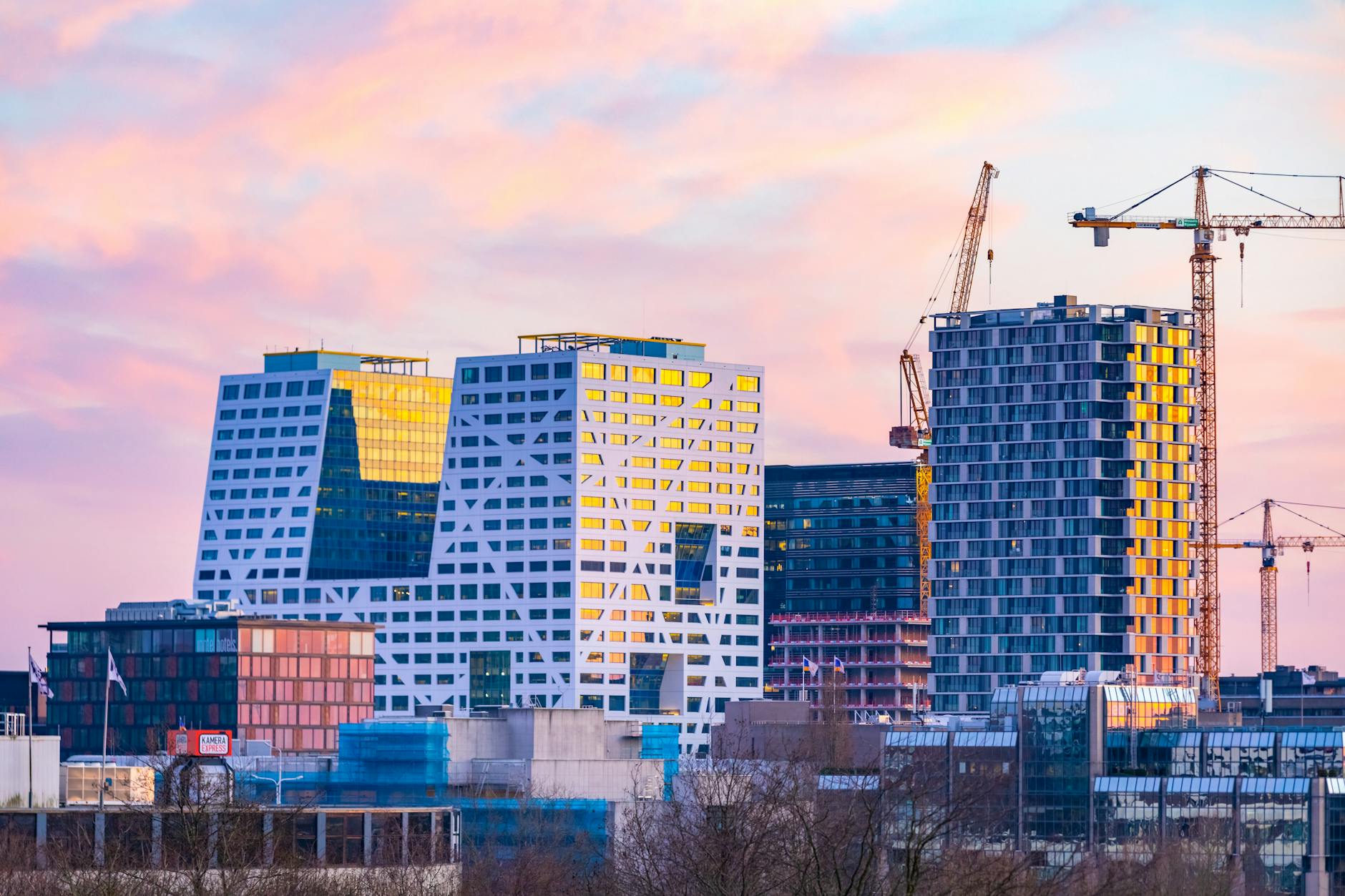
Rotterdam rebuilt itself from WWII rubble into one of Europe's boldest architectural laboratories. The Cube Houses, the Markthal, and Europe's largest port make it a genuinely thrilling city for design lovers.
Delft feels suspended in the 17th century — cobbled squares, leaning Gothic towers, and the birthplace of Vermeer. Utrecht charms with its sunken canal terraces and a medieval Dom Tower visible across the city's roofline.
Eindhoven operates on a different frequency entirely. Once a Philips factory town, it has reinvented itself as a design and technology hub, hosting Dutch Design Week each October — the largest design event in Northern Europe.
The Hague (Den Haag) balances diplomatic gravitas with excellent beaches at nearby Scheveningen and the world-class Mauritshuis museum, home to Vermeer's Girl with a Pearl Earring.
Culture, Traditions and Way of Life
Dutch culture prizes directness above politeness — locals say what they mean without softening it, and they expect the same in return. Travelers sometimes misread this as coldness; local guides recommend treating it as refreshing honesty.
The bicycle isn't just transport here — it's a cultural statement. Children cycle to school at age four, grandparents cycle to market at eighty, and cyclists hold legal and social priority over cars.
Gezelligheid — a uniquely Dutch concept with no direct English translation — describes a warm, convivial atmosphere. It's found in a brown café (bruine kroeg) filled with candlelight, dark wood, and the smell of jenever gin.
King's Day (Koningsdag) on April 27th transforms every Dutch city into an open-air street party dressed entirely in orange. It's one of Europe's most exuberant national celebrations.
Art runs deep in the national identity. The Dutch Golden Age of the 17th century produced Rembrandt, Vermeer, and Frans Hals — and the country's museum culture still treats that heritage with fierce pride.
Weekend markets are social rituals as much as shopping events. The Albert Cuyp Market in Amsterdam or the Markt in Delft draw locals and visitors into the same relaxed, unhurried rhythm.
Food: The Flavors of Netherlands
Dutch cuisine gets underestimated, often unfairly. The food culture has evolved dramatically over the past two decades, and today the Netherlands holds over 100 Michelin-starred restaurants.
Traditional staples include stamppot — mashed potatoes mixed with kale or sauerkraut and topped with smoked sausage. It's winter comfort food at its most honest and filling.
Raw herring (haring) eaten with onions and pickles from a street stall is a true Dutch ritual. Visitor reviews consistently describe it as a must-try experience, especially during herring season from late May onward.
Stroopwafels — two thin waffles sandwiched with caramel syrup — were invented in Gouda in the early 19th century. Place one over a hot coffee cup for thirty seconds and the syrup softens perfectly.
Indonesian cuisine has deep roots here, a legacy of colonial history. A rijsttafel (rice table) — a spread of 15 to 30 small Indonesian dishes — is one of the most distinctive dining experiences in the country.
Dutch cheeses — Gouda, Edam, Leerdammer — are best sampled at dedicated cheese shops or markets rather than supermarkets. Aged Gouda (belegen or oud) develops a sharp, crystalline intensity that bears no resemblance to the rubbery export versions.
Practical Information
Visa and Entry Requirements
The Netherlands is a member of the Schengen Agreement. Citizens of EU and EEA countries enter freely with a national ID card — no passport required.
Travelers from the US, Canada, Australia, and most other Western nations may visit for up to 90 days within a 180-day period without a visa. Always verify current entry conditions with the Dutch immigration service (IND) before travel.
Starting in 2025, non-EU visitors will need to register under the new ETIAS authorization system before entering the Schengen Zone — a straightforward online process costing €7.
Budget and Cost of Living
The Netherlands sits firmly in the mid-to-high range for European travel costs. A mid-range hotel in Amsterdam averages €130–€200 per night; budget hostels start around €30–€45 in a dormitory.
A sit-down lunch costs €12–€18 in most city centers. A three-course dinner at a decent restaurant runs €35–€55 per person without wine. Street food — herring stalls, frikandellen stands, Dutch pancake shops — keeps costs significantly lower.
Museum entry fees average €15–€25. The Museumkaart (€69.95/year) grants unlimited access to over 400 Dutch museums and pays for itself within two or three visits.
Getting Around
The NS rail network connects every major Dutch city with fast, frequent trains. Amsterdam to Rotterdam takes 40 minutes; Amsterdam to Utrecht, just 27 minutes. Trains run until past midnight daily.
The OV-chipkaart — a rechargeable smart card — works on all trains, trams, metros, and buses nationwide. Renting a bicycle in any major city costs €10–€15 per day and is genuinely the best way to explore at a local pace.
When to Visit Netherlands?
Late April through early June is widely considered the most rewarding period. Tulip fields near Lisse and Keukenhof Gardens peak in April, temperatures reach 15–18°C, and tourist crowds haven't yet hit their summer intensity.
Summer (July–August) brings the warmest weather — averaging 22–25°C — and a packed calendar of outdoor festivals, canal swimming, and terrace culture. Accommodation prices spike and Amsterdam in particular gets genuinely crowded.
September and October deliver crisp air, golden light on canal water, and noticeably thinner crowds. Local guides recommend this window for city exploration, particularly in Utrecht and Delft.
Winter in the Netherlands has its own appeal. Christmas markets appear in most city centers, ice skating returns to canals during hard freezes, and museum lines shrink dramatically. Temperatures hover around 2–7°C — cold but manageable with the right gear.
March sits in a useful sweet spot: spring light begins to return, the daffodil season starts early in the bulb fields, and prices remain well below peak levels before the April tulip rush arrives.
Frequently Asked Questions about Netherlands
Similar Destinations
Explore more destinations in the same region of the world.