Marrakech

Everything about Marrakech
What if a single square could contain an entire city's soul? Visiting Marrakech means stepping into a place where medieval traditions and vivid modern life collide without apology.
The scent hits you before anything else. Cumin, rose water, leather, charcoal smoke from street grills — all layered together in the warm North African air.
This is a city that rewards curiosity and punishes rushing. Every narrow alley in the medina leads somewhere unexpected, and that is exactly the point.
Why visit Marrakech?
What makes Marrakech unique
Marrakech is not a museum city frozen in amber. It breathes, trades, argues, and prays in real time.
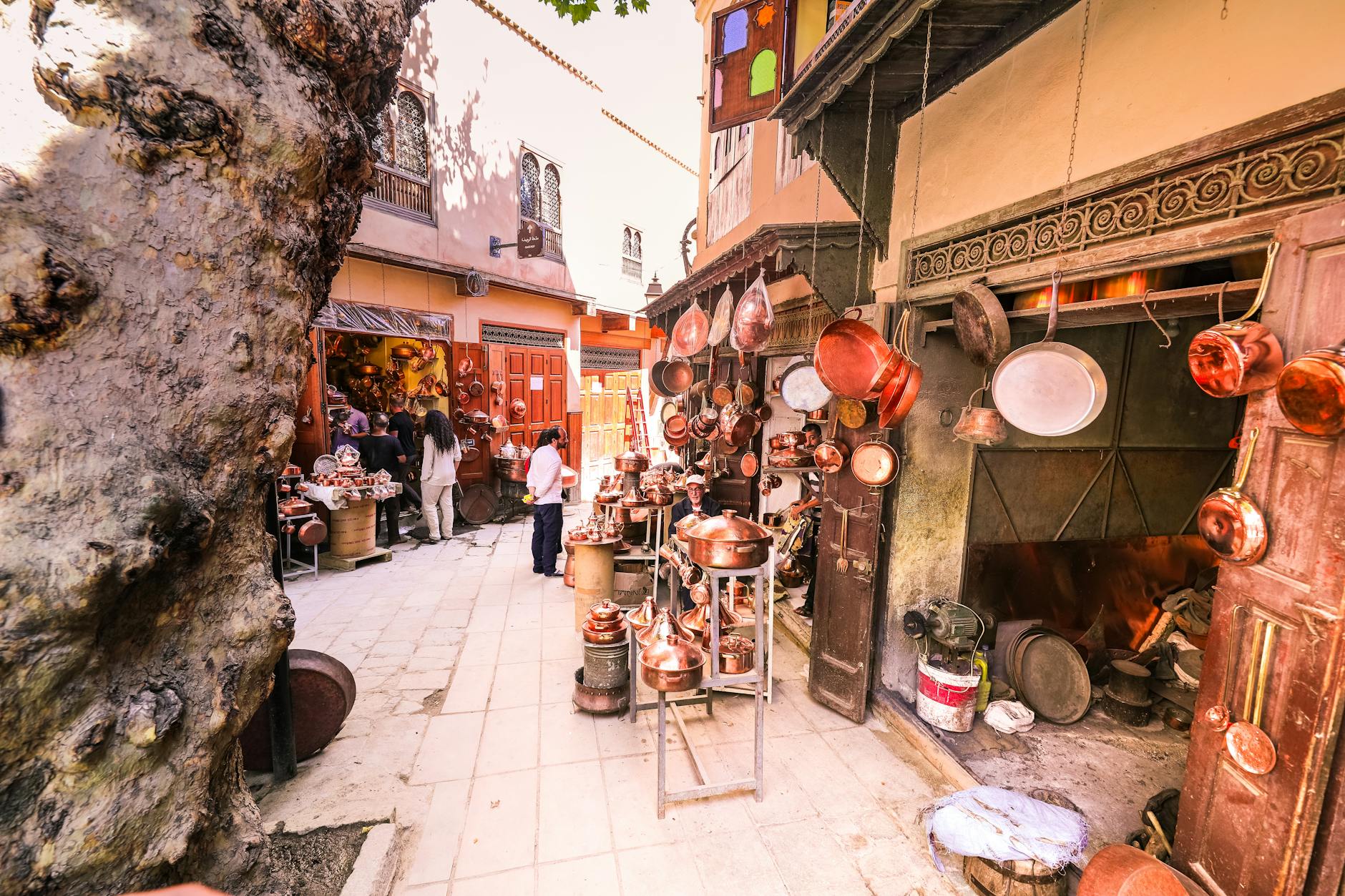
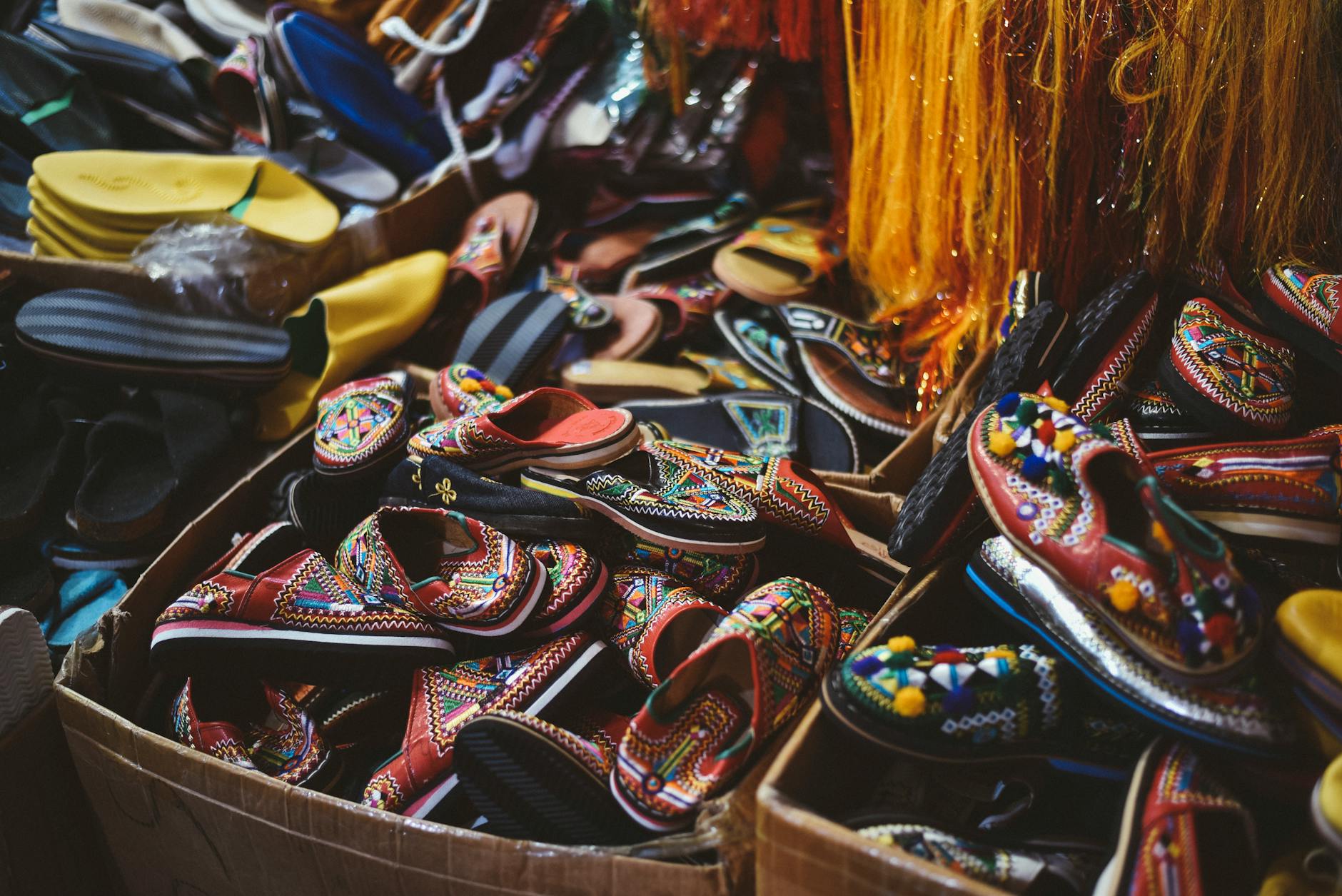
The medina of Marrakech has been a living urban organism for nearly a thousand years. Artisans still work the same trades their great-grandparents did, producing leather babouches and hand-hammered copper lanterns in cramped workshops barely wider than a doorway.
Few cities in North Africa balance sensory overload and genuine beauty this naturally. Marrakech pulls you back in, even after you think you have seen it all.
Marrakech at a glance
Marrakech sits at the foothills of the Atlas Mountains in central Morocco, roughly 580 kilometers southwest of Tangier. Its population exceeds one million, making it Morocco's fourth-largest city.
The budget level here is moderate (€€), meaning solo travelers and couples can experience serious depth without breaking the bank. Riads, street food, and free public spaces keep costs reasonable.
The city splits clearly between the ancient medina and the modern Ville Nouvelle district called Guéliz. Both are worth your time for very different reasons.
What to see and do in Marrakech?
Jemaa el-Fna Square (UNESCO)
Jemaa el-Fna Square is the geographic and emotional heart of Marrakech. UNESCO recognized it in 2001, not as a monument, but as an intangible cultural heritage — one of the first spaces in the world to receive that designation.
By day, it belongs to orange juice vendors, snake charmers, and henna artists. By night, it transforms completely.
Dozens of food stalls appear from nowhere after sunset, filling the square with smoke and noise. Storytellers, acrobats, and Gnawa musicians compete for attention in overlapping circles of spectators.
Visitor reviews confirm that watching the square from a rooftop café terrace at dusk gives the most striking perspective. The scale of the activity below becomes clear only from above.
Majorelle Gardens
The Majorelle Gardens were created by French painter Jacques Majorelle between 1923 and 1962, then rescued from developers by Yves Saint Laurent and Pierre Bergé in 1980. That history alone makes the visit worthwhile.
The garden covers 1.2 hectares and contains over 300 plant species from five continents. The iconic cobalt blue building at its center, known as Majorelle Blue, became one of the most photographed colors in Morocco.
Local guides recommend arriving at opening time (8:00 AM) to avoid the midday crowds. The light is also considerably softer for photography in the early morning hours.
A small Berber museum sits within the garden complex. It is compact but genuinely informative about the indigenous cultures of North Africa.
Medina (souks)
The souks of Marrakech's medina are organized by trade, a system unchanged since the medieval period. Dyers cluster in one quarter, carpet merchants in another, spice sellers near the main arteries.
Getting temporarily lost here is not a problem — it is part of the experience. Most of the medina fits within a walkable loop of two to three hours.
Bargaining is expected and even enjoyed by experienced vendors. Starting at roughly half the asking price is a reasonable opening position, though this varies considerably by item and seller.
Travelers note that the souk des teinturiers (dyers' souk) near the northern edge of the medina produces some of the most visually dramatic scenes in all of Morocco. Vats of vivid color, hanging wool skeins, and working craftsmen make it genuinely photogenic.
Bahia Palace
Bahia Palace was built in the late 19th century by Si Moussa, grand vizier to the sultan, and expanded by his son Ba Ahmed. The name translates roughly as "the brilliant," and the interior lives up to it.
The palace covers eight hectares and contains 150 rooms, though only a portion is open to visitors. Painted cedarwood ceilings, zellij tilework, and carved stucco fill every surface without feeling excessive.
Entrance costs around 70 Moroccan dirhams (approximately 6 euros), making it one of the better-value historic sites in the city. Mornings on weekdays see significantly fewer visitors than weekend afternoons.
Local guides recommend pausing in the grand courtyard of Bahia Palace to look up at the decorative ceiling rather than walking straight through. That ceiling took Moroccan artisans years to complete.
Food & local cuisine in Marrakech
Moroccan cuisine in Marrakech goes far beyond the tourist-menu tagine. The real cooking happens in neighborhood restaurants, home kitchens, and the chaotic stalls of Jemaa el-Fna.
Pastilla is one dish travelers consistently underestimate. A flaky pastry shell filled with pigeon (or chicken), almonds, and dusted with cinnamon sugar — sweet and savory simultaneously — it belongs to a tradition of cooking that dates back to Moorish Andalusia.
Harira soup appears everywhere during Ramadan but is available year-round. It is thick with tomatoes, lentils, chickpeas, and lamb, finished with a squeeze of lemon and fresh herbs.
Street food along the lanes near Bab Doukkala tends to be cheaper and more authentic than anything near the main square. Mechoui (slow-roasted lamb) sold by the portion is a particular specialty of that quarter.
For mint tea, the ritual matters as much as the drink itself. Pouring from height, refilling multiple times, sweetening generously — these are hospitality codes, not mere habits. Refusing the first glass is considered impolite in most traditional settings.
Travelers note that the Mellah market (Jewish quarter) near Bahia Palace has excellent dried fruit, nut, and spice vendors. Prices run lower than in the main souks, and the atmosphere is considerably calmer.
Getting to Marrakech and getting around
Getting there
Marrakech Menara Airport (RAK) sits just 6 kilometers from the city center, making arrival refreshingly straightforward. It handles direct flights from most major European cities, including Paris, London, Madrid, and Amsterdam.
Flight times from western Europe range from two to three hours. Low-cost carriers including Ryanair, easyJet, and Transavia connect the city to dozens of European airports year-round, keeping fares competitive.
Travelers arriving by train from Casablanca (approximately 3 hours by ONCF rail) find that route scenic and comfortable. The Casablanca Mohammed V Airport also has direct rail connections into the national network.
Getting around
Inside the medina of Marrakech, walking is the only realistic option. The streets are too narrow for cars in most sections, and motorbikes claim the few that are wider. Good walking shoes are worth prioritizing.
Petits taxis (small cream-colored cabs) cover the city at metered rates and are inexpensive by European standards. Always insist on the meter being used at the start of the journey.
The city also has a modern tram line linking Guéliz and the newer districts, though it does not reach the medina directly. For the Majorelle Gardens, a petit taxi or a short walk from Guéliz works well.
Budget & practical tips
How much to budget for Marrakech
Marrakech rewards budget-conscious travelers without feeling like a compromise destination. A comfortable mid-range daily budget runs between 50 and 80 euros per person, covering a riad room, two restaurant meals, and entrance fees.
Budget travelers staying in hostels or cheaper guesthouses and eating primarily street food can manage on 25 to 35 euros per day. A bowl of harira and a kefta brochette from a medina stall rarely costs more than 2 euros combined.
Splurge options exist too. Several luxury riads in the medina charge upward of 200 euros per night, with rooftop pools and private hammam access included in the rate.
Bargaining in the souks is standard practice. Cash in Moroccan dirhams (MAD) is strongly preferred by most vendors; card payment is rare in the medina, though increasingly common in Guéliz shops and restaurants.
Best time to visit: March to May and October to November
The spring window (March to May) gives travelers warm days without the crushing summer heat. Temperatures sit between 20°C and 28°C, ideal for walking the medina and spending time in outdoor gardens.
Summer (June through August) sees temperatures regularly exceeding 38°C in the afternoons. That heat is manageable with careful planning, but it genuinely limits outdoor activity during midday hours.
The autumn window (October to November) mirrors the spring in terms of temperature and comfort. Visitor numbers drop slightly after the summer peak, meaning shorter queues at Bahia Palace and the Majorelle Gardens.
Travelers note that visiting during Ramadan brings a different but equally interesting experience. The medina quiets dramatically during daylight hours, then erupts into celebration after the evening call to prayer.
Frequently Asked Questions about Marrakech
Similar Destinations
Cairo
In Cairo, Egypt, sunrise over the Pyramids of Giza and the Sphinx sets the tone before pharaoh treasures at…
DiscoverSydney
Sydney, Australia's most iconic city, pairs the gleaming sails of the Sydney Opera House with the steel arc…
DiscoverMiami
In Miami, United States, sunlit days roll from the Art Deco glamour of South Beach to salsa-scented streets…
Discover