Dubrovnik

Everything about Dubrovnik
What if one of the best-preserved medieval cities in Europe also happened to sit on the edge of the Adriatic Sea? Visiting Dubrovnik means stepping inside a UNESCO World Heritage Site where the stone streets still feel lived-in, not staged.
The city is small, intense, and visually overwhelming in the best possible way. Every corner reveals baroque fountains, honey-colored facades, and glimpses of impossibly blue water below.
But Dubrovnik rewards those who come prepared. Timing, budget, and local knowledge make the difference between a crowded blur and a genuinely memorable trip.
Why visit Dubrovnik?
What makes Dubrovnik unique
Dubrovnik is not just another coastal town with old walls. It is a city-state that spent centuries as a sovereign republic, the Republic of Ragusa, rivaling Venice in maritime trade and diplomacy.
That independence shaped an architecture and urban culture unlike anywhere else on the Adriatic. The Old Town of Dubrovnik survived earthquakes, wars, and the pressures of modern tourism with its core identity remarkably intact.
Dubrovnik at a glance
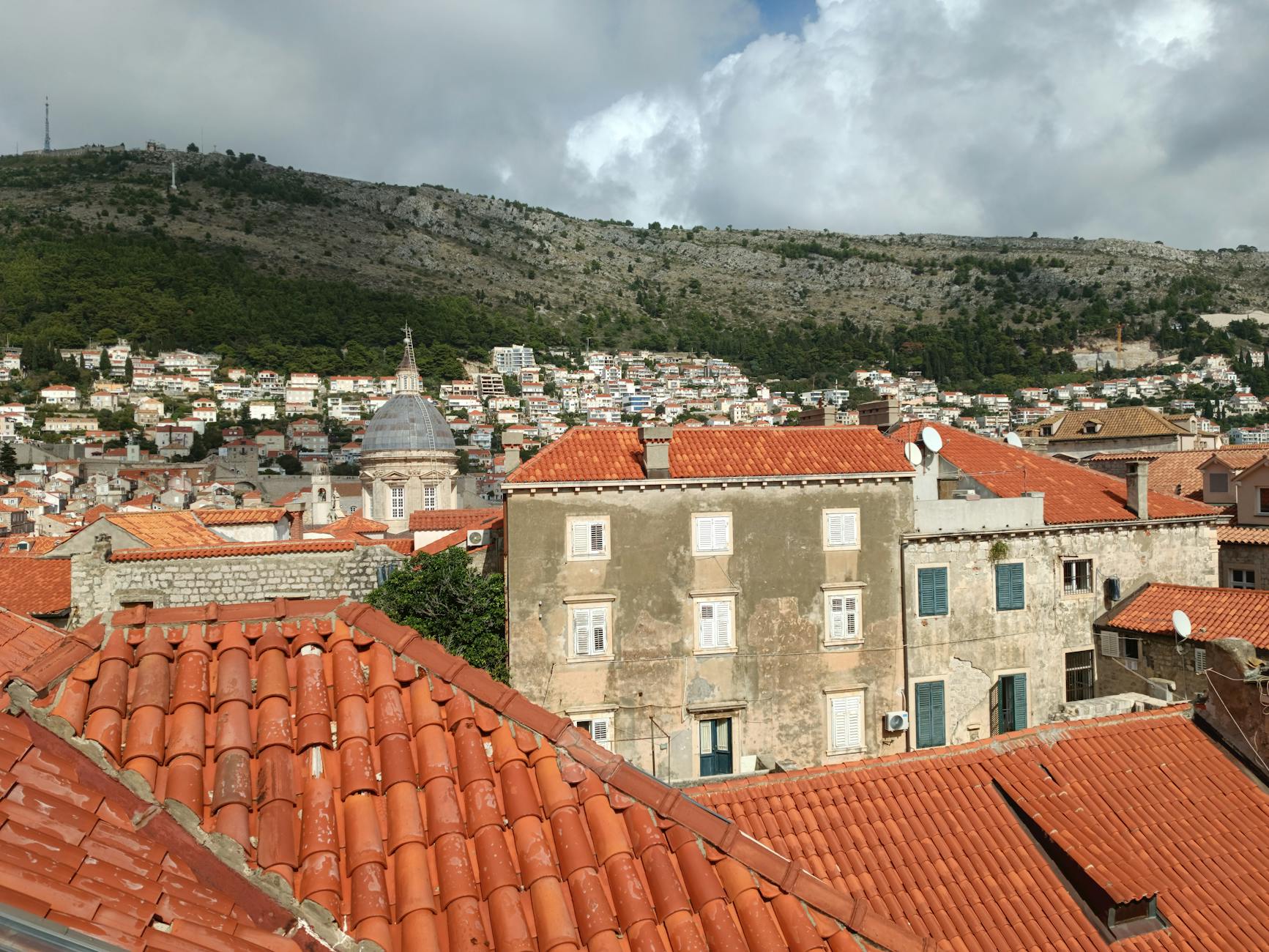
The city sits at the southern tip of Croatia, where the Dalmatian coast curves toward Montenegro. Its historic Old Town is fully enclosed by walls and measures just under two kilometers in diameter.
Dubrovnik has a population of around 40,000, but welcomes more than a million tourists annually. That contrast explains both the magic and the madness of visiting during peak summer months.
What to see and do in Dubrovnik?
City Walls
The City Walls of Dubrovnik stretch nearly two kilometers around the Old Town and reach up to 25 meters in height in some sections. Walking the full circuit takes between one and two hours depending on how often you stop to photograph the rooftops and sea below.
The walls date back to the 13th century, though most of what stands today was reinforced during the 16th century. The Minceta Tower at the northern point gives the highest vantage and the longest views inland toward the mountains.

Entry costs around 35 euros for adults. Arriving at opening time (8 a.m.) significantly reduces crowds and keeps the light ideal for photography.
Stradun
The Stradun, also known as Placa, is the limestone-paved main street running straight through the heart of the Old Town. It was built in the 12th century by filling in a shallow sea channel that once separated the island settlement from the mainland.
Today the Stradun connects the Pile Gate in the west to the Ploce Gate in the east. The street is lined with baroque buildings, ground-floor cafes, and small churches, all constructed in a uniform style after the devastating earthquake of 1667.
Local guides recommend walking the Stradun at night, when the polished limestone reflects lamplight and the daytime crowds have thinned considerably. The atmosphere shifts completely after 9 p.m.
Dubrovnik Cable Car
The Dubrovnik Cable Car climbs 778 meters to the summit of Mount Srd in under four minutes. The views from the top are genuinely staggering: the Old Town walls, the island of Lokrum, and on clear days, the coast stretching all the way into Bosnia and Herzegovina.
The cable car was destroyed during the 1991-1992 siege of Dubrovnik and rebuilt in 2010. The Fort Imperial at the summit houses a small but moving museum dedicated to the Homeland War, giving the scenic experience an unexpected layer of historical weight.
Tickets cost around 20 euros return. Sunset trips are popular, so booking online in advance is strongly recommended between June and August.
Lokrum Island
Lokrum Island sits just 600 meters offshore from the Old Town and takes about 15 minutes to reach by ferry from the Old Harbour. It is a nature reserve, meaning no one lives there permanently and no hotels have been built on it.
The island holds a ruined Benedictine monastery, a saltwater lake called the Dead Sea, peacocks roaming freely through the botanical gardens, and rocky coves ideal for swimming. Visitor reviews consistently describe it as the best escape from Old Town crowds.
Ferries run regularly from April through October. The last boat back typically departs around 8 p.m., so checking the schedule before you head over avoids any unplanned overnight stays.
Food and local cuisine in Dubrovnik
Dubrovnik's food culture sits firmly in the Dalmatian tradition, where fresh seafood, olive oil, and local wine drive almost every menu. The city is surrounded by water, and the fish here is genuinely fresh.
Black risotto made with cuttlefish ink is a regional staple worth trying at least once. Grilled dentex, a local white fish, and fresh oysters from the Peljesac peninsula nearby are standouts that travelers consistently recommend.
Restaurants inside the Old Town walls are significantly more expensive than those just outside. The Lapad and Gruz neighborhoods attract locals and give a more realistic picture of daily Dubrovnik life, at lower prices.
Look for konobas, the traditional Croatian taverns, rather than places with laminated menus in six languages. The difference in quality is usually obvious from the first course.
Rozata is the local dessert, a caramel custard similar to panna cotta but with a distinct texture and a hint of rose liqueur. It appears on almost every traditional menu and is a fitting end to any meal in the city.
Getting to Dubrovnik and getting around
Getting there
Dubrovnik Airport, officially named Cilipi Airport, sits about 20 kilometers southeast of the city center. Dozens of European carriers fly direct routes, with frequency peaking from May through September.
A taxi from the airport costs between 35 and 50 euros. The Atlas bus service provides a cheaper alternative at around 10 euros per person, connecting directly to the Pile Gate and the Gruz bus terminal with reasonable reliability.
Getting around
Inside the Old Town, everything is walkable. The car-free streets mean you navigate entirely on foot, which is both the challenge and the pleasure of being there. Wear comfortable, flat-soled shoes as the limestone can be slippery when wet.
Public buses connect the Old Town to neighborhoods like Lapad and Gruz efficiently. The Dubrovnik Pass includes unlimited bus travel alongside entry to several major attractions, making it genuinely useful for stays of two or more days.
Budget and practical tips
How much to budget for Dubrovnik
Dubrovnik sits firmly in the premium travel bracket for Croatia. Budget travelers will struggle: even a basic private room in the Old Town runs 100 euros or more per night during peak season.
A realistic mid-range daily budget sits around 150 to 200 euros per person, covering accommodation outside the walls, one restaurant dinner, attractions, and local transport. The City Walls entry alone costs 35 euros, so attraction costs add up faster than expected.
Eating lunch at a bakery or the local market rather than a sit-down restaurant saves meaningfully. The Gruz Market runs every morning and sells local produce, cheese, and charcuterie at honest prices.
Best time to visit: May to June and September
July and August bring enormous cruise ship crowds, temperatures above 35°C, and prices at their absolute highest. The city is still beautiful, but the experience changes substantially when the streets feel impossibly packed.
May, June, and September hit the right balance: warm enough to swim comfortably, light enough on visitors to actually move freely through the Old Town, and calm enough for restaurants to feel unhurried.
September is particularly appealing because sea temperatures remain warm from summer while daytime crowds drop noticeably. Visitor reviews from September consistently rank it the most enjoyable month to experience the city at a slower, more authentic pace.
Frequently Asked Questions about Dubrovnik
Similar Destinations
Stockholm
Stockholm, Sweden's capital spread across 14 islands, rewards visitors with medieval cobblestones in Gamla…
DiscoverParis
In Paris, France, the Eiffel Tower sparks twilight strolls, the Louvre Museum pulls art lovers into vast…
DiscoverRio de Janeiro
Rio de Janeiro, Brazil, stacks iconic landmarks into a single skyline: Christ the Redeemer watching over…
Discover