Cairo

Everything about Cairo
What if one city could hold 5,000 years of history within a single afternoon's drive? Visiting Cairo means stepping into a place where ancient monuments and chaotic modern life exist side by side, separated by just a few kilometers of desert highway.
Cairo is the largest city in Africa, home to over 20 million people and a skyline interrupted by minarets, highways, and sandstone cliffs. The energy here is unlike anywhere else in the Mediterranean world.
Few cities reward curiosity as generously as this one. The deeper you look, the more Cairo reveals, from its labyrinthine medieval quarters to the gold-lit galleries of its world-famous museum.
Why Visit Cairo?
What Makes Cairo Unique
Cairo sits at the crossroads of Africa, the Middle East, and the Mediterranean, absorbing influences from all three. The sheer density of monuments and living culture packed into this city has no real equivalent on the continent.
The Nile runs straight through the city center, providing both a geographic anchor and a social gathering point. Feluccas still glide past modern bridges at dusk, as they have for centuries.
Cairo is also one of the world's great Islamic heritage cities. More than 600 registered mosques and medieval gates survive within the historic district of Islamic Cairo, a UNESCO World Heritage Site.
Cairo at a Glance
The best period to visit Cairo runs from October through April, when temperatures stay manageable and outdoor exploration becomes genuinely comfortable. Summer heat regularly exceeds 40°C and makes sightseeing punishing.
The budget required is moderate by international standards. Entrance fees, street food, and local transport remain affordable, though international hotels and guided tours can push costs higher.
English is widely spoken in tourist areas, and most major sites have clear signage in both Arabic and English. Navigation is rarely the challenge; the volume of things to see is.
What to See and Do in Cairo?
Pyramids of Giza and Sphinx
The Pyramids of Giza are the only surviving wonder of the ancient world, and nothing quite prepares a first-time visitor for their actual scale. The Great Pyramid of Khufu stood as the tallest structure on Earth for over 3,800 years.
The site sits on the southwestern edge of Cairo, accessible from the city center in under an hour by taxi or metro. Arriving at dawn, before tour groups crowd the plateau, transforms the experience completely.
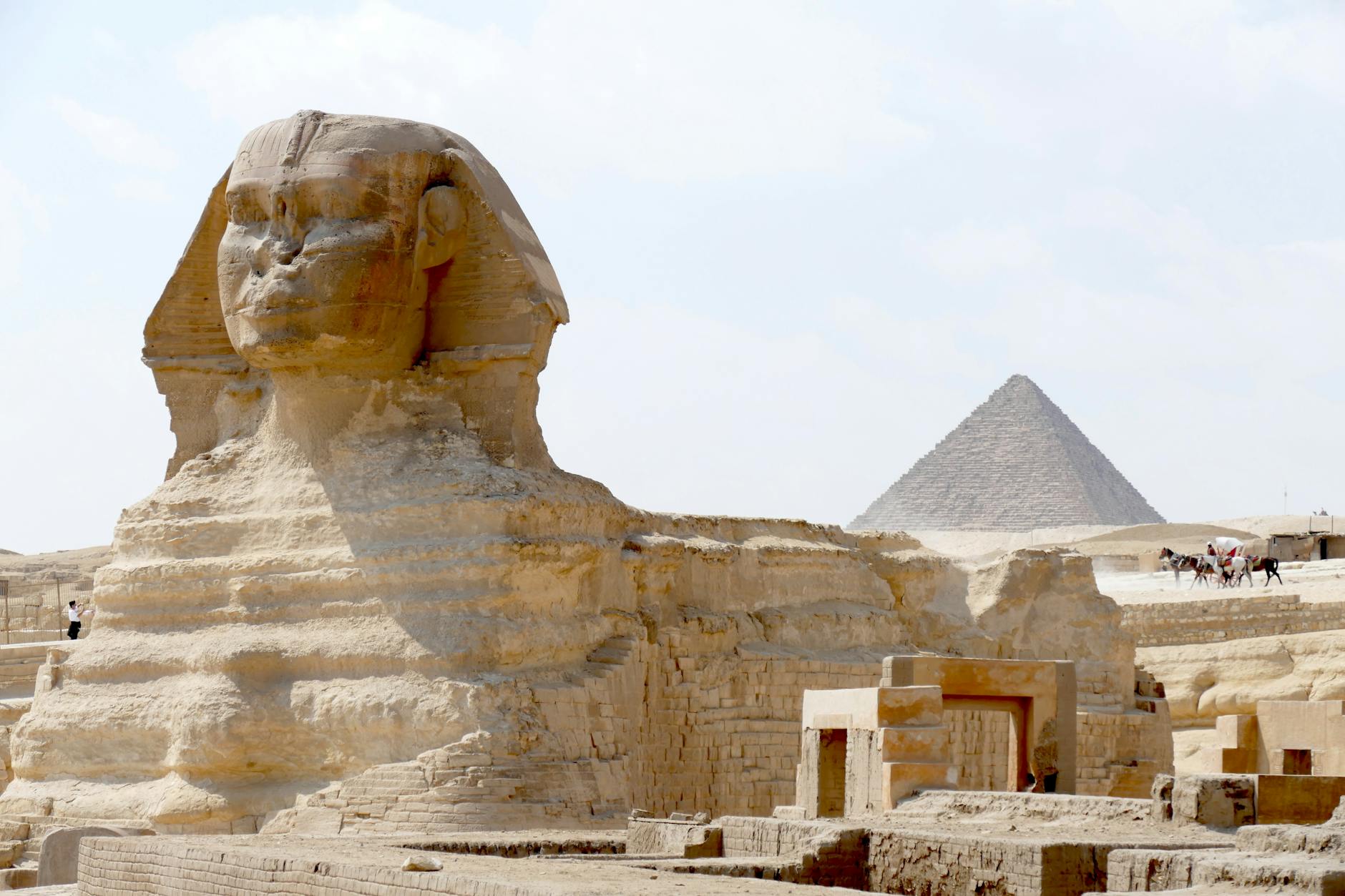
The Great Sphinx crouches directly east of the pyramids, carved from a single limestone outcrop. Local guides recommend combining a site visit with the Sound and Light Show held on certain evenings for a different perspective.
Camel rides and horse tours are available directly at the entrance, though prices vary widely. Negotiating in advance avoids most of the friction that travelers mention in visitor reviews.
Egyptian Museum of Cairo
The Egyptian Museum of Tahrir Square houses the largest collection of ancient Egyptian artifacts in existence, with over 120,000 objects across two floors. The building itself dates to 1902, and its slightly chaotic layout adds to its charm.
The Tutankhamun galleries alone justify a full morning. The golden death mask of Tutankhamun, weighing 10.23 kilograms of solid gold, remains one of the most recognizable objects in archaeological history.
Visitor reviews consistently note that the museum benefits from a guided tour, as the sheer number of artifacts can overwhelm without context. Audio guides are available at the entrance desk.
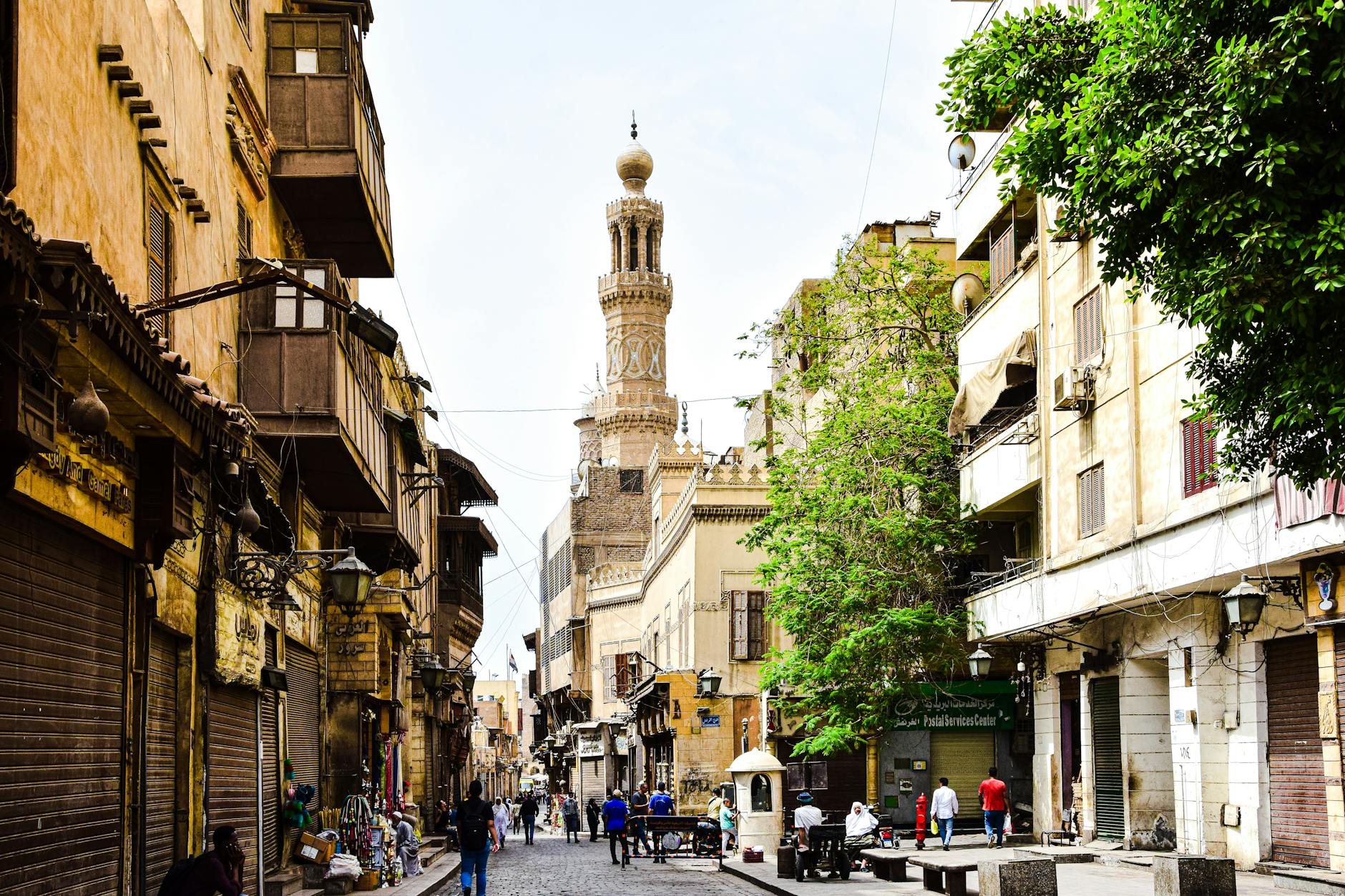
A new facility, the Grand Egyptian Museum near Giza, has been gradually opening its galleries and will eventually house the full Tutankhamun collection. Both museums are worth visiting if time allows.
Khan el-Khalili Bazaar
Khan el-Khalili is Cairo's great medieval market, established in 1382 and still functioning as a daily commercial hub. The lanes here sell everything from hand-hammered copper lamps to cheap souvenirs and freshly ground spices.
The market sits within the heart of Islamic Cairo, flanked by the Al-Hussein Mosque and the narrow streets of the Muski district. Simply walking through without buying anything remains a worthwhile experience.
Local guides recommend arriving in the late afternoon, when light filters through the wooden lattice screens and the crowds thin slightly. The surrounding coffeehouses, some operating since the 18th century, serve strong mint tea and shisha.
Bargaining is standard practice here. Starting at roughly half the quoted price is considered normal and expected by vendors, particularly in the tourist-facing sections of the market.
Saladin Citadel
The Saladin Citadel dominates Cairo's skyline from its hilltop position above the city, built by the legendary military leader Salah ad-Din in 1176. The fortification served as the seat of Egyptian government for nearly 700 years.
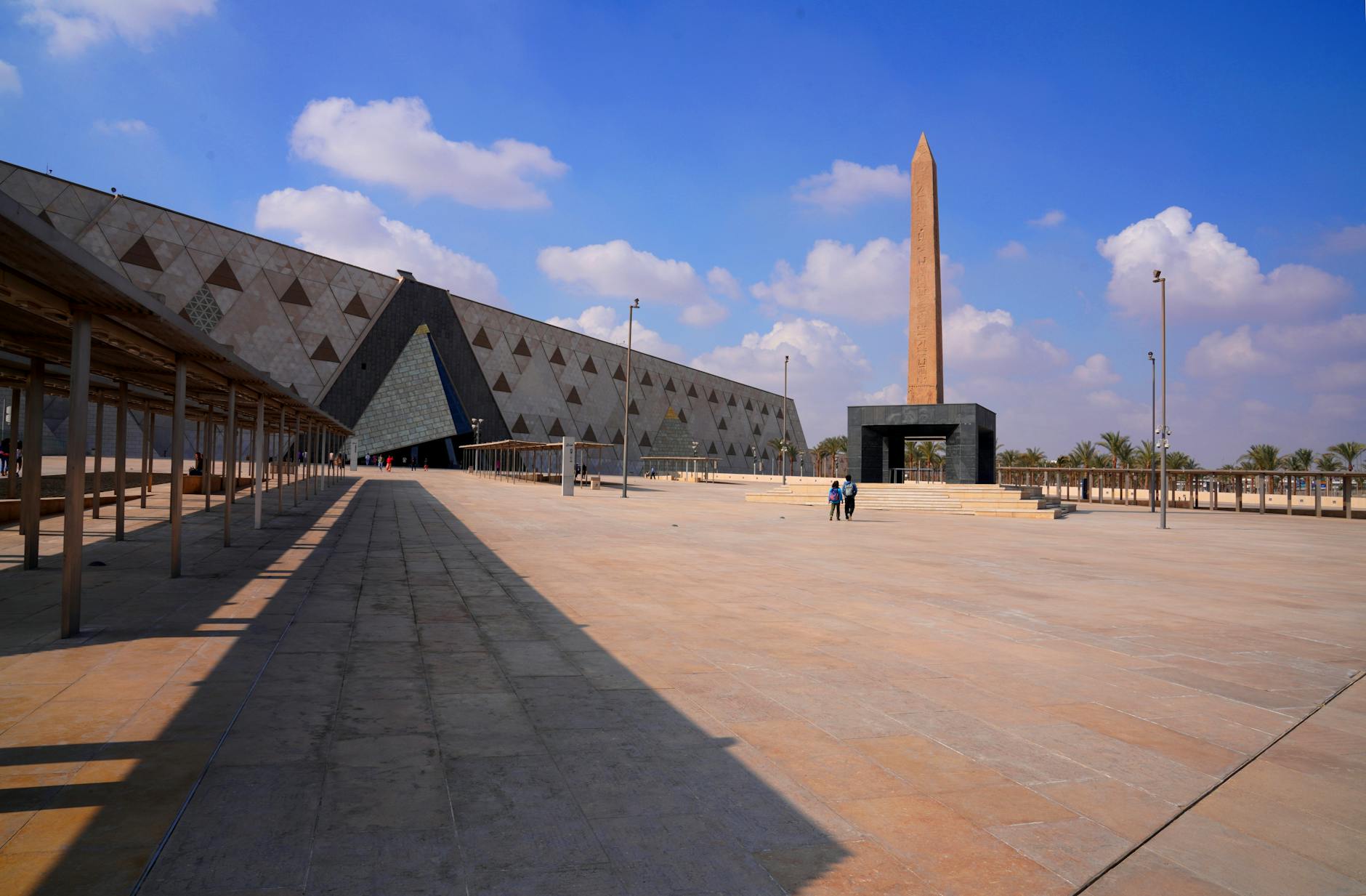
Inside the complex stands the Mosque of Muhammad Ali, an Ottoman-style building with twin minarets and an alabaster-clad interior that glows under natural light. It is visible from nearly every rooftop in central Cairo.
The citadel also contains several smaller museums covering military history, police history, and carriages from the royal era. Travelers note that views over the city from the northern terrace are among the finest in Cairo.
Reaching the citadel by taxi is straightforward. Walking up from the medieval neighborhoods below, through the tentmakers' market on Sharia al-Khayamiyya, turns the journey into a longer but rewarding detour.
Food and Local Cuisine in Cairo
Cairo's food culture is deeply rooted in everyday life, built around cheap, filling dishes that have fed the city for generations. The street food here is genuinely good, not a tourist concession.
Ful medames, a slow-cooked fava bean stew dressed with olive oil and cumin, is the classic Egyptian breakfast. Sold from copper pots on wheeled carts throughout the morning, it costs almost nothing and keeps hunger at bay for hours.
Koshari is Cairo's signature comfort food: a layered bowl of rice, lentils, pasta, crispy onions, and spiced tomato sauce. Dedicated koshari restaurants, some serving nothing else, operate at remarkable speed and low prices.
Grilled meats, particularly kofta and hawawshi (spiced minced meat inside crispy bread), appear at casual restaurants across the city. The district around Zamalek Island has a concentration of mid-range restaurants with Nile views.
For dessert, om ali is a warm Egyptian bread pudding with cream, nuts, and raisins, baked until golden. Visitor reviews frequently name it as one of the most memorable food discoveries in the country.
Egypt's national drink is strong black tea, sweetened heavily and served in small glasses. Mint tea and karkadeh (hibiscus iced tea) are popular alternatives available at cafes throughout the city.
Getting to Cairo and Getting Around
Getting There
Cairo International Airport is the busiest in Africa, with direct flights connecting to most major European cities. Flight time from Paris or London runs approximately four to five hours, with multiple airlines competing on the route.
EgyptAir operates the most extensive network within the region, while budget carriers including Ryanair and Vueling serve Cairo seasonally from several European hubs. Booking two to three months in advance typically secures the best fares.
Overland entry is possible from Jordan via the Aqaba-Nuweiba ferry and Sinai crossing, or from Sudan via land. Both routes are used by long-distance travelers but require more planning and additional time.
Getting Around
The Cairo Metro is the fastest and cheapest way to move across the city, with three lines covering central districts and connecting several major landmarks. Tickets cost a few Egyptian pounds per journey regardless of distance.
Ride-hailing apps, particularly Uber and the local Careem platform, work reliably throughout Cairo and remove the need to negotiate taxi fares. Drivers are generally familiar with tourist destinations and English communication is often manageable.
For the Giza plateau specifically, most travelers take a taxi or arrange a tour. The road between central Cairo and the pyramids is served by private transport more easily than public transit.
Budget and Practical Tips
How Much to Budget for Cairo
Cairo sits comfortably in the moderate budget category for international travelers. Accommodation ranges from well-priced guesthouses near Tahrir Square to international chain hotels along the Nile Corniche.
Entrance to the Giza pyramid complex costs around 450 Egyptian pounds for the standard ticket, with additional fees for entering individual pyramids. The Egyptian Museum charges a separate admission.
Street food and local restaurants keep daily food costs very low. A full koshari meal costs under €1 at most dedicated spots. Budget travelers report managing full days on €20 to €30 including food, transport, and one major site.
Mid-range travelers spending €60 to €80 per day can combine comfortable hotels, guided tours, and restaurant dinners without stretching. Tipping is part of the local economy and expected at most service interactions.
Best Time to Visit: October to April
The October to April window is consistently recommended by experienced Cairo visitors. Daytime temperatures between 18°C and 25°C make walking between outdoor sites genuinely pleasant rather than exhausting.
December and January are peak months, bringing more international tourists and slightly higher hotel rates around the pyramids and museum district. Booking accommodation in advance during this period avoids disappointment.
March and April bring occasional sandstorms known locally as khamsin. They are temporary and unpredictable, but travelers visiting in spring should pack a light scarf for face protection during dusty conditions.
Frequently Asked Questions about Cairo
Similar Destinations
Marrakech
In Marrakech, Morocco, the UNESCO-listed Jemaa el-Fna Square crackles with storytellers, street food and…
DiscoverParis
In Paris, France, the Eiffel Tower sparks twilight strolls, the Louvre Museum pulls art lovers into vast…
DiscoverBarcelona
Barcelona, Spain's most visually daring city, pulls travelers between Gaudí's gravity-defying Sagrada…
Discover