Explore Mexico
1 destination to discover
Everything about Mexico
Traveling to Mexico means stepping into one of the world's most layered destinations — ancient pyramids, Caribbean coastlines, colonial cities, and a food culture recognized by UNESCO.
This country stretches nearly 2 million square kilometers, connecting North America to Central America with staggering geographic diversity.
From the jungles of the Yucatán to the highlands of Jalisco, Mexico rewards every kind of traveler willing to look beyond the resort pools.
Why travel to Mexico?
What sets Mexico apart from other destinations
Few countries pack this much contrast into a single border. Mexico holds 35 UNESCO World Heritage Sites, covering pre-Columbian ruins, colonial city centers, and biosphere reserves.
The sheer cultural depth is staggering — this is a country where Aztec and Maya civilizations built astronomical observatories centuries before European contact.
Add vivid street art, a world-class contemporary music scene, and artisan traditions passed down through generations, and Mexico becomes genuinely hard to categorize.
Mexico at a glance
Mexico covers 1,964,375 square kilometers, making it the 13th largest country in the world. Its population sits at roughly 130 million people, with the capital Mexico City home to over 21 million.
The country shares borders with the United States to the north and Guatemala and Belize to the south. Two coastlines — the Pacific and the Gulf of Mexico plus Caribbean — frame its dramatic geography.
The official language is Spanish, though over 60 indigenous languages remain actively spoken today.
Regions and cities to explore
The main regions of Mexico
The Yucatán Peninsula dominates most travel itineraries, and rightly so — turquoise cenotes, Maya ruins, and Caribbean beaches sit within easy driving distance of each other.
Central Mexico — the altiplano — holds the colonial heartland: silver-mining towns, baroque churches, and some of the country's most sophisticated food scenes.
The Pacific Coast runs from Baja California down through Oaxaca, offering surf towns, whale-watching bays, and a completely different rhythm from the Caribbean side.
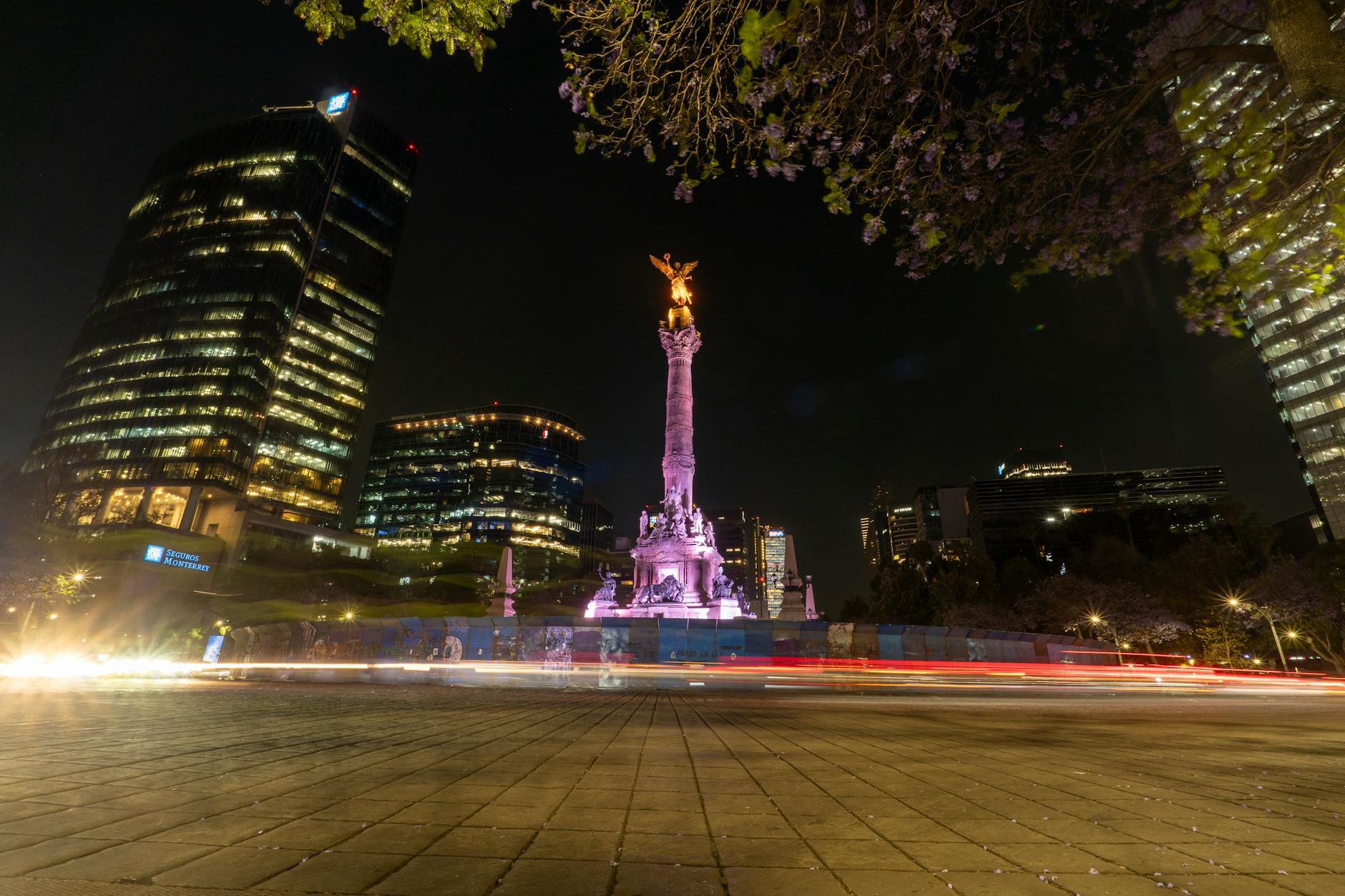
Northern Mexico is often overlooked by international visitors. The Copper Canyon alone covers a larger area than the Grand Canyon, and the desert landscapes of Chihuahua are genuinely spectacular.
Which cities should you visit?
Cancún serves as the main entry point for most international travelers, with the second-busiest airport in Mexico. It connects easily to the rest of the Yucatán region.
Guadalajara, Mexico's second city with 1.5 million residents, is the birthplace of mariachi and tequila — a city with serious cultural weight that still gets underestimated.
Guanajuato is a maze of colored houses, underground streets, and colonial architecture so concentrated that it feels almost theatrical. Visitor reviews consistently rank it among the most beautiful cities in Latin America.
Bacalar, built along a freshwater lagoon of seven distinct shades of blue, has shifted from quiet backpacker stop to one of the Yucatán's most talked-about destinations in recent years.
Holbox remains relatively car-free, with white sand streets and whale sharks passing through the surrounding waters between June and September.
Chichen Itza technically functions more as an archaeological site than a city, but the scale of the ruins — including El Castillo pyramid — demands a dedicated visit rather than a day trip.
Culture, traditions and way of life
Mexican culture runs on a schedule shaped by family, food, and festivals. Daily life in smaller towns still centers on the zócalo — the main plaza — where generations cross paths every evening.
Día de los Muertos, celebrated on November 1st and 2nd, is among the most visually striking cultural events anywhere in the world. It's a genuine community ritual, not a tourist performance.
Artisan traditions vary dramatically by region. Oaxaca is known for its black clay pottery and hand-woven textiles; Talavera ceramics come from Puebla; Huichol yarn art originates in the western Sierra Madre.
Music is everywhere and genre-specific by geography. Banda dominates Sinaloa, norteño fills northern border towns, and son jarocho belongs to Veracruz.
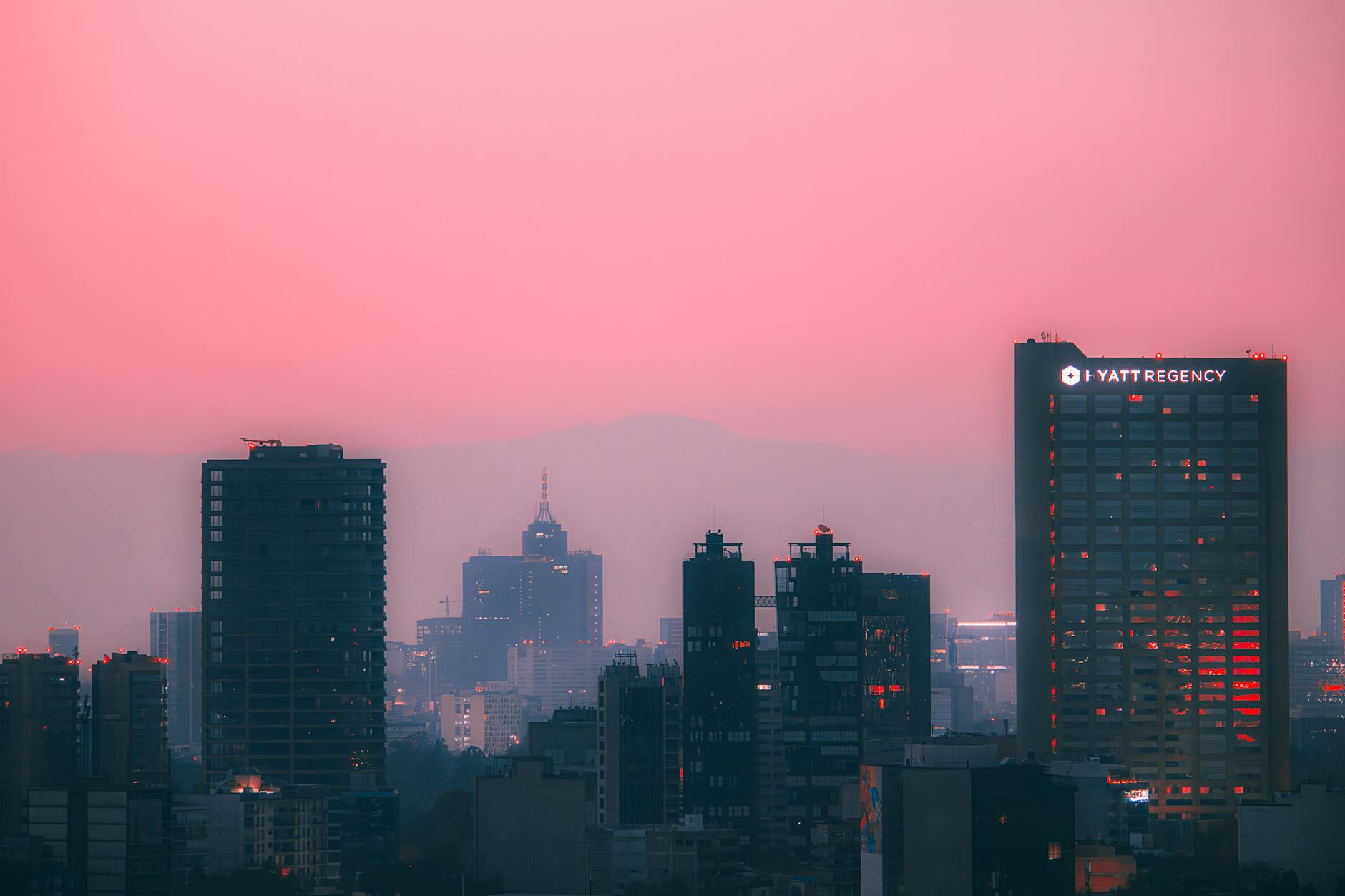
Local guides recommend attending a tianguis — a traditional open-air market — to understand how commerce, community, and cuisine intertwine in everyday Mexican life.
Religion shapes the calendar in visible ways. Catholic feast days, indigenous ceremonies, and syncretic celebrations blend together across the country's 31 states and one federal entity.
Food: the flavors of Mexico
Mexican cuisine earned its place on UNESCO's Intangible Cultural Heritage list in 2010 — the first national cuisine to receive that recognition. The cooking here is technically demanding and regionally specific.
Oaxacan mole negro uses up to 30 ingredients, including multiple dried chiles and chocolate, cooked for hours. It tastes nothing like the simplified versions found abroad.
Street food is where Mexico truly shines. Tacos al pastor, tlayudas, marquesitas, elotes — the variety changes block by block and city by city.
Seafood along both coasts reaches extraordinary quality. Ensenada's fish tacos have their own cult following, and ceviche prepared with fresh lime and habanero along the Yucatán coast is a completely different experience from any other version.
Drinks deserve attention too. Mezcal production is concentrated in Oaxaca, while tequila by law can only be produced in five specific Mexican states. Aguas frescas — fruit-based cold drinks — are the everyday refreshment across the country.
Budget travelers can eat exceptionally well. A full market lunch (comida corrida) typically costs between 60 and 120 pesos, including soup, a main dish, and a drink.
Practical information
Visa and entry requirements
Citizens of the United States, Canada, the European Union, the United Kingdom, and Australia do not require a visa to enter Mexico for tourism. Stays of up to 180 days are permitted.
All arrivals must complete a Forma Migratoria Múltiple (FMM), now processed digitally at most international airports. Keep the entry confirmation accessible throughout your stay.
A valid passport with at least six months of remaining validity is required. Entry can be denied if onward travel cannot be demonstrated.
Budget and cost of living
Mexico accommodates almost any budget. Backpackers can manage comfortably on 500–700 MXN per day (roughly 25–35 USD), covering a hostel bed, street food, and local transport.
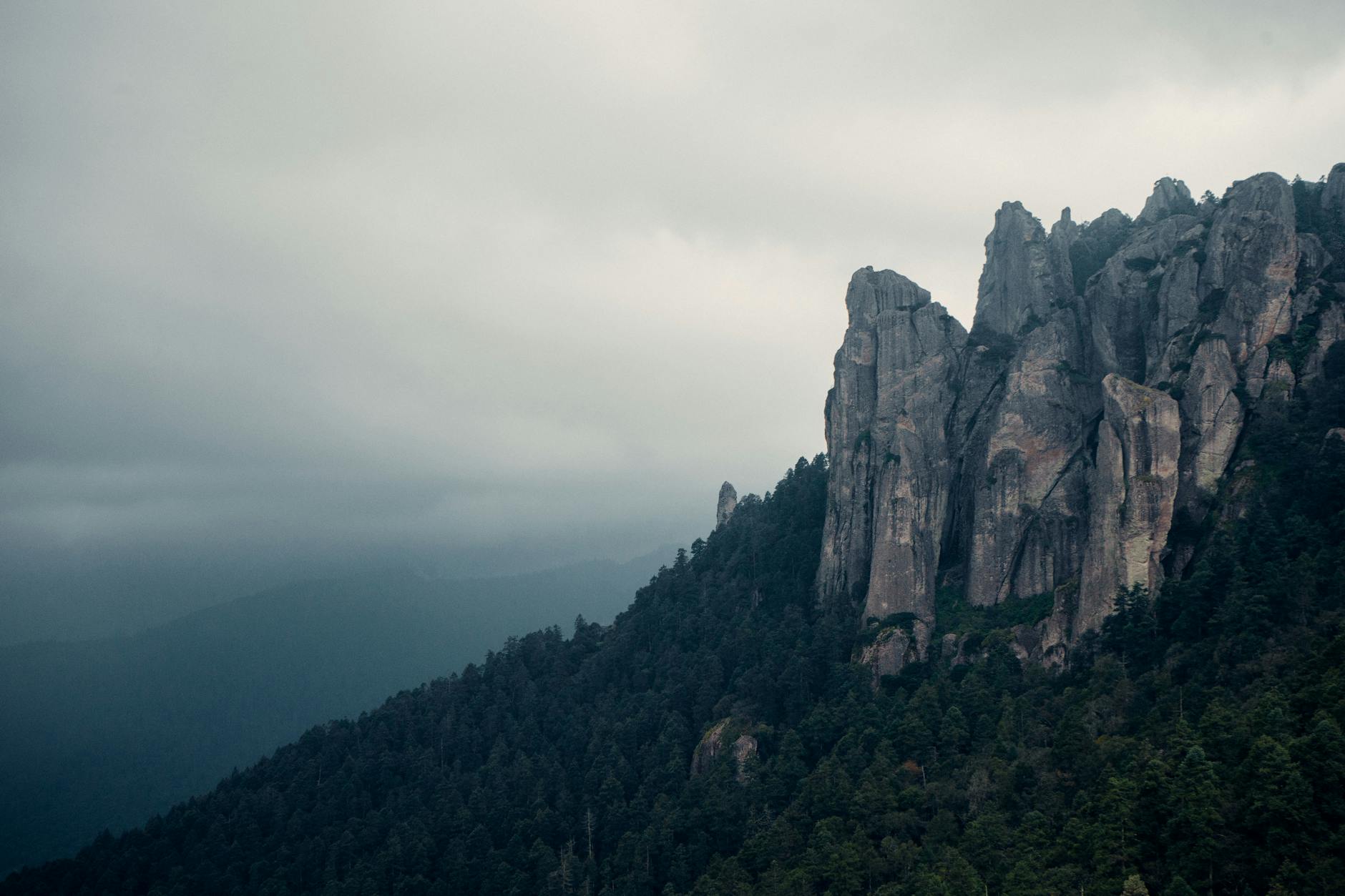
Mid-range travelers spending 1,500–2,500 MXN daily access boutique hotels, restaurant meals, and paid archaeological sites without significant compromise.
Luxury options in Los Cabos, Tulum, or Mexico City rival international five-star standards. The exchange rate consistently favors travelers arriving with USD or EUR.
Getting around
Mexico's ADO bus network connects major cities and Yucatán destinations with reliable, air-conditioned coaches. Long-distance buses are the preferred method for budget-conscious travelers covering regional routes.
Domestic flights are competitive — routes between Mexico City, Guadalajara, Cancún, and Oaxaca often cost under 1,000 MXN when booked in advance.
In cities, colectivos (shared minivans) and ride-hailing apps like Uber and InDriver provide affordable, practical daily transport.
When to visit Mexico?
Mexico's size means no single travel season suits the entire country. The climate varies so significantly between regions that timing depends entirely on where you plan to go.
The Yucatán Peninsula sees its driest and most comfortable weather between November and April. Hurricane season runs from June through October, with September carrying the highest risk.
Central Mexico — Mexico City, Guadalajara, Guanajuato — sits at altitude between 1,500 and 2,200 meters. Temperatures stay mild year-round, rarely exceeding 28°C or dropping below 5°C.
The Pacific Coast peaks between December and March, when whales migrate through Baja California waters and rainfall along the coast drops to near zero.
Travelers interested in cultural events should note that Día de los Muertos (late October to early November) and Semana Santa (Easter week) bring extraordinary celebrations but also significantly higher prices and crowds.
For those prioritizing whale shark encounters near Holbox or the Isla Mujeres area, June through September is the window — despite falling within the rainy season.
Frequently Asked Questions about Mexico
Similar Destinations
Explore more destinations in the same region of the world.
Los Angeles
Los Angeles, California's sprawling metropolis, pulls travelers from Hollywood Boulevard's Walk of Fame to…
DiscoverChicago
Chicago, Illinois, hits hard from the first glance: the Cloud Gate in Millennium Park, the Art Institute's…
DiscoverMiami
In Miami, United States, sunlit days roll from the Art Deco glamour of South Beach to salsa-scented streets…
Discover