Toronto

Everything about Toronto
Canada’s largest city can feel like several cities stitched into one skyline. Visiting Toronto means moving from glass towers to vintage shops, lakefront trails, brick warehouses, and food counters speaking dozens of languages.
The city rewards travelers who slow down between big sights. A morning above the clouds at the CN Tower can turn into dumplings in Chinatown, espresso in Little Italy, and jazz after dark.
Toronto is polished, diverse, and surprisingly easy to navigate. It also makes a strong base for one of Canada’s great side trips: the roar and mist of Niagara Falls.
Why visit Toronto?
Toronto is a premium city break with real range. It has landmark architecture, serious museums, lakeside neighborhoods, multicultural dining, major sports, and quick access to nature just beyond the urban edge.
It is also one of North America’s most international cities. More than 2.7 million people live in Toronto, and visitor reviews often point to its cultural variety as part of its appeal.
What makes Toronto unique
Toronto’s character sits in its neighborhoods. Downtown feels sleek and vertical, while Kensington Market, Queen West, the Annex, and Leslieville bring color, murals, independent boutiques, bakeries, and local bars.
The city’s waterfront gives it breathing room. Lake Ontario adds wide skies, ferry views, bike paths, and a sense of space that balances the towers of the financial district.
Local guides often describe Toronto as a city best understood block by block, not from a checklist alone.
Toronto at a glance
The best period for Toronto runs from May to October, when patios open, festivals fill the calendar, and lakefront walks are comfortable. Summer is lively, while September brings warm days and fewer crowds.
The estimated budget for Toronto is $$$, so plan for premium hotel rates, paid attractions, and dining that can climb quickly. Smart transit use and neighborhood meals help keep costs controlled.
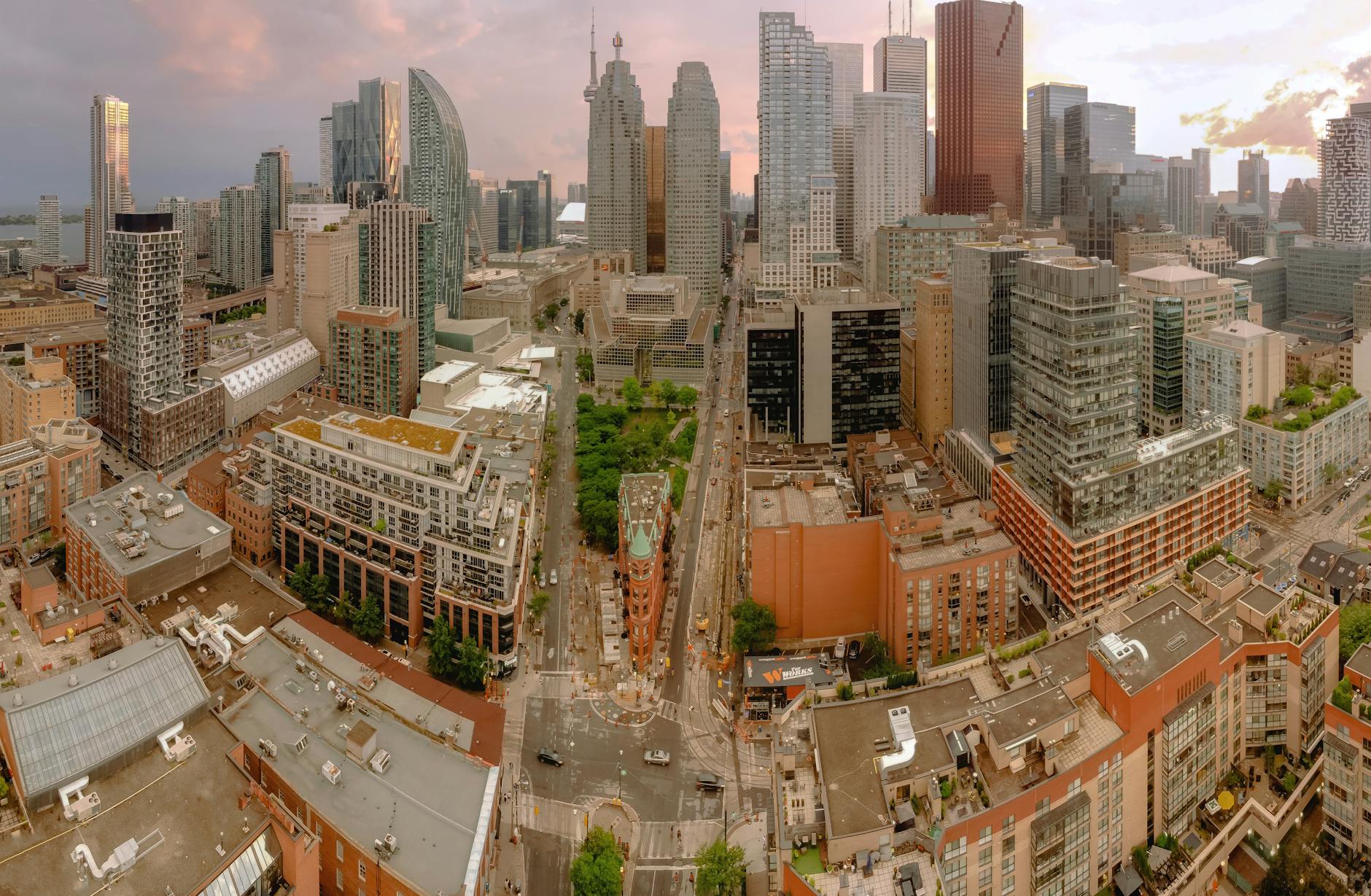
First-time visitors usually stay downtown, in the Entertainment District, Yorkville, or near Union Station. These areas make short work of the CN Tower, museums, ferries, restaurants, and subway links.
What to see and do in Toronto?
Toronto works well over three to five days. Spend one day around the waterfront and downtown landmarks, one day in markets and neighborhoods, and one day on a Niagara Falls excursion.
Leave room for unscheduled wandering. Some of the city’s best moments happen in side streets, food halls, bookshops, small galleries, and leafy residential corners near busy avenues.
CN Tower
The 553.3-meter CN Tower remains Toronto’s signature sight and one of the most recognizable towers in the world. The glass elevators rise fast, and the view opens across Lake Ontario and the city grid.
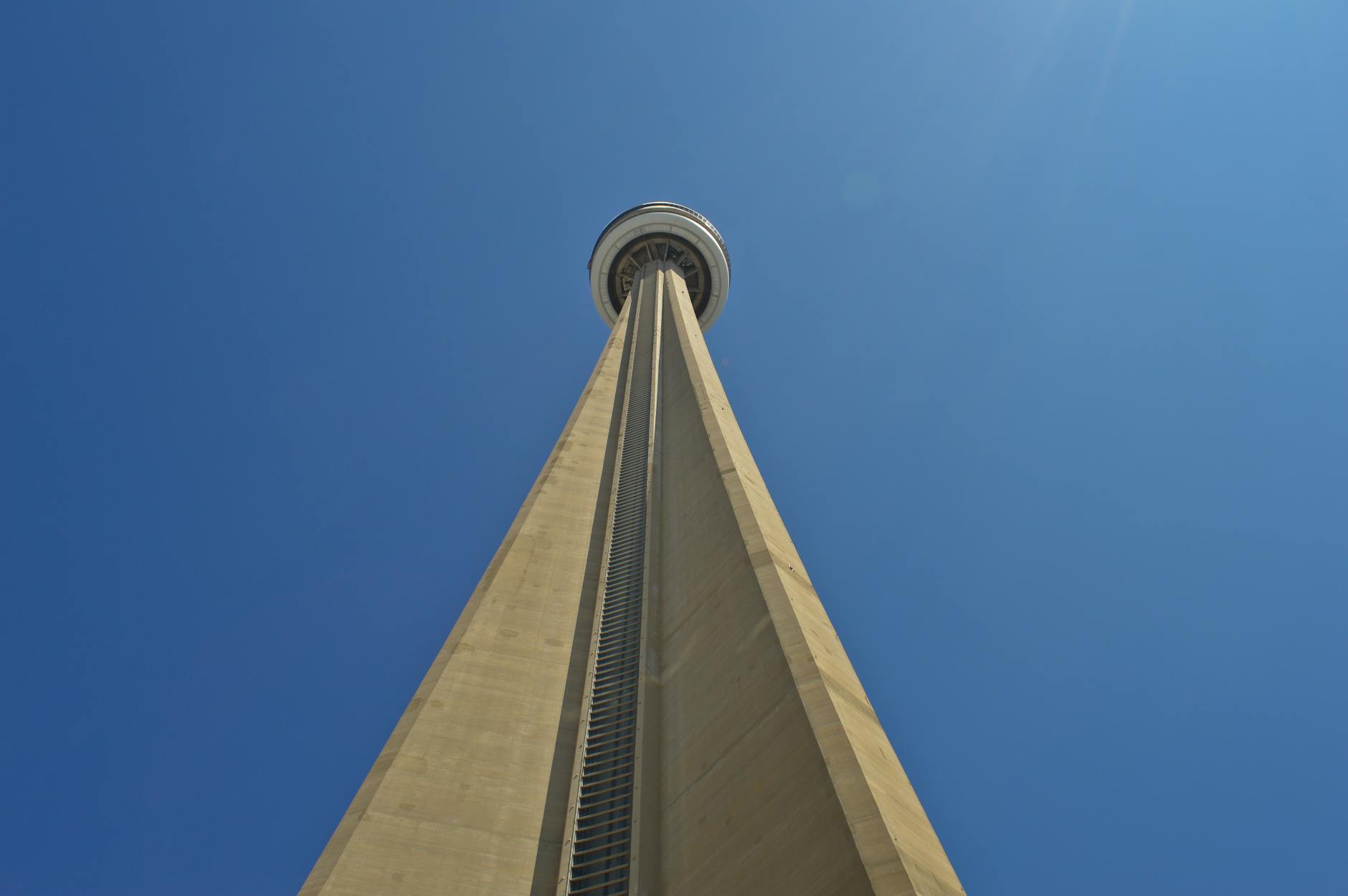
On clear days, travelers can see far beyond downtown, including the Toronto Islands and the curve of the shoreline. Sunset slots are popular because the skyline changes from silver to gold, then to neon.
The LookOut Level suits most visitors, while the Glass Floor adds a quick jolt for anyone who enjoys heights. EdgeWalk, a hands-free outdoor walk around the tower, is available for thrill seekers.
Book timed tickets in advance during summer weekends. Combine the visit with Ripley’s Aquarium, the Rogers Centre exterior, and a walk along Bremner Boulevard for an easy half-day downtown route.
Kensington Market
The streets of Kensington Market show Toronto at its most layered. Victorian houses hold vintage stores, spice shops, cafés, taco counters, bakeries, record shops, grocers, and murals that change from lane to lane.
This is not a polished shopping district, and that is the point. The market feels lived-in, creative, noisy, and deeply local, with aromas shifting from jerk chicken to empanadas and fresh bagels.
Pedestrian Sundays, when scheduled, bring performers and a street-party mood. Even on regular days, the area rewards slow browsing and spontaneous snacking.
Pair Kensington with nearby Chinatown for a fuller walk. Spadina Avenue has dumpling houses, barbecue windows, bubble tea shops, herbal stores, and late-night restaurants that stay busy after office districts go quiet.
Distillery District
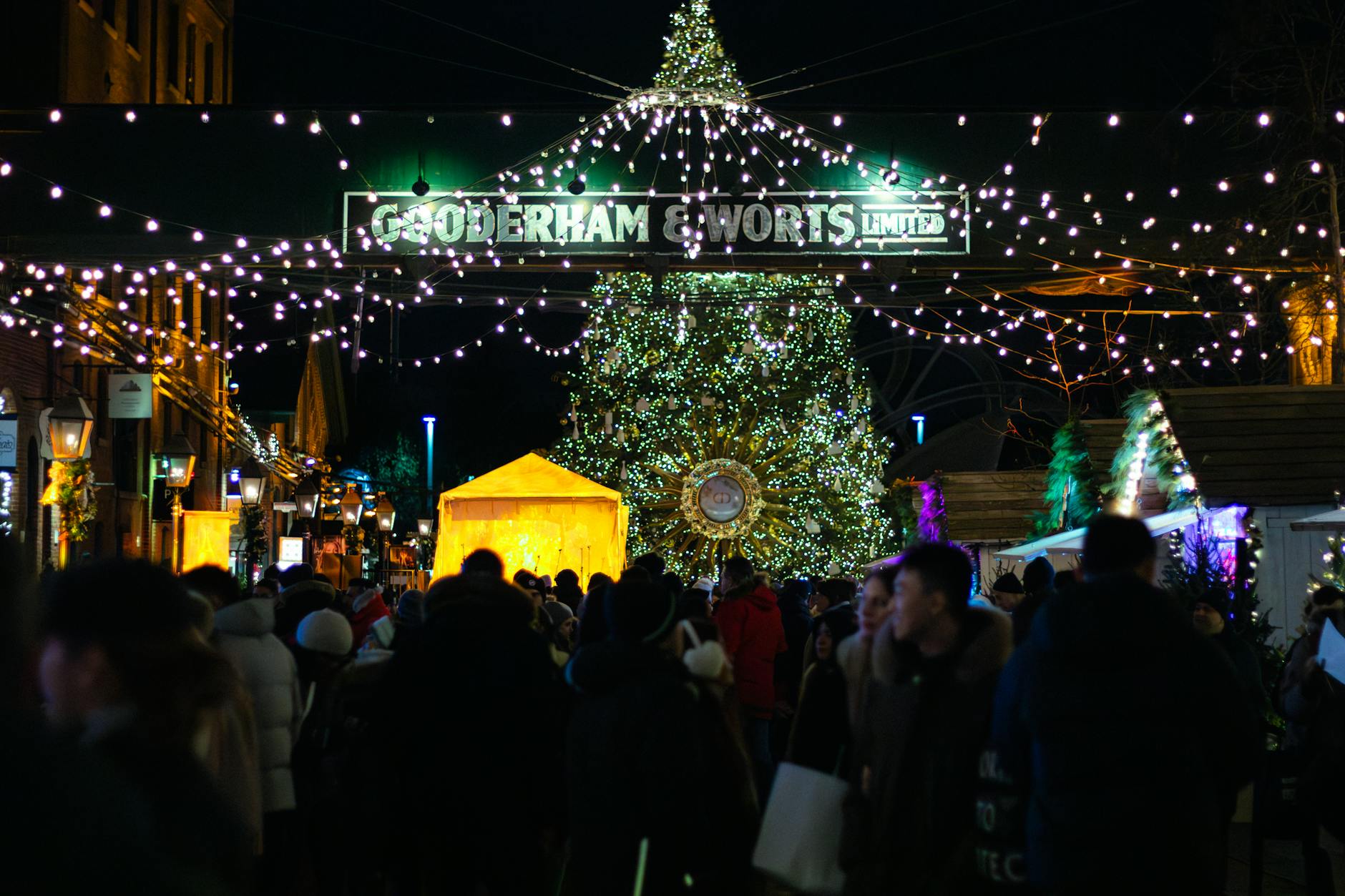
The historic Distillery District is one of Toronto’s most atmospheric areas, built around red-brick Victorian industrial buildings from the former Gooderham and Worts distillery complex. Cobblestone lanes make it feel separate from downtown traffic.
Today, the district hosts galleries, design shops, cafés, restaurants, bakeries, and public art. It is compact, photogenic, and easy to explore without a strict plan.
Travelers note that the mood changes by season. Summer brings patios and golden light on brick walls, while the winter holiday market fills the area with stalls, lights, music, and crowds.
Go earlier in the day for quieter photos, then stay into evening for dinner. The area sits east of downtown, with streetcar and rideshare access from Union Station and the waterfront.
Niagara Falls (excursion)
The Niagara Falls excursion from Toronto is the classic day trip, usually taking around 90 minutes to two hours each way by car, depending on traffic. Tours simplify logistics, especially for first-time visitors.
The Canadian side gives wide views of Horseshoe Falls, the most powerful section of the falls. Mist rises constantly, and the sound grows louder near the railing at Table Rock.
Popular add-ons include the boat cruise, Journey Behind the Falls, and a stop in Niagara-on-the-Lake. Wine lovers often add a tasting in the Niagara Peninsula, known for icewine and cool-climate varietals.
Start early if traveling independently. Summer weekends can be busy, and parking near the falls is often expensive, so pre-booking transport or joining a small-group tour can save time.
Food & local cuisine in Toronto
Toronto’s food scene is one of its strongest reasons to visit. The city’s kitchens reflect Caribbean, Chinese, Korean, Italian, Portuguese, Ethiopian, South Asian, Middle Eastern, and Canadian influences.
The St. Lawrence Market food hall is a good place to start. Many visitors try a peameal bacon sandwich, a Toronto staple tied to the city’s market history and working-port past.
Kensington Market is better for grazing. Expect Jamaican patties, tacos, arepas, falafel, sourdough, vegan plates, and strong coffee within a few blocks.
For Chinese food, explore Chinatown, Scarborough, or North York, depending on time and appetite. Dumplings, hand-pulled noodles, dim sum, and hot pot are all part of the wider Toronto table.
Little Italy and Little Portugal bring bakeries, trattorias, wine bars, custard tarts, and late-night patios. Greektown on the Danforth is another strong dinner area, especially for grilled meats and meze.
Fine dining is also part of the city’s premium profile. Tasting menus, chef-led counters, and rooftop restaurants book up quickly, particularly from June through September.
Local guides recommend reserving for weekend dinners and staying flexible at lunch. Some of the best meals come from modest counters, not formal dining rooms.
Getting to Toronto and getting around
Toronto is well connected by air, rail, and road. Most international travelers arrive through Toronto Pearson International Airport, while Billy Bishop Toronto City Airport handles many regional and short-haul flights near downtown.
The city’s size can surprise first-time visitors. Distances look short on a map, but traffic, construction, and lakefront geography can slow down journeys at peak times.
Getting there
Toronto Pearson International Airport sits about 25 kilometers northwest of downtown. The UP Express train connects Pearson with Union Station in about 25 minutes, making it one of the easiest airport transfers in Canada.
Union Station is the main rail hub, with VIA Rail, GO Transit, subway links, and streetcars nearby. Drivers arriving from nearby cities should expect congestion on the Gardiner Expressway and the 401.
Travelers coming from the United States often connect through Pearson or arrive by road from Buffalo, Detroit, or New York State. Border wait times vary, so build in extra time.
Getting around
The TTC public transit network includes subway lines, streetcars, and buses. It covers the main visitor areas well, especially downtown, the waterfront, Bloor Street, and neighborhoods east and west of the core.
Use contactless payment or a PRESTO card for straightforward fares. Streetcars are useful but can be slow, so subway routes often work better for longer cross-city trips.
Walking is pleasant in compact areas such as downtown, Kensington Market, Yorkville, and the Distillery District. Bike Share Toronto is handy for lakefront paths when the weather cooperates.
Taxis and rideshares fill gaps late at night or during poor weather. Avoid relying on a car downtown unless the itinerary includes outer neighborhoods or a Niagara Falls side trip.
Budget & practical tips
Toronto sits firmly in the $$$ premium category. Hotels, attraction tickets, cocktails, and restaurant tabs can add up fast, especially during summer festivals, major sports weekends, and conference periods.
Book accommodation early for stays between May and October. Rooms near Union Station, the waterfront, or the Entertainment District cost more, but they can reduce transit time and late-night rideshares.
How much to budget for Toronto
A mid-range daily budget in Toronto often starts around CAD 220 to CAD 350 per person, excluding flights. This assumes a good hotel deal, transit use, casual meals, and one paid attraction.
Premium travelers should expect CAD 400 or more per person per day with central hotels, cocktails, fine dining, museums, tower tickets, and private or small-group excursions.
To save money, use transit from the airport, eat some meals in markets, and group attractions by area. City passes can make sense if several major sights are already planned.
Tipping is standard in restaurants, bars, taxis, and guided tours. In sit-down restaurants, many travelers tip around 15 to 20 percent before tax, depending on service and local custom.
Best time to visit: May to October
The May to October travel season brings Toronto’s best outdoor rhythm. Parks green up in May, patios fill in June, and July and August bring festivals, concerts, lake days, and long evenings.
September is especially attractive, with warm weather, strong dining energy, and the Toronto International Film Festival drawing global attention. October adds fall color in ravines and along residential streets.
Pack layers even in warm months. Lake Ontario can make evenings cooler than expected, while summer afternoons may feel humid, particularly in July and August.
For fewer crowds, aim for late May, early June, or midweek September dates. For maximum event energy, summer weekends deliver the busiest and most social version of the city.
Frequently Asked Questions about Toronto
Similar Destinations
New York
New York, United States, hits hard from the first glance: the Statue of Liberty rising over the harbor…
DiscoverMexico City
Mexico City, Mexico's sprawling capital, pulls travelers in with ancient Aztec ruins beneath the Zócalo…
DiscoverMiami
In Miami, United States, sunlit days roll from the Art Deco glamour of South Beach to salsa-scented streets…
Discover