Explore Malaysia
1 destination to discover
Everything about Malaysia
Traveling to Malaysia means stepping into one of Southeast Asia's most genuinely layered countries — where colonial shophouses sit beside rainforest trails, and a plate of nasi lemak costs less than a cup of coffee back home.
Few countries pack this much variety into a single trip. Peninsular Malaysia reaches south toward Singapore, while East Malaysia sprawls across the northern edge of Borneo — two very different worlds under one flag.
The country draws around 26 million visitors in a typical year. Most leave wishing they had booked longer.
Why travel to Malaysia?
What sets Malaysia apart from other destinations
Malaysia runs on three major ethnic communities — Malay, Chinese, and Indian — living side by side in a way that shapes every street corner, every temple, every meal.
That cultural layering is visible everywhere. A single block in George Town can hold a Chinese clan house, a Tamil Hindu temple, and a colonial British post office.
Then there's the sheer geographic range: ancient rainforest older than the Amazon, coral islands, highland tea plantations, and modern skylines all within a few hours of each other.
Malaysia at a glance
Malaysia covers approximately 330,000 square kilometers and is home to around 33 million people. The country splits into two main landmasses: Peninsular Malaysia and the Borneo states of Sabah and Sarawak.
The capital, Kuala Lumpur, is a full-throttle metropolis of 1.8 million residents — though the wider Klang Valley region holds closer to 8 million.
English is widely spoken in cities and tourist areas, making navigation far easier than in many neighboring countries.
Regions and cities to explore
The main regions of Malaysia
Peninsular Malaysia is where most first-time visitors start. The west coast holds the major cities; the east coast has quieter beaches and islands like the Perhentians.
The Cameron Highlands rise to about 1,500 meters above sea level — a cool green escape of tea estates and mossy forest walks, a sharp contrast to the coastal heat.
Sabah, on northern Borneo, centers on Kota Kinabalu and draws wildlife lovers with orangutans, pygmy elephants, and Mount Kinabalu, which stands at 4,095 meters — the highest peak in Southeast Asia.
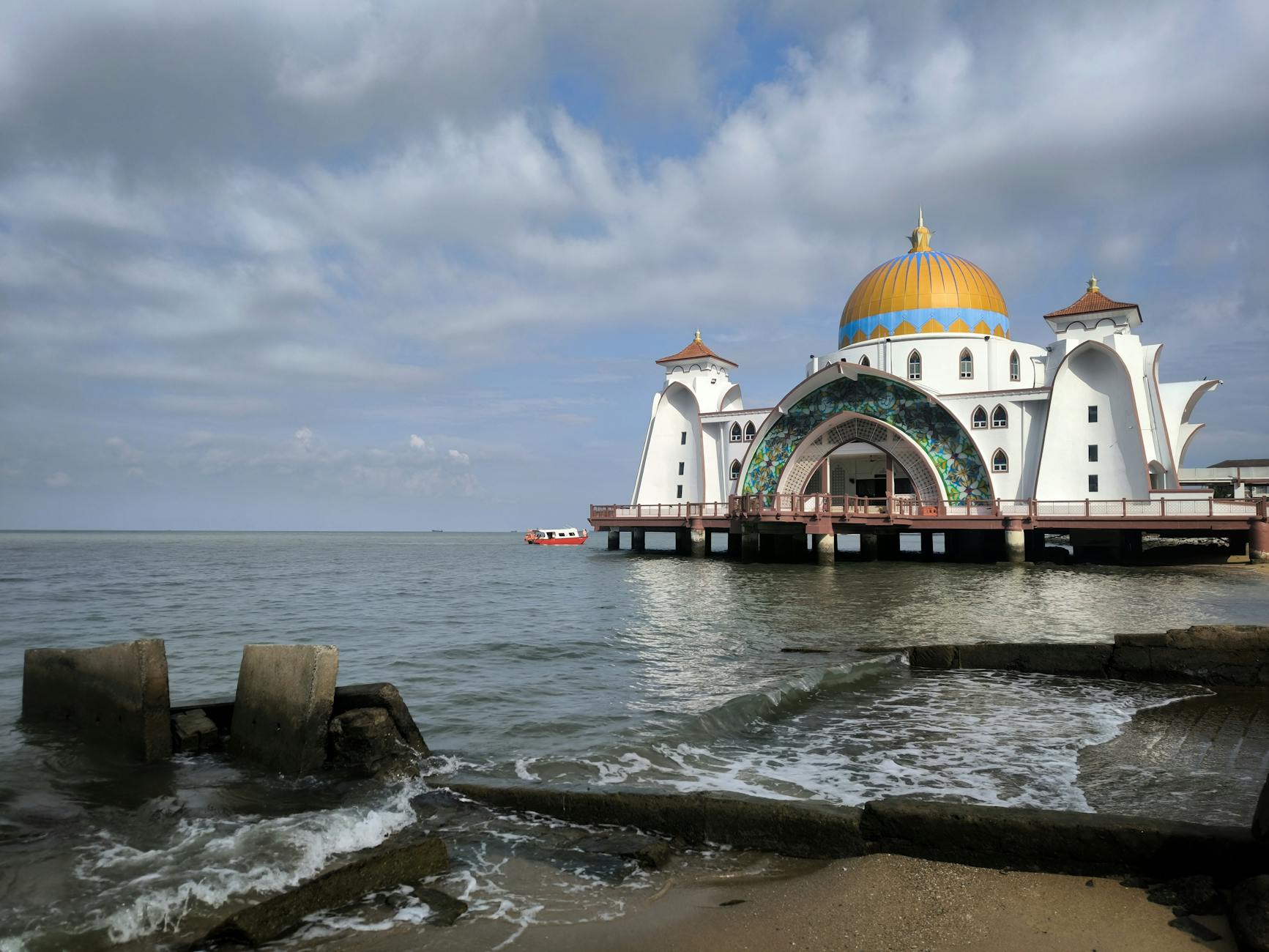
Sarawak is the larger Borneo state, dominated by river systems and longhouse communities. It moves at a slower pace, and that's exactly the appeal. Kuching anchors the region with genuine charm.
Which cities should you visit?
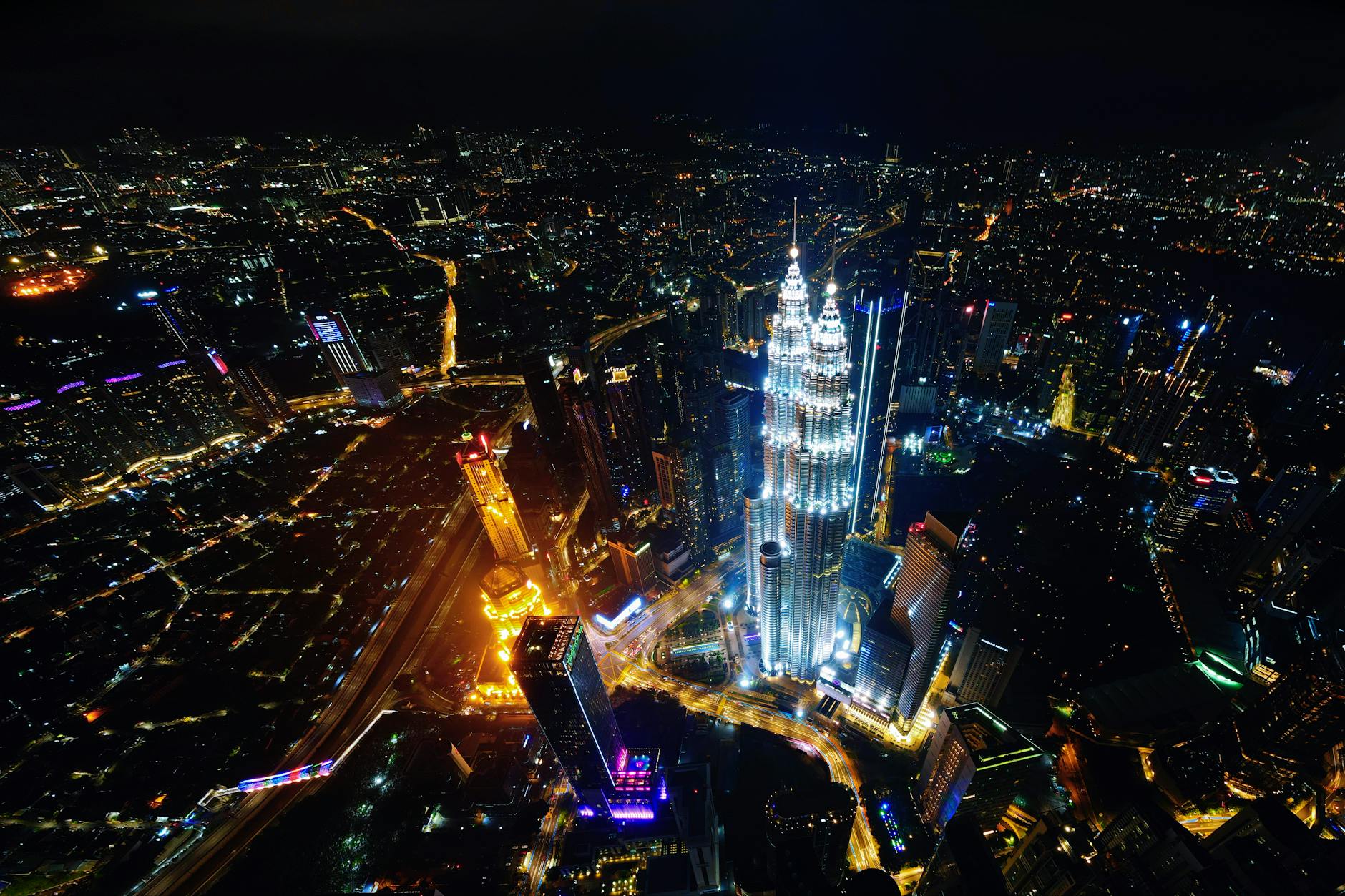
Kuala Lumpur is the obvious starting point: the Petronas Towers, Batu Caves, Chinatown's Petaling Street, and a street food scene that runs until 2 a.m.
Ipoh is having a genuine moment. This old tin-mining city in Perak has stunning colonial architecture, excellent white coffee, and a relaxed rhythm that Kuala Lumpur can't match.
Malacca — listed as a UNESCO World Heritage city — layers Portuguese, Dutch, and British history onto a compact riverside town that rewards slow walking.
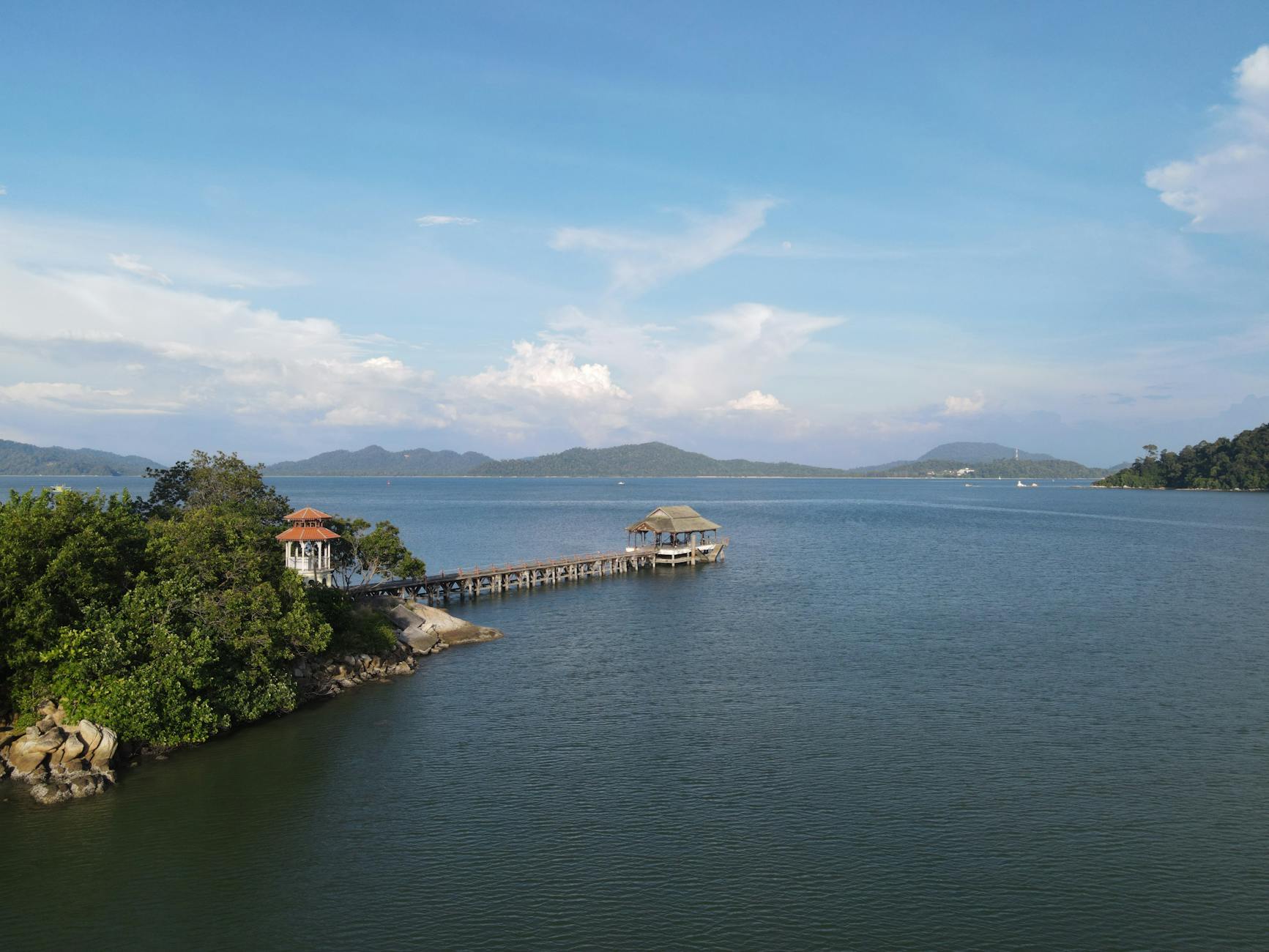
Langkawi trades on its duty-free status and island scenery. Cable cars, mangrove kayaking, and Pantai Cenang beach keep visitors busy for days.
Kota Kinabalu is the gateway to Sabah's national parks and offshore islands. Sunsets over the South China Sea from the waterfront are genuinely hard to forget.
Kuching punches above its size with excellent museums, independent cafés, and easy access to Bako National Park, where proboscis monkeys are almost guaranteed.
Culture, traditions and way of life
Malaysia is officially a Muslim-majority country, with Islam shaping daily rhythms — the call to prayer echoes through cities five times a day, and Friday afternoons slow noticeably in many areas.
But the country's multicultural DNA means Hindu festivals like Thaipusam, Chinese New Year, and Hari Raya are all public celebrations, not minority events. Visitor reviews consistently describe the festive calendar as one of Malaysia's great surprises.
Dress modestly when entering mosques or rural areas. Removing shoes before entering homes and places of worship is expected, not optional.
Local guides recommend spending time in traditional kampung (villages) to understand the quieter, agricultural side of Malay life — a stark shift from the cities.
Batik fabric, shadow puppetry (wayang kulit), and the dikir barat choral tradition are among the art forms still actively practiced, especially in Kelantan on the east coast.
Respect goes both ways here. Locals are generally warm to visitors who show basic cultural awareness — a simple greeting in Malay, selamat pagi (good morning), tends to land well.
Food: the flavors of Malaysia
Malaysian food is arguably the country's greatest draw. Travelers note that eating well here costs almost nothing — a hawker meal rarely exceeds 8–15 MYR (roughly $1.80–$3.50 USD).
Nasi lemak — rice cooked in coconut milk, served with sambal, anchovies, peanuts, and a boiled egg — is the unofficial national dish. It's eaten at breakfast, lunch, and dinner without apology.
Char kway teow from Penang, laksa in its many regional variations, and roti canai at a mamak stall are the dishes local guides consistently recommend trying first.
Ipoh is worth a detour purely for its food: nga choi gai (chicken with bean sprouts) and silky smooth white coffee from century-old coffee houses have earned the city genuine culinary fame.
Sarawak has its own distinct food culture. Sarawak laksa — a sour, spicy coconut broth with vermicelli — is fiercely defended by locals as superior to all other versions.
Malaysia's diversity means dietary needs are well accommodated. Halal food is ubiquitous, vegetarian Indian options are easy to find, and Chinese Buddhist restaurants serve meat-free menus across the country.
Practical information
Visa and entry requirements
Citizens of most Western countries — including the US, UK, Australia, and EU nations — receive visa-free entry for 90 days. No advance application required.
Passport validity of at least six months beyond the travel date is required. Entry is through designated immigration checkpoints at airports in Kuala Lumpur (KLIA and KLIA2), Penang, Kota Kinabalu, and Kuching.
Travelers entering Sabah or Sarawak from Peninsular Malaysia go through a separate immigration check — these states control their own entry even for Malaysian citizens. Keep your passport accessible.
Budget and cost of living
Malaysia suits a wide range of budgets. Budget travelers can manage comfortably on 100–150 MYR per day (around $22–$33 USD), covering a hostel dorm, hawker meals, and local transport.
Mid-range travelers spending 300–500 MYR per day unlock good three-star hotels, sit-down restaurants, and the occasional tour. Luxury resorts in Langkawi or Kuala Lumpur push into international pricing territory.
ATMs are widely available in cities. Credit cards are accepted in malls and hotels, but cash is king at markets and hawker stalls. The currency is the Malaysian Ringgit (MYR).
Getting around
Kuala Lumpur has a solid metro network — the LRT, MRT, and KTM Komuter lines connect most tourist areas efficiently. Single fares rarely exceed 5 MYR.
Between cities, buses are cheap and frequent. The express bus network links Kuala Lumpur to Ipoh (2 hours), Malacca (2 hours), and the Thai border. Trains are slower but scenic.
Flights between Peninsular Malaysia and Borneo are necessary — and short. AirAsia connects KL to Kota Kinabalu and Kuching for as little as 80–200 MYR booked in advance.
When to visit Malaysia?
Malaysia sits just north of the equator, which means warm and humid year-round — temperatures hover between 26°C and 35°C in lowland areas regardless of the month.
The key variable is rain. The west coast of Peninsular Malaysia (Kuala Lumpur, Penang, Langkawi) is driest from November to February — that's peak season for a reason.
The east coast flips the calendar: it gets hammered by the northeast monsoon from November to March, closing some island resorts entirely. Plan east coast beach trips between March and October.
Sabah and Sarawak have their own patterns. March to October is generally drier and better for trekking Mount Kinabalu or exploring Mulu's caves.
Local guides recommend avoiding school holiday periods — late May, August, and December — when domestic travel surges and hotel prices climb noticeably.
There's no perfect month for all of Malaysia simultaneously. The smarter approach: choose a region, check its seasonal pattern, and plan around that specific window.
Frequently Asked Questions about Malaysia
Similar Destinations
Explore more destinations in the same region of the world.
Bangkok
Bangkok, Thailand pulls travelers between gilded temples and buzzing canal markets — from the grandeur of the…
DiscoverBali
Bali, Indonesia, draws travelers with dramatic sea temples like Tanah Lot, the emerald terraced rice fields…
DiscoverSingapore
Singapore, the dazzling city-state of Southeast Asia, stuns visitors with the soaring towers of Marina Bay…
Discover