Hong Kong

Everything about Hong Kong
What if one city could hold a century of British colonial history, neon-lit temple markets, and some of the world's most dramatic skyline views, all at once? Visiting Hong Kong means stepping into a place that defies easy categories.
This is a city of genuine contrasts. Gleaming finance towers rise directly behind incense-filled ancestral halls. Double-decker trams rattle past Michelin-starred restaurants.
The energy here is unlike anywhere else in East Asia. Hong Kong rewards curiosity, and the more you look, the more layers appear.
Why Visit Hong Kong?
What Makes Hong Kong Unique
Hong Kong sits at a cultural crossroads that took decades to form. Cantonese tradition, British colonial influence, and a relentless modern energy have fused into something genuinely its own.
The density of experience per square kilometer is staggering. World-class dim sum, ancient temples, and wild hiking trails can all appear within the same afternoon.
Few cities anywhere pack this much variety into such a compact geography. That compression is part of what makes Hong Kong so magnetic for travelers.
Hong Kong at a Glance
Hong Kong covers roughly 1,110 square kilometers across the Kowloon Peninsula, Hong Kong Island, and over 200 outlying islands. The population of approximately 7.4 million people speaks primarily Cantonese, with English widely understood.
The currency is the Hong Kong Dollar (HKD), pegged to the US Dollar since 1983. Transport is fast, reliable, and inexpensive by global standards.
Visas are not required for most Western passport holders for stays under 90 days. Entry formalities are generally straightforward and quick.
What to See and Do in Hong Kong?
Victoria Peak (Panoramic View)
Victoria Peak, rising 552 meters above Hong Kong Island, delivers one of the most photographed urban panoramas on earth. The skyline seen from the Peak Tower terrace at night is simply breathtaking.
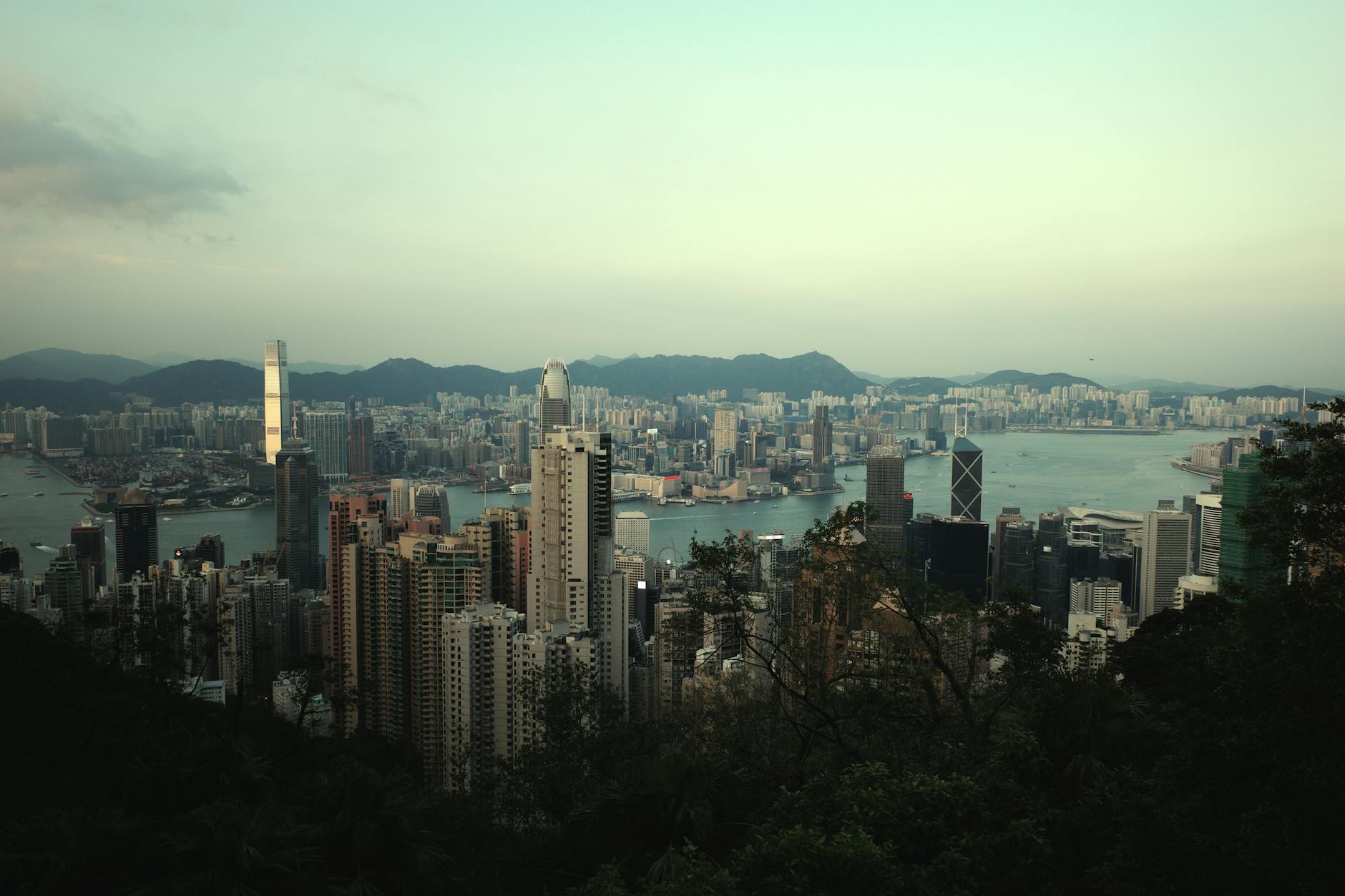
The Peak Tram, running since 1888, is the most atmospheric way to reach the summit. The steep ascent through jungle-clad hillsides builds genuine anticipation.
Local guides recommend arriving in the late afternoon to catch both the daylight skyline and the transition into the glittering night view. The circular walk around Lugard Road takes about 45 minutes and stays largely uncrowded even on busy weekends.
Tsim Sha Tsui Promenade
The Tsim Sha Tsui Promenade on the Kowloon waterfront gives the definitive face-on view of Hong Kong Island's skyline across Victoria Harbour. This is the shot that defines the city in a thousand travel photographs.
Every evening at 8 pm, the Symphony of Lights show illuminates dozens of buildings on both sides of the harbour. It holds the Guinness World Record for the largest permanent light and sound show.
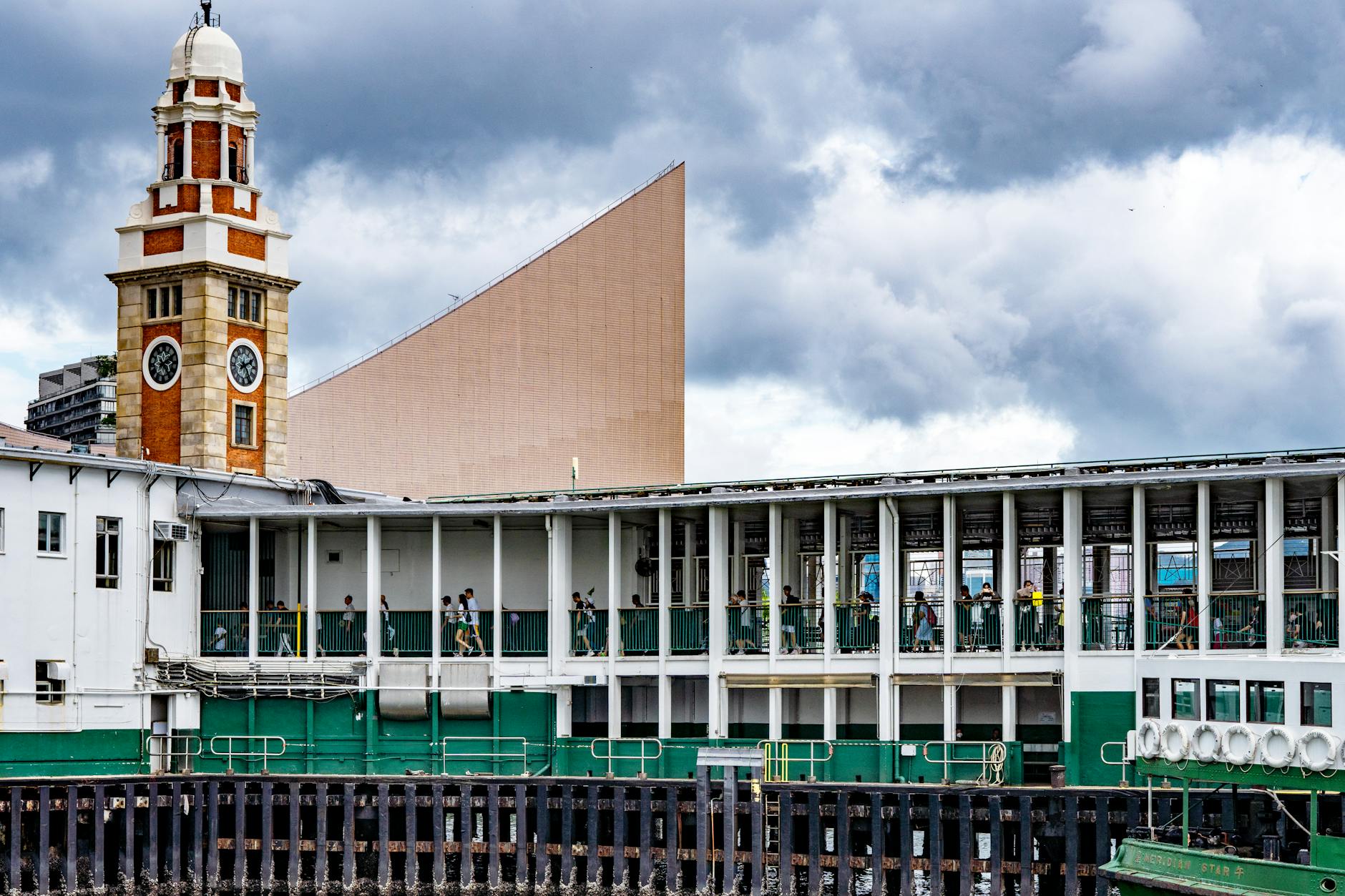
Beyond the spectacle, the promenade connects to the Avenue of Stars, the Hong Kong Museum of Art, and some excellent waterfront restaurants. The stretch between the Star Ferry pier and the Cultural Centre is best walked slowly, especially after dark.
Temple Street Night Market
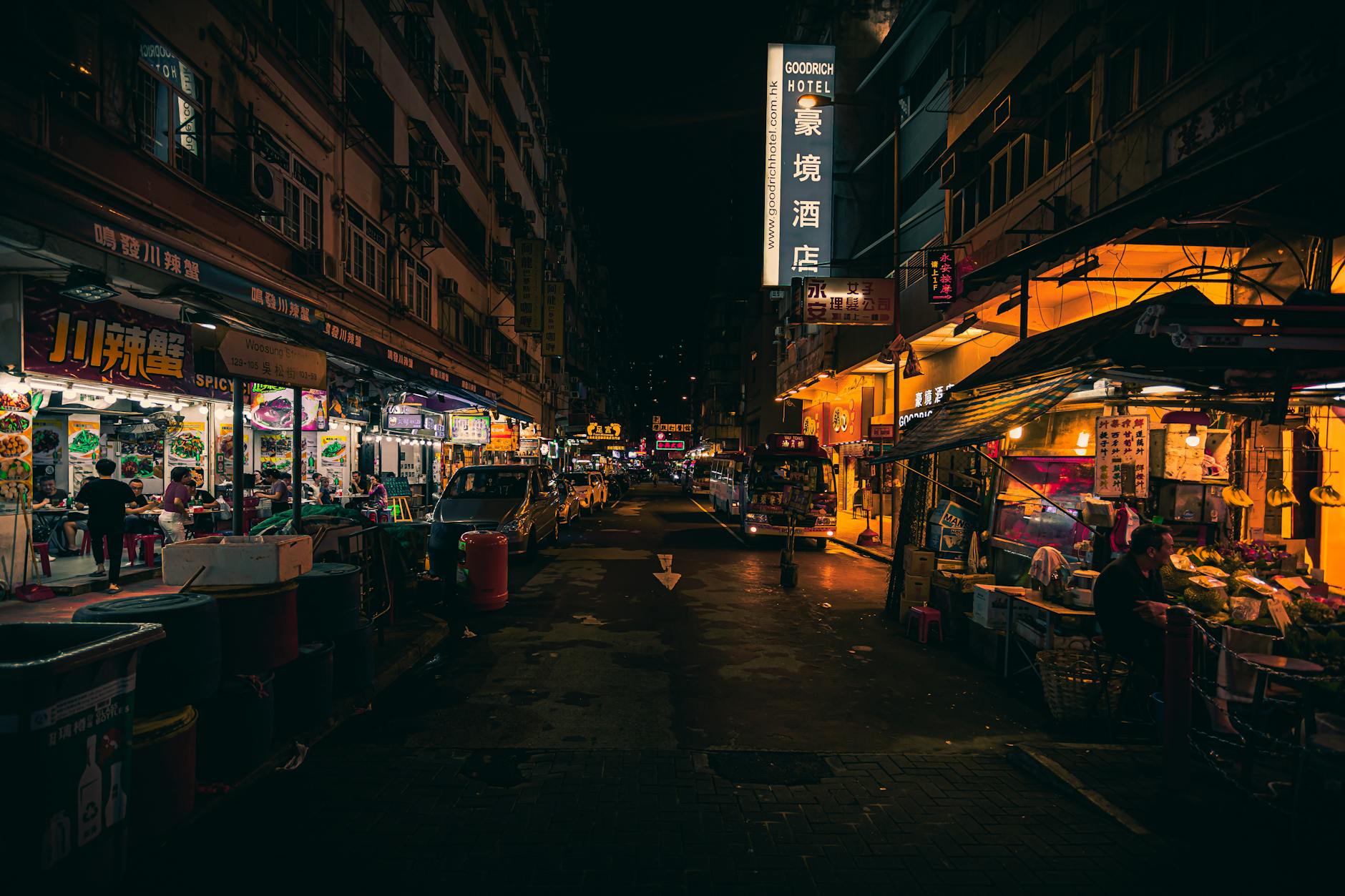
As the sun drops in Yau Ma Tei, Temple Street transforms into one of Hong Kong's most atmospheric street markets. Hundreds of stalls spread across several blocks, selling watches, electronics, clothing, and jade trinkets.
The real draw, though, is the food. Outdoor seafood restaurants and dai pai dong stalls serve wok-fried clams, typhoon shelter crab, and clay pot rice at very reasonable prices.
Visitor reviews consistently highlight the fortune tellers and Cantonese opera performers who set up near the Tin Hau Temple section. Arriving between 8 pm and 10 pm catches the market at full energy without the late-night crowds thinning the atmosphere.
Lantau Island (Tian Tan Buddha)
Lantau is Hong Kong's largest island and feels worlds removed from the urban core. The Tian Tan Buddha, completed in 1993 and standing 34 meters tall, sits on a lotus throne at 520 meters elevation on Ngong Ping plateau.
The Ngong Ping 360 cable car makes the ascent a scenic experience in itself. On clear days, the views across the South China Sea and surrounding peaks are extraordinary.
The Po Lin Monastery directly below the statue serves vegetarian meals in its canteen, a practical and genuinely good lunch option after climbing the 268 steps to the Buddha's base. Travelers note that weekday visits are significantly less crowded than weekends.
Food and Local Cuisine in Hong Kong
Hong Kong takes food seriously. The city has more restaurants per capita than almost anywhere in the world, and the standard across price ranges is consistently high.
Dim sum is the cornerstone of Cantonese food culture here. A proper yum cha session, meaning tea with small dishes, involves har gow dumplings, cheung fun rice rolls, and char siu bao pork buns arriving in bamboo steamers.
Cha chaan teng, the iconic Hong Kong-style diners, serve a hybrid menu that emerged from colonial-era tastes. Milk tea, pineapple buns with butter, and baked pork chop rice are staple items and deeply local.
Street food is everywhere and worth pursuing. Egg waffles from a pavement cart, curry fish balls on skewers, and freshly pressed sugarcane juice all cost under 20 HKD.
For something more substantial, roast goose from a traditional siu mei shop represents one of Hong Kong's most celebrated culinary traditions. Places like Yat Lok in Central have held Michelin recognition while keeping prices modest.
Seafood restaurants in Sai Kung on the eastern side of the New Territories let diners pick live fish and shellfish directly from tanks. The quality is exceptional and prices remain reasonable outside the tourist core.
Getting to Hong Kong and Getting Around
Getting There
Hong Kong International Airport at Chek Lap Kok is one of the busiest cargo and passenger hubs in Asia, with direct connections to major European cities including London, Paris, Frankfurt, and Amsterdam. Flight time from Europe averages around 12 to 13 hours.
Several airlines including Cathay Pacific, British Airways, and Air France operate this route regularly. Booking two to three months in advance typically produces the most competitive fares from European departure points.
Getting Around
The MTR metro system is fast, air-conditioned, and extremely reliable. A single journey on most urban lines costs between 5 and 15 HKD, making it one of the world's most affordable metro networks for travelers.
The Octopus card, a rechargeable contactless card, works on the MTR, buses, ferries, trams, and even in many convenience stores. The Star Ferry crossing between Tsim Sha Tsui and Central costs around 3 HKD and remains one of the great cheap experiences in any city worldwide.
Budget and Practical Tips
How Much to Budget for Hong Kong
Hong Kong sits in a moderate budget range for travelers willing to mix accommodation styles and eat where locals eat. A mid-range hotel in Kowloon or Wan Chai typically runs between 80 and 150 EUR per night.
Daily food costs stay very manageable if cha chaan teng breakfasts and hawker lunches replace hotel dining. A solid three-course meal at a mid-range Cantonese restaurant rarely exceeds 30 to 40 EUR per person.
Attractions like Victoria Peak and the Tsim Sha Tsui Promenade cost nothing to visit. The main expenses are the Peak Tram (about 8 EUR return), the Ngong Ping cable car (around 20 EUR return), and dining choices.
A realistic daily budget for a comfortable mid-range trip, including transport, meals, and one paid attraction, lands around 80 to 120 EUR per person.
Best Time to Visit: October to April
The period between October and April brings the most pleasant conditions for exploring Hong Kong. Temperatures stay between 15 and 25 degrees Celsius, humidity drops considerably, and skies are often clear enough for perfect skyline visibility.
Summer months from June through September bring intense heat, high humidity, and typhoon risk. Typhoons can disrupt transport significantly and occasionally force closures across the city.
Chinese New Year, falling in late January or February, brings spectacular street decorations and the Victoria Harbour fireworks display, though hotel prices rise sharply during this period and crowds are substantial.
Frequently Asked Questions about Hong Kong
Similar Destinations
Shanghai
Shanghai, China's most electrifying metropolis, stacks a century of colonial grandeur along the Bund against…
DiscoverBeijing
Beijing, China layers imperial drama and living street life, from the Forbidden City’s vermilion gates to…
DiscoverSeoul
Seoul, South Korea's sprawling capital, pulls visitors from ancient palace courtyards like Gyeongbokgung…
Discover