Explore Japan
1 destination to discover
Everything about Japan
Traveling to Japan means stepping into a place where ancient rituals and bullet trains coexist without contradiction. Few countries hold that tension so gracefully.
From the volcanic peaks of Hokkaido to the coral reefs of Okinawa, Japan stretches across 3,000 kilometers of Pacific archipelago. Every region carries its own dialect, cuisine, and personality.
Visiting Japan rewards patience and curiosity in equal measure. The deeper you look, the more the country reveals.
Why travel to Japan?
What sets Japan apart from other destinations
Japan runs on a different frequency. Trains arrive to the second, streets stay clean without visible effort, and strangers return lost wallets intact — these aren't clichés, visitor reviews confirm them repeatedly.
The contrast between modernity and tradition is not a marketing phrase here. You can watch a Buddhist monk chant at dawn, then ride the Shinkansen at 320 km/h before lunch.
Japan's population of 125 million has built a culture of extraordinary depth — in architecture, ceramics, theater, and food — all within an island nation roughly the size of California.
Japan at a glance
Japan covers 377,975 square kilometers across four main islands: Honshu, Hokkaido, Kyushu, and Shikoku, plus nearly 7,000 smaller ones. The capital, Tokyo, is home to over 13 million people.
The currency is the Japanese Yen (JPY). The official language is Japanese, and the country sits in the GMT+9 time zone.
Japan holds 25 UNESCO World Heritage Sites, including historic Kyoto, the ancient Shinto shrines of Nikko, and the iconic slopes of Mount Fuji at 3,776 meters.
Regions and cities to explore
The main regions of Japan
Japan divides into eight major regions, each with a distinct identity. Tohoku in the north is known for its rugged mountains, hot springs, and some of Japan's most celebrated summer festivals.
The Kansai region — anchored by Osaka, Kyoto, and Nara — carries the cultural and historical heart of the country. This is where imperial Japan left its deepest marks.
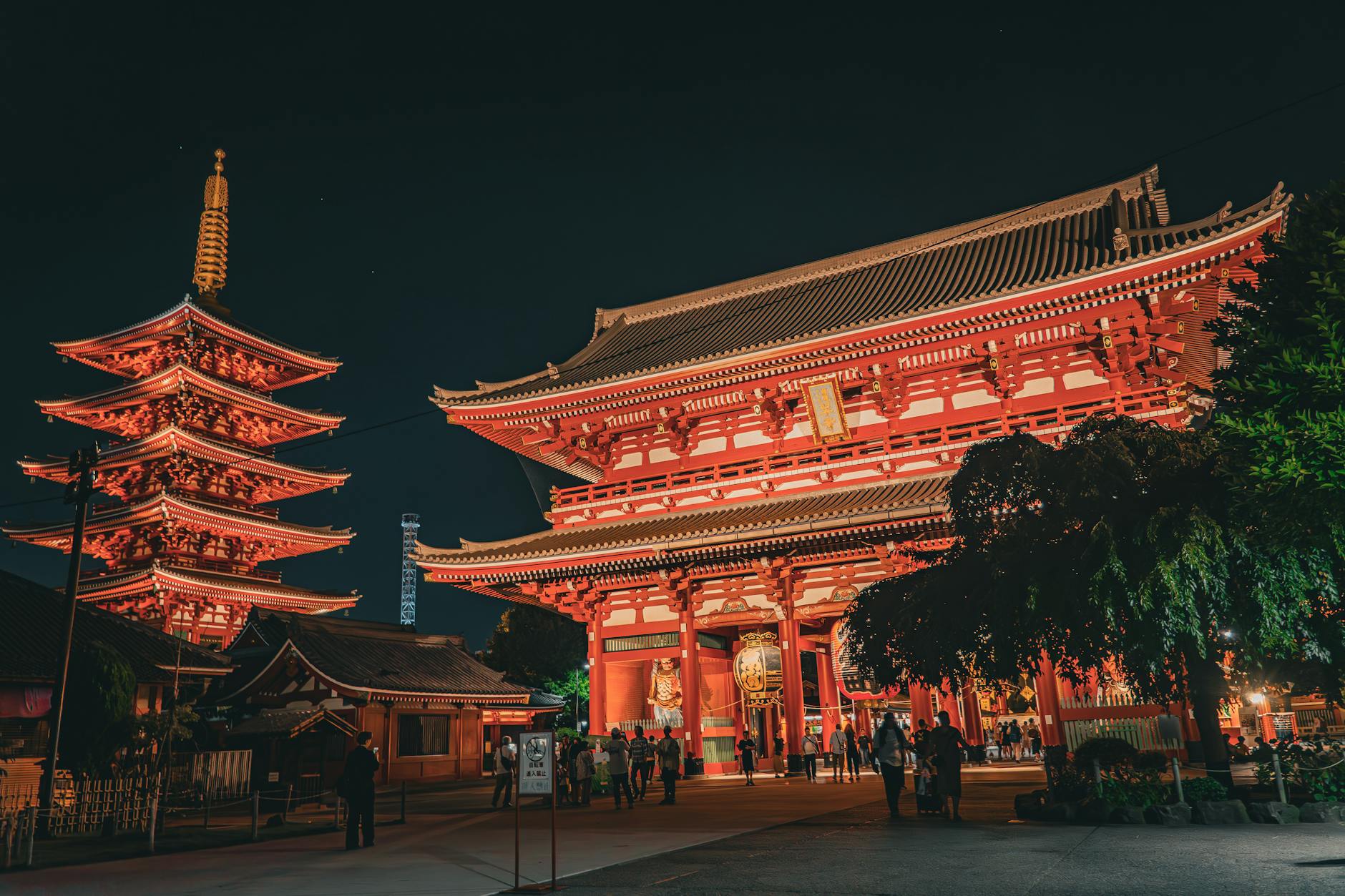
Kyushu in the southwest brings volcanic landscapes, vibrant port cities, and a food culture heavily influenced by Chinese and Korean traditions. It feels slightly warmer, slightly looser than the rest of Japan.
Meanwhile, the remote Amami Oshima island in Kagoshima Prefecture sits between Kyushu and Okinawa — a subtropical paradise with dense forests, sea turtles, and a weaving tradition recognized by UNESCO.
Which cities should you visit?
Fukuoka, Japan's gateway to Asia, is a compact and energetic city famed for its street-food stalls called yatai and its approachable, cosmopolitan pace. Local guides consistently rank it among Japan's most livable cities.
Aomori, at the northern tip of Honshu, is known for its spectacular Nebuta Festival every August — enormous illuminated floats parading through the streets — and for producing Japan's finest apples.
Hakodate in Hokkaido draws visitors with its romantic hillside views, Meiji-era Western architecture, and one of Japan's most celebrated morning seafood markets.
Beppu in Oita Prefecture sits above one of the world's most geothermally active zones. Its famous "hells" — boiling, colored hot spring pools — attract over 10 million visitors annually.
Arashiyama, on Kyoto's western edge, is not a city but deserves a place on any itinerary. Its bamboo grove, riverside temples, and hired rickshaws create a scene unlike anywhere else in Asia.
Culture, traditions and way of life
Japanese culture operates around a concept called wa — harmony. Social cohesion, consideration for others, and quiet pride in craft run through daily life in ways that feel subtle but are profound.
The practice of onsen — bathing in natural hot spring waters — is both ritual and relaxation. Traveling between ryokan inns and soaking in mineral-rich baths is a legitimate way to experience Japan.
Theater traditions like Noh, Kabuki, and Bunraku puppet theater are still performed in dedicated venues across the country. These aren't museum pieces — they remain living art forms with dedicated audiences.
Seasonal celebrations shape the calendar. Cherry blossom season brings hanami picnic gatherings in spring. Obon in August honors ancestral spirits with lantern ceremonies and Bon Odori dancing.
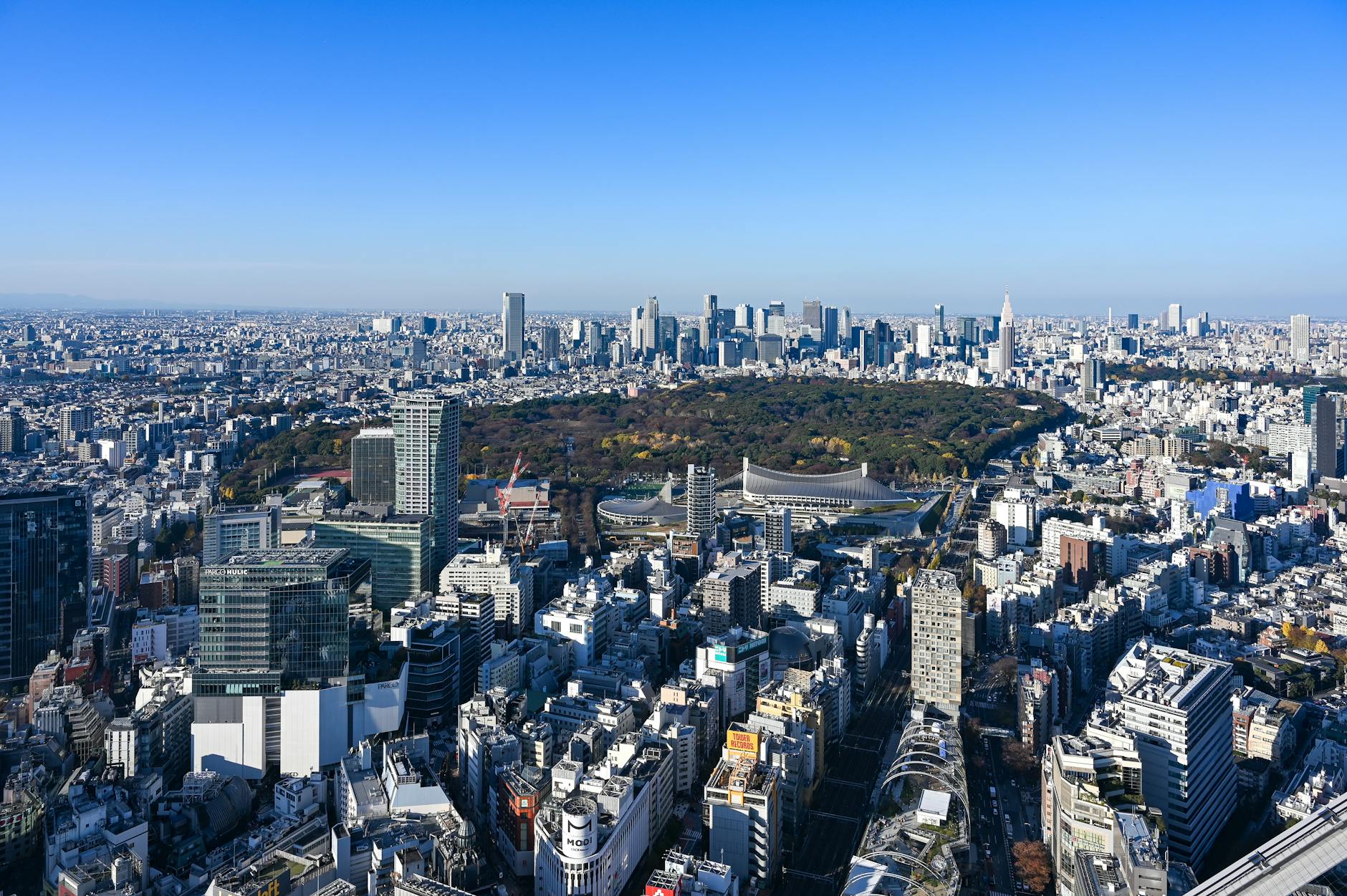
Local guides recommend learning a few basic phrases in Japanese — sumimasen (excuse me) and arigatou gozaimasu (thank you) go a long way. The effort is always noticed and appreciated.
Shinto and Buddhism coexist comfortably in Japan's spiritual life. Most Japanese people observe both without seeing any contradiction — a flexibility that quietly shapes the culture's tolerance and aesthetics.
Food: the flavors of Japan
Japanese cuisine is one of the most regionalized in the world. What you eat in Fukuoka — tonkotsu ramen, mentaiko, and fresh hakata-style dumplings — bears little resemblance to a meal in Kyoto's kaiseki restaurants.
Sushi and ramen are global exports, but their local versions carry an entirely different weight. A bowl of ramen in a small Sapporo shop, made from 30-hour pork broth, is a different category of experience.
Budget travelers eat well in Japan. A bowl of ramen costs 800–1,200 JPY (approximately €5–8). Convenience store onigiri — rice balls filled with salmon, pickled plum, or tuna — cost under 200 JPY and taste genuinely good.
Izakayas — informal Japanese gastropubs — are the ideal way to eat like a local. Small dishes arrive continuously: yakitori skewers, edamame, dashimaki tamago, cold tofu. The evening unfolds slowly, with beer or sake.
Travelers note that food allergies and dietary restrictions require advance preparation. Many Japanese dishes contain dashi, a broth made from dried fish, which is not always visible on menus.
Amami Oshima's cuisine stands apart — incorporating tropical ingredients, black sugar, and shochu spirits made from brown sugar cane. It is a genuine regional tradition worth seeking out.
Practical information
Visa and entry requirements
Citizens of over 68 countries, including the United States, United Kingdom, EU member states, and Australia, can enter Japan visa-free for up to 90 days for tourism purposes.
A valid passport with at least six months of remaining validity is required. Japan does not require proof of onward travel, but immigration officers may ask about accommodation plans.
Travelers note that Japan plans to introduce a tourist tax at entry — verify current requirements before departure, as regulations are evolving in response to overtourism concerns in popular destinations.
Budget and cost of living
Japan is more affordable than its reputation suggests. A mid-range daily budget of 10,000–15,000 JPY (approximately €60–95) covers accommodation, meals, local transport, and entrance fees comfortably.
A budget ryokan room with breakfast typically runs 8,000–12,000 JPY per person. Capsule hotels in city centers start around 3,000–4,000 JPY per night — clean, efficient, and surprisingly comfortable.
The Japan Rail Pass — purchased before arrival — provides unlimited travel on Shinkansen and JR lines for 7, 14, or 21 days. A 7-day pass costs approximately 50,000 JPY and pays for itself quickly.
Getting around
The rail network is the backbone of travel in Japan. The Shinkansen connects Tokyo to Fukuoka in under five hours, and regional trains reach nearly every corner of the archipelago.
In cities, IC cards like Suica or Pasmo function on trains, buses, and even in convenience stores. Load them at any major station and tap in and out — no tickets needed.
Renting a car makes sense in rural Hokkaido, Tohoku, and Shikoku, where trains run infrequently. An international driving permit is required, and driving is on the left.
When to visit Japan?
Spring (March to May) is Japan's most celebrated season. Cherry blossoms bloom from late March in Tokyo, moving northward through April. Crowds are significant, but the experience justifies planning ahead.
Autumn (October to November) rivals spring in beauty. Maple leaves turn vivid red and orange across mountain parks, temple gardens, and river valleys. Temperatures are mild and skies are reliably clear.
Summer in Japan is hot and humid, particularly in July and August. Temperatures regularly exceed 35°C in cities. That said, summer hosts Japan's most spectacular festivals — including Aomori's Nebuta and Kyoto's Gion Matsuri.
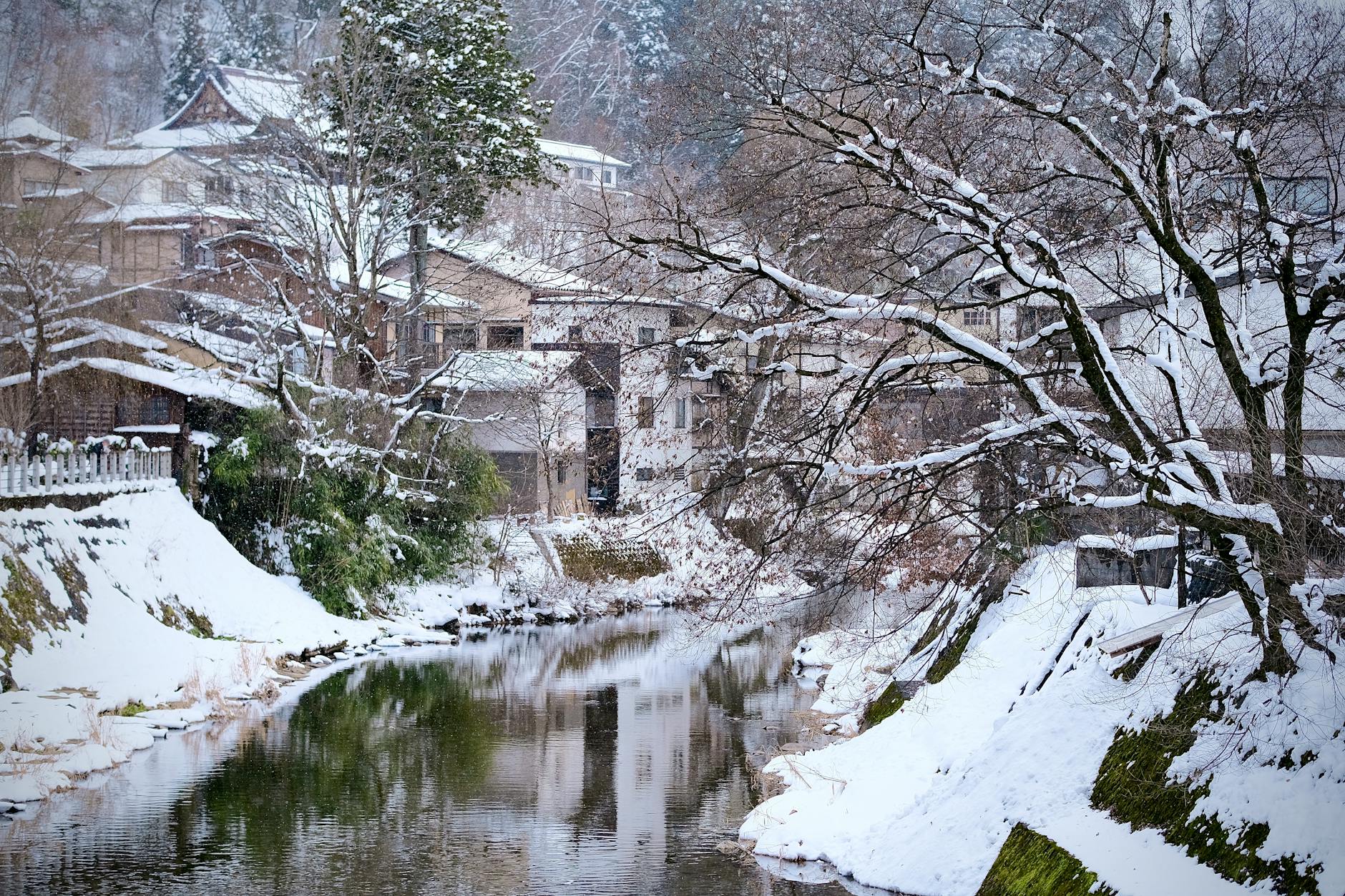
Winter is underrated. Hokkaido and the Japan Alps receive some of the world's best powder snow between December and February. Ski resorts at Niseko attract international visitors, while onsen towns across the country feel genuinely magical under snow.
Travelers note that Golden Week (late April to early May) and the Obon period in mid-August are domestic travel peaks. Accommodation prices rise sharply and reservations should be made months in advance.
Frequently Asked Questions about Japan
Similar Destinations
Explore more destinations in the same region of the world.
Singapore
Singapore, the dazzling city-state of Southeast Asia, stuns visitors with the soaring towers of Marina Bay…
DiscoverSeoul
Seoul, South Korea's sprawling capital, pulls visitors from ancient palace courtyards like Gyeongbokgung…
DiscoverBeijing
Beijing, China layers imperial drama and living street life, from the Forbidden City’s vermilion gates to…
Discover