Milan

Everything about Milan
What city can claim fashion weeks, Renaissance masterpieces, and one of the world's most photographed cathedrals within a single square mile? Visiting Milan means stepping into a place that refuses to be defined by just one identity.
Milan is Italy's financial and creative engine, yet its medieval streets and Baroque courtyards slow everything down the moment you step off the main boulevards.
This guide covers the highlights, the budget realities, the food, and the practical details that make the difference between a rushed trip and a genuinely memorable stay.
Why visit Milan?
What makes Milan unique
Milan sits at a crossroads that few European cities can match. Art from the fifteenth century shares the same neighborhood as concept-store windows and Michelin-starred restaurants.
The city holds more than 100 museums and cultural institutions, ranging from intimate neighborhood galleries to world-class collections. Visitors consistently note that the density of things worth seeing here is genuinely unusual for a city its size.
Unlike Rome or Florence, Milan does not trade on nostalgia alone. It pushes forward while keeping its historic core intact, which creates a particular kind of energy that rewards curious travelers.
Milan at a glance
Milan is the capital of the Lombardy region in northern Italy, with a metropolitan population of roughly 3.2 million people. It sits at the foot of the Alps, giving the city a continental climate noticeably cooler than southern Italy.
The city center is compact and walkable, built around the Duomo as its geographic and cultural anchor. Most major highlights are reachable on foot or by a single metro ride.
Milan is classified as a premium destination. Budget planning needs to reflect that, especially for dining, accommodation near the center, and advance tickets to key sites.
What to see and do in Milan?
Milan Cathedral (Duomo)
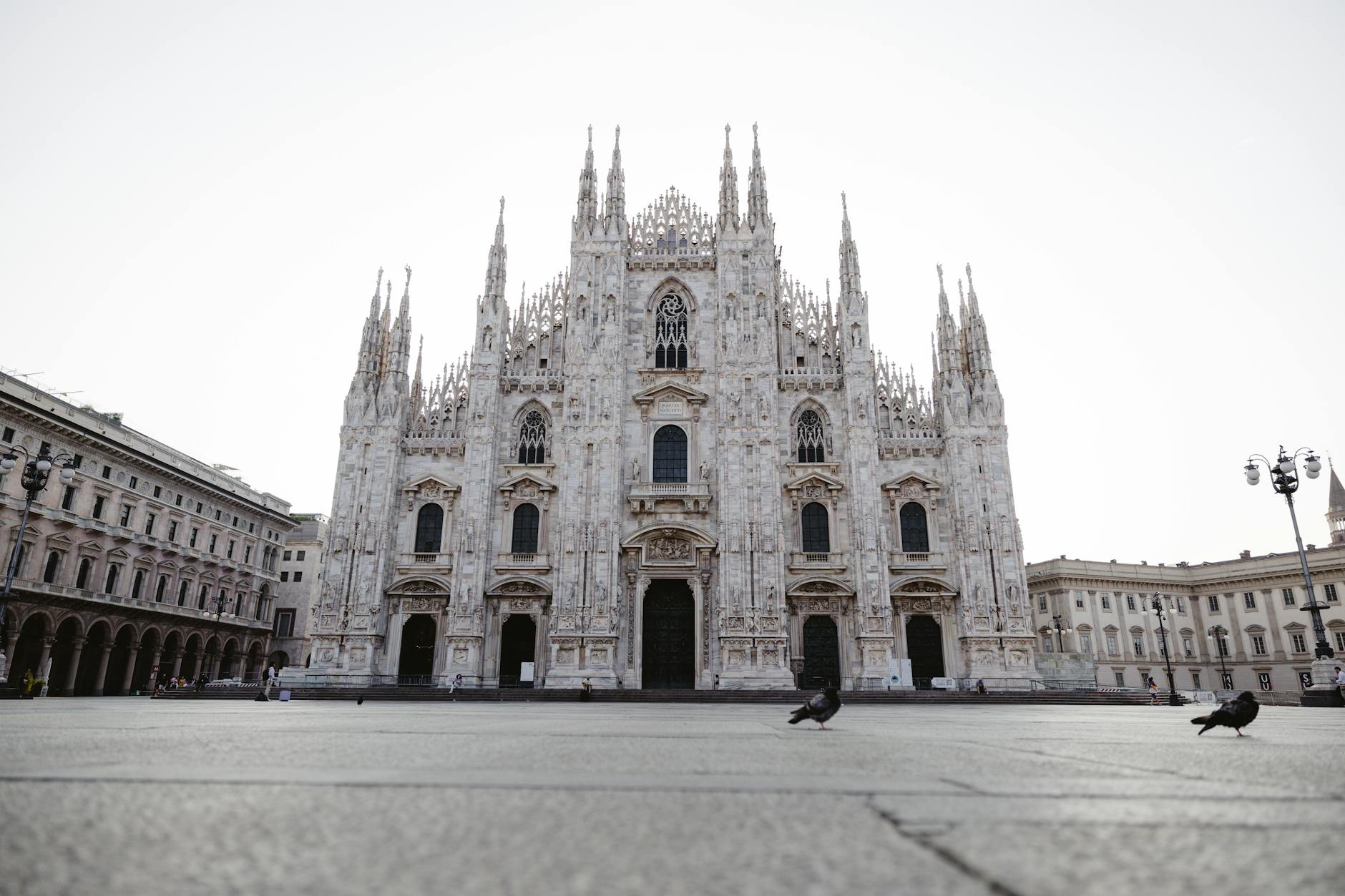
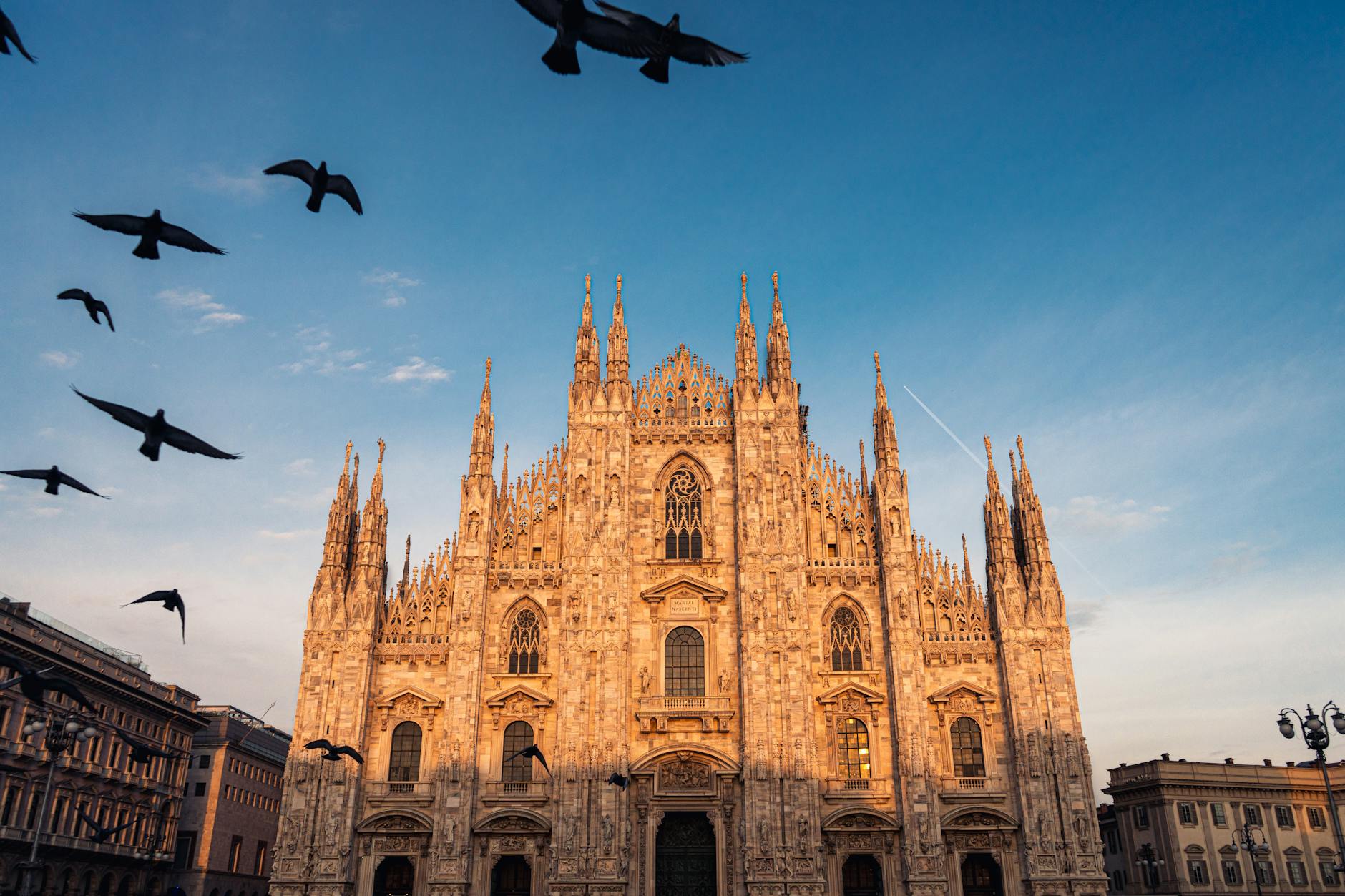
The Milan Cathedral is the third-largest church in the world and took nearly six centuries to complete, from 1386 to 1965. That timeline alone tells you something about the city's relationship with ambition.
The facade is covered in 3,400 statues, making it one of the most ornate Gothic structures anywhere in Europe. Up close, the white marble shifts color from cream to pale gold depending on the hour.
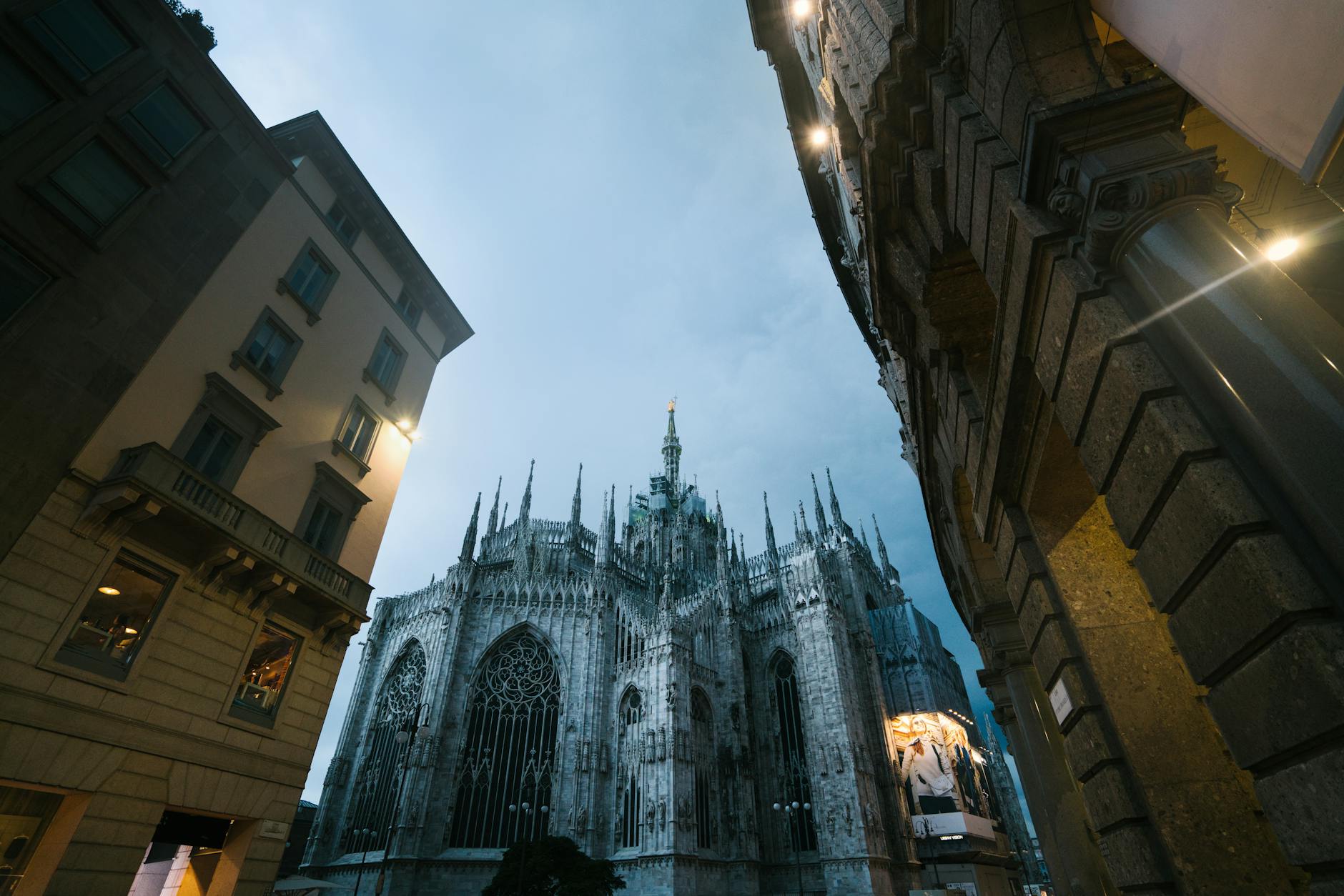
Taking the rooftop walkway is strongly recommended by local guides. The view from above the spires, with the Alps visible on clear days, is unlike anything else the city produces at street level.
Book rooftop access in advance, especially between April and June. Queues at the door can stretch to two hours during peak season.
The Last Supper
Leonardo da Vinci's Last Supper covers an entire wall of the refectory at Santa Maria delle Grazie and has survived wars, floods, and a botched restoration that took twenty years to correct.
The mural measures roughly 9 by 4 meters and was painted between 1495 and 1498. Visitor groups are limited to 25 people at a time, with a maximum of 15 minutes inside the room.
Tickets sell out weeks, sometimes months, in advance. Traveler reviews consistently warn that walking in without a reservation is nearly impossible, particularly during the spring and autumn high seasons.
The surrounding church of Santa Maria delle Grazie is itself a UNESCO World Heritage Site. Many visitors underestimate how much time to spend in the building beyond the refectory itself.
Brera District
The Brera district sits just north of the Duomo and feels like a completely different city. Cobblestone lanes, ivy-covered walls, and art galleries replace the commercial buzz of the main shopping corridors.
The Pinacoteca di Brera houses one of Italy's finest painting collections, with major works by Raphael, Caravaggio, and Mantegna. The building itself, a seventeenth-century Baroque palace, is worth the entrance fee alone.
Outside the museum, the neighborhood rewards slow walking. Small antique shops, wine bars, and flower stalls fill the streets, particularly on Saturday mornings when the outdoor market runs along Via Fiori Chiari.
Local guides recommend arriving in Brera by late morning to browse the market, then visiting the Pinacoteca in the early afternoon when crowds thin noticeably.
Galleria Vittorio Emanuele II
The Galleria Vittorio Emanuele II opened in 1877 and connects the Duomo to La Scala opera house through a 196-meter glass-and-iron arcade. It is considered one of the oldest shopping malls in the world.
The central octagon, capped by a glass dome 47 meters high, draws visitors at every hour of the day. Even if the luxury boutiques inside are beyond budget, walking through costs nothing and delivers a genuine architectural spectacle.
There is a tradition of spinning on the heel of the bull mosaic set into the floor at the center of the octagon. The marble around it is visibly worn from decades of this ritual.
The cafes along the arcade charge a premium for their location, but sitting down for a coffee and watching the foot traffic is one of those Milan experiences that holds up in memory.
Food and local cuisine in Milan
Milan's food identity is surprisingly distinct from the pasta-and-tomato image of Italian cooking. The north uses butter and rice where the south uses olive oil and wheat.
Risotto alla Milanese is the city's signature dish, made with saffron that gives it a deep golden color. It is served as a standalone course, not a side dish, which surprises many first-time visitors.
Ossobuco is the other staple, a slow-braised veal shank traditionally served with gremolata and, classically, alongside the risotto. Both dishes appear on menus across the city at wildly varying price points.
For something lighter and faster, Milanese bakeries and delis stock panzerotti, fried dough pockets filled with tomato and mozzarella. They cost a couple of euros and are genuinely excellent street food.
The aperitivo culture here is real and should not be skipped. Between 6 and 9 p.m., many bars include generous food spreads with the price of a drink, effectively functioning as an affordable early dinner.
Neighborhoods like Navigli and Isola tend to have better value restaurants than the immediate Duomo area. Traveler reviews note that walking ten minutes from the main tourist corridors can cut meal costs by a third.
Getting to Milan and getting around
Getting there
Milan is served by three airports. Milan Malpensa Airport (MXP) is the main international hub, located about 50 kilometers northwest of the city center. The Malpensa Express train connects it to Cadorna and Centrale stations in roughly 50 minutes.
Milan Linate Airport (LIN) handles mostly European routes and sits just 7 kilometers from the center. A dedicated metro line, the M4, now links Linate to the city center in under 15 minutes.
High-speed train connections from Rome take around three hours, and from Florence under two. Milan's central station, Stazione Centrale, is a remarkable piece of architecture worth a moment of attention on its own.
Getting around
Milan has a well-organized public transport network run by ATM, covering metro, tram, and bus lines. A single ticket costs €2.20 and is valid for 90 minutes across all modes of transport.
The metro has five lines and covers all major tourist areas efficiently. Trams are slower but run through scenic older neighborhoods and give a much better sense of the city's texture.
Many of the central highlights, from the Duomo to Brera to the Galleria, are within comfortable walking distance of each other. Comfortable shoes matter more than a transit pass for the first couple of days.
Budget and practical tips
How much to budget for Milan
Milan sits firmly in the premium tier of European travel. Mid-range accommodation near the center runs between €150 and €250 per night for a double room in a decent hotel.
A sit-down lunch at a good local trattoria costs around €20 to €35 per person without wine. Dinner at a proper restaurant pushes toward €50 to €80 per person, depending on the neighborhood.
Key attractions have specific costs worth noting: Duomo rooftop access runs around €13 to €25 depending on the route, and Last Supper tickets cost €15 plus a €2 reservation fee. Both require advance booking.
A realistic daily budget for a comfortable visit, including accommodation, meals, transport, and two or three paid attractions, lands between €200 and €350 per person per day.
Best time to visit: April to June and September to October
April through June brings mild temperatures, blooming parks, and the full calendar of cultural events without the suffocating heat that settles over the city in July and August.
September and October are arguably the best weeks of the year. The summer crowds thin, temperatures drop to very comfortable levels, and the fashion weeks in September bring a particular creative energy to the streets.
July and August are genuinely difficult. Many locals leave the city, some restaurants close for summer breaks, and the heat combined with tourist crowds creates a less enjoyable version of Milan than the spring or autumn visit.
Winter visits from November to February are quiet and affordable, but the city can feel gray and cold. The Christmas markets and the La Scala opera season opening in December provide real reasons to consider it despite the weather.
Frequently Asked Questions about Milan
See all destinations in Italy
Rome
Rome, Italy draws millions of visitors each year to walk past the Colosseum, toss a coin in the Trevi…
DiscoverFlorence
Florence, Italy draws travelers into a Renaissance world where the Duomo, the Uffizi Gallery, and Ponte…
DiscoverVenice
Venice, Italy, rises from the Adriatic lagoon as a living masterpiece, where St. Mark's Square, the Rialto…
Discover