Explore Italy
4 destinations to discover
Everything about Italy
Traveling to Italy means stepping into a country where history is not preserved behind glass — it lives in the streets, on the plates, and in the conversations of its 60 million inhabitants.
Few places on Earth pack this much beauty into 301,000 square kilometers: snow-capped Alps in the north, sun-baked coastlines in the south, and centuries of art stacked between them.
Visiting Italy rewards curiosity. Every region speaks a different dialect, cooks differently, and feels like a country unto itself.
Why Travel to Italy?
What Sets Italy Apart from Other Destinations
Italy holds the world record for UNESCO World Heritage Sites, with 58 recognized locations spread across the entire peninsula. That statistic alone hints at the density of what awaits.
But the real difference is texture. Roman ruins stand beside Baroque churches, Renaissance palaces face medieval alleyways, and all of it feels inhabited rather than frozen in time.
Local guides consistently point out that Italy's regions compete fiercely with each other — in cuisine, dialect, and civic pride. That rivalry produces exceptional quality at every level.
Italy at a Glance
Italy covers 301,340 square kilometers and is home to approximately 60 million people. The capital, Rome, alone draws over 14 million international visitors per year.
The country shares borders with France, Switzerland, Austria, and Slovenia. Its two coastlines — the Adriatic to the east and the Tyrrhenian to the west — stretch for nearly 7,600 kilometers total.
The currency is the euro (€). The official language is Italian, though regional variations — Venetian, Sicilian, Neapolitan — can sound almost like separate tongues.
Regions and Cities to Explore
The Main Regions of Italy
Italy is divided into 20 administrative regions, each with a distinct personality. Lombardy in the north pulses with finance and fashion. Tuscany draws painters, wine lovers, and slow-travel enthusiasts in equal measure.
Sicily and Sardinia function almost as separate worlds — island cultures shaped by Greek, Arab, and Norman influences that left permanent marks on architecture and food.
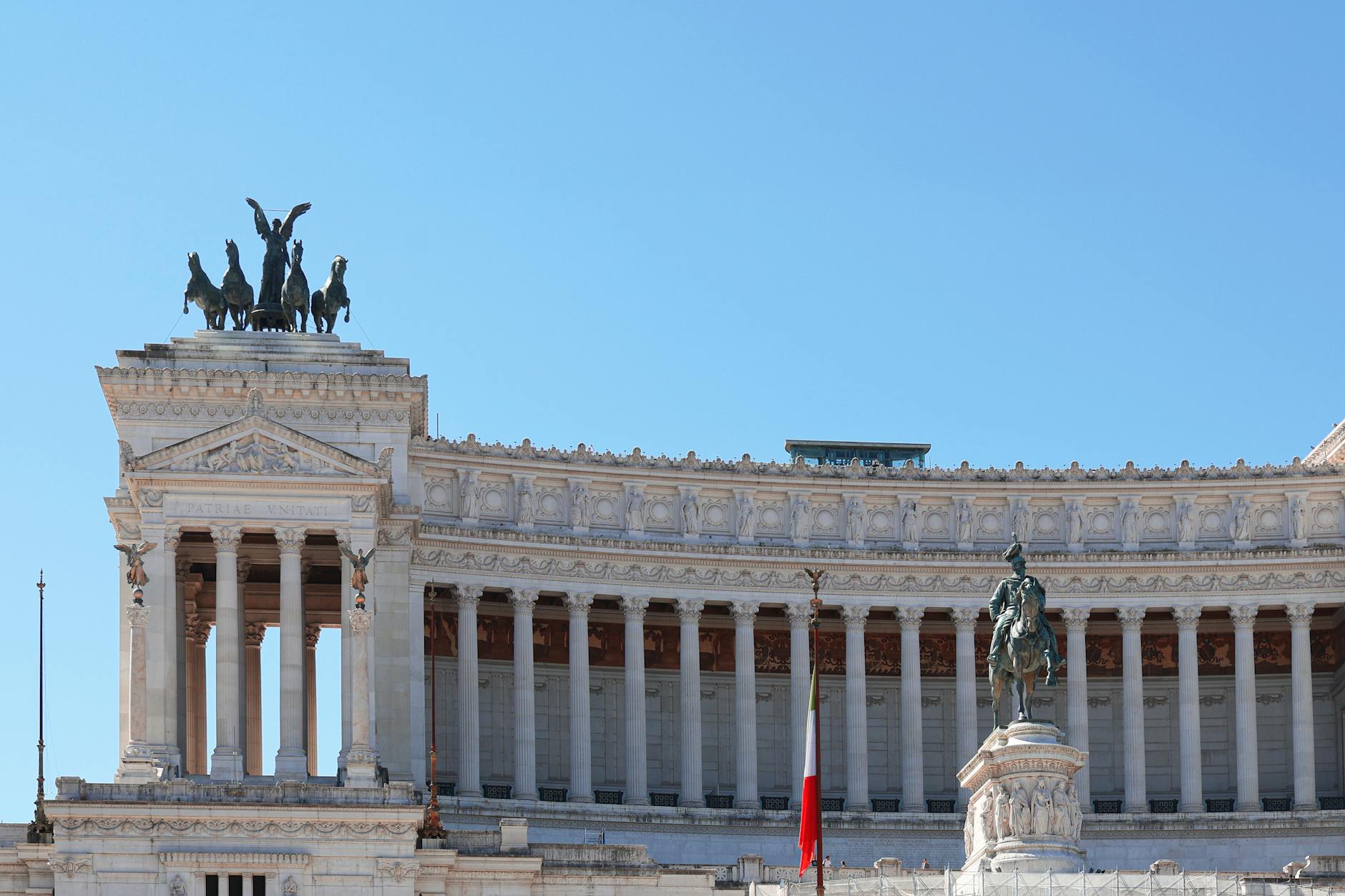
The south — Calabria, Basilicata, Puglia — remains less visited but deeply rewarding. The Puglia coastline rivals anything along the Amalfi Coast, with a fraction of the crowds.
Campania, home to Naples and the Amalfi Coast, sits at the dramatic center of Italian identity. Volcanoes, ancient ruins, and some of the country's most intense flavors all converge here.
Which Cities Should You Visit?
Agrigento, perched on Sicily's southern coast, guards the Valley of the Temples — one of the best-preserved ancient Greek archaeological sites in the world, dating back to the 5th century BC.
Alberobello in Puglia looks like something invented for a fairy tale. Its whitewashed trulli — conical stone houses built without mortar — earned the town its UNESCO designation and remain a genuinely singular sight.
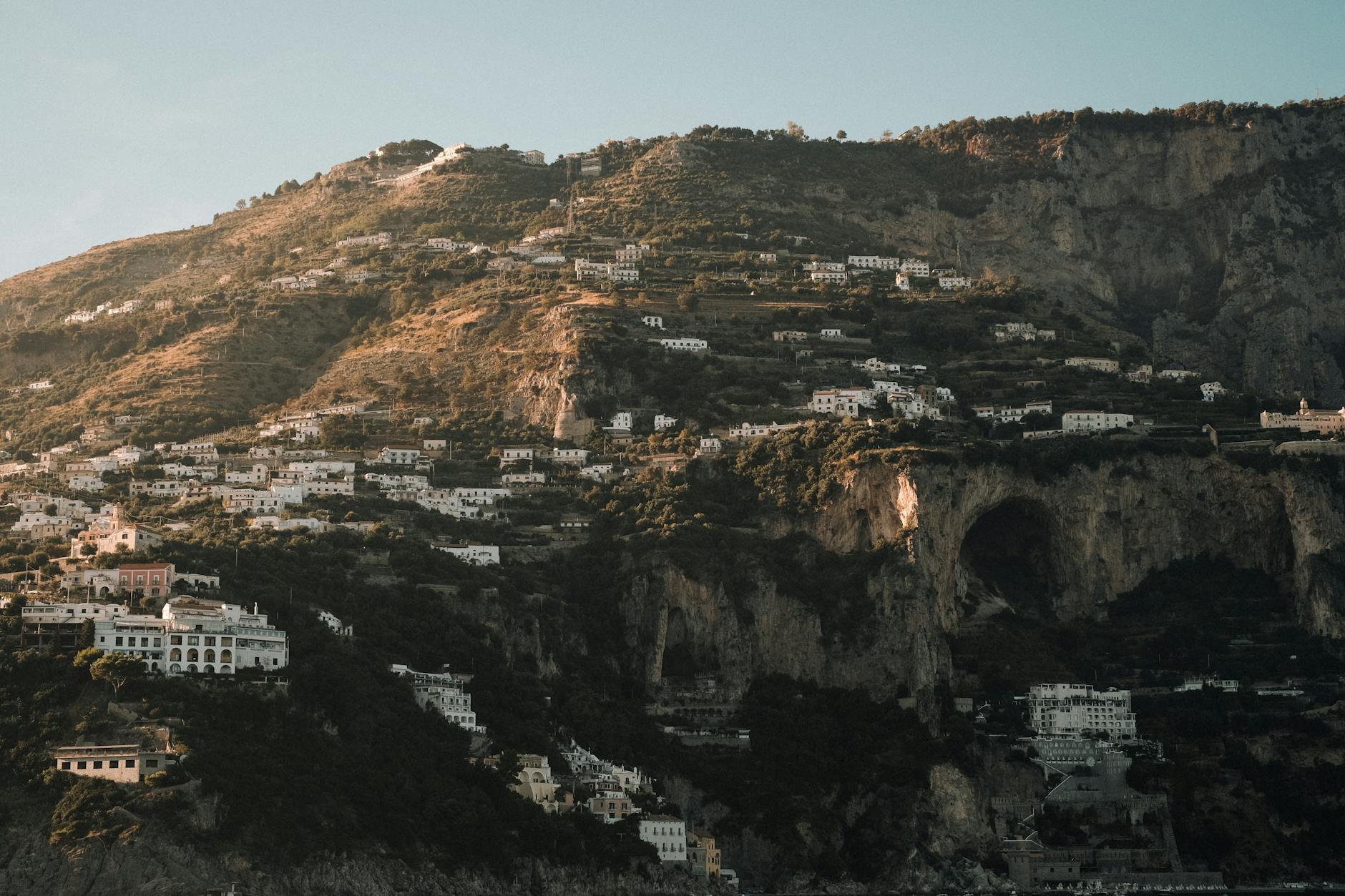
Amalfi gave its name to one of Italy's most photographed coastlines. The town itself is compact and vertical, built into cliffs above the Tyrrhenian Sea, with a 9th-century cathedral at its heart.
Bari, Puglia's regional capital, is often underestimated. Its old town is a labyrinth of whitewashed lanes, and the Basilica di San Nicola is one of southern Italy's finest Romanesque monuments.
Bergamo, split between a modern lower city and a medieval upper city encircled by Venetian walls, sits just 50 kilometers from Milan. Traveler reviews consistently rate it among Italy's most underrated destinations.
Bologna runs one of Europe's oldest universities, founded in 1088, and a food culture so dominant that Italians themselves call it La Grassa — the Fat One. Its medieval porticoes stretch for 40 kilometers through the city.
Culture, Traditions and Way of Life
Italian life is organized around a rhythm that outsiders often mistake for inefficiency. The midday break — riposo — still governs smaller towns, where shutters close and streets empty between 1pm and 4pm.
Family sits at the absolute center of social life. Sunday lunch is a near-sacred institution, lasting hours and involving multiple generations around the same table.
Catholicism shaped the country's calendar deeply. From the Feast of San Gennaro in Naples to Siena's Palio horse race, local festivals are tied to patron saints and civic identity in ways that feel genuinely ancient.
Italian fashion and design are not separate from daily culture — they are expressions of it. The concept of bella figura, presenting yourself with care and elegance, influences everything from how people dress to how they set a table.
Football — calcio — functions as a second religion. Match days in cities like Naples or Turin shift the entire emotional atmosphere of a neighborhood. Visitors who experience a live Serie A match often describe it as one of their most vivid Italian memories.
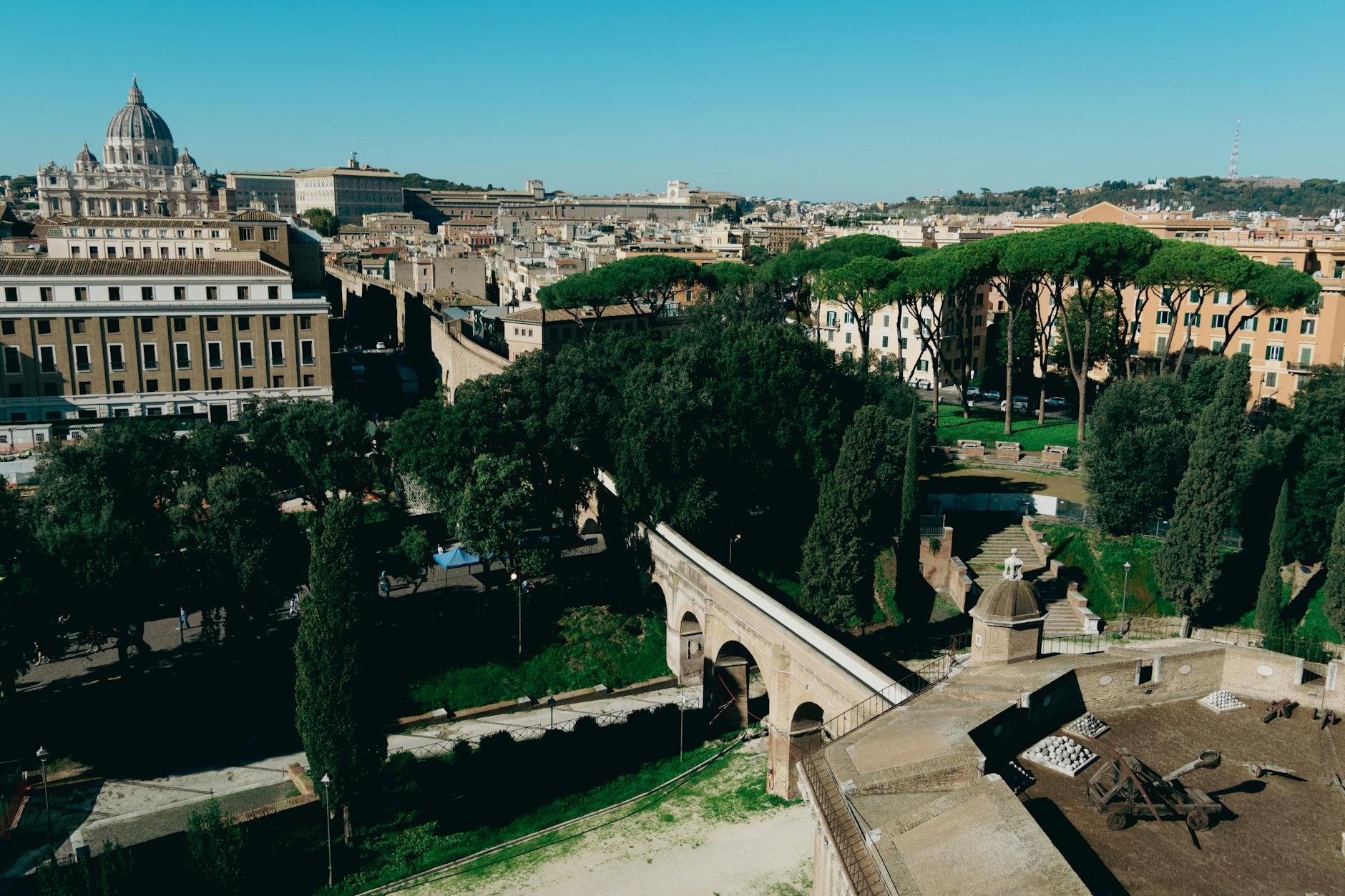
The arts are embedded in ordinary spaces. A post office might occupy a Renaissance palazzo. A metro station in Naples doubles as an underground contemporary art museum. Beauty is not reserved for museums.
Food: The Flavors of Italy
Italian cuisine is one of the most imitated in the world — and one of the most misunderstood abroad. The real thing is radically regional, and Italians will correct you firmly if you conflate one region's dishes with another's.
In Bologna, ragù alla bolognese is a slow-cooked meat sauce served with fresh egg tagliatelle — never spaghetti. In Naples, pizza dough is soft and charred at the edges, cooked in a wood-fired oven at 485°C for no more than 90 seconds.
Puglia's cuisine is built on simplicity and quality of raw ingredients: burrata so fresh it practically trembles, orecchiette pasta with cime di rapa, and olive oil pressed from centuries-old trees.
Breakfast in Italy is a stand-up affair. A cappuccino and a cornetto at a bar counter costs around €1.50–€2, consumed quickly, and this habit repeats itself unchanged from north to south.
Wine is geography made liquid. Barolo from Piedmont, Chianti from Tuscany, Primitivo from Puglia, Nero d'Avola from Sicily — each expresses a specific landscape, soil type, and microclimate. Travelers with any interest in wine will find Italy endlessly complex.
Gelato — the real kind, not the frozen cream sold in tourist traps — is dense, intensely flavored, and served at a slightly warmer temperature than ice cream. Look for shops where the product is stored flat in covered metal containers, not piled in colorful peaks.
Practical Information
Visa and Entry Requirements
Italy is a member of the Schengen Area, meaning travelers from EU countries enter freely with a national ID card. Citizens of the United States, Canada, Australia, and the United Kingdom can stay up to 90 days without a visa.
From 2025 onward, non-EU visitors will need to register via the ETIAS system before arrival — a short online process similar to the US ESTA. Processing is expected to take minutes in most cases.
Travelers arriving from outside Schengen should ensure their passport is valid for at least three months beyond their intended departure date. Entry refusals at Italian airports do occur when documentation is incomplete.
Budget and Cost of Living
Italy spans a wide range of budgets. A mid-range daily budget of €100–€150 per person covers a comfortable hotel, meals at local trattorie, and museum admissions in most cities outside Venice and the Amalfi Coast.
Budget travelers can eat well for far less. A sit-down lunch menu (primo, secondo, water, and wine) at a neighborhood trattoria typically runs €12–€18. Street food in cities like Palermo or Bari cuts costs dramatically.
Venice and the Amalfi Coast require a separate mental budget. A coffee at a Piazza San Marco café can cost €7–€12 with the live orchestra surcharge. Planning shoulder-season visits reduces costs significantly.
Getting Around
Italy's high-speed rail network (Frecciarossa) connects Milan, Bologna, Florence, Rome, and Naples in comfort and speed that rivals flying, once airport transfers are factored in. Milan to Rome takes under 3 hours.
Regional trains fill the gaps, though they run less punctually. Renting a car becomes genuinely useful — and sometimes unavoidable — when exploring Puglia, Sicily, or the Dolomites at your own pace.
Most historic city centers are ZTL zones (restricted traffic areas). Driving into them without a permit generates automatic fines, often arriving weeks later to rental company customers.
When to Visit Italy?
April, May, and early June are widely considered the best window for most of the country. Temperatures are mild, crowds are manageable, and landscapes across Tuscany and Puglia are at their greenest and most dramatic.
July and August bring intense heat — regularly above 35°C in the south — along with peak tourist volumes and inflated hotel prices. Coastal resorts fill weeks in advance. The interior of Sicily can feel punishing.
September and October are excellent, particularly for wine-country travel during harvest season. Vendemmia — the grape harvest — transforms entire regions and gives travelers direct access to something genuinely alive.
Winter in Italy is underrated. Rome, Naples, and Sicily stay mild between December and February, museums are uncrowded, and hotel rates drop sharply. The food markets and Christmas markets in Bologna and Bolzano run at full intensity.
The north follows a different logic entirely. The Dolomites attract winter sports travelers from December through March, with ski resorts ranking among Europe's most scenic. Spring hiking season there starts in late May.
Frequently Asked Questions about Italy
Best destinations in Italy
Florence
Florence, Italy draws travelers into a Renaissance world where the Duomo, the Uffizi Gallery, and Ponte Vecchio stand within walking…
ExploreMilan
In Milan, Italy, gothic spires crown the Duomo, Leonardo’s The Last Supper rewards advance booking, and Brera’s cobbled lanes lead to…
ExploreRome
Rome, Italy draws millions of visitors each year to walk past the Colosseum, toss a coin in the Trevi Fountain, and stand beneath the…
ExploreVenice
Venice, Italy, rises from the Adriatic lagoon as a living masterpiece, where St. Mark's Square, the Rialto Bridge, and the Doge's Palace…
Explore