Explore Hungary
1 destination to discover
Everything about Hungary
Traveling to Hungary means stepping into a country that defies easy categorization — part Central European grandeur, part Eastern European soul, entirely its own thing.
Few destinations pack this much history, thermal water, and culinary fire into a landlocked space roughly the size of Indiana.
From the baroque banks of the Danube to the flat, windswept plains of the Puszta, Hungary rewards curious travelers who look beyond the postcard shots.
Why Travel to Hungary?
What Sets Hungary Apart from Other Destinations
Hungary sits at a cultural crossroads where Ottoman, Habsburg, and Magyar traditions have been colliding and blending for centuries. The result is an architecture, cuisine, and musical heritage that belongs to no neighboring country.
The thermal bath culture alone sets Hungary apart — over 1,300 thermal springs flow beneath the country. Soaking in a 19th-century bathhouse is not a tourist gimmick here; it is daily life.
Hungary at a Glance
Hungary covers approximately 93,000 square kilometers and has a population of around 10 million people. The official language is Hungarian, one of the few non-Indo-European languages in Europe.
The currency is the Forint (HUF), and the country is a member of the European Union, though it has not adopted the euro. Driving distances are manageable — the widest point east to west spans roughly 528 kilometers.
Regions and Cities to Explore
The Main Regions of Hungary
The Great Hungarian Plain (Alföld) covers more than half the country. This vast, flat landscape shaped Hungarian identity as deeply as any royal court — it is the birthplace of the csikós horsemen and open-sky folklore.
Transdanubia, west of the Danube, feels distinctly Central European. Rolling hills, Roman ruins at Pécs, and Lake Balaton — Central Europe's largest lake at 77 kilometers long — define this greener, gentler side of Hungary.
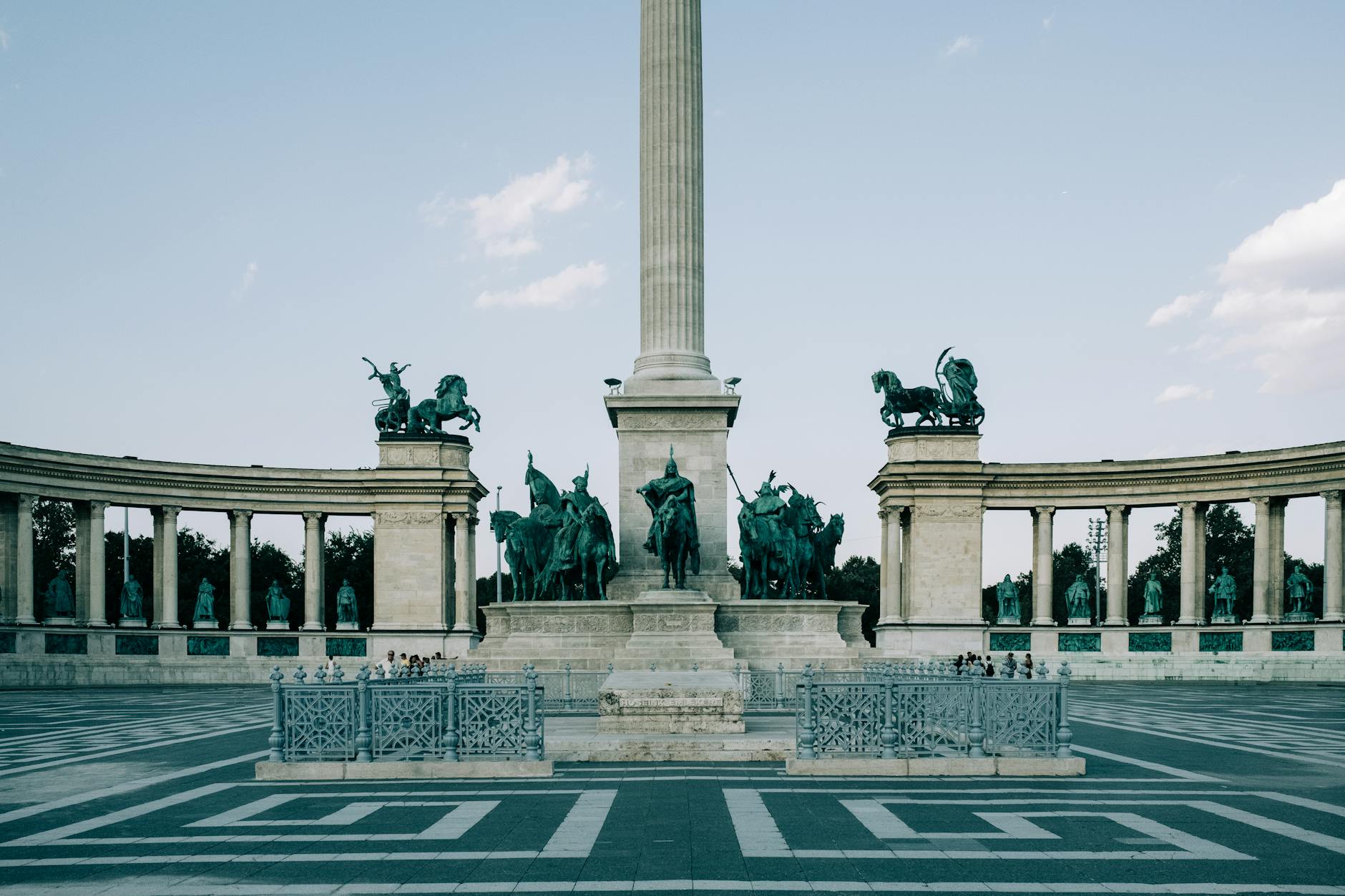
Northern Hungary hides the country's most dramatic scenery. The Bükk and Mátra highlands reach above 1,000 meters, and the Eger wine region produces the legendary Egri Bikavér, or Bull's Blood, a red blend with centuries of reputation.
The Tokaj wine region in the northeast holds UNESCO World Heritage status. Its volcanic soils produce sweet, botrytized wines that once filled the cellars of European royalty.
Which Cities Should You Visit?
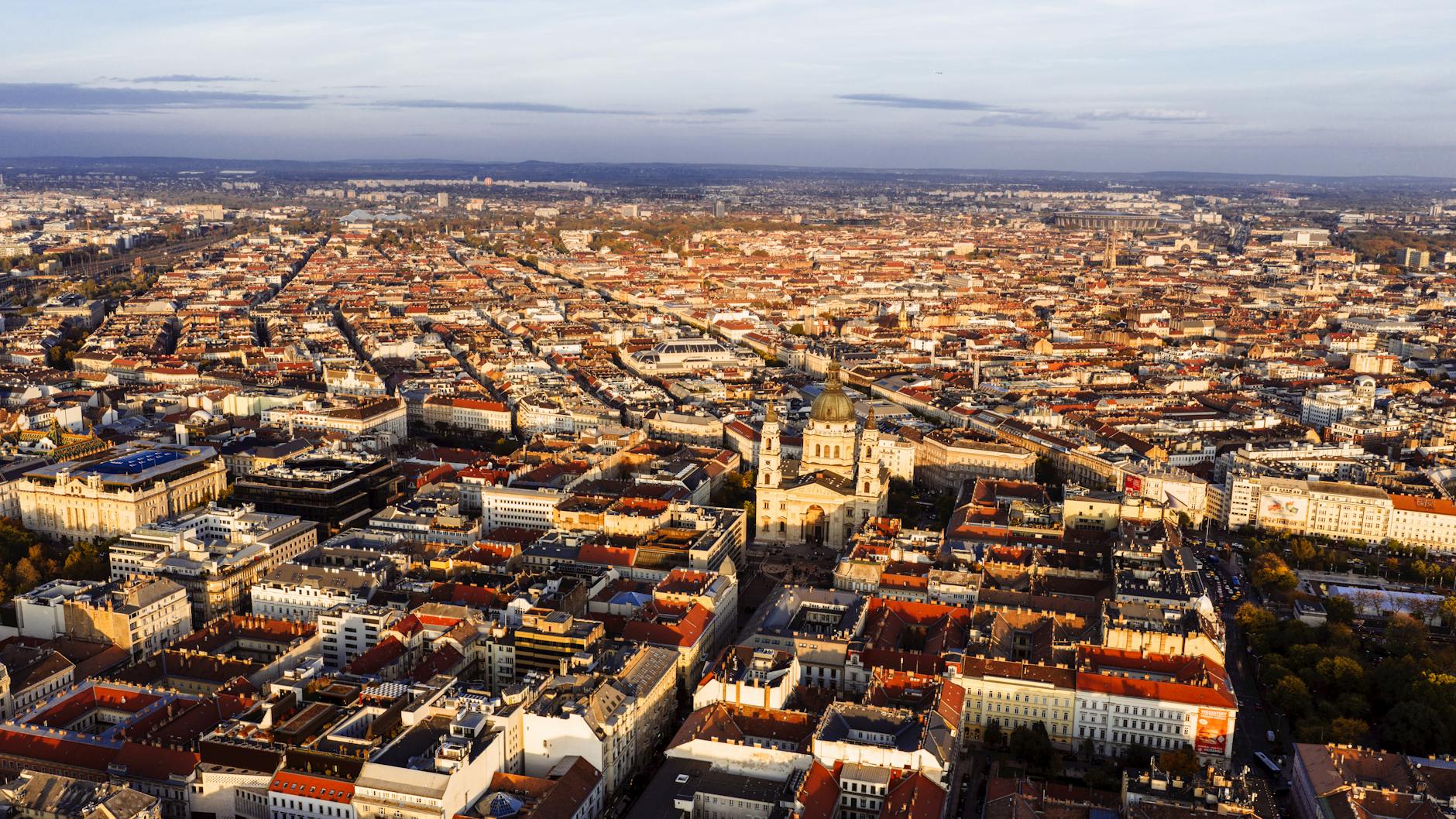
Budapest is the undeniable anchor. With a population of nearly 1.8 million, it accounts for roughly 18% of Hungary's entire population. The city splits across the Danube — hilly, historic Buda on one side, flat, buzzing Pest on the other.
Visitor reviews consistently praise the ruin bars of the Jewish Quarter, the chain bridges at dusk, and the sheer density of UNESCO-listed architecture. Budapest punches well above its weight among European capitals.
Debrecen, Hungary's second city with around 200,000 residents, sits in the heart of the Great Plain. It has a strong university culture, a vibrant carnival tradition, and the iconic Great Reformed Church, a symbol of Hungarian Protestantism.
Pécs in the south draws visitors with its Ottoman minaret, Roman archaeological sites, and one of Central Europe's oldest universities, founded in 1367. Eger rewards anyone who makes the drive north — a baroque town anchored by a heroic castle and surrounded by wine cellars carved into volcanic rock.
Culture, Traditions and Way of Life
Hungarian culture runs deep and fiercely independent. The Magyar language, unrelated to any major European tongue, remains a point of intense national pride and a genuine barrier for casual visitors.
Folk traditions are not museum pieces here. Embroidery patterns from Kalocsa and Matyó, still worn at festivals, have earned UNESCO recognition. Traditional dance houses — táncházak — fill on weekend nights in Budapest and provincial towns alike.
Music holds a special place in Hungarian identity. The legacy of Bartók and Kodály shaped 20th-century classical composition globally, and local guides will tell you that Hungarian children still learn music through the Kodály method in schools today.
Thermal baths are the great social equalizer. Office workers, pensioners, and tourists share the same mineral water at places like the Széchenyi Baths, open since 1913. The ritual involves no particular agenda — just heat, steam, and time.
Hungarians tend toward directness in conversation, which can read as bluntness to newcomers. But hospitality in homes is generous, especially in rural areas where a guest leaving hungry is considered a minor household failure.
Food: The Flavors of Hungary
Hungarian cooking is built on paprika, lard, and patience. Gulyás (goulash) is the flagship dish — a slow-cooked beef and paprika soup that bears little resemblance to the thick stews served abroad under its name.
Halászlé, a fiery fisherman's soup made with carp and hot paprika, is the dish of the Tisza River region. Travelers note that the Baja and Szeged versions spark genuine local debate about which is authentic.
Lángos — deep-fried dough topped with sour cream and cheese — is the definitive street food. Find it at any market or lakeside stand near Balaton for around 500–800 HUF (roughly €1.50–€2.50).
Pork dominates Hungarian tables. Mangalica pork, from a curly-haired heritage breed, has experienced a major culinary revival and now appears on both village butcher boards and Budapest fine-dining menus.
For dessert, Kürtőskalács (chimney cake) — a spit-roasted dough rolled in sugar and walnuts — is the traditional street sweet. Hungarian wines pair surprisingly well with the cuisine: dry Furmint from Tokaj or a robust Kékfrankos from Villány deserve attention.
Practical Information
Visa and Entry Requirements
Hungary is a member of the Schengen Area, meaning EU and EEA citizens travel freely with a national ID card. Citizens of the United States, Canada, Australia, and the UK can stay up to 90 days within any 180-day period without a visa.
Travelers from other countries should check requirements through the Hungarian consulate well in advance. The ETIAS authorization, expected to be implemented for visa-exempt non-EU nationals in coming years, will apply to Hungary as a Schengen state.
Budget and Cost of Living
Hungary remains one of the more affordable EU destinations. A solid sit-down meal in a Budapest restaurant averages 3,000–6,000 HUF (€8–€16) per person, while a thermal bath entry costs roughly 5,000–8,000 HUF (€13–€22).
Budget travelers can manage on €40–€60 per day including accommodation, food, and transport. Mid-range travelers spending €80–€120 daily access comfortable hotels, good restaurants, and private tours without financial strain.
Outside Budapest, prices drop noticeably. A restaurant meal in Debrecen or Pécs can cost 30–40% less than an equivalent Budapest experience.
Getting Around
Hungary's rail network, operated by MÁV, connects all major cities. Budapest to Debrecen takes around 2.5 hours by intercity train, and the fares are inexpensive — roughly 3,500–5,000 HUF one way.
Buses fill the gaps where trains don't reach, particularly for smaller towns and rural areas. Renting a car makes the most sense for exploring the wine regions, Lake Balaton's southern shore, or the national parks of Northern Hungary.
When to Visit Hungary?
Late spring (May–June) is widely considered the finest window. Temperatures sit comfortably between 18°C and 25°C, Budapest's outdoor markets and festivals run at full pace, and the tourist crowds haven't yet peaked.
Summer (July–August) brings heat — Budapest regularly exceeds 35°C — and the Balaton lake resorts fill to capacity. The energy is high, but so are prices and queues at major attractions.
Autumn in Hungary has a particular charm. September and October bring grape harvest festivals across Tokaj, Eger, and Villány, and the light on the Great Plain turns amber in ways that draw photographers from across Europe.
Winter deserves more credit than it receives. Budapest's Christmas markets around Vörösmarty Square rank among Europe's most atmospheric, and thermal baths feel even more rewarding when snow settles on the outdoor pools.
Local guides recommend avoiding the peak summer weeks of late July if tranquility matters — the Hungarian school holidays and European tourist season overlap almost perfectly, straining popular sites along the Danube Bend.
Frequently Asked Questions about Hungary
Similar Destinations
Explore more destinations in the same region of the world.
Vienna
Vienna, Austria reigns across Europe's grand capitals, from the gilded halls of Schönbrunn Palace to the…
DiscoverPrague
Prague, Czech Republic, casts Gothic spires, Baroque domes and riverside views around Charles Bridge, with…
DiscoverKrakow
Krakow, Poland's medieval capital, draws travelers with the royal grandeur of Wawel Castle, the vast beauty…
Discover