Explore Greece
1 destination to discover
Everything about Greece
Traveling to Greece means stepping into a place where ancient history and raw natural beauty collide in ways that few destinations can match. Whitewashed villages cling to cliffsides, turquoise water stretches to the horizon, and ruins that shaped Western civilization stand in open air.
Greece covers roughly 132,000 square kilometers and counts over 6,000 islands — fewer than 230 are inhabited. That sheer variety means every traveler finds a different Greece.
From the buzzing streets of Athens to the quiet fishing harbors of the Peloponnese, this country rewards curiosity. The deeper you look, the more it gives.
Why travel to Greece?
What sets Greece apart from other destinations
Greece sits at the crossroads of three continents, and that position has shaped everything — its food, its architecture, its people. The layering of civilizations here is unlike anywhere else in Europe.
A single day can move you from a 2,500-year-old temple to a beach bar playing deep house at sunset. That contrast is real, not manufactured for tourists.
Local guides recommend spending time beyond the postcard spots. The inland villages of Epirus or the monasteries of Meteora reveal a Greece that most visitors never reach.
Greece at a glance
Greece has a population of approximately 10.4 million people. Athens is home to roughly one-third of that total, making it one of Europe's most concentrated capitals.
The official language is Greek, and the currency is the euro. Greece joined the European Union in 1981 and the Eurozone in 2001.
The country shares land borders with Albania, North Macedonia, Bulgaria, and Turkey. Its coastline stretches over 13,000 kilometers — one of the longest in the world.
Regions and cities to explore
The main regions of Greece
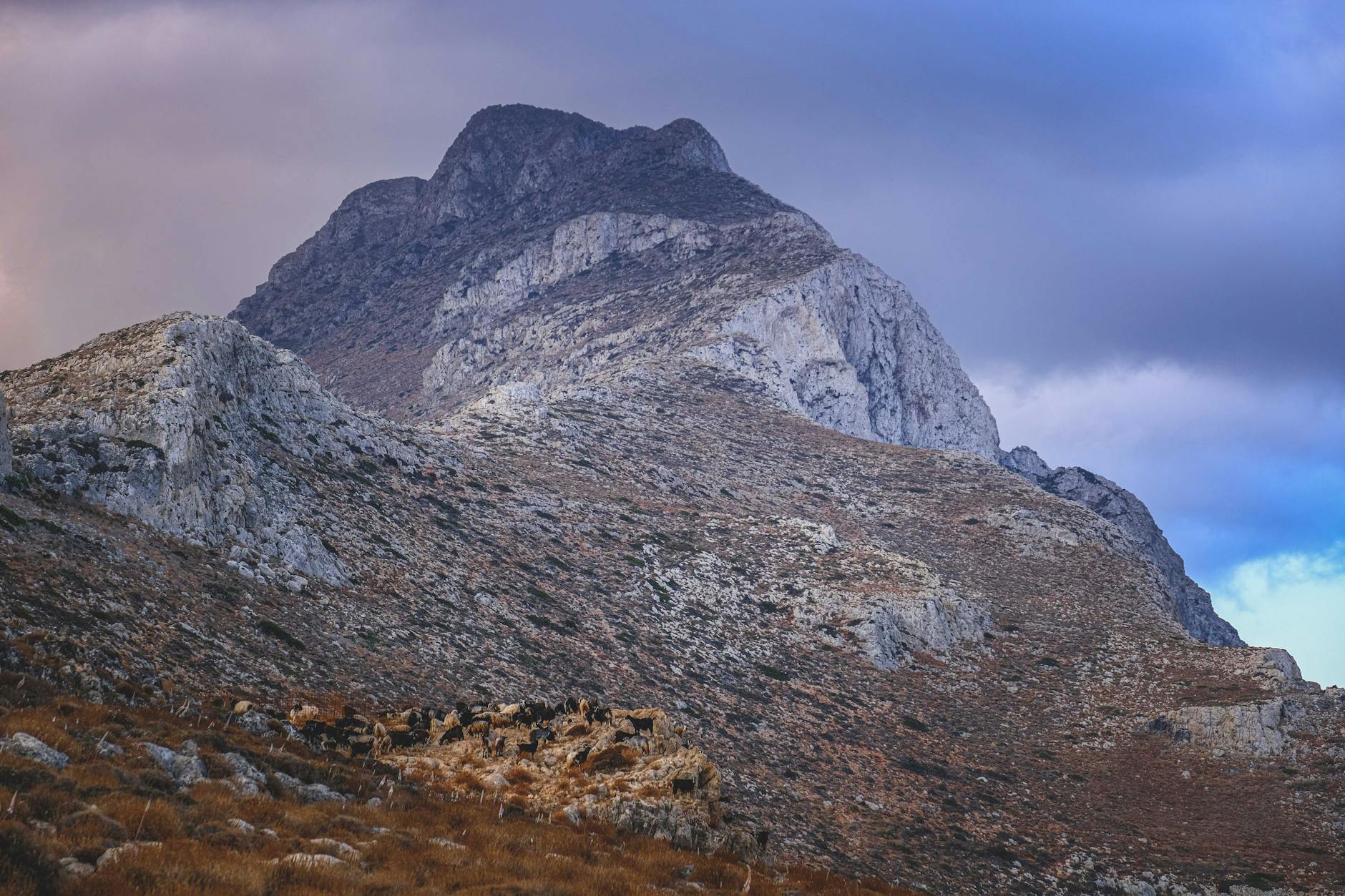
Greece divides into several distinct geographical zones, each with its own character. The mainland holds mountains, forests, ancient battlefields, and Byzantine monasteries.
The Ionian Islands, including Corfu, sit off the western coast and carry a strong Venetian and British architectural influence. Their landscapes are greener and lusher than the Aegean islands.
Crete, the largest island at 8,336 square kilometers, functions almost like a country within a country. It has its own dialect, its own cuisine, and its own fierce sense of identity.
The Cyclades and Dodecanese — home to Mykonos and Rhodes respectively — are the islands most travelers picture first. They deliver on that promise, though they can get crowded between July and August.
Which cities should you visit?
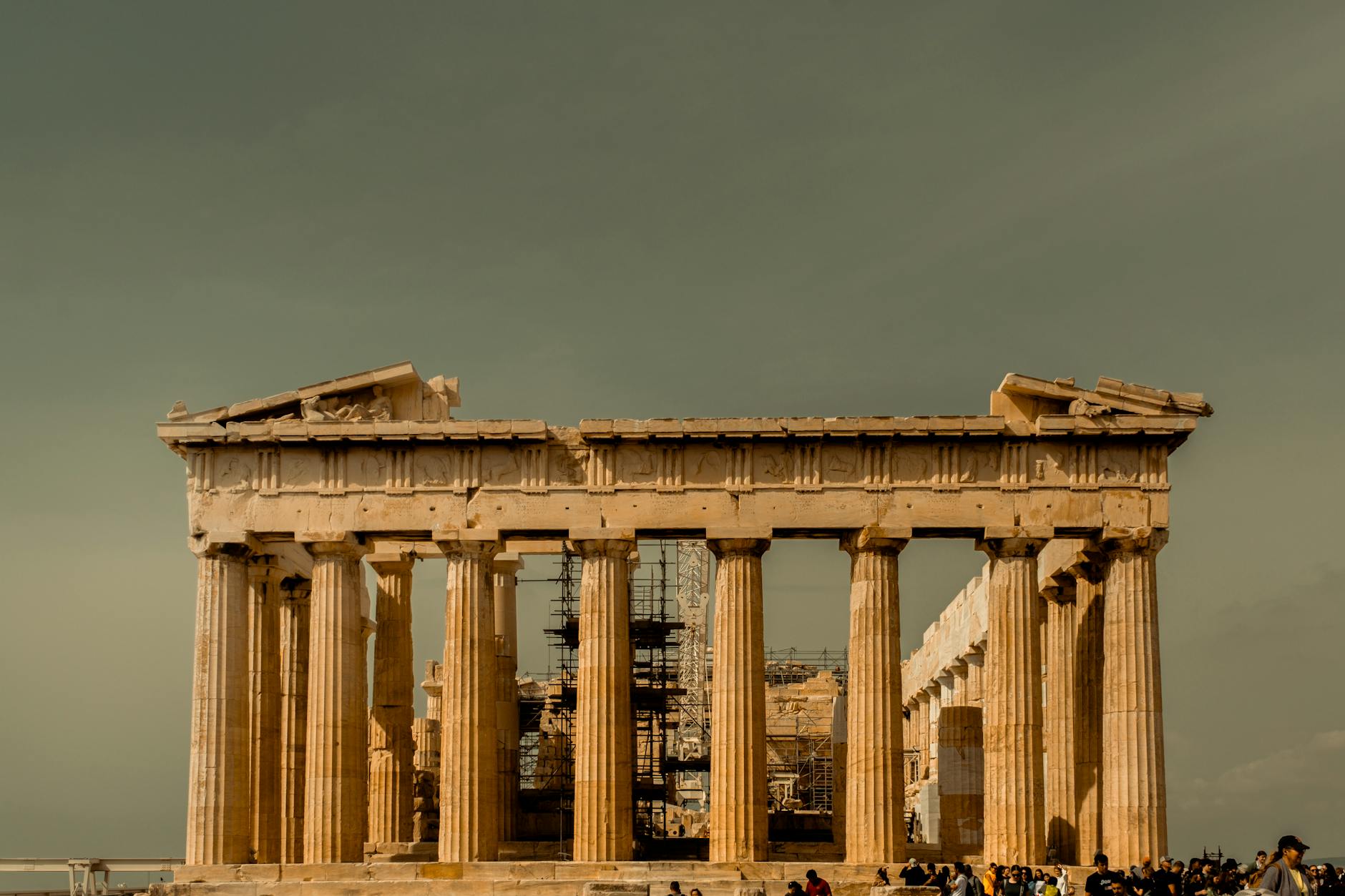
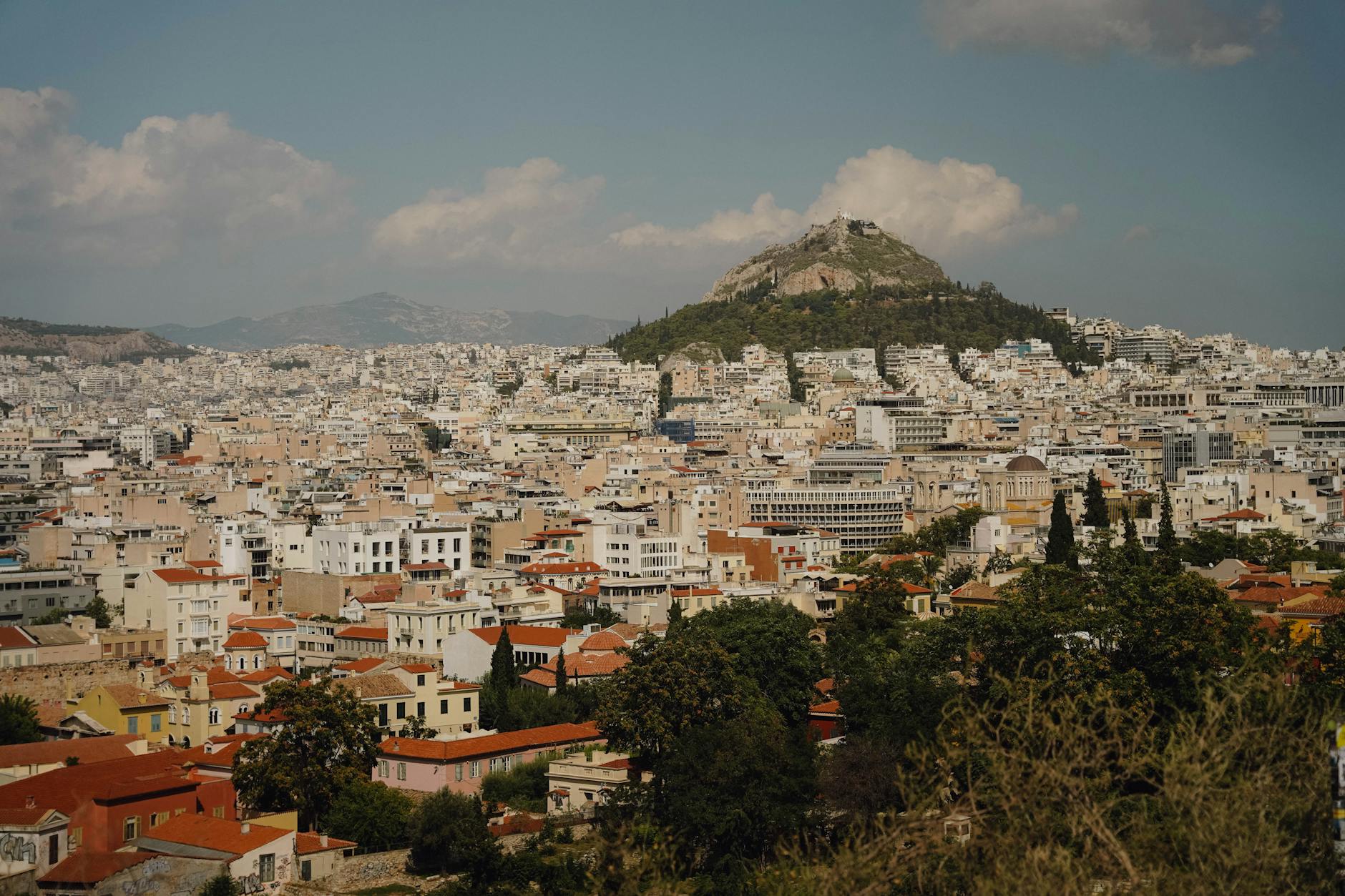
Athens anchors every Greek itinerary. The Acropolis alone justifies the trip, but the neighborhoods of Monastiraki and Exarchia show a gritty, creative city that keeps evolving.
Heraklion, the capital of Crete, is the gateway to the Minoan palace of Knossos — one of Europe's oldest civilization centers, dating back to 2000 BCE. Its archaeological museum ranks among the best on the continent.
Rhodes Town preserves a medieval walled city that UNESCO recognizes as a World Heritage Site. Walking its cobbled alleys after dark, when the day-trippers have left, feels genuinely cinematic.
Corfu Town blends Greek, Venetian, and French colonial layers into an architecture you won't find elsewhere. Patras, Greece's third-largest city, hosts Europe's largest carnival each February and serves as the main port for ferries to Italy.
Mykonos draws a cosmopolitan crowd and earns its reputation for nightlife. Visitor reviews confirm that arriving in late May or early September transforms the experience entirely — quieter, more authentic, still warm.
Culture, traditions and way of life
Greek culture runs on two parallel tracks: the ancient legacy that fills museums and ruins, and a living daily culture that feels intensely local. The concept of philoxenia — hospitality toward strangers — is not a tourism slogan. It shapes real interactions.
Orthodox Christianity remains central to Greek identity. Easter is the most important celebration of the year, far exceeding Christmas in emotional and social weight. The midnight service, the cracking of red eggs, the lamb on the spit the next morning — these are communal rituals, not performances.
Greeks eat late. Dinner before 9 p.m. marks you as a tourist in most cities. The afternoon siesta still holds in smaller towns, and many family-run shops close between 2 and 5 p.m.
Music weaves through public life. Rebetiko, the urban blues of the early 20th century, and its modern descendants still fill small live music venues called rebetadika. This is not background music — people argue about it, cry to it, dance to it.
Travelers note that Greeks are direct in conversation and quick to debate. Politics, football, and history are all discussed at high volume and with genuine passion. Joining the conversation, however haltingly, earns immediate respect.
Food: the flavors of Greece
Greek food is built on simplicity and quality of ingredients. Olive oil is not a condiment here — it is a foundation. Greece produces around 300,000 tons annually and consumes more per capita than any other country on earth.
Mezedes — small shared plates — define the Greek way of eating together. Tzatziki, taramosalata, grilled octopus, spanakopita, saganaki: the table fills gradually and the meal stretches for hours.
Each region carries its own specialties. Crete's dakos — barley rusk topped with tomato, olive oil, and mizithra cheese — is a revelation in its simplicity. Thessaloniki's bougatsa, a cream-filled pastry dusted with cinnamon, requires a dedicated visit.
Street food is serious business. A souvlaki wrap costs between 2.50 and 4 euros and routinely outperforms restaurant meals for pure satisfaction. Gyros, loukoumades, and cheese pies from bakeries sustain entire neighborhoods.
Greek wine deserves more attention than it typically gets. Assyrtiko from Santorini and Xinomavro from Naoussa hold their own against anything in France or Italy. Local wine starts around 8 to 12 euros per bottle in a restaurant.
Practical information
Visa and entry requirements
Greece is a member of the Schengen Area. Citizens of EU countries enter freely with a national ID card. Travelers from the United States, Canada, Australia, and the UK can stay up to 90 days within any 180-day period without a visa.
From 2025, non-EU visitors will need to register through the ETIAS system — a pre-travel authorization similar to the US ESTA. It is expected to cost around 7 euros. Always verify current entry rules before booking.
Budget and cost of living
Greece spans a wide budget range. Athens and Mykonos can be expensive — a mid-range hotel in Athens runs 90 to 150 euros per night, while Mykonos easily doubles that in high season.
Smaller islands and mainland towns stay far more affordable. A full taverna meal with wine costs 15 to 25 euros per person in most non-resort areas. Daily budgets of 60 to 80 euros are realistic for budget-conscious travelers outside the peak islands.
Getting around
Domestic flights connect Athens to major islands and cities quickly. Aegean Airlines and Sky Express run frequent routes, with fares sometimes under 40 euros booked in advance.
Ferries are the classic way to island-hop. The port of Piraeus, just outside Athens, connects to hundreds of destinations. Journey times range from 45 minutes by hydrofoil to 9 hours by overnight ferry.
Renting a car or scooter transforms access to rural areas and secondary beaches that buses simply don't reach. Roads on larger islands are generally good.
When to visit Greece?
Greece peaks in July and August. Temperatures reach 35–40°C on many islands, ferries fill weeks in advance, and Mykonos and Santorini operate at maximum capacity. The experience exists, but it comes with crowds and inflated prices.
May, June, and September hit the sweet spot. Temperatures stay in the mid-20s to low 30s, the sea is warm, and most tourism infrastructure runs fully without the summer crush.
Spring brings wildflowers across the mainland and cooler hiking conditions. The Peloponnese and northern Greece are particularly beautiful between April and early June, when tourist numbers stay low.
Winter travel suits Athens and Thessaloniki well. Museums are quiet, prices drop sharply, and the city culture — cafés, galleries, restaurants — runs in full swing. Most island businesses close from November through March.
Travelers note that Greek Easter — which follows the Orthodox calendar and often differs from Western Easter by one to four weeks — is worth planning around specifically. It is the most atmospheric week in the Greek calendar, regardless of the season.
Frequently Asked Questions about Greece
Similar Destinations
Explore more destinations in the same region of the world.
Porto
Porto, Portugal's northern gem, pulls travelers in with the medieval lanes of the Ribeira, centuries-old Port…
DiscoverFlorence
Florence, Italy draws travelers into a Renaissance world where the Duomo, the Uffizi Gallery, and Ponte…
DiscoverVenice
Venice, Italy, rises from the Adriatic lagoon as a living masterpiece, where St. Mark's Square, the Rialto…
Discover