Explore Egypt
1 destination to discover
Everything about Egypt
Traveling to Egypt means stepping into one of the oldest living civilizations on Earth, where ancient monuments stand alongside bustling modern cities and the Nile still shapes daily life after thousands of years.
Few countries pack this density of history into a single journey — pharaonic temples, Greco-Roman ruins, Coptic churches, and Islamic architecture all within reach of each other.
Egypt stretches across nearly 1 million square kilometers, most of it desert, with a population of over 104 million people concentrated along the Nile Valley and the Mediterranean coast.
Why Travel to Egypt?
What Sets Egypt Apart from Other Destinations
Egypt carries a weight that very few places match. The pyramids of Giza are not just monuments — they are the last surviving wonder of the ancient world, and standing at their base still stops people in their tracks.
Beyond the pharaonic legacy, Egypt sits at a geographical and cultural crossroads. The meeting point of Africa, the Middle East, and the Mediterranean gives the country a layered identity found nowhere else.
Visitor reviews consistently highlight the contrast: ultra-modern Cairo neighborhoods minutes from medieval Islamic bazaars, Red Sea reefs ranked among the world's finest, and Nubian villages in the deep south that feel like a separate country entirely.
Egypt at a Glance
Egypt covers 1,002,450 square kilometers, making it the third-largest country in Africa. The Nile, at 6,650 km long, runs through its heart like a spine, and virtually all agriculture follows its banks.
The currency is the Egyptian pound (EGP). Arabic is the official language, though English is widely spoken in tourist areas. Islam is the dominant religion, practiced by around 90% of the population.
Egypt receives roughly 13 to 15 million international visitors per year, drawn by history, beach resorts, diving, and desert adventures. The tourist infrastructure is well-developed and improving steadily.
Regions and Cities to Explore
The Main Regions of Egypt
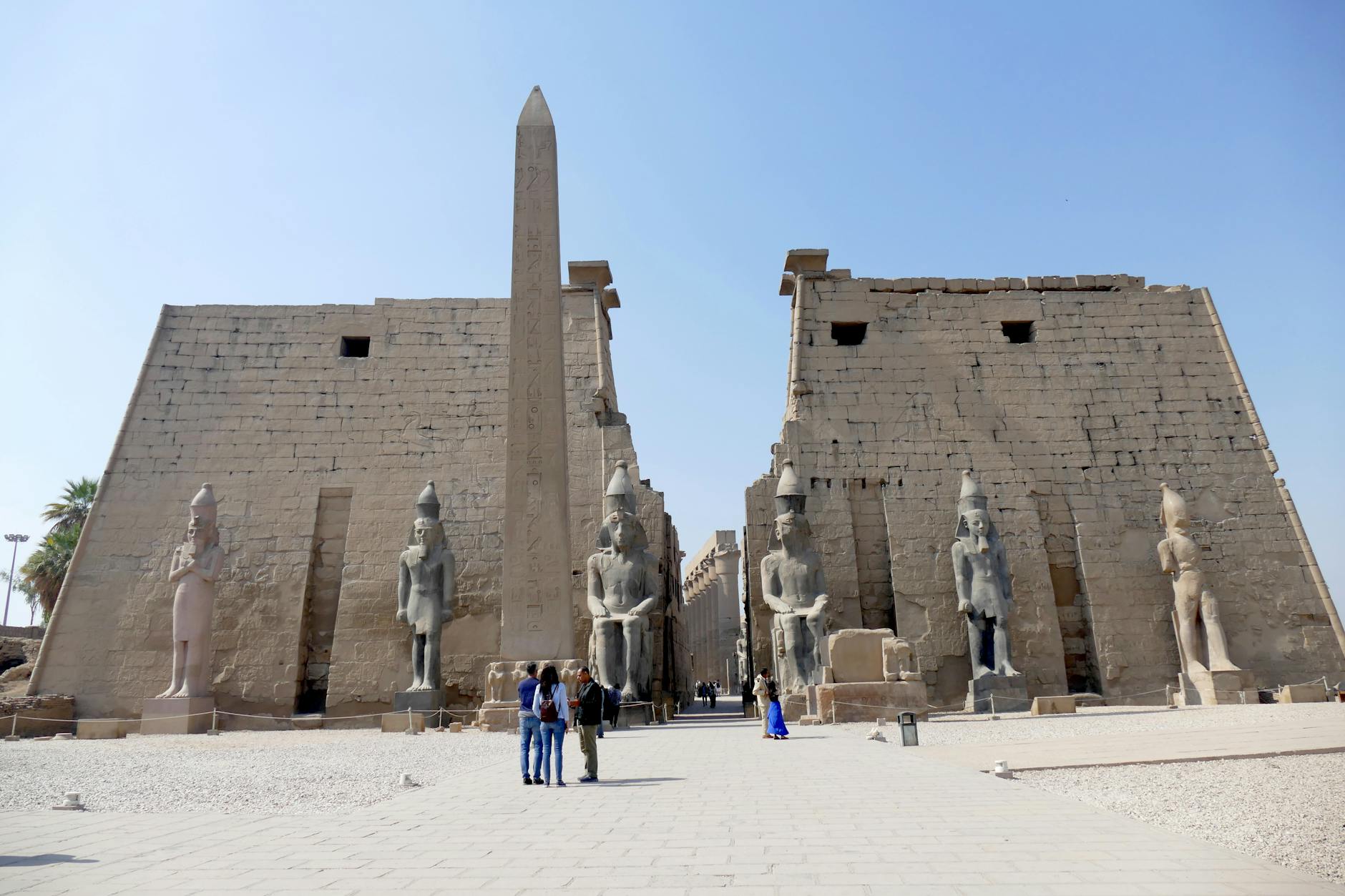
The Nile Valley and Delta form the historical and demographic core of the country. This is where the great temples, tombs, and ancient capitals were built — from Cairo in the north down to Aswan in the far south.
The Sinai Peninsula connects Africa to Asia and holds some extraordinary contrasts. Mount Sinai rises sharply from the desert floor, while the Gulf of Aqaba coastline at Sharm el-Sheikh draws divers from across the world.
The Western Desert covers over 680,000 square kilometers and hides remarkable surprises. The White Desert's chalk formations, the Siwa Oasis near the Libyan border, and the lush Fayoum depression all reward travelers willing to go off the main circuit.
The Red Sea coast runs for hundreds of kilometers south from Suez. Coral ecosystems here are among the healthiest in the world, and the water visibility frequently exceeds 30 meters.
Which Cities Should You Visit?
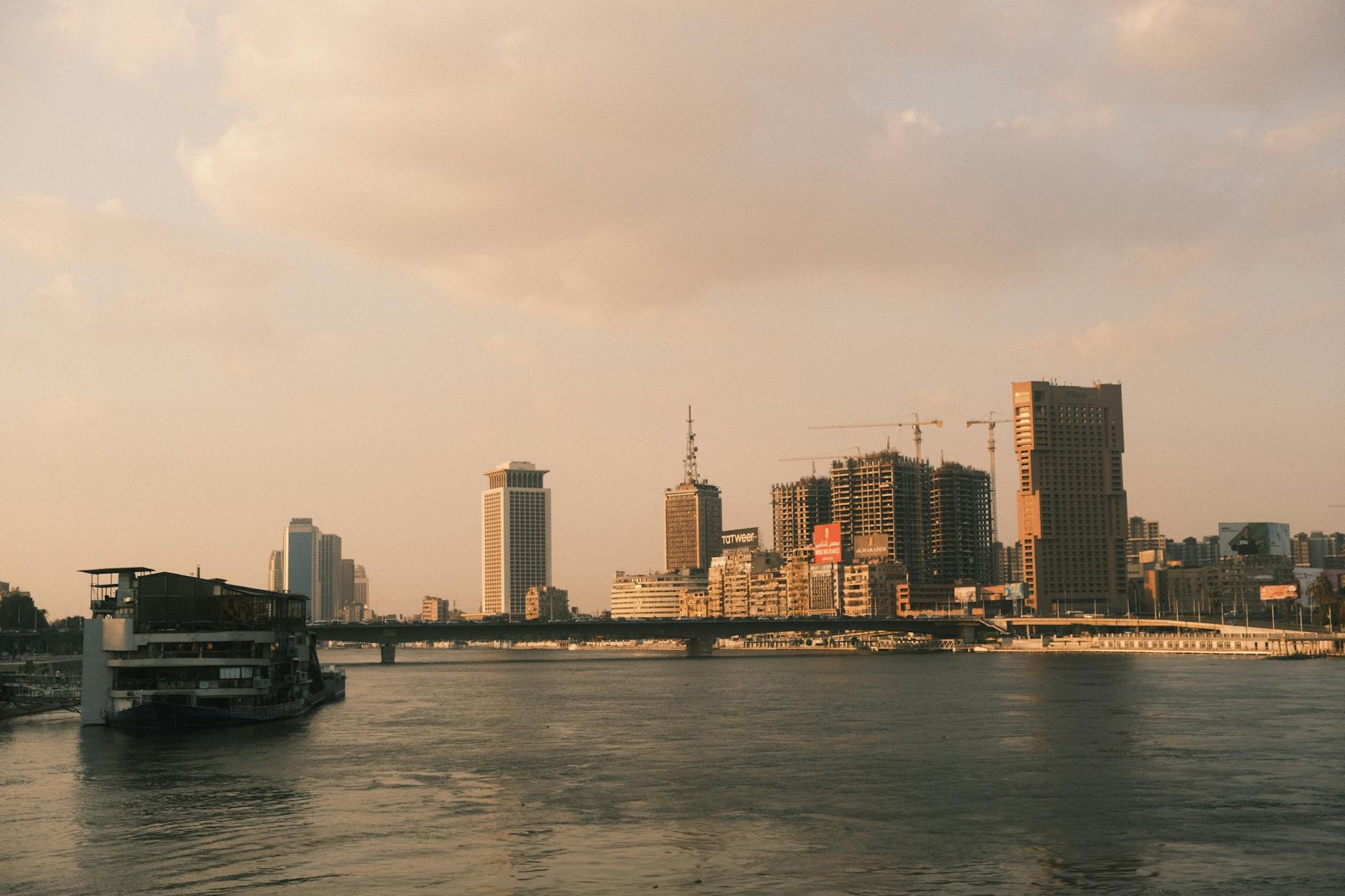
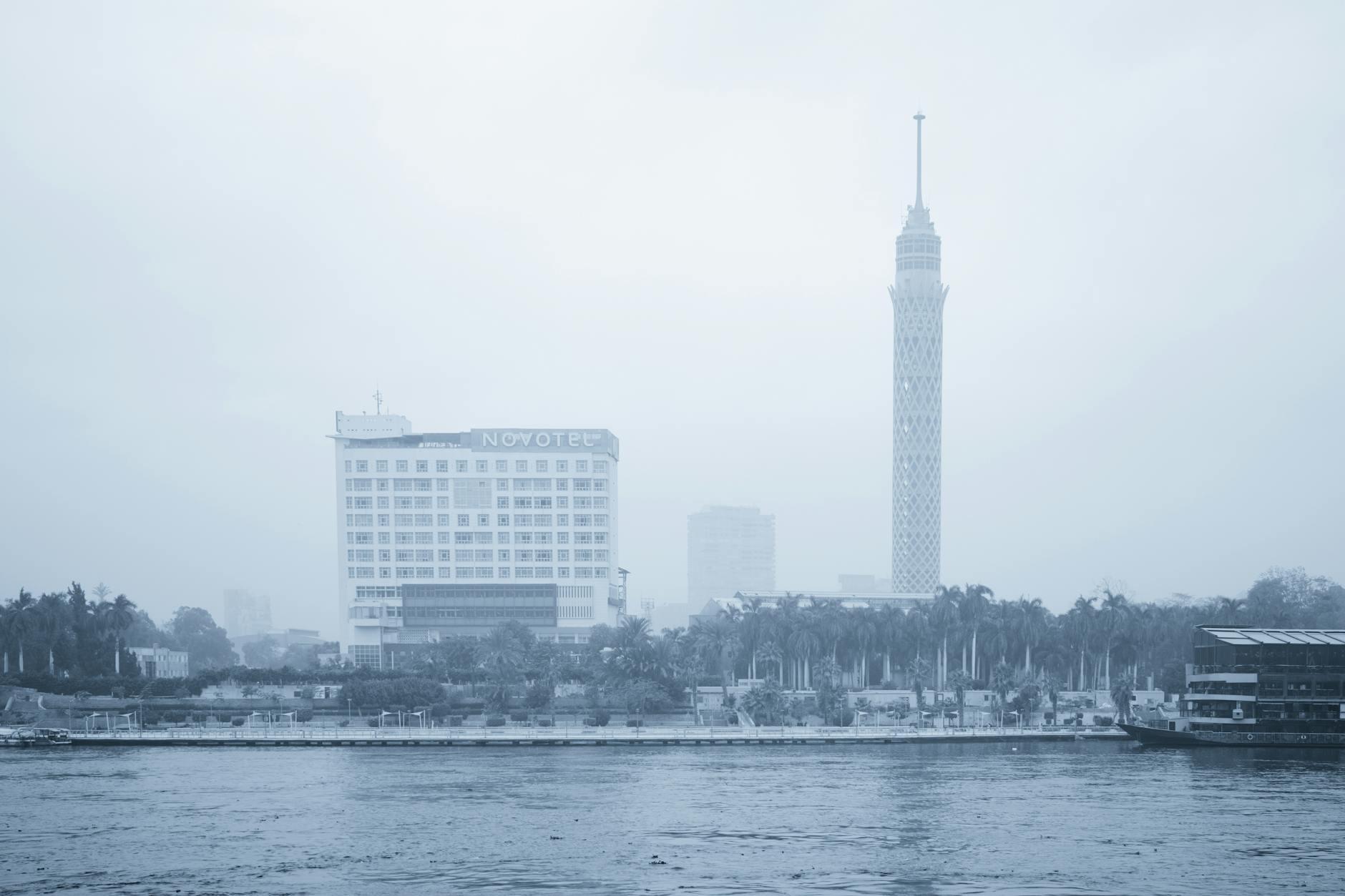
Cairo is the undeniable center of gravity — a megacity of over 21 million people where Islamic Cairo's medieval lanes, the Egyptian Museum, and the Giza Plateau all compete for attention. Budget at least three full days here.
Alexandria on the Mediterranean coast carries the ghost of its Hellenistic past. The Bibliotheca Alexandrina, the catacombs of Kom el-Shoqafa, and the Corniche seafront make it a compelling two-day stop.
Aswan is the most relaxed city on the Nile circuit. Local guides recommend spending time on Elephantine Island and taking a felucca ride at sunset before heading to the temples of Abu Simbel nearby.
Hurghada on the Red Sea coast is Egypt's main beach destination, particularly popular with European visitors. Liveaboard diving trips to offshore reefs depart from here regularly, and the year-round sunshine makes it a reliable resort base.
Culture, Traditions and Way of Life
Egyptian society is deeply family-oriented and rooted in Islamic values, though the country's cosmopolitan history — Greek, Roman, Ottoman, British — has created a culture of remarkable openness and adaptability.
Hospitality is not a tourist performance in Egypt — it runs deep. Invitations to tea from strangers are genuine, bargaining in markets is a social ritual, and local conversation is warm and direct.
Ramadan reshapes the entire country for a month. Restaurants close during daylight hours, the pace slows, and after sunset the streets fill with celebratory energy. Travelers note that visiting during Ramadan is one of the most atmospheric times to experience Egyptian culture.
Friday is the day of rest and prayer. The call to prayer five times daily marks the rhythm of life in every Egyptian city and town. Mosques are generally open to respectful non-Muslim visitors outside prayer times.
Dress modestly, especially outside of beach resorts and tourist hotels. Women covering their hair in mosques and markets is appreciated, not just in the devout south but across the country. Reading basic etiquette before arrival saves awkward moments later.
Egypt also has a vibrant Coptic Christian minority of around 10%, with ancient churches and monasteries scattered across the country. The Coptic quarter of Cairo alone contains some of the oldest Christian sites in the world.
Food: The Flavors of Egypt
Egyptian food is honest, filling, and built around legumes, flatbreads, and slow-cooked stews. It doesn't chase trends — it has been feeding people along the Nile for millennia.
Ful medames — slow-cooked fava beans with garlic and lemon — is the national breakfast dish eaten by everyone from street vendors to hotel guests. Simple, nutritious, and genuinely delicious.
Koshari is Egypt's most beloved street food: a generous bowl of rice, lentils, pasta, crispy fried onions, and spiced tomato sauce. A portion costs around 15 to 25 EGP (less than $1 USD) and is found on every corner in Cairo.
Along the Nile and the coast, fresh fish and grilled seafood dominate the menus. Alexandrian-style grilled fish seasoned with cumin and coriander is a regional specialty that travelers consistently recommend seeking out.
Meat dishes include hawawshi (spiced minced meat in crispy bread) and kofta grilled over charcoal. Egyptian mezze spreads — baba ghanoush, tahini, vine leaves — closely resemble Lebanese and Turkish equivalents but with their own local character.
Tea — strong, black, and sweet — is the national drink. Karkadeh, a vibrant hibiscus infusion served hot or cold, is Egypt's most distinctive non-alcoholic beverage and widely recommended by local guides.
Practical Information
Visa and Entry Requirements
Most nationalities can obtain a tourist visa on arrival at Cairo, Hurghada, and Sharm el-Sheikh airports. The fee is typically $25 USD, payable in foreign currency at the bank counter before passport control.
An e-visa is available through Egypt's official portal for visitors who prefer to arrange documentation in advance. The standard tourist visa allows a stay of up to 30 days, extendable at the Mogamma administration building in Cairo.
Passport validity of at least six months beyond your intended stay date is required. Always check current entry requirements through your country's foreign affairs website before departure, as policies can shift.
Budget and Cost of Living
Egypt is one of the most affordable countries in the world for international visitors right now. The Egyptian pound has depreciated significantly in recent years, meaning foreign currency stretches considerably further than it did a decade ago.
Budget travelers can manage comfortably on $30 to $40 USD per day, covering a hostel bed, street food, and local transport. Mid-range hotels in Cairo run $50 to $120 per night, while Nile cruises between Luxor and Aswan start at around $150 per person for a three-night package.
Museum entry fees add up — the Egyptian Museum costs around 300 EGP — so plan for that budget separately. Tipping (baksheesh) is expected and appreciated across the service industry.
Getting Around
Egypt's rail network connects Cairo, Alexandria, Luxor, and Aswan efficiently. The overnight sleeper train from Cairo to Aswan is a classic experience that saves a hotel night and covers enormous distance.
Domestic flights link Cairo to Hurghada, Sharm el-Sheikh, and Luxor in under an hour. Air Arabia Egypt and EgyptAir run frequent services at reasonable fares.
In cities, ride-hailing apps like Uber and Careem work well in Cairo and Alexandria. Intercity buses run by Go Bus and GoBus serve most routes reliably and cheaply.
When to Visit Egypt?
The short answer: October through April is the best window for most of Egypt. Temperatures are comfortable for sightseeing — between 18°C and 28°C across most of the country — and the light in the Nile Valley is extraordinary in winter.
Summer (June to August) brings brutal heat to Cairo, Luxor, and Aswan, where temperatures regularly exceed 40°C. The Red Sea coast remains tolerable thanks to sea breezes, and this is high season for beach resorts.
March and April bring the khamsin — hot dusty winds from the Western Desert that occasionally reduce visibility and coat everything in fine sand. Not dangerous, but uncomfortable for outdoor sightseeing days.
Travelers note that December and January are the peak tourist months, meaning higher prices and larger crowds at major sites like the Pyramids and the Valley of the Kings. Booking accommodation and Nile cruises well in advance is strongly recommended for this window.
Spring (late February to early April) hits a sweet spot — mild temperatures, fewer crowds than December, and the Egyptian countryside briefly green along the Nile Delta before the summer heat sets in.
Frequently Asked Questions about Egypt
Similar Destinations
Explore more destinations in the same region of the world.