Explore Denmark
1 destination to discover
Everything about Denmark
Traveling to Denmark means stepping into a country where minimalist design meets centuries-old Viking heritage, and where cycling culture is as embedded in daily life as coffee and candlelit evenings. Few places in Northern Europe balance modernity and tradition so effortlessly.
Denmark occupies a peninsula and over 400 islands scattered across the North Sea and the Baltic. Its population hovers around 5.9 million, yet it consistently ranks among the happiest nations on earth.
From the colorful harbors of Copenhagen to the windswept dunes of Jutland, the country rewards travelers who venture beyond the obvious. There is always something quieter, older, or more surprising just around the next bend.
Why travel to Denmark?
What sets Denmark apart from other destinations
Denmark moves at a pace that feels almost radical in today's world — unhurried, intentional, deeply human. Cities are built around cyclists and pedestrians, not cars.
The concept of hygge — a Danish word roughly meaning cozy togetherness — shapes how locals socialize, decorate, and eat. Visitors feel it almost immediately in the warm glow of a neighborhood café or a candlelit dinner table.
With a coastline stretching over 7,300 kilometers, dramatic cliffs, medieval castles, and some of the world's most decorated restaurants, Denmark punches far above its weight as a travel destination.
Denmark at a glance
Denmark covers approximately 43,000 square kilometers, making it compact and easy to navigate. The capital is Copenhagen, home to roughly 800,000 people in the city proper.
The country borders Germany to the south and connects to Sweden via the Øresund Bridge, one of the most iconic fixed links in Europe. Danish is the official language, though English is spoken virtually everywhere.
The currency is the Danish krone (DKK). Denmark is part of the EU but has not adopted the euro, so travelers should plan accordingly.
Regions and cities to explore
The main regions of Denmark
Denmark divides into five administrative regions, each with its own distinct character. The Capital Region anchors the country's cultural and economic life on the island of Zealand.
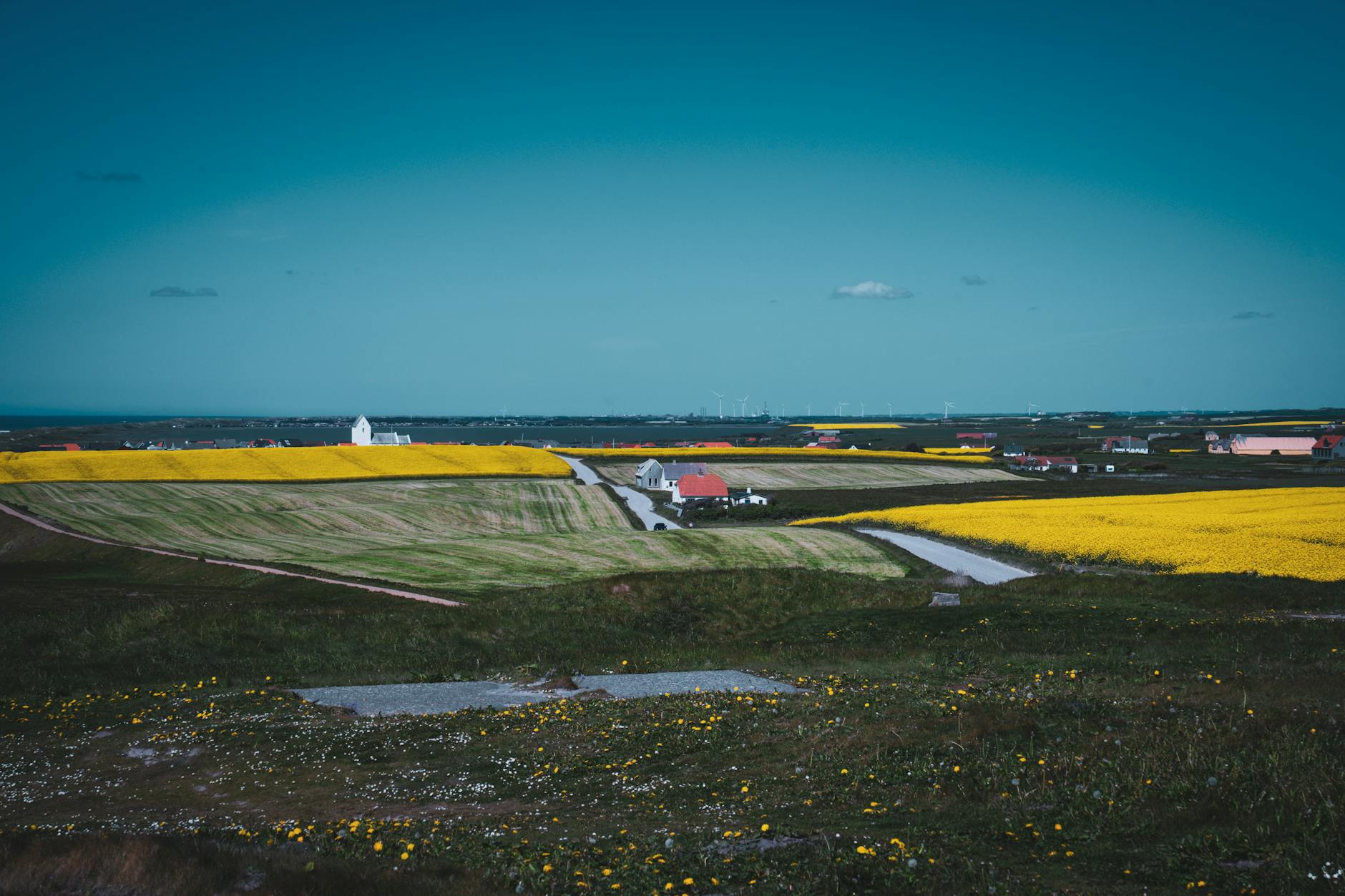
Jutland, the mainland peninsula, is the largest landmass and arguably the most geographically diverse. It ranges from fertile farmland in the east to raw, windblown heathland and dunes along the North Sea coast.
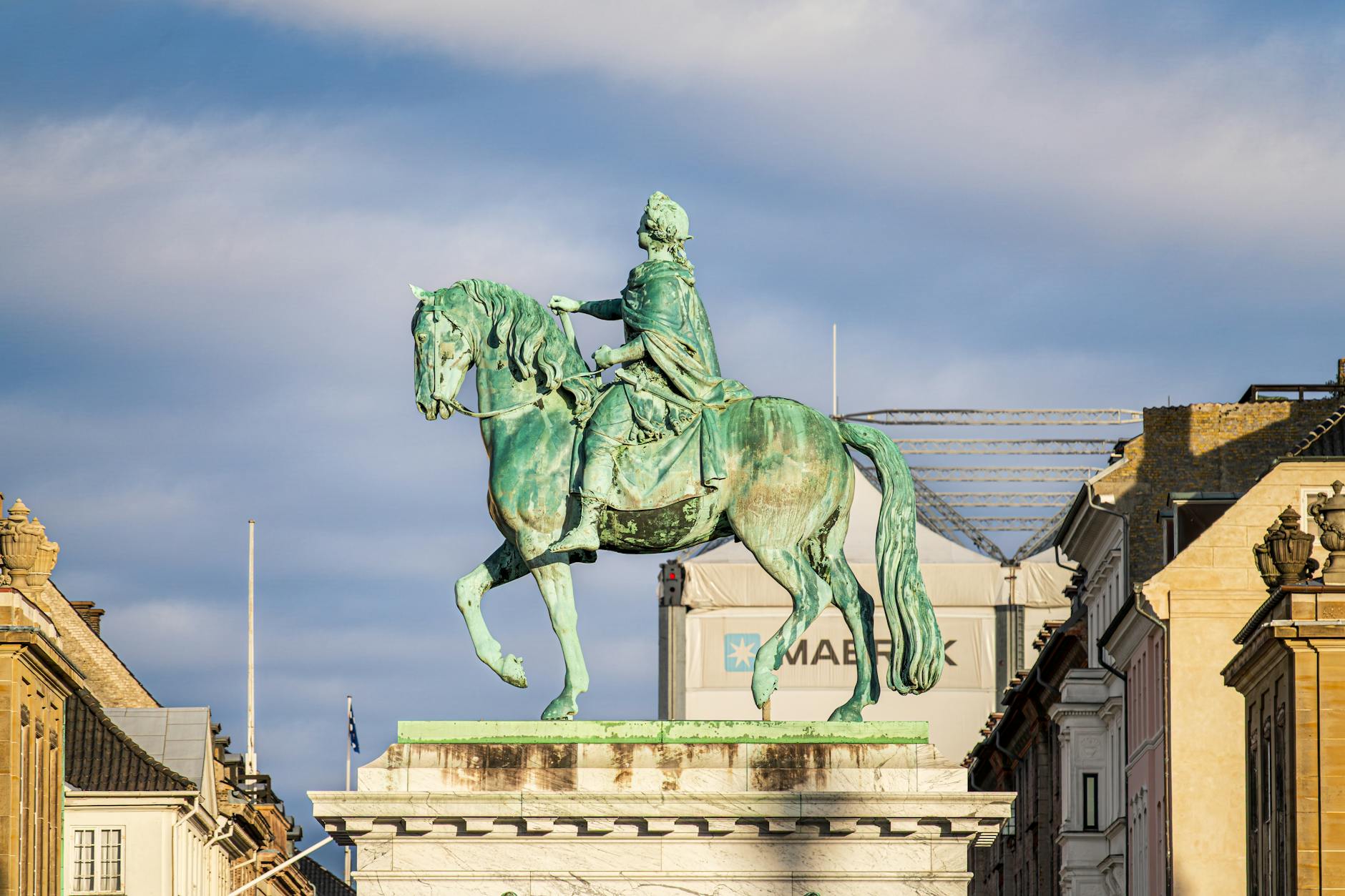
Funen, sometimes called the garden of Denmark, sits between Jutland and Zealand. Rolling countryside, manor houses, and the birthplace of Hans Christian Andersen define this quietly beautiful island.
The smaller islands — Bornholm in the Baltic, Møn with its white chalk cliffs, Ærø with its cobblestone villages — each deserve their own trip. Bornholm alone draws visitors with round medieval churches and a thriving food and craft culture.
Which cities should you visit?
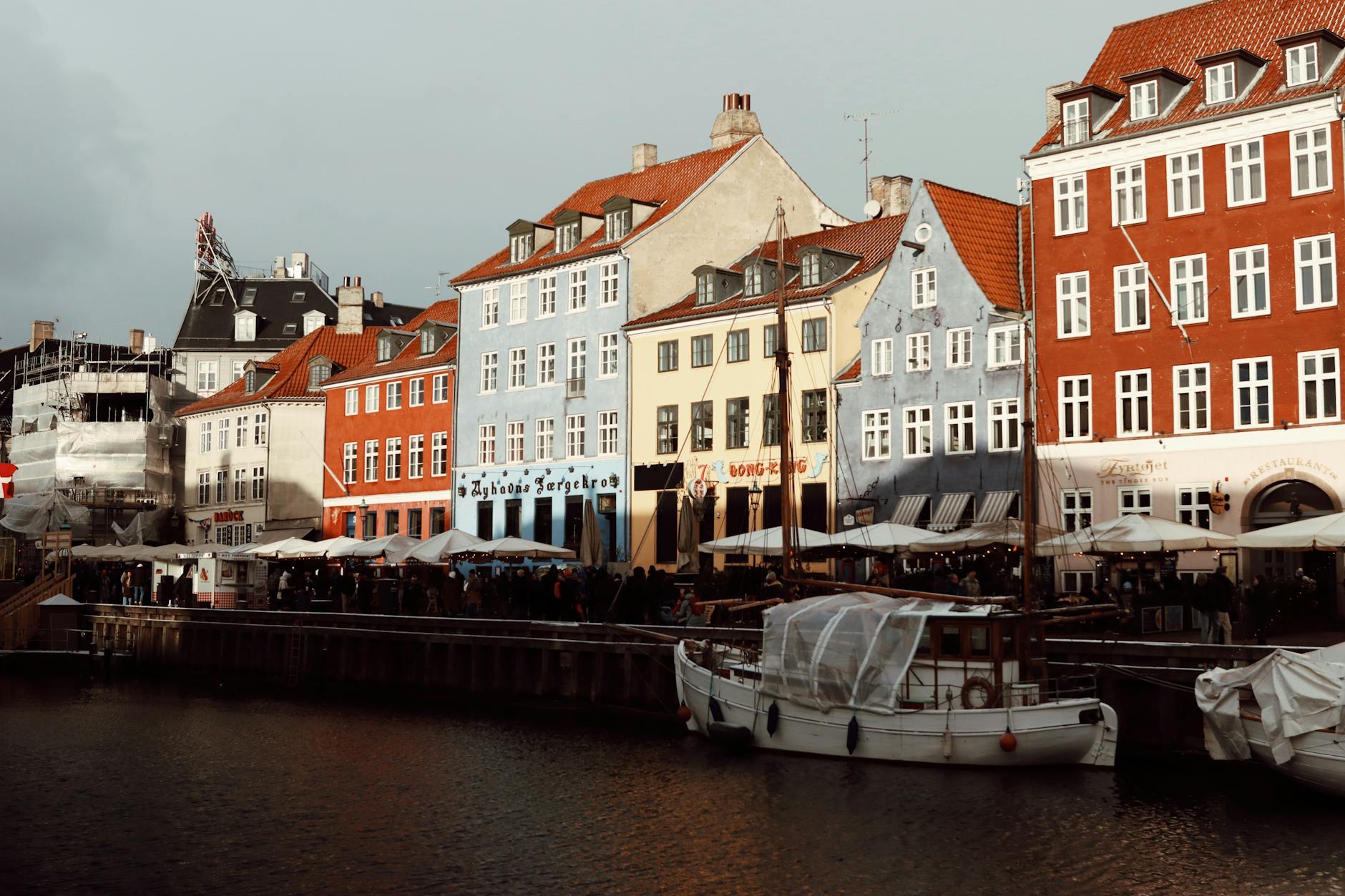
Copenhagen is the obvious starting point. World-class museums, the old Nyhavn harbor district, and a restaurant scene that has defined Nordic cuisine for two decades — the capital delivers on every level.
Aarhus, Denmark's second-largest city with around 350,000 inhabitants, is younger in energy and increasingly recognized on the international cultural map. The ARoS art museum, topped by a rainbow panorama walkway, is one of the most visited attractions in the entire country.
Aarhus also hosts Den Gamle By, an open-air museum recreating Danish urban life across three centuries. Local guides recommend spending at least half a day here — it reads as a living history book rather than a static exhibit.
Beyond these two anchors, Odense on Funen charms with its Hans Christian Andersen connections and medieval cathedral. Aalborg in northern Jutland surprises with a revitalized waterfront and a Viking burial ground at Lindholm Høje just minutes from the city center.
Culture, traditions and way of life
Danish culture is built on a deep sense of equality. The Jante Law — a social code discouraging individual boastfulness — still quietly influences how Danes interact, even in cosmopolitan Copenhagen.
Cycling is not a hobby here; it is infrastructure. Copenhagen alone has over 390 kilometers of dedicated cycle lanes, and roughly 62% of residents commute by bike daily. Visitors are strongly encouraged to rent one.
Design permeates everything from park benches to hospital architecture. Danish design heritage — Arne Jacobsen's chairs, Bjarke Ingels's buildings, Bang & Olufsen's speakers — reflects a national philosophy that beauty and function belong together.
Midsummer, or Sankt Hans Aften, is celebrated on June 23rd with bonfires on beaches across the country. Locals gather to burn effigies of witches and sing traditional songs — a vivid, communal ritual that feels nothing like a tourist performance.
Danes also take Christmas seriously. Advent markets appear in town squares from late November, and the tradition of drinking warm gløgg while shopping for handmade gifts is something travelers repeatedly mention as a highlight of winter visits.
Food: the flavors of Denmark
Danish food has undergone a genuine transformation over the past two decades. New Nordic cuisine, pioneered by chefs like René Redzepi at Noma, placed Denmark firmly on the global gastronomic map.
But everyday Danish food is equally compelling. Smørrebrød — open-faced rye bread sandwiches topped with pickled herring, roast beef, or egg salad — is the nation's true culinary soul. Every town has a deli or lunchroom doing its own version.
Rye bread, or rugbrød, is dense, dark, and found on almost every breakfast table. Visitor reviews confirm it is an acquired taste that most people acquire very quickly.
Æbleskiver — round, fluffy pancake balls dusted with powdered sugar — appear at Christmas markets and family gatherings. They are eaten with jam and are almost impossible to stop at one.
Street food has grown dramatically since Copenhagen Street Food launched on Reffen, a waterfront market near the harbor. Expect everything from Korean tacos to smoked fish straight off the boat.
Budget-conscious travelers should note that a sit-down lunch in a mid-range restaurant runs approximately 150–200 DKK. A beer in a Copenhagen bar typically costs 60–90 DKK.
Practical information
Visa and entry requirements
Denmark is a member of the Schengen Area, which means EU and EEA citizens enter with a national ID card or passport. No visa is required for stays under 90 days.
Citizens of the United States, Canada, Australia, and many other countries also enter without a visa for short stays. From 2025, the ETIAS authorization will be required for non-EU nationals — travelers should check current requirements before booking.
Travelers arriving via Copenhagen Airport (CPH), Scandinavia's busiest hub, will find border procedures generally smooth and well-organized.
Budget and cost of living
Denmark is not cheap. Copenhagen consistently ranks among Europe's most expensive capitals, with average hotel rates starting around 900–1,200 DKK per night for a mid-range double room.
Daily budgets for a comfortable independent trip typically run 800–1,500 DKK per person, excluding accommodation. Aarhus and smaller cities tend to be noticeably more affordable than the capital.
Free or low-cost attractions — beaches, cycling routes, forest walks — help balance the budget. The Copenhagen Card covers public transport and museum entries across the capital, often paying for itself within two days.
Getting around
Denmark's rail network, operated by DSB, connects major cities reliably. Copenhagen to Aarhus takes roughly three hours by train. The country also has an extensive intercity bus network for budget-conscious travelers.
Ferries connect the mainland to most islands, with several routes running year-round. Renting a bicycle is the single best way to explore cities and coastal areas alike — rental shops are everywhere and infrastructure is world-class.
When to visit Denmark?
Summer, from June to August, is peak season. Days stretch to nearly 18 hours of daylight, outdoor festivals fill the calendar, and coastal towns buzz with activity. Expect higher prices and advance booking to be necessary.
June is particularly appealing — crowds are slightly thinner than July, yet the weather is warm and long evenings create a genuinely magical atmosphere in harbor towns and island villages.
Autumn, from September to November, brings golden light across Jutland's heathland and a quieter, more local rhythm to city life. Museum queues shorten, restaurant tables free up, and accommodation prices drop.
Winter draws travelers specifically for the Christmas season. Copenhagen's Tivoli Gardens transforms into one of Europe's most celebrated winter markets. Temperatures hover between 0°C and 5°C — cold but manageable with proper clothing.
Spring — April and May — is an underrated window. Wildflowers bloom along the coastlines, migratory birds return to the tidal flats of the Wadden Sea, and the country wakes up with a tangible sense of renewal.
Visitor reviews consistently flag late June and early September as the sweet spot: pleasant weather, manageable crowds, and that unmistakable quality of light that northern summers produce and that photographers travel specifically to capture.
Frequently Asked Questions about Denmark
Similar Destinations
Explore more destinations in the same region of the world.
London
London, United Kingdom, pulls visitors in with landmarks like Big Ben, the London Eye, and the British…
DiscoverStockholm
Stockholm, Sweden's capital spread across 14 islands, rewards visitors with medieval cobblestones in Gamla…
DiscoverOslo
Oslo, Norway's dynamic capital, pairs raw Scandinavian landscapes with world-class culture: the Edvard Munch…
Discover