Explore Czech Republic
1 destination to discover
Everything about Czech Republic
Traveling to Czech Republic means stepping into one of Europe's most layered countries — a place where Gothic spires, Baroque palaces, and medieval town squares have survived centuries largely intact.
Landlocked in the heart of Central Europe, this country of 10.9 million people packs an extraordinary density of castles, rivers, and brewing traditions into an area of just 78,866 km².
From the animated lanes of Prague to the spa colonnades of Karlovy Vary and the fairy-tale bends of the Vltava River, the country rewards slow travel and genuine curiosity.
Why travel to Czech Republic?
What sets Czech Republic apart from other destinations
Few countries in Europe concentrate so much architectural heritage in such a compact territory. The Czech Republic's historic centers survived World War II largely undamaged — an almost accidental preservation that Western Europe cannot always match.
The culture runs deep: this is the birthplace of Franz Kafka, Antonín Dvořák, and some of the world's most respected pilsner lagers. The combination of intellectual history and sensory pleasure is genuinely hard to replicate elsewhere.
Czech Republic at a glance
- Capital city: Prague (population approx. 1.4 million)
- Total area: 78,866 km²
- Official language: Czech
- Currency: Couronne tchèque (CZK) — 1 EUR ≈ 25 CZK
- Member of the EU since 2004, but outside the Eurozone
- UNESCO World Heritage Sites: 17 inscribed properties
The country's geographic position — bordering Germany, Austria, Slovakia, and Poland — makes it a natural hub for multi-country itineraries in Central Europe.
Regions and cities to explore
The main regions of Czech Republic
Bohemia, the western half of the country, is where most international visitors spend their time. It holds Prague, the dramatic Bohemian Switzerland national park, and the spa triangle of western Bohemia.
Moravia, to the east, has a quieter and arguably more authentic character. Wine replaces beer as the dominant local drink, rolling vineyards replace urban density, and the pace drops noticeably.
Czech Silesia, the small northeastern sliver, borders Poland and carries its own distinct industrial and cultural identity. The Jeseníky mountain range here attracts hikers and skiers far from tourist crowds.
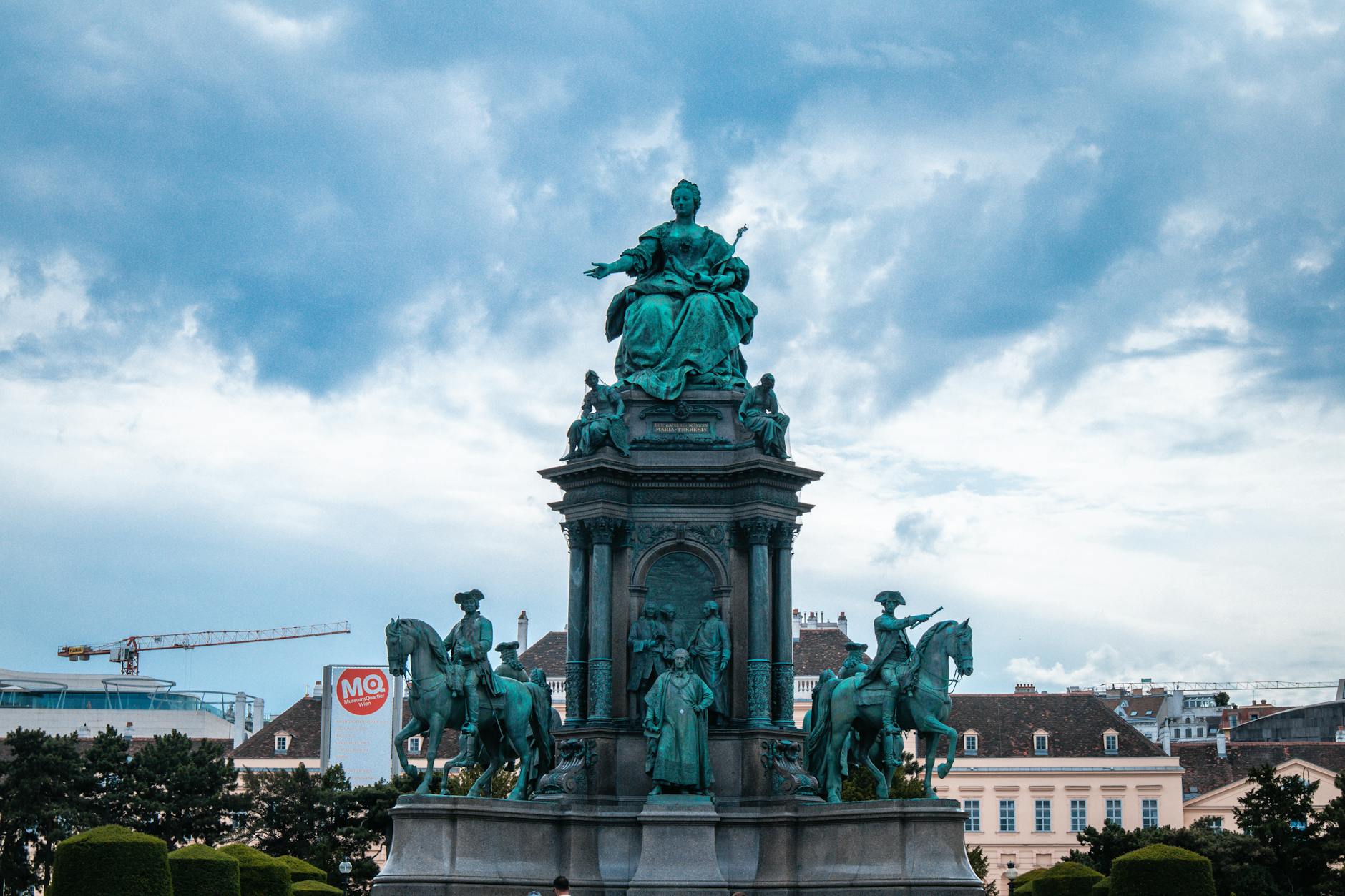
Each region has its own dialect nuances, culinary traditions, and architectural personality. Traveling through all three regions gives a genuinely complete picture of the country rather than just its postcard highlights.
Which cities should you visit?
Prague is unavoidable and fully deserves its reputation. The Old Town astronomical clock, the Charles Bridge at dawn, and the castle district above the Vltava River form one of Europe's most coherent historic cityscapes.
Brno, the Moravian capital with 380,000 inhabitants, punches well above its size. It has a thriving student scene, excellent functionalist architecture, and a relaxed café culture that locals fiercely protect from over-tourism.
Český Krumlov sits in a dramatic horseshoe bend of the Vltava River in South Bohemia. The town's UNESCO-listed castle complex is the second largest in the Czech Republic and its medieval streets feel genuinely lived-in, not staged.
Karlovy Vary is the grandest of the western Bohemian spa towns. The colonnaded promenades and thermal springs draw visitors who come to drink the mineral waters, soak in historic bathhouses, and attend the famous international film festival held each July.
Culture, traditions and way of life
Czech culture is built on a quiet, dry humor and a deep respect for privacy. Visitor reviews consistently note that locals warm up slowly but become generous hosts once the initial reserve dissolves.
Beer culture is not a cliché here — it is a genuine social institution. The Czech Republic consistently ranks first globally in per capita beer consumption, and the local pub (hospoda) functions as a neighborhood living room.
Classical music and theater hold serious cultural weight. Prague's Národní divadlo (National Theatre), built by public subscription in the 19th century, remains a source of national pride and still stages world-class opera and ballet.
Folklore is strongest in Moravia, where embroidered costumes, wine-harvest festivals, and traditional folk music are practiced by communities rather than performed for tourists. The Slovácký rok festival in Uherské Hradiště gathers folk ensembles from across the country every four years.
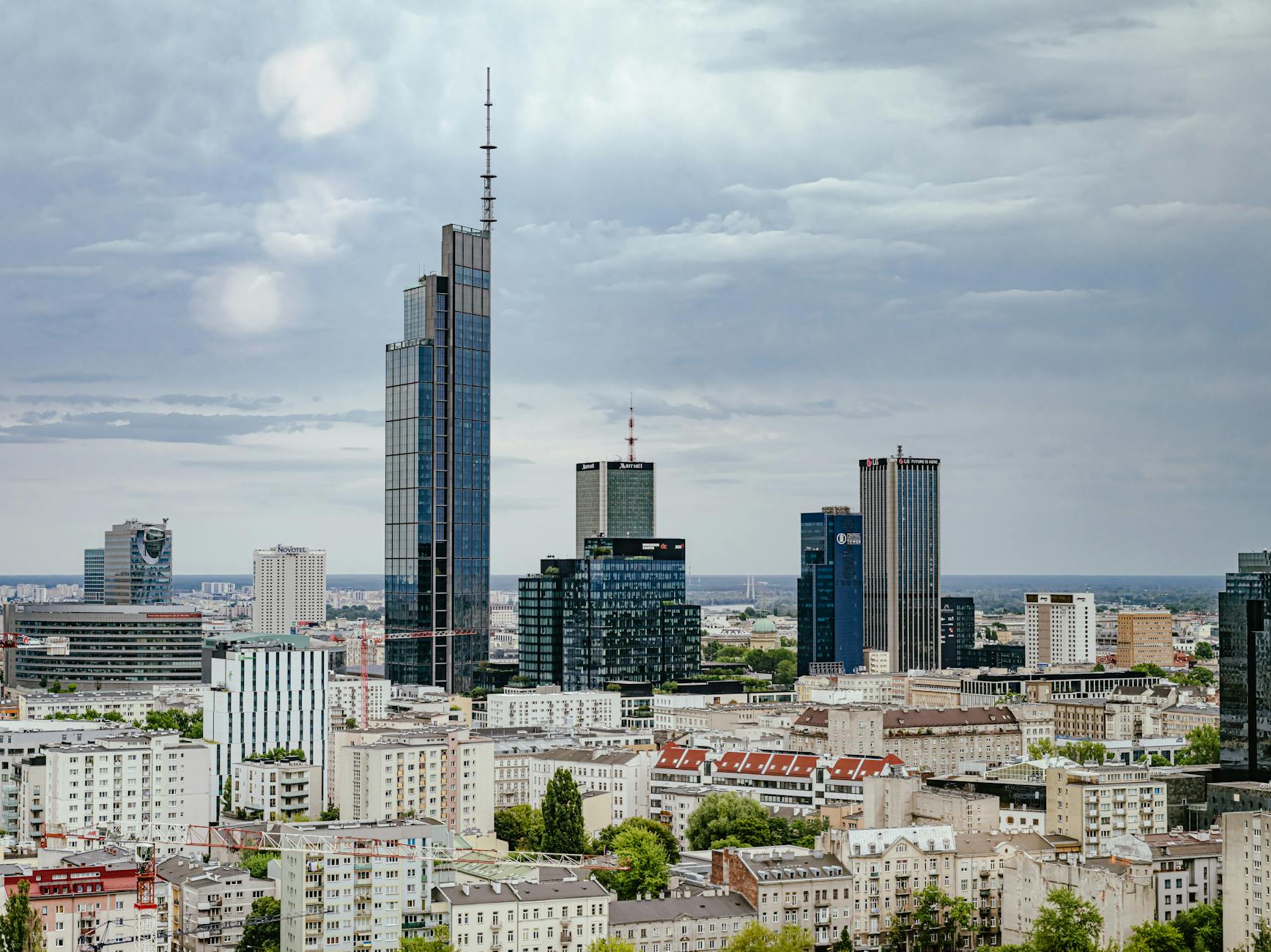
Czech glass and crystal craftsmanship, developed over centuries in the Bohemian forest workshops, still shapes a significant design industry. Contemporary Czech design studios in Prague and Brno are extending this tradition into modern furniture, ceramics, and fashion.
Food: the flavors of Czech Republic
Czech cuisine is honest, filling, and built around slow-cooked meats, root vegetables, and sauces thickened with cream or flour. It rewards those who approach it on its own terms rather than comparing it to lighter Mediterranean cooking.
Svíčková — braised beef sirloin served with creamy root vegetable sauce, bread dumplings, and a spoonful of cranberry jam — is the closest thing to a national dish. Local guides recommend trying it at a traditional restaurant rather than a tourist-facing kitchen.
Trdelník, the spiral pastry sold across Prague's tourist zones, is actually a Slovak and Hungarian tradition. Authentic Czech street food leans more toward smažený sýr (fried cheese) and open-faced sandwiches called chlebíčky.
Moravia's wine regions — particularly the Pálava hills near Mikulov — produce dry whites from Welschriesling and Müller-Thurgau grapes that rarely leave the country. Seeking them out is one of the quieter pleasures of visiting the east.
A restaurant meal in a non-tourist neighborhood costs between 200 and 350 CZK (roughly 8–14 EUR). Czech craft beer in a local pub typically runs 40–60 CZK per half-liter — among the lowest prices in Europe for quality on tap.
Practical information
Visa and entry requirements
The Czech Republic is a Schengen Area member, meaning EU and EEA citizens enter freely with a valid ID card. Citizens of over 60 countries, including the USA, Canada, Australia, and Japan, enter visa-free for stays up to 90 days within a 180-day period.
Travelers from countries requiring a Schengen visa should apply through the Czech embassy in their home country. Processing times average 15 calendar days, though local consulates recommend submitting at least 6 weeks before travel during summer months.
Budget and cost of living
The Czech Republic remains notably affordable by Western European standards despite rising prices in recent years. A mid-range hotel in Prague costs 2,500–4,500 CZK per night (100–180 EUR); the same comfort level in Brno or Olomouc runs 30–40% less.
- Budget daily spend (hostel, local food, public transport): 800–1,200 CZK
- Mid-range daily spend: 2,000–3,500 CZK
- Public transport ticket in Prague: 30 CZK for 30 minutes
- Museum entry (National Museum, Prague): 250 CZK
ATMs are widely available and accept major international cards. Paying in euros at tourist-facing businesses is possible but the exchange rate applied is almost always unfavorable — CZK cash or card payment is consistently better value.
Getting around
The Czech rail network (České dráhy) connects Prague, Brno, Ostrava, and most regional towns with reliable, inexpensive service. Prague to Brno by express train takes under 2.5 hours and costs around 300–500 CZK booked in advance.
Long-distance buses operated by RegioJet and FlixBus cover routes trains miss. Prague's integrated public transport system — metro, tram, and bus — is fast, punctual, and covers the city comprehensively for a flat-rate day pass of 120 CZK.
When to visit Czech Republic?
Late spring (May–June) is widely considered the finest window for visiting. Temperatures in Prague hover between 18°C and 24°C, castle gardens are in full bloom, and tourist volumes have not yet reached their summer peak.
Summer (July–August) brings warmth and long evenings but also the densest crowds in Prague and Český Krumlov. Karlovy Vary in July is a particular exception — the film festival electrifies the spa town with a genuinely cosmopolitan energy.
Autumn in Moravia deserves more attention than it typically receives. The wine harvest runs September through October, temperatures remain pleasant at 12–18°C, and the vineyard landscapes turn amber and gold.
Winter (December–February) transforms Czech towns into some of Europe's most atmospheric Christmas market destinations. Prague's Old Town Square and Brno's náměstí Svobody both host markets selling svařák (mulled wine) and handcrafted goods from late November through late December.
January and February are the quietest and cheapest months. The Bohemian and Moravian highlands receive enough snow for cross-country skiing, while spa towns like Karlovy Vary take on a melancholic beauty that many travelers find more compelling than the summer bustle.
Frequently Asked Questions about Czech Republic
Similar Destinations
Explore more destinations in the same region of the world.
Zurich
Zurich, Switzerland pairs the glittering shores of Lake Zurich with a medieval Altstadt and one of Europe's…
DiscoverBudapest
Budapest, Hungary's grand capital, pairs the gilded halls of the Hungarian Parliament with steaming thermal…
DiscoverKrakow
Krakow, Poland's medieval capital, draws travelers with the royal grandeur of Wawel Castle, the vast beauty…
Discover