Explore Croatia
1 destination to discover
Everything about Croatia
Traveling to Croatia means stepping into a country where ancient stone cities meet a coastline so blue it looks digitally enhanced. This small Adriatic nation packs an extraordinary range of landscapes, history, and culture into roughly 56,594 square kilometers.
From the walled medieval streets of Dubrovnik to the Roman ruins in Split and the café culture of Zagreb, Croatia rewards visitors who look beyond the obvious.
The country has grown fast as a tourist destination, yet many of its islands, national parks, and inland villages remain genuinely uncrowded — especially outside the summer rush.
Why Travel to Croatia?
What Sets Croatia Apart from Other Destinations
Croatia sits where Central Europe meets the Mediterranean, and that collision shapes everything — the food, the architecture, the pace of daily life. Few European countries can match this specific combination.
The Adriatic coastline stretches over 5,800 kilometers, including more than 1,200 islands. Most are uninhabited, which keeps the seawater among the clearest in Europe.
Eight UNESCO World Heritage Sites, including Dubrovnik's Old Town and the historic core of Split, anchor the cultural case for visiting. Add ten national parks and the argument becomes hard to dismiss.
Croatia at a Glance
Croatia has a population of around 3.9 million people and became a member of the European Union in 2013. It adopted the euro in January 2023, which simplified travel significantly for European visitors.
The official language is Croatian, but English is widely spoken in tourist areas, hotels, and restaurants. The country's dialing code is +385, and the capital, Zagreb, sits inland in the north.
Regions and Cities to Explore
The Main Regions of Croatia
Dalmatia runs along the southern coast and draws the largest share of visitors. This is where you find Dubrovnik, Split, and the islands of Hvar, Brač, and Korčula — all accessible by ferry.
Istria, the triangular peninsula in the northwest, feels distinctly Italian. Towns like Rovinj and Poreč have Venetian bell towers, truffle markets, and a slower, more contemplative travel rhythm than the south.
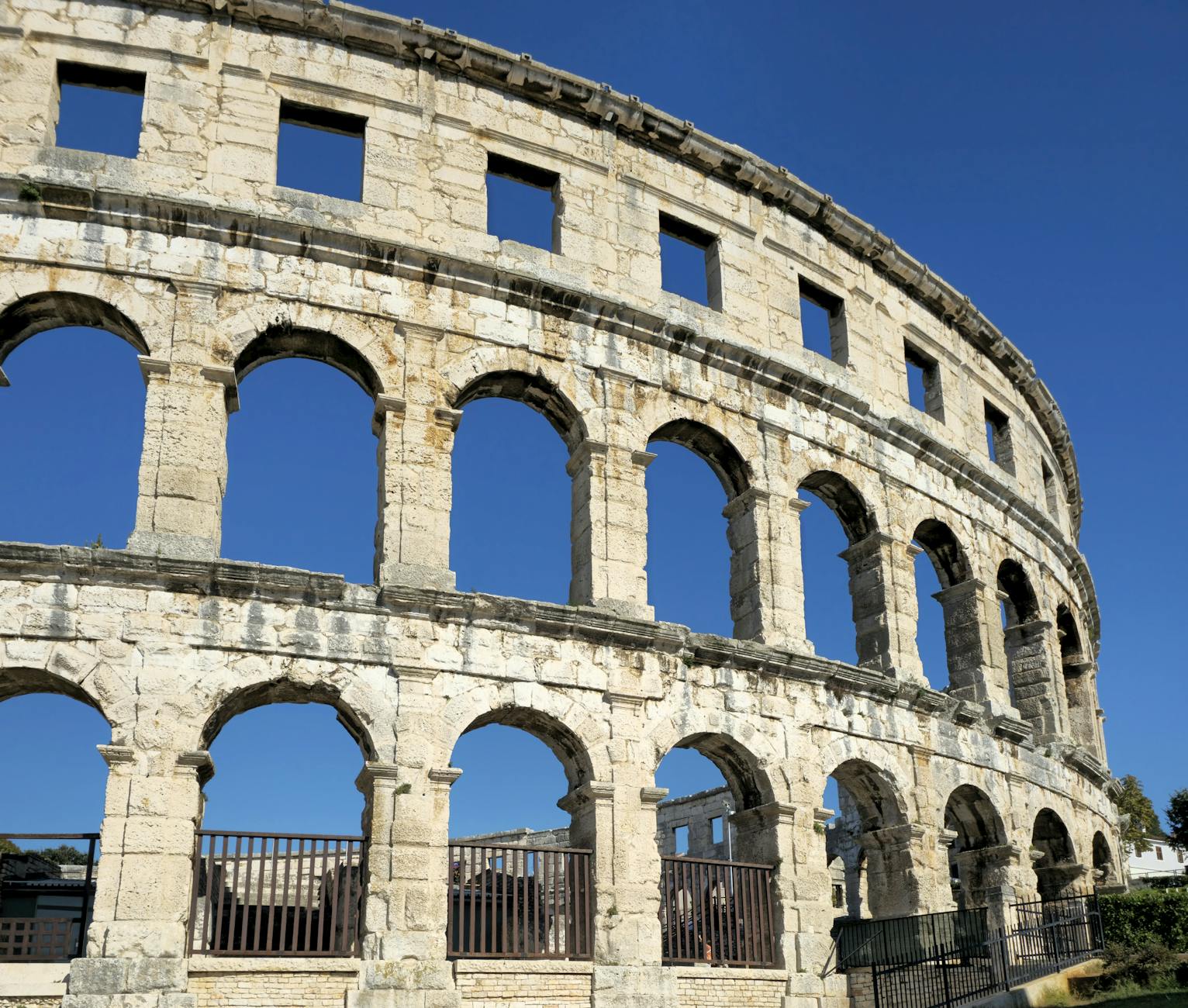
Kvarner Gulf lies between Istria and Dalmatia and includes the large island of Krk, connected to the mainland by bridge. This region attracts fewer international tourists and rewards those who make the detour.
Slavonia, the flat agricultural inland region, is perhaps the least visited by foreign travelers. Local guides recommend it for wine routes, Baroque architecture in Osijek, and an authentic pace of life untouched by mass tourism.
Which Cities Should You Visit?
Dubrovnik earns its reputation despite the crowds. Walking the 2-kilometer city walls above the sea at dawn, before the cruise ships dock, is one of the genuinely memorable experiences in European travel.
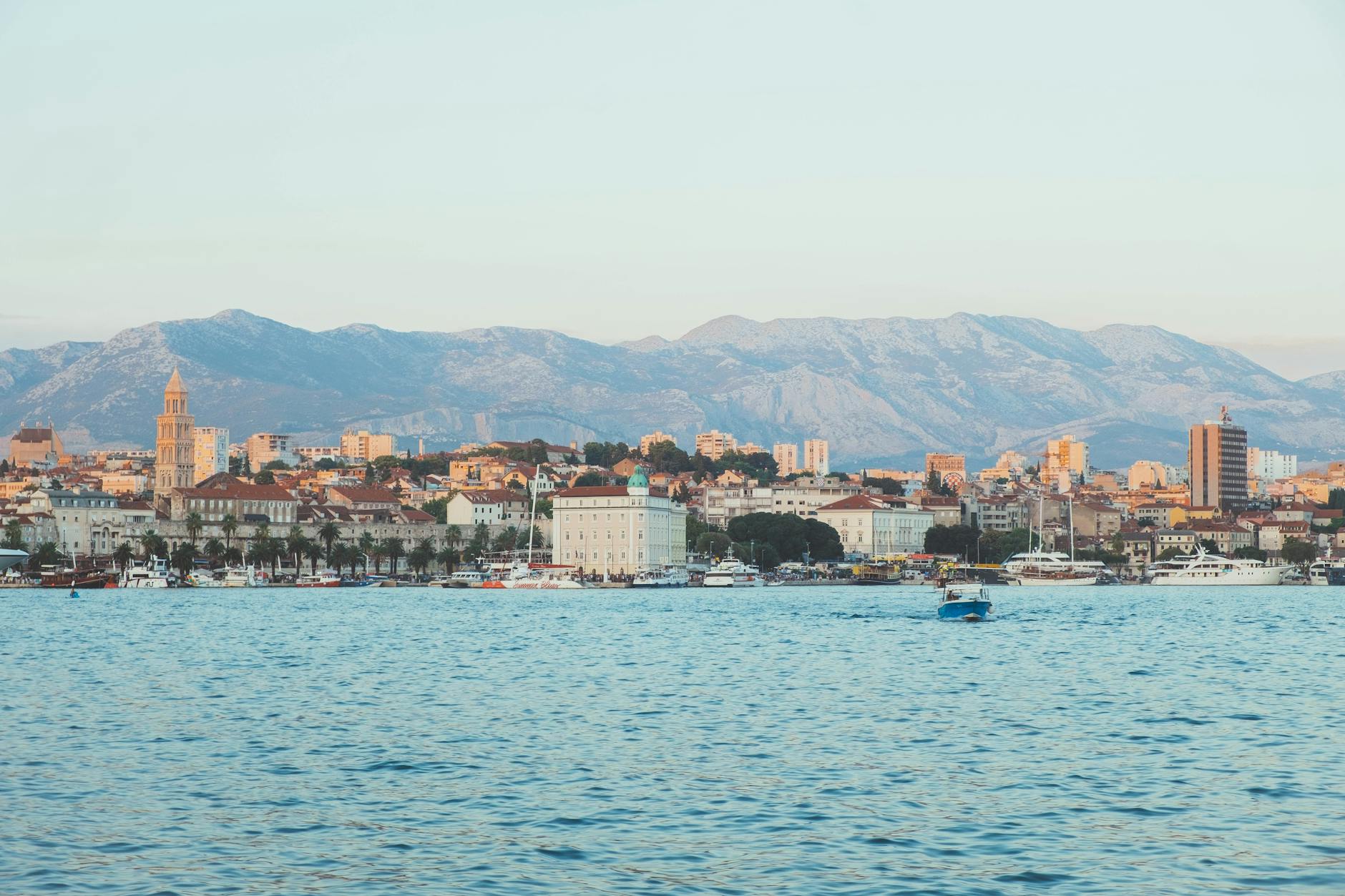
Split is Croatia's second-largest city, home to around 178,000 people. Diocletian's Palace is not a museum piece — people live, eat, and run bars inside the ancient Roman walls, which makes it feel alive in a way few historic sites manage.
Zagreb often surprises visitors who arrive expecting a transit hub. The capital has excellent museums — the Museum of Broken Relationships alone draws visitors from across the world — along with a vibrant food scene and leafy upper-town streets.
Smaller towns like Trogir, Šibenik, and Korčula deserve stops on any extended itinerary. Each has a distinct character, a cathedral, and a harbor worth an evening.
Culture, Traditions and Way of Life
Croatian culture blends Mediterranean warmth with Central European structure. Life moves around the riva — the waterfront promenade found in virtually every coastal town — especially in the evenings.
The concept of "fjaka" is essential to understanding the Dalmatian south. It describes a pleasurable state of doing nothing, a deliberate unhurrying, and locals treat it as a legitimate cultural value rather than laziness.
Religious traditions remain strong, particularly along the coast. Patron saint festivals, called fešta, fill town squares with music, processions, and food throughout the summer months.
Klapa music — unaccompanied male vocal harmony from Dalmatia — holds UNESCO Intangible Cultural Heritage status. Hearing it performed live in a stone courtyard is the kind of experience traveler reviews consistently describe as unexpectedly moving.
Football occupies a serious cultural space. The national team's remarkable 2018 World Cup run to the final generated a collective pride that visitors immediately noticed in how Croats speak about the sport.
Craft traditions survive with genuine vitality. Lace-making from the island of Pag and embroidery from the Šokac region of Slavonia both carry UNESCO recognition and remain practiced by real communities, not just for tourist markets.
Food: The Flavors of Croatia
Croatian cuisine splits clearly between the coast and the interior. Along the Adriatic, the focus is seafood — grilled fish, black risotto made with cuttlefish ink, and brudet, a slow-cooked fish stew with polenta.
Peka is arguably the most characteristic cooking method in Dalmatia. Meat or seafood is placed under a domed iron lid, covered with embers, and cooked slowly for hours. Local guides recommend ordering it 24 hours in advance.
Istria produces truffles — both black and white — that rival those from Périgord and Alba. The white truffle season runs October through December and draws food travelers specifically for this purpose.
Slavonian cuisine is heartier: paprika-heavy meat stews, smoked kulen sausage, and freshwater fish from the Drava and Sava rivers. It shares more with Hungarian and Serbian cooking than with the coastal tradition.
Croatian wines deserve serious attention. Plavac Mali from Dalmatia, Malvazija from Istria, and Graševina from Slavonia are all quality regional varieties that rarely appear on export markets.
A meal out in a mid-range restaurant typically runs €20–35 per person with wine. Konobas — family-run taverns — tend to deliver better food at lower prices than tourist-facing restaurants on the main squares.
Practical Information
Visa and Entry Requirements
Croatia joined the Schengen Area in January 2023, so EU and EEA citizens travel without border checks. Citizens of the United States, Canada, Australia, and the United Kingdom can enter visa-free for up to 90 days within any 180-day period.
Travelers from countries requiring a visa should apply through the Croatian Ministry of Foreign Affairs well in advance of travel. Since Schengen accession, Croatia's entry rules now align with those applied across most of continental Europe.
Budget and Cost of Living
Croatia is no longer a budget destination by Balkan standards, particularly in Dubrovnik and Hvar during July and August. A mid-range traveler should budget approximately €80–120 per day, including accommodation, meals, and transport.
Zagreb and inland Croatia remain significantly more affordable. A hostel dorm bed costs around €20–30, while a comfortable hotel room in Split or Dubrovnik during peak season runs €150–300 per night. Traveling in May or September cuts these figures almost in half.
Getting Around
The national bus network connects most cities and towns reliably. FlixBus and Arriva operate the major intercity routes, and buses between Split and Dubrovnik run several times daily, taking roughly 4.5 hours.
Ferries run by Jadrolinija connect the mainland to all major islands. Renting a car makes sense for exploring Istria or Slavonia. Domestic flights exist but are rarely necessary given the country's compact size.
When to Visit Croatia?
May and June are widely regarded as the best months for coastal travel. Temperatures sit between 22–26°C, the sea is warm enough to swim, and the crowds have not yet peaked.
July and August bring intense heat — regularly above 35°C in Dalmatia — and visitor numbers that push popular spots beyond comfortable capacity. Dubrovnik's Old Town can feel uncomfortably congested on cruise-ship days.
September and early October deliver warm water, softer light, and noticeably thinner crowds. Visitor reviews consistently rate this window as the most enjoyable time to travel the coast.
Winter suits Zagreb exceptionally well. The capital hosts one of Central Europe's most atmospheric Advent markets, and the city's museums and restaurant scene operate at full pace without any tourist pressure.
Istria is excellent year-round for food tourism, particularly during truffle season in autumn. The islands, however, largely shut down between November and April — ferries run less frequently and most accommodation closes entirely.
Travelers who time their visit to late May or early September consistently report the same thing: Croatia at its best is calmer, cheaper, and more rewarding than the peak-season version most people see.
Frequently Asked Questions about Croatia
Similar Destinations
Explore more destinations in the same region of the world.
Zurich
Zurich, Switzerland pairs the glittering shores of Lake Zurich with a medieval Altstadt and one of Europe's…
DiscoverVienna
Vienna, Austria reigns across Europe's grand capitals, from the gilded halls of Schönbrunn Palace to the…
DiscoverAthens
Athènes, capitale de la Grèce, dévoile trois mille ans d'histoire à travers l'Acropole et le Parthénon…
Discover