Explore China
3 destinations to discover
Everything about China
Traveling to China means stepping into a civilization that has shaped human history for over 5,000 years — a place where ancient temples share skylines with futuristic megacities.
Few countries can match this scale: 1.4 billion people, 56 recognized ethnic groups, and a landmass stretching nearly 10 million square kilometers across deserts, jungles, and mountain ranges.
Visiting China rewards patience and curiosity. The country constantly surprises — even seasoned travelers find themselves recalibrating expectations at every turn.
Why travel to China?
What sets China apart from other destinations
China doesn't fit neatly into any single travel category. It's simultaneously one of the world's oldest civilizations and one of its most aggressively modern nations.
The sheer geographic diversity alone separates China from almost anywhere else. Tibetan plateaus, subtropical river valleys, karst mountains, and urban corridors of 30 million people — all within the same country.
Traveler reviews consistently highlight the contrast between hyper-connected cities and villages where traditions remain unchanged for centuries. That tension is exactly what makes China so compelling.
China at a glance
China covers 9.6 million square kilometers, making it the third-largest country on Earth. Its official currency is the Yuan (CNY), and Mandarin Chinese is the dominant language, though hundreds of regional dialects thrive.
Beijing serves as the capital, but Shanghai, Guangzhou, Chengdu, and Chongqing each function as major economic and cultural hubs. The country spans five time zones but runs on a single official time.
Regions and cities to explore
The main regions of China
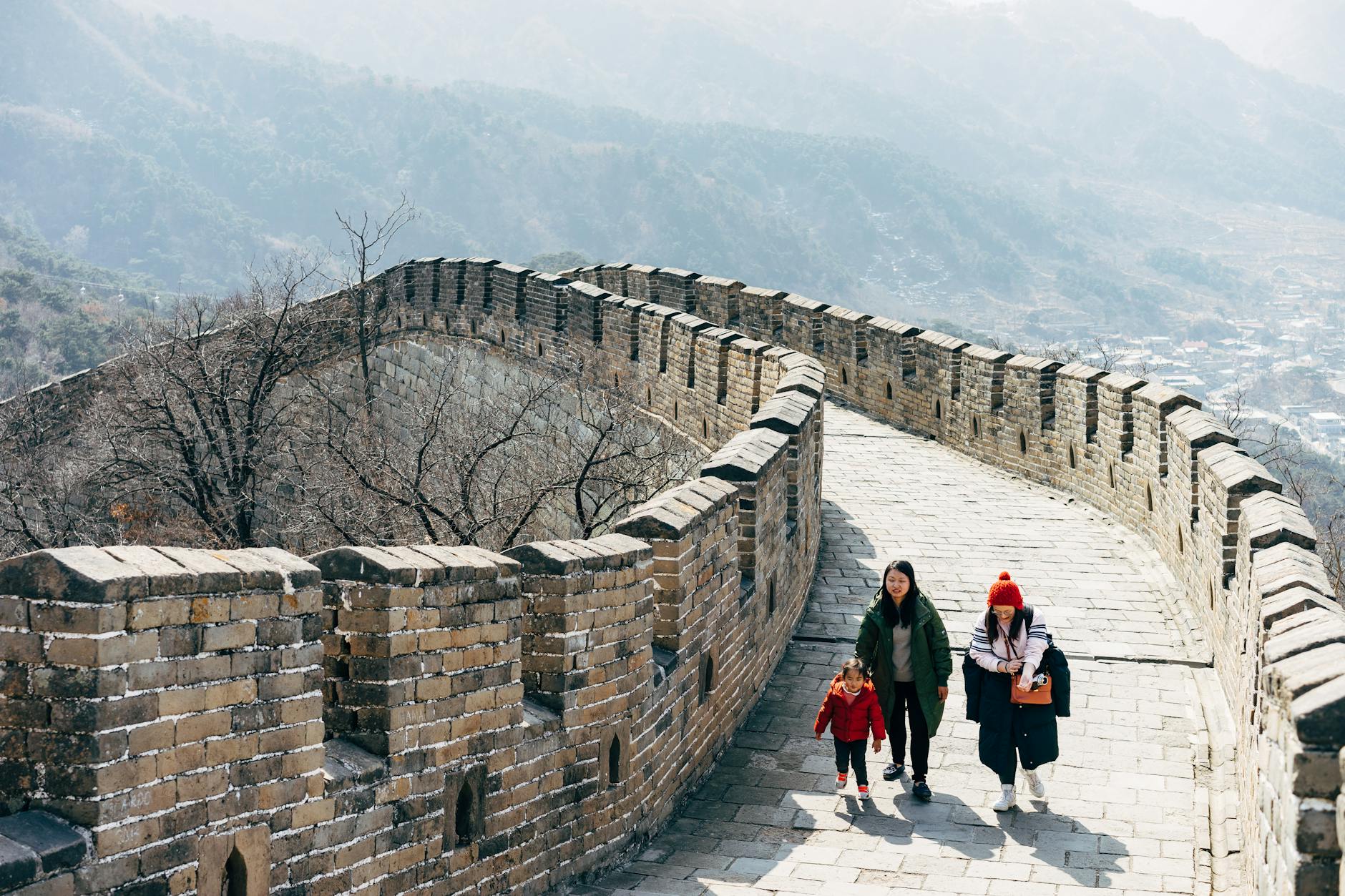
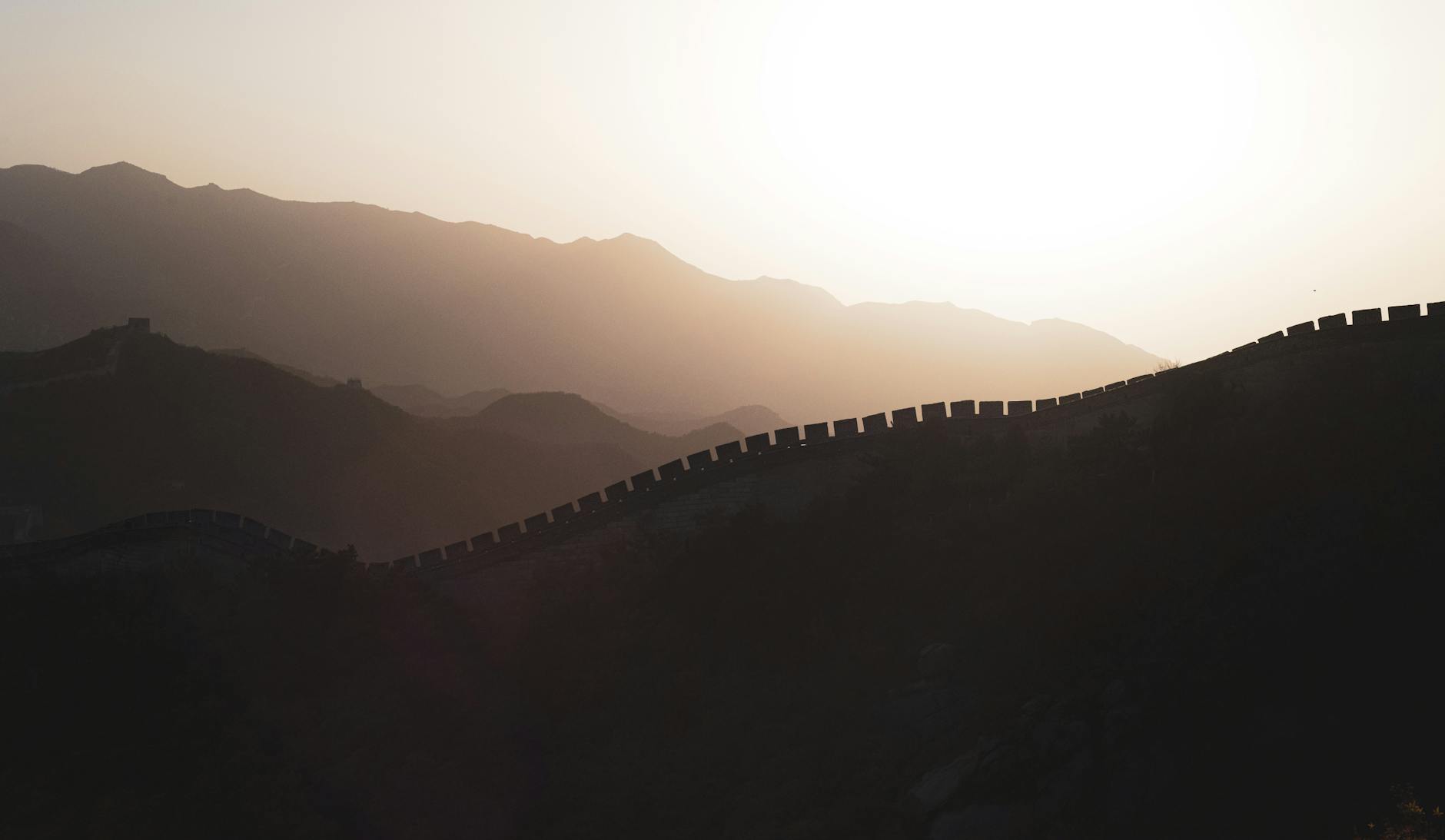
Northern China centers on Beijing and the Yellow River basin — this is the heartland of imperial history, where the Great Wall snakes across mountain ridges and the Forbidden City anchors centuries of dynastic rule.
Southwest China draws a very different kind of traveler. Yunnan province, home to the city of Dali, sits at the crossroads of Southeast Asian and Tibetan cultures, with dramatic mountain scenery and some of the country's most distinctive minority communities.
The Sichuan Basin surrounds Chengdu and Chongqing in a humid, fertile lowland that produced some of China's most influential cuisine, literature, and art. Guilin and the Guangxi region to the south are famous worldwide for their karst limestone peaks rising dramatically from flat river plains.
Coastal eastern China — Shanghai, Guangzhou, and the Pearl River Delta — drives the country's economic engine and shows visitors the ultramodern face of contemporary China.
Which cities should you visit?
Chengdu has become one of Asia's most talked-about cities. Locals move at a slower pace than in Shanghai or Beijing, lingering over tea in bamboo-shaded courtyards, and the city's food scene is ferociously good.
The Chengdu Giant Panda Base sits just outside the city center and houses over 200 giant and red pandas. Visitor reviews confirm that arriving at opening time — around 8 a.m. — gives the best chance of seeing pandas active and feeding.
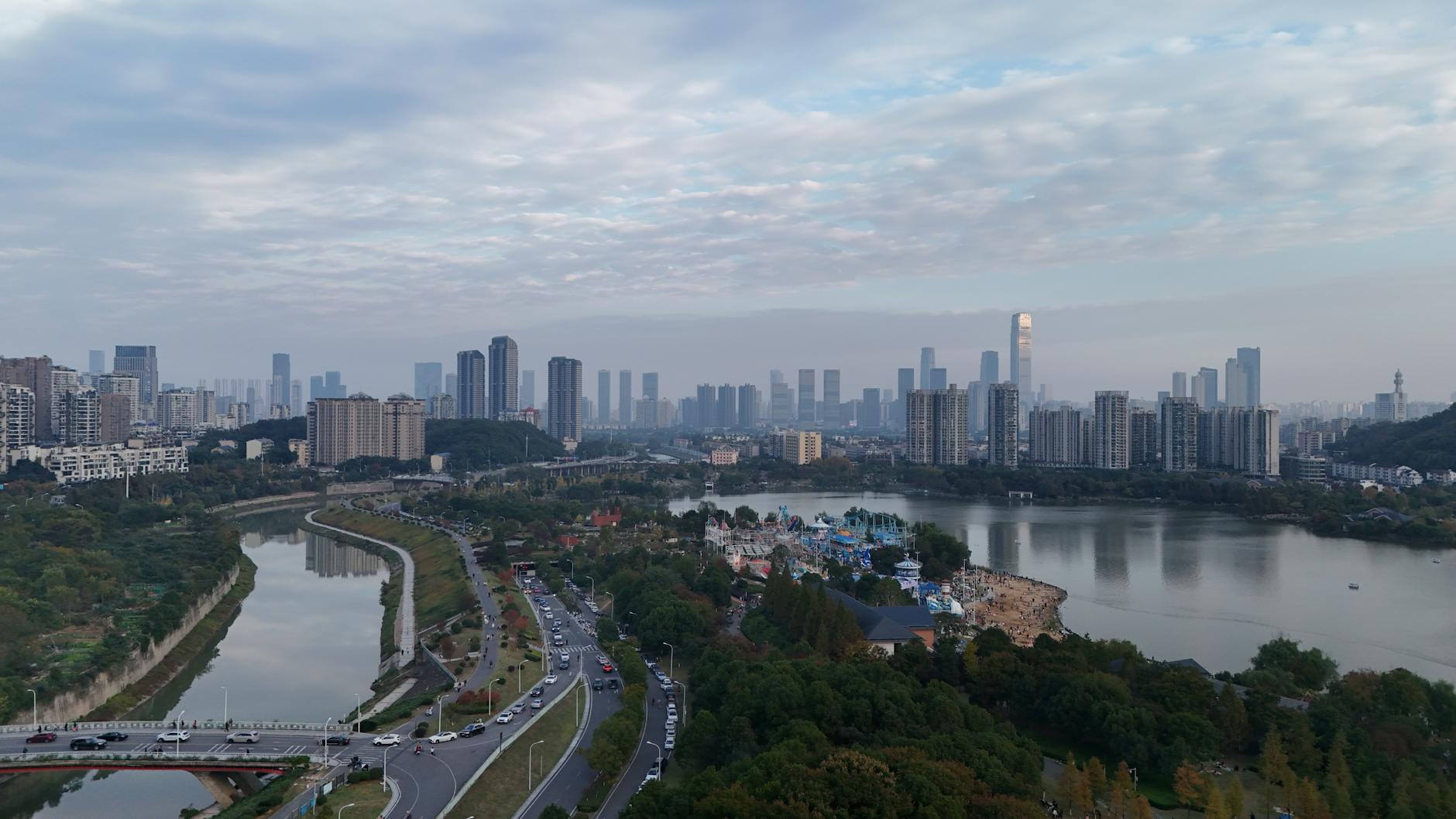
Chongqing is one of the world's largest cities by administrative area, a vertical metropolis carved into steep river cliffs where the Yangtze and Jialing rivers meet. Its neon-lit cable cars crossing gorges feel genuinely cinematic.
Dali, in Yunnan, rewards slower travel — white-walled old town streets, Erhai Lake at sunrise, and the Cangshan mountains as a constant backdrop. Guilin and the surrounding Li River valley deliver scenery that looks almost too perfect to be real.
Guangzhou is China's southern gateway, a trading city with deep Cantonese roots and a food culture widely considered among the finest in the country.
Culture, traditions and way of life
Chinese culture runs deep and moves in layers. Confucian values — respect for hierarchy, emphasis on family, and collective harmony — still shape daily interactions in ways that surprise many Western visitors.
The lunar calendar governs major celebrations. Chinese New Year brings the largest annual human migration on the planet, as hundreds of millions of people travel home to family. Visiting during this period is extraordinary but logistically demanding.
Tea culture deserves its own category. Gongfu-style tea ceremonies in Fujian or Yunnan province involve dozens of precise steps and a specific vocabulary of appreciation that locals take seriously.
Local guides point out that public behavior norms differ significantly from Western expectations. Loud restaurants, communal tables, and shared dishes are the norm — not exceptions. Adapting to this makes the experience richer.
Traditional arts — Peking opera, calligraphy, shadow puppetry, and silk weaving — remain living practices, not museum pieces. Many cities run workshops specifically for visitors who want hands-on engagement.
Food: the flavors of China
Chinese food is not a single cuisine — it's a continent of regional traditions that share almost nothing except chopsticks. Eight major culinary schools are formally recognized, each built around distinct local ingredients and techniques.
Sichuan food hits with numbing heat from Sichuan peppercorns — a sensation called mala — layered over deep fermented flavors. Chengdu alone has thousands of small restaurants serving mapo tofu, dan dan noodles, and hotpot at prices rarely exceeding 30–50 CNY per person.
Cantonese cuisine from Guangzhou favors freshness and restraint — delicate steamed fish, roasted meats, and dim sum that Guangzhou locals consume at weekend family brunches stretching two or three hours.
Yunnan cuisine, anchored in Dali and Kunming, incorporates wild mushrooms, goat cheese (a rarity in Chinese cooking), and rice noodles with a Southeast Asian lightness.
Street food remains the best entry point into any city's food culture. Night markets in Chongqing and Chengdu stay active until midnight or later, with grilled skewers, cold noodles, and stinky tofu at 5–15 CNY per item.
Practical information
Visa and entry requirements
Most foreign nationals need a visa to enter China, applied for through Chinese embassies or consulates before departure. The standard tourist visa (L visa) typically takes 4–7 business days to process and allows stays of up to 30 days.
China has expanded its visa-free transit program to citizens of over 50 countries, allowing stays of 72 to 144 hours in designated cities without a visa. Requirements change periodically, so checking with the nearest Chinese consulate before booking is strongly recommended.
Budget and cost of living
China spans an enormous price range. Budget travelers can live comfortably on 150–250 CNY per day (roughly $20–35 USD), covering hostel beds, street food, and local transport in smaller cities.
Mid-range travel in Beijing or Shanghai runs 500–1,000 CNY per day, including a decent hotel, restaurant meals, and museum entrance fees. The average train ticket between major cities on high-speed rail costs 200–600 CNY depending on distance and class.
Getting around
China's high-speed rail network is the largest in the world, covering over 40,000 kilometers. It connects almost every major city with trains reaching 350 km/h — Beijing to Shanghai in about 4.5 hours.
Within cities, metro systems in Chengdu, Guangzhou, Chongqing, and dozens of other cities are clean, cheap, and well-signed in both Chinese and English. Ride-hailing apps like Didi function similarly to Uber and accept foreign payment cards.
When to visit China?
Spring (March to May) and autumn (September to November) are widely considered the most comfortable seasons across most of the country. Temperatures are moderate, rain is manageable, and the landscapes in Guilin and Yunnan are at their most vivid.
Summer (June to August) brings intense heat and humidity to southern and central China, along with peak domestic tourism. The upside: Tibetan plateau regions and northern mountain areas are at their most accessible during these months.
Winter travel to most of China is underrated. Beijing's Forbidden City in light snow is atmospheric in ways summer crowds prevent. Yunnan and Guangzhou stay mild year-round, making them smart winter destinations.
Travelers consistently flag Golden Week holidays — the first week of October and the week around Chinese New Year — as periods to avoid unless specifically planning to experience the energy of mass domestic travel. Transport books out weeks in advance and popular sites become genuinely overwhelming.
Local guides recommend the Guilin region in late September, when rice terraces near Longsheng turn gold before harvest and tourist numbers drop noticeably from their summer peak.
Frequently Asked Questions about China
Best destinations in China
Hong Kong
Hong Kong, China, rewards visitors with electrifying contrasts: the sweeping skyline seen from Victoria Peak, the neon-lit stalls of Temple…
ExploreBeijing
Beijing, China layers imperial drama and living street life, from the Forbidden City’s vermilion gates to dawn tai chi at the Temple of…
ExploreShanghai
Shanghai, China's most electrifying metropolis, stacks a century of colonial grandeur along the Bund against the razor-sharp Pudong skyline…
Explore