Explore Canada
1 destination to discover
Everything about Canada
Traveling to Canada means stepping into one of the most geographically staggering countries on Earth — a place where glacial lakes reflect snow-capped peaks and cosmopolitan cities buzz with genuine cultural energy.
From the French-speaking streets of Montréal to the wild Atlantic shores of Halifax, Canada spans six time zones and an almost incomprehensible variety of landscapes.
This is a country that rewards curiosity. Whether you're chasing northern lights in Alberta or tasting fresh poutine at a late-night diner, Canada delivers on every front.
Why travel to Canada?
What sets Canada apart from other destinations
Canada covers nearly 10 million square kilometers, making it the second-largest country in the world by total area. That scale alone sets it apart.
But size is only part of the story. The real draw of Canada is the rare combination of untouched wilderness and sophisticated urban life sitting side by side.
Travelers note that few countries let you hike a glacier in the morning and dine at a world-class restaurant the same evening. Canada does exactly that.
Canada at a glance
Canada has a population of approximately 40 million people, spread across 10 provinces and 3 territories. English and French are both official languages.
The Canadian dollar (CAD) is the national currency. At most exchange rates, it gives international visitors reasonable purchasing power compared to European or American destinations.
The country borders three oceans — the Atlantic, Pacific, and Arctic — and shares the world's longest land border with the United States, stretching over 8,800 kilometers.
Regions and cities to explore
The main regions of Canada
Western Canada draws visitors with the Rocky Mountains, British Columbia's rainforests, and the dramatic prairie skies of Alberta. This is postcard Canada for many travelers.
Central Canada — Ontario and Québec — holds the country's economic and cultural heartbeat. Nearly two-thirds of the population lives here.
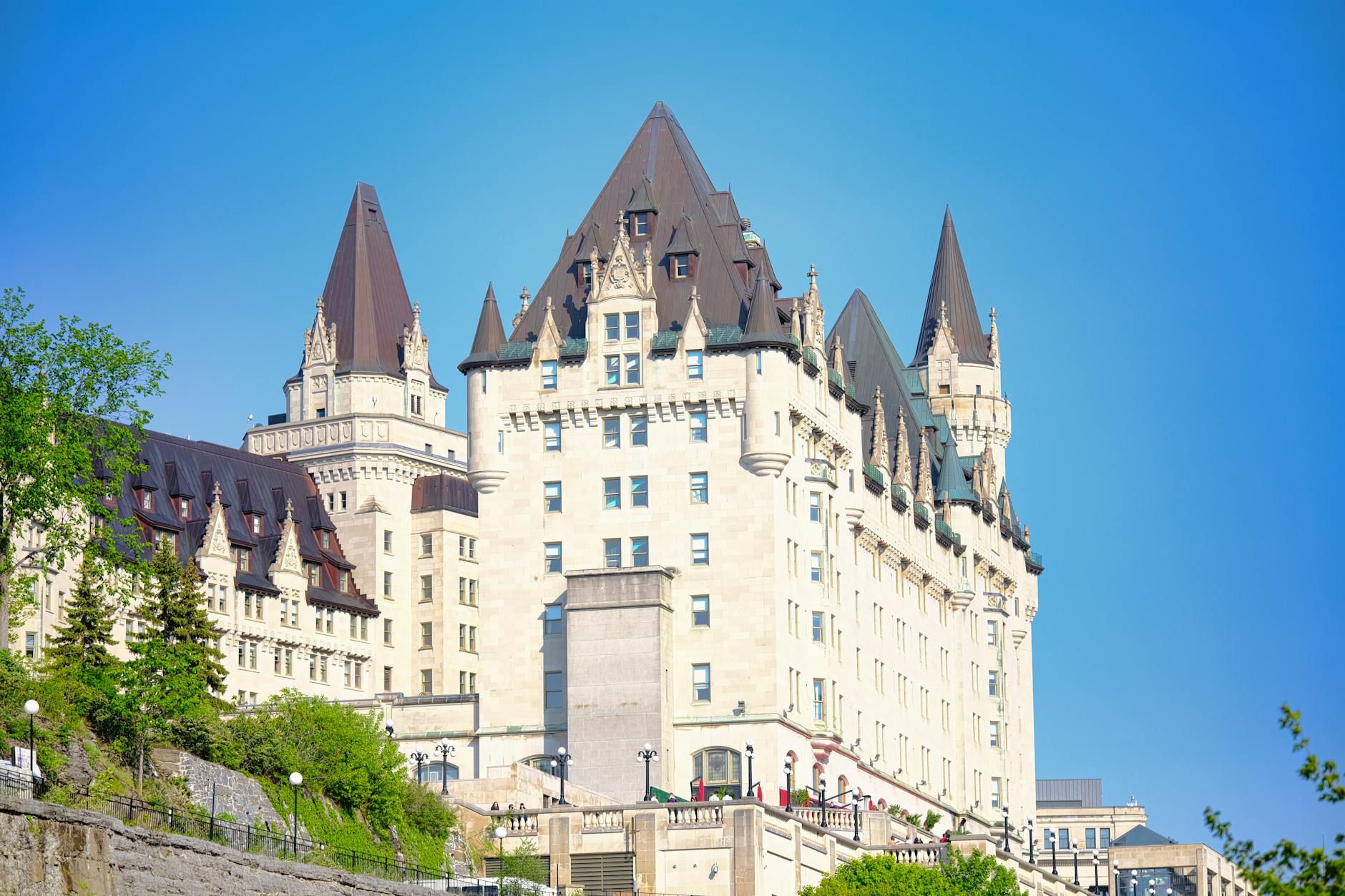
Atlantic Canada, covering Nova Scotia, New Brunswick, Prince Edward Island, and Newfoundland, feels like a different world entirely. Rugged coastlines, fishing villages, and Celtic-inflected traditions define the region.
Further north, Canada's territories — Yukon, Northwest Territories, and Nunavut — remain among the least-visited and most spectacular places on the planet. Aurora borealis season draws dedicated travelers every winter.
Which cities should you visit?
Banff, technically a town inside Banff National Park, sits at 1,383 meters above sea level. The turquoise waters of Lake Louise are just 45 minutes away and genuinely live up to the photographs.
Calgary is Alberta's largest city, home to 1.3 million people and famous for the annual Calgary Stampede rodeo festival every July. It also serves as the main gateway to the Rockies.
Edmonton, Alberta's capital, hosts one of North America's largest shopping complexes and a lively arts scene concentrated around the North Saskatchewan River valley.
Montréal is unlike any other city in North America. French language, European architecture, world-renowned bagels, and a jazz festival that takes over the entire downtown core every summer.
Halifax, Nova Scotia's capital, punches well above its weight for a city of 450,000. Historic waterfront districts, excellent seafood, and a genuinely welcoming local culture make it a standout Atlantic stop.
Culture, traditions and way of life
Canada is one of the world's most multicultural nations. Over 200 languages are spoken across the country, and nearly a quarter of the population was born abroad.
Indigenous cultures form the deep root of Canadian identity. First Nations, Métis, and Inuit communities maintain distinct traditions, languages, and artistic practices that visitors can engage with respectfully across the country.
The French-English cultural divide shapes everything from politics to restaurant menus. In Québec, speaking a few words of French goes a long way — locals genuinely appreciate the effort.
Canadians are famously polite, but that reputation masks a dry, self-deprecating humor that surfaces quickly once conversation gets going. Visitor reviews confirm that locals in smaller towns are particularly warm toward travelers.
Hockey is not just a sport here — it borders on a civic religion. Catching a live NHL game in cities like Calgary or Montréal gives instant access to a side of Canadian culture that no museum can replicate.
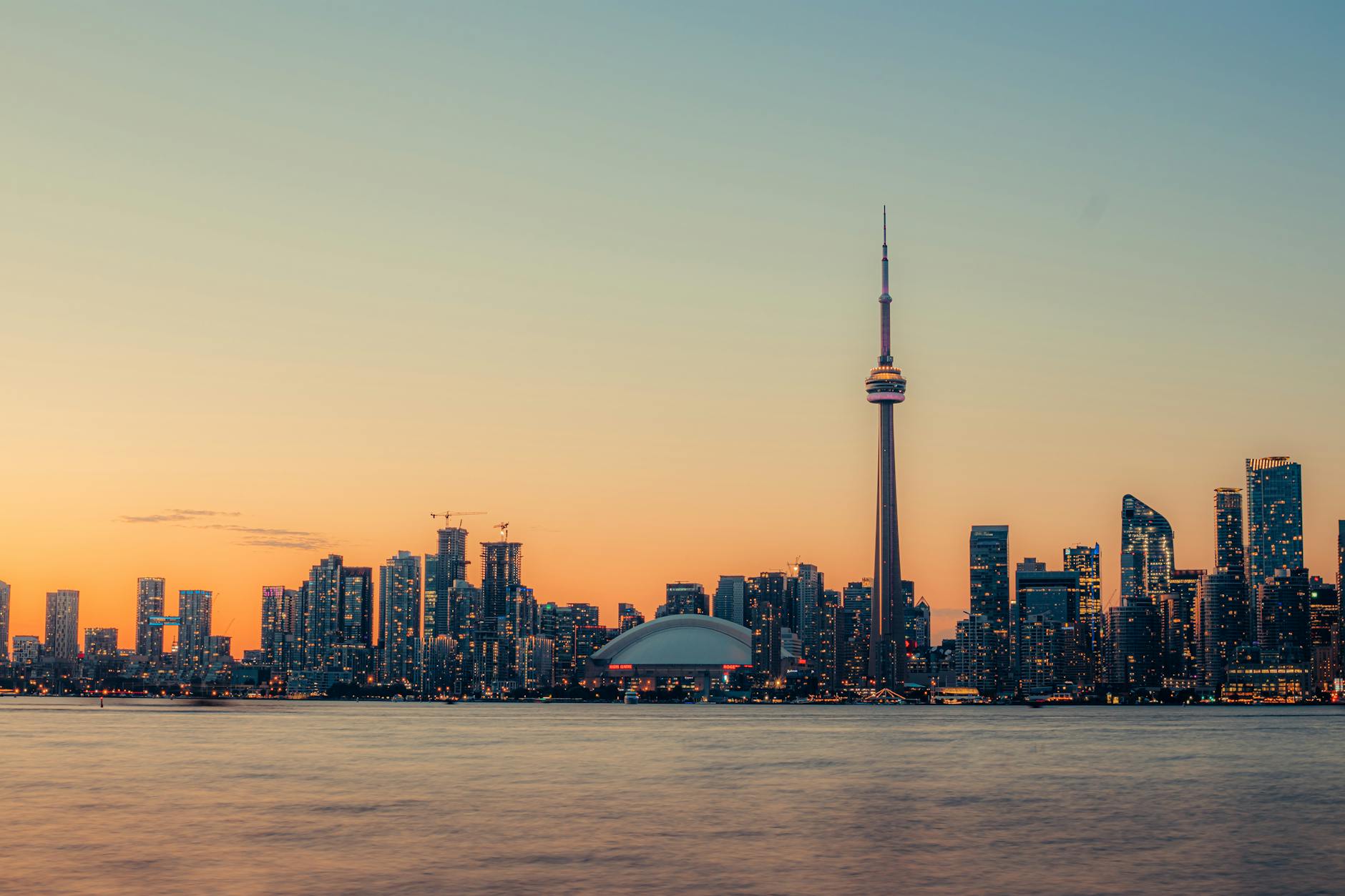
Cultural festivals run year-round. Québec City's Winter Carnival in February, Montréal's Just for Laughs comedy festival in July, and Halifax's Royal Nova Scotia International Tattoo all draw international audiences.
Food: the flavors of Canada
Canadian cuisine is more distinct than its reputation suggests. It draws from Indigenous traditions, French technique, British comfort food, and waves of immigration from every continent.
Poutine — fries topped with cheese curds and gravy — is the undisputed national dish. It originated in rural Québec in the 1950s and now appears in every Canadian city in dozens of variations.
Montréal smoked meat sandwiches are a separate religion from New York pastrami. Local guides recommend Schwartz's Deli on Boulevard Saint-Laurent, which has been serving the same recipe since 1928.
Atlantic seafood deserves particular attention. Nova Scotia lobster, Prince Edward Island oysters, and Newfoundland cod rank among the freshest you'll find anywhere in North America.
In Alberta, beef is the centerpiece. Local steakhouses in Calgary serve cuts from cattle raised on the surrounding prairies — a noticeably different experience from industrially produced beef.
Maple syrup production is concentrated in Québec, which accounts for roughly 70% of global supply. A sugar shack experience in late March or April — where sap gets boiled into syrup and poured over snow — is one of Canada's most authentic food rituals.
Practical information
Visa and entry requirements
Citizens of most European countries, the United States, Australia, and several other nations do not need a visa for stays under six months. They do, however, need an Electronic Travel Authorization (eTA).
The eTA costs CAD $7 and is linked electronically to your passport. Applications take minutes online but can occasionally require days for processing, so apply well in advance.
Travelers arriving by land from the United States need a valid passport. A standard driver's license is no longer sufficient at the Canadian border.
Budget and cost of living
Canada is not a budget destination, but it's manageable with planning. Expect to spend roughly CAD $150–$250 per day for mid-range travel, covering accommodation, meals, and local transport.
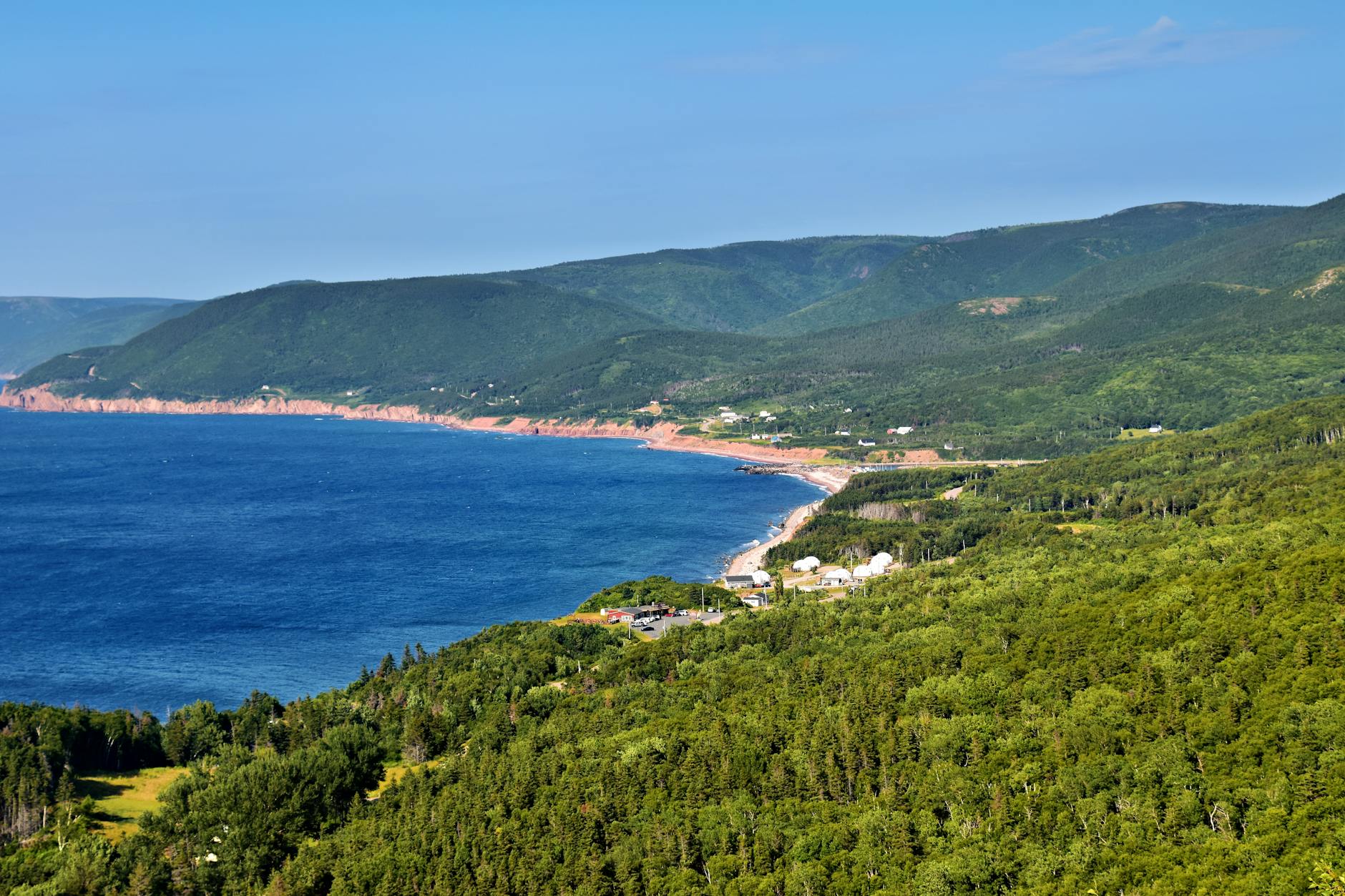
Accommodation in major cities like Montréal or Calgary typically runs CAD $120–$220 per night for a decent hotel. Hostels in popular areas like Banff start around CAD $50–$70 per dorm bed.
Dining costs vary significantly by region. A casual restaurant meal averages CAD $18–$30 per person, while Atlantic provinces tend to run slightly cheaper than Toronto or Vancouver.
Getting around
Canada is simply too large to cover without flying. Domestic air routes connect all major cities, and budget carriers like Flair and Lynx Air have made internal flights more accessible in recent years.
Within cities, public transit works well in Montréal, Calgary, and Edmonton, all of which have metro or light rail systems. Renting a car becomes near-mandatory for exploring rural regions, national parks, or the Atlantic provinces.
VIA Rail operates long-distance train routes, including the iconic Canadian route from Toronto to Vancouver — a four-day journey through some of the continent's most breathtaking scenery.
When to visit Canada?
The best time to visit depends entirely on what you're after. Canada's climate swings dramatically between seasons, and each one delivers a genuinely different experience.
Summer (June to August) is peak season. Temperatures reach 25–30°C in most southern cities, national parks are fully accessible, and festivals run back-to-back. Banff and the Rockies are at their most spectacular.
Autumn arrives fast and leaves visually stunning. Late September and October in Québec and Ontario deliver some of the most vibrant fall foliage anywhere in the world, with considerably fewer crowds than summer.
Winter is cold — seriously cold. Edmonton and Calgary regularly see temperatures drop below -20°C. But winter in Canada has its own rewards: world-class skiing in Whistler and Banff, frozen lake skating, and the northern lights above the territories.
Spring (April to May) is the transition season. Snow lingers in the mountains while cities like Montréal and Halifax wake up quickly. Prices drop and crowds thin — a genuine sweet spot for experienced travelers.
- Best for outdoor adventures: June to September
- Best for northern lights: December to March, in Yukon or Northwest Territories
- Best for fall foliage: late September to mid-October in Québec and Ontario
- Best for skiing: January to March in Alberta and British Columbia
- Best for budget travel: April to May and late October to November
Local guides across all regions agree on one point: whatever season you choose, Canada tends to exceed expectations. The scale of the landscape does something to first-time visitors that is genuinely difficult to anticipate.
Frequently Asked Questions about Canada
Similar Destinations
Explore more destinations in the same region of the world.
Mexico City
Mexico City, Mexico's sprawling capital, pulls travelers in with ancient Aztec ruins beneath the Zócalo…
DiscoverLos Angeles
Los Angeles, California's sprawling metropolis, pulls travelers from Hollywood Boulevard's Walk of Fame to…
DiscoverNew York
New York, United States, hits hard from the first glance: the Statue of Liberty rising over the harbor…
Discover