Explore Bulgaria
1 destination to discover
Everything about Bulgaria
Traveling to Bulgaria means stepping into one of Europe's most underrated corners — a country where ancient Thracian ruins, Ottoman-era bazaars, and Black Sea beaches exist within a few hours of each other.
Few destinations in Europe pack this much variety into 110,879 square kilometers. The population hovers around 6.5 million, yet the country feels spacious, unhurried, and genuinely welcoming.
Prices stay low, crowds stay thin, and the landscapes stay spectacular. Bulgaria rewards curious travelers who go beyond the obvious.
Why travel to Bulgaria?
What sets Bulgaria apart from other destinations
Bulgaria carries 3,000 years of layered history — Thracians, Romans, Byzantines, Ottomans, and Slavs all left their mark. The country borders six nations and touches the Black Sea, creating an extraordinary mix of cultural influences.
The rose-growing Kazanlak Valley produces roughly 70% of the world's rose oil. That alone signals something genuinely different. Visitors find a destination with deep traditions, not a manufactured tourist product.
Bulgaria at a glance
Bulgaria sits in southeastern Europe, sharing borders with Romania, Serbia, North Macedonia, Greece, and Turkey. The capital, Sofia, is home to around 1.3 million people.
The official currency is the Bulgarian lev (BGN), pegged at approximately 1.96 BGN per euro (Now euro since 2026). The country uses the Cyrillic alphabet, and the national language is Bulgarian. Orthodox Christianity shapes the calendar and cultural fabric.
Regions and cities to explore
The main regions of Bulgaria
The Balkan Mountains cut across the country from west to east, dividing the northern plains from the warmer Thracian lowlands to the south. Each zone has a distinct personality.
The northern region along the Danube is quieter, dotted with medieval fortresses and wine villages. The Rhodope Mountains in the south offer deep gorges, pine forests, and some of the most remote villages in the Balkans.
The Black Sea coast stretches over 400 kilometers. The northern section around Varna is more cosmopolitan; the southern coastline near Sozopol and Nessebar preserves medieval stone churches and cobbled lanes.
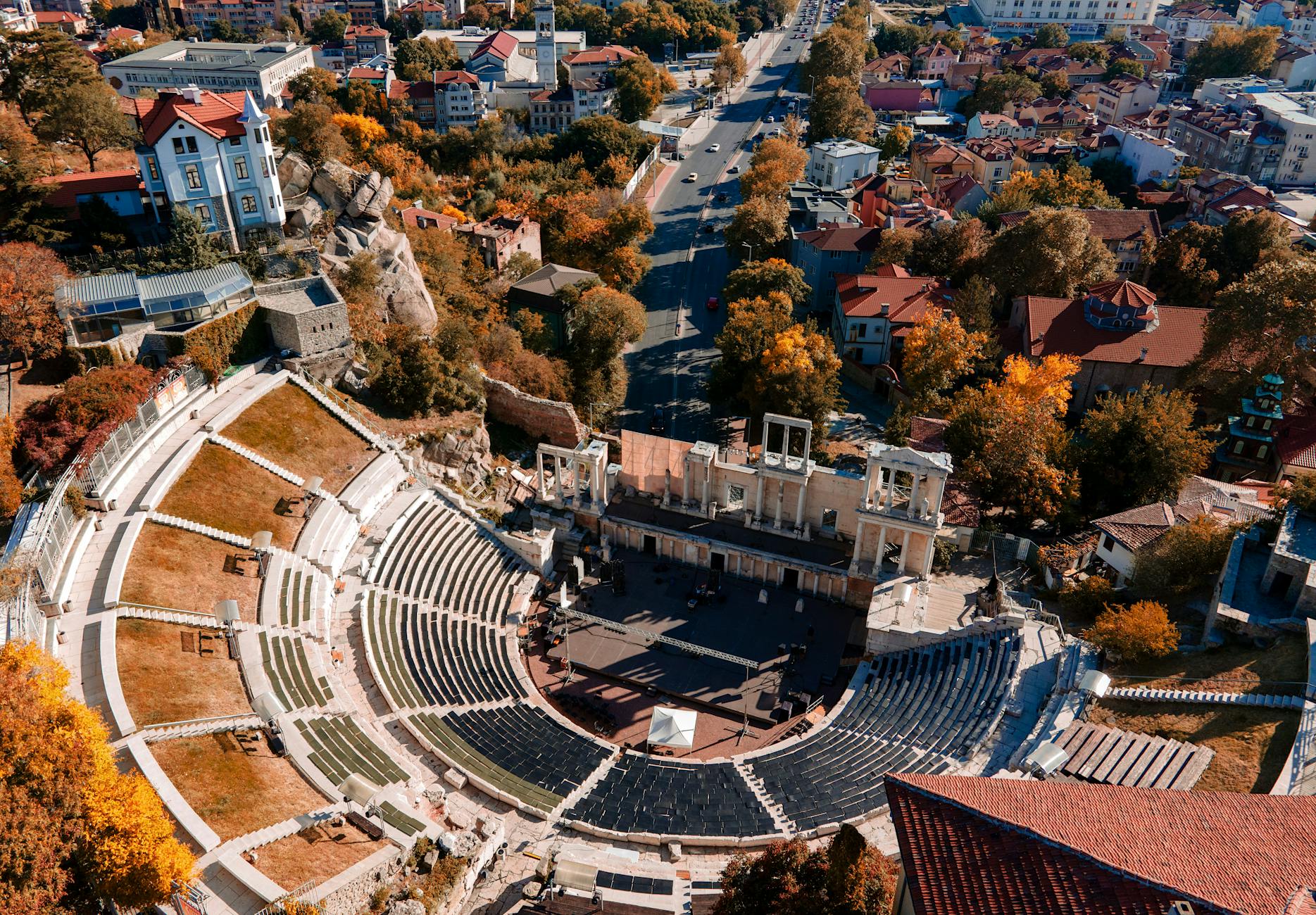
The Valley of the Roses, running through the Sredna Gora range, blooms every May. Local guides recommend visiting during harvest season to see rose-picking at dawn — a ritual that dates back centuries.
Which cities should you visit?
Sofia punches well above its weight as a capital city. Roman ruins sit beneath the streets, the Alexander Nevsky Cathedral dominates the skyline, and the café culture is lively and affordable.
Plovdiv is arguably Bulgaria's most atmospheric city. The Old Town sits on three ancient hills, packed with National Revival-era houses painted in bold colors, galleries, and artisan workshops. It held the title of European Capital of Culture in 2019.
Varna serves as the gateway to the Black Sea. Beyond the beaches, the Archaeological Museum houses the world's oldest processed gold — the Varna Gold Treasure, dating to 4,500 BCE.
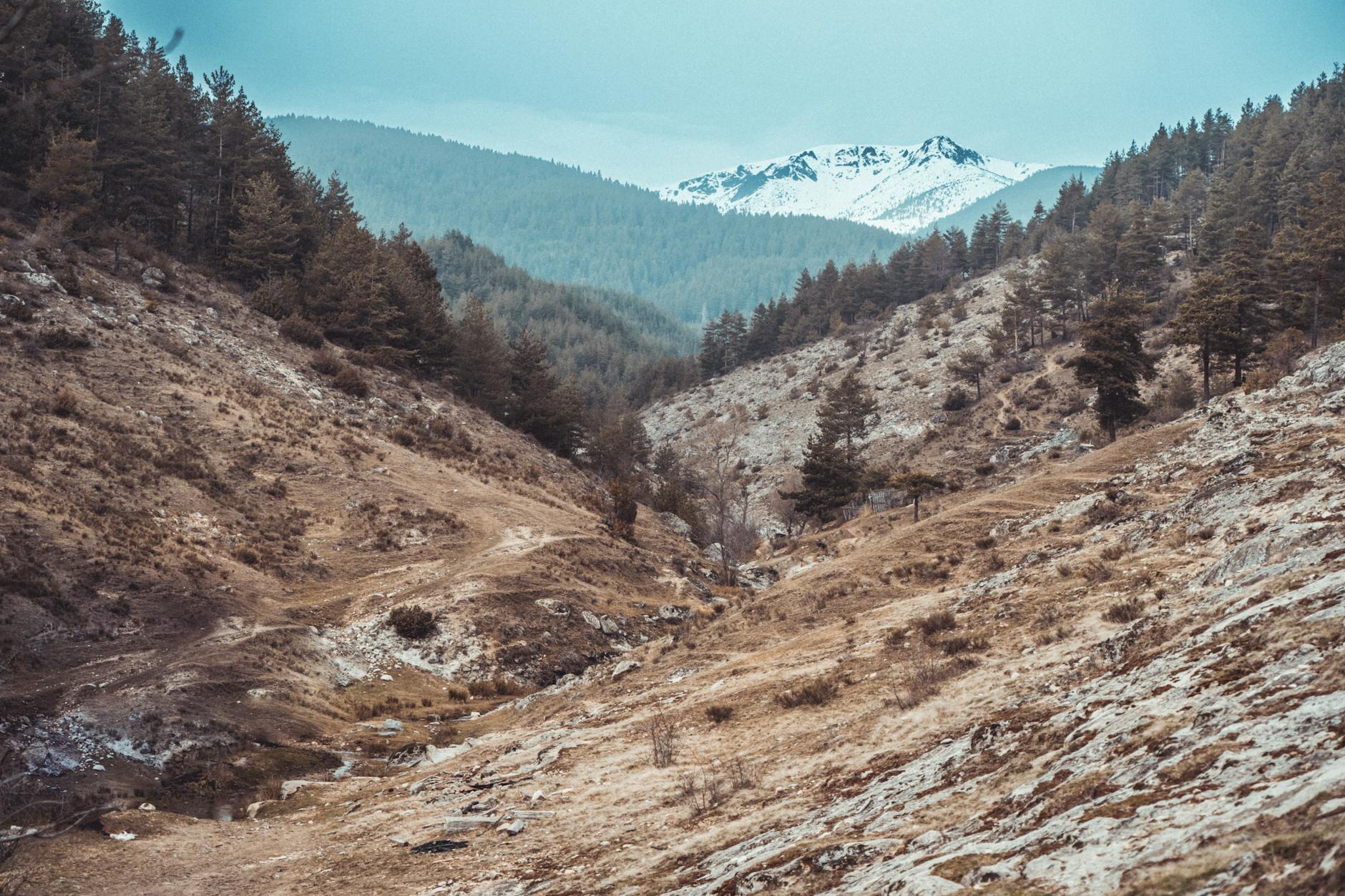
Tihomir, a small village in the Rhodope foothills, represents a different kind of Bulgarian travel. Slow, rural, deeply traditional — it draws visitors seeking authentic mountain life far from any tourist trail.
Culture, traditions and way of life
Bulgarian culture runs on strong contrasts. Mountain villages follow rhythms centuries old, while Sofia's downtown hosts design studios, specialty coffee roasters, and international film festivals.
The Bulgarian Orthodox Church anchors much of the cultural calendar. Easter is celebrated with more intensity than Christmas — midnight liturgies, candle processions, and communal lamb feasts mark the occasion nationwide.
Bulgarians are famously direct. Visitor reviews confirm that initial reservations melt quickly into genuine warmth once conversation starts. Hospitality, once extended, is sincere and generous.
The martenitsa tradition is one of Europe's most charming folk customs. On March 1st, Bulgarians exchange red-and-white yarn bracelets called martenitsi — worn until the first stork or blossoming tree appears, then tied to a branch.
Music sits at the heart of Bulgarian identity. The mysterious "Bulgarian voices" — polyphonic folk singing with unusual time signatures — earned UNESCO recognition. Live performances happen year-round at festivals across the country.
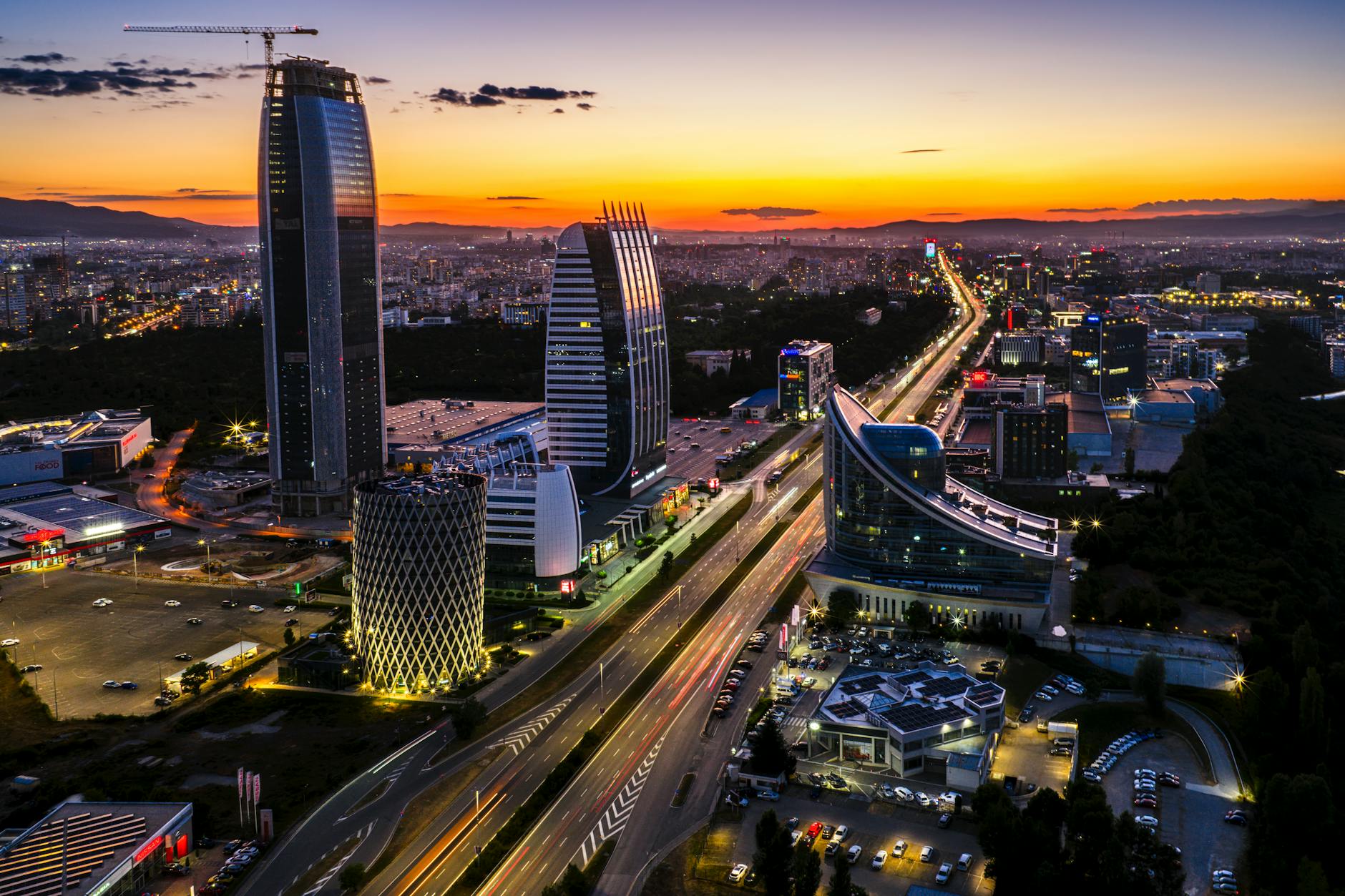
Craft traditions remain alive. Rose-oil perfumery, hand-woven textiles, copper metalwork, and pottery are still produced by artisans, not just sold as souvenirs.
Food: the flavors of Bulgaria
Bulgarian food is hearty, seasonal, and built around quality dairy, grilled meats, and garden vegetables. The cuisine shares DNA with Greek and Turkish cooking but maintains its own identity.
Banitsa is the breakfast of choice across the country — a flaky pastry filled with white brine cheese called sirene, sometimes with spinach or eggs. Street bakeries sell it warm, straight from the oven.
Shopska salad appears on almost every table: diced tomatoes, cucumbers, peppers, and onions blanketed in grated sirene. Simple ingredients, exceptional when the vegetables are locally grown and in season.
Kavarma is a slow-cooked meat stew served in a clay pot, common in mountain regions. In winter, travelers find it warming in a way that goes beyond temperature.
Bulgaria produces surprisingly good wine. The Thracian Valley grows Mavrud, a deep red grape native to the region with a history stretching back to Thracian times. Local wineries welcome visitors, and bottles sell for as little as 8–15 BGN.
Rakia — a strong fruit brandy, usually made from plums or grapes — is the national spirit. Local guides recommend trying homemade versions in rural guesthouses rather than the commercial varieties.
Practical information
Visa and entry requirements
Bulgaria is a European Union member state but not yet part of the Schengen Area for land and sea borders, though air travel follows Schengen rules since 2024. EU and EEA citizens enter freely with a valid national ID card.
Citizens of the United States, Canada, Australia, and the UK can visit without a visa for stays up to 90 days within any 180-day period. Travelers from other countries should check the Bulgarian Ministry of Foreign Affairs website well in advance of departure.
Budget and cost of living
Bulgaria remains one of the most affordable destinations in Europe. A sit-down lunch in a local restaurant typically costs 8–15 BGN (roughly €4–8). A decent mid-range hotel in Sofia or Plovdiv runs 80–150 BGN per night.
Public transport fares are extremely low — a Sofia metro ticket costs 1.60 BGN. Travelers on a backpacker budget can manage comfortably on €30–40 per day; those preferring more comfort can travel well on €70–100 daily.
Getting around
Bulgaria has a functioning national rail network connecting major cities, though trains run slowly. Intercity buses are faster and more frequent — the Sofia-Plovdiv route takes under two hours and costs around 14 BGN.
Renting a car unlocks the country's best landscapes: mountain passes, rural villages, and coastal roads that buses simply don't reach. Road conditions vary, but main highways are in good shape.
When to visit Bulgaria?
Bulgaria has four distinct seasons, each with a compelling reason to visit. No single period dominates — the right time depends entirely on what kind of trip travelers are planning.
Late spring (May–June) is widely considered the finest window. Temperatures hover between 18°C and 26°C, the rose harvest fills the Kazanlak Valley with scent, and mountain trails open after winter.
Summer (July–August) brings intense heat to the interior and peak crowds to the Black Sea resorts. Varna and the coast bustle with European beach tourists, with sea temperatures reaching 26°C. Book accommodation early.
Autumn delivers golden light across the Rhodopes and Balkans, harvests in the wine regions, and noticeably quieter streets in every city. September and October are particularly good for hiking and cultural travel.
Winter transforms the mountain resorts. Bansko and Borovets attract ski tourists from December through March, with lift passes significantly cheaper than in the Alps — typically €30–40 per day versus €50–70 in Western Europe.
Shoulder seasons in Bulgaria punch above their weight. Fewer visitors, lower prices, and genuine atmospheric depth make March–April and September–November the smartest choices for independent travelers.
Frequently Asked Questions about Bulgaria
Similar Destinations
Explore more destinations in the same region of the world.
Warsaw
Warsaw, Poland rebuilds its story in stone and steel: the UNESCO Old Town, the towering Palace of Culture and…
DiscoverBarcelona
Barcelona, Spain's most visually daring city, pulls travelers between Gaudí's gravity-defying Sagrada…
DiscoverBerlin
Berlin, Germany stands where history cracked open: the Brandenburg Gate, the Berlin Wall remnants, and the…
Discover